

 Pregledaj u prostoru
 Pošalji
 Podeli
 Detalji o delu

 Преузми
 Slični predmeti
 Rendgenski snimak
 Slajdovi
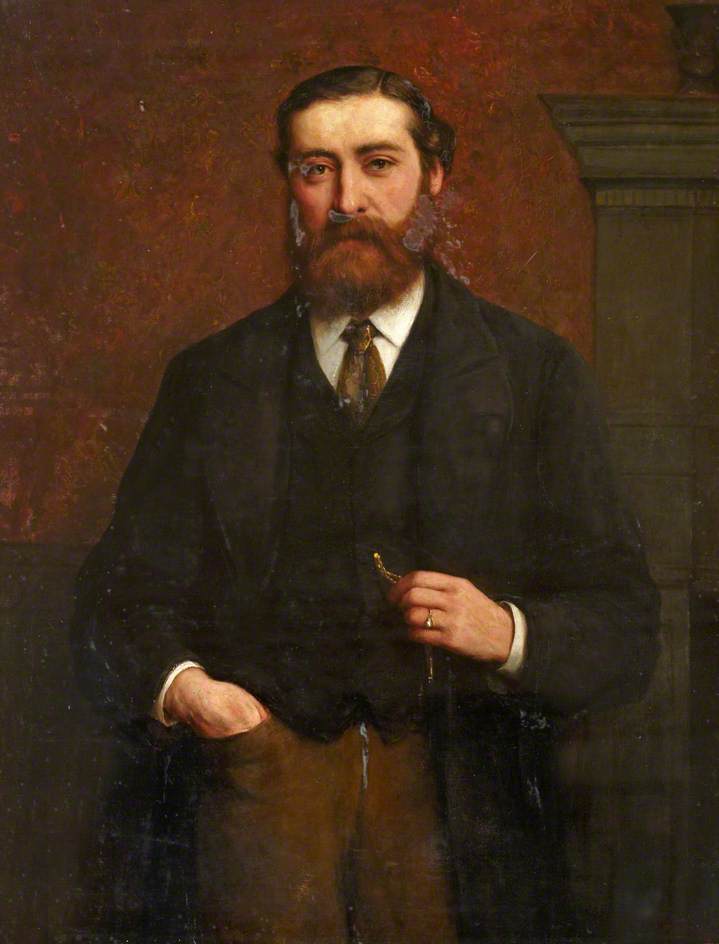
Sir Charles Sissmore Tomes (1846–1928), MRCS, LDS, FRS
 1884
1884 108.0 x 83.0 cm
 Royal Society of Medicine
 Pročitaj više
Giclee štampa / Umetnički otisak
Giclée štampa ili print na platnu muzejskog kvaliteta uz brzu proizvodnju i fleksibilne opcije završne obrade. ( Kupi ručno naslikanu sliku Kupi digitalnu sliku)




































Izaberite jednu od naših unapred definisanih veličina koje odgovaraju originalnim proporcijama umetničkog dela.

Možete uneti sopstvene dimenzije kako biste umetničko delo prilagodili specifičnom okviru ili prostoru. Ako odabrani format ne odgovara proporcijama originalne slike, mi ćemo ili iscrtati deo dela ili proširiti sliku pomoću ogledane ivice ili jednobojnog popunjavanja. Digitalni prikaz će vam biti poslat na odobrenje pre početka proizvodnje.
Imajte na umu da pregled na ekranu ne odražava stvarno iscrtavanje ili proširivanje. Samo će prikaz (mockup) precizno pokazati finalnu kompoziciju.
Iako su prilagođene dimenzije dostupne, preporučujemo da odaberete dimenziju sa unapred definisane liste kako biste očuvali originalne proporcije.
Dostava širom sveta () za 2 nedelje umesto uobičajenih 4/5 nedelja. (29 август)

Besplatna ekspresna dostava širom sveta

Visokokvalitetno laneno platno

Kompletno osiguranje transporta

Garancija povraćaja carine i uvoznih dažbina

Garancija vernosti boja

Politika povrata u roku od 60 dana (samo u slučaju nedostataka)

Garancija povrata novca od 100%

Popust pri grupnoj kupovini
 Opcija sa staklom dostupna je samo za dimenzije manje od 110 cm

Sir Charles Sissmore Tomes (1846–1928), MRCS, LDS, FRS
Giclee štampa / Umetnički otisak
Dimenzije reprodukcije
-


Konačna cena
$ 62
Srodna umetnička dela









Biografija umetnika
Carlile Henry Hayes Macartney: Bridging East and West Through Visionary Painting
Carlile Henry Hayes Macartney (1842–1924) stands as a fascinating figure in British art history—a painter who successfully navigated the currents of Victorian Orientalism, blending meticulous observation with imaginative storytelling to produce landscapes and portraits imbued with both grandeur and subtle psychological depth. Born in Britain on March 8th, 1842, Macartney’s artistic journey began amidst the burgeoning fascination for exotic locales and cultures that characterized the era. His formative years instilled a deep appreciation for detail and accuracy, qualities that would become hallmarks of his distinctive style.- Early Life & Education:
- Macartney received his initial artistic training at Marlborough College, honing his skills in drawing and watercolor before pursuing formal studies at the Slade School of Fine Art in London under Hubert Farnsworth, a renowned landscape painter who championed a realistic approach to depicting nature. This grounding in classical technique proved invaluable as he embarked on his professional career.
A Landscape Painter's Eye: Capturing Exotic Realms
Macartney’s artistic reputation solidified primarily through his landscapes—particularly those inspired by journeys to Persia and Egypt. Unlike many of his contemporaries who merely sketched superficial impressions, Macartney meticulously documented the textures and colors of these environments, striving for an unprecedented level of realism. His canvases depict vast vistas bathed in golden sunlight, conveying not just visual splendor but also a palpable sense of atmosphere—the heat haze shimmering over desert sands, the cool shade beneath palm trees swaying gently in the breeze. Consider his depiction of Persepolis; it’s more than just a topographical record; it's an attempt to convey the majesty and spiritual significance of this ancient city.- Notable Landscapes:
- Among Macartney’s celebrated works are “The Valley of Kashmere,” “Mount Sinai” and “The Ruins of Persepolis.” These paintings demonstrate his mastery of color palettes, compositional balance, and tonal gradation—techniques that elevate them beyond mere representations into emotionally resonant experiences for the viewer.
Portraiture: Exploring Inner Landscapes
Beyond landscapes, Macartney excelled in portraiture, capturing the personalities and emotions of his subjects with remarkable sensitivity. He possessed an uncanny ability to penetrate beneath surface appearances, conveying not just likeness but also psychological nuance—a flicker of melancholy in a noblewoman’s gaze, the quiet contemplation of a scholar absorbed in his studies. His portraits often incorporate symbolic elements—objects or settings chosen deliberately to illuminate aspects of his subjects' character and aspirations.- Portrait Subjects:
- Macartney’s clientele included prominent figures from British society, including members of the Royal Family and aristocracy. He produced portraits of Queen Mary II, Lord Salisbury and numerous other dignitaries—each piece reflecting Macartney's meticulous attention to detail and his profound understanding of human psychology.
Influence & Legacy
Carlile Henry Hayes Macartney’s artistic legacy extends beyond the individual canvases he created. He served as a professor at the Royal Academy for many years, shaping the sensibilities of generations of aspiring artists and fostering a tradition of realistic landscape painting that continues to inspire today. His work exemplifies the Victorian fascination with Orientalism—a movement characterized by both scholarly inquiry and romanticized fantasy—and stands as a testament to the power of art to transcend cultural boundaries and communicate universal human emotions. Macartney’s paintings reside in collections at Tate Gallery and other institutions, ensuring his vision persists as an enduring contribution to British artistic heritage.
Osnovne informacije
- Artistic Movement Or Style: Orientalist Painting
- Artists Or Movements Influenced By This Artist: ['Romanticism']
- Artists Who Influenced This Artist:
- William Holman Hunt
- John Ruskin
- Date Of Birth: 8 March 1842
- Full Name: Carlile Henry Hayes Macartney
- Nationality: British
- Notable Artworks: ['The Tomb of Omar Khayyam']
- Place Of Birth: Britain

