

 Pregledaj u prostoru
 Pošalji
 Podeli
 Detalji o delu

 Преузми
 Slični predmeti
 Rendgenski snimak
 Slajdovi
 Stats
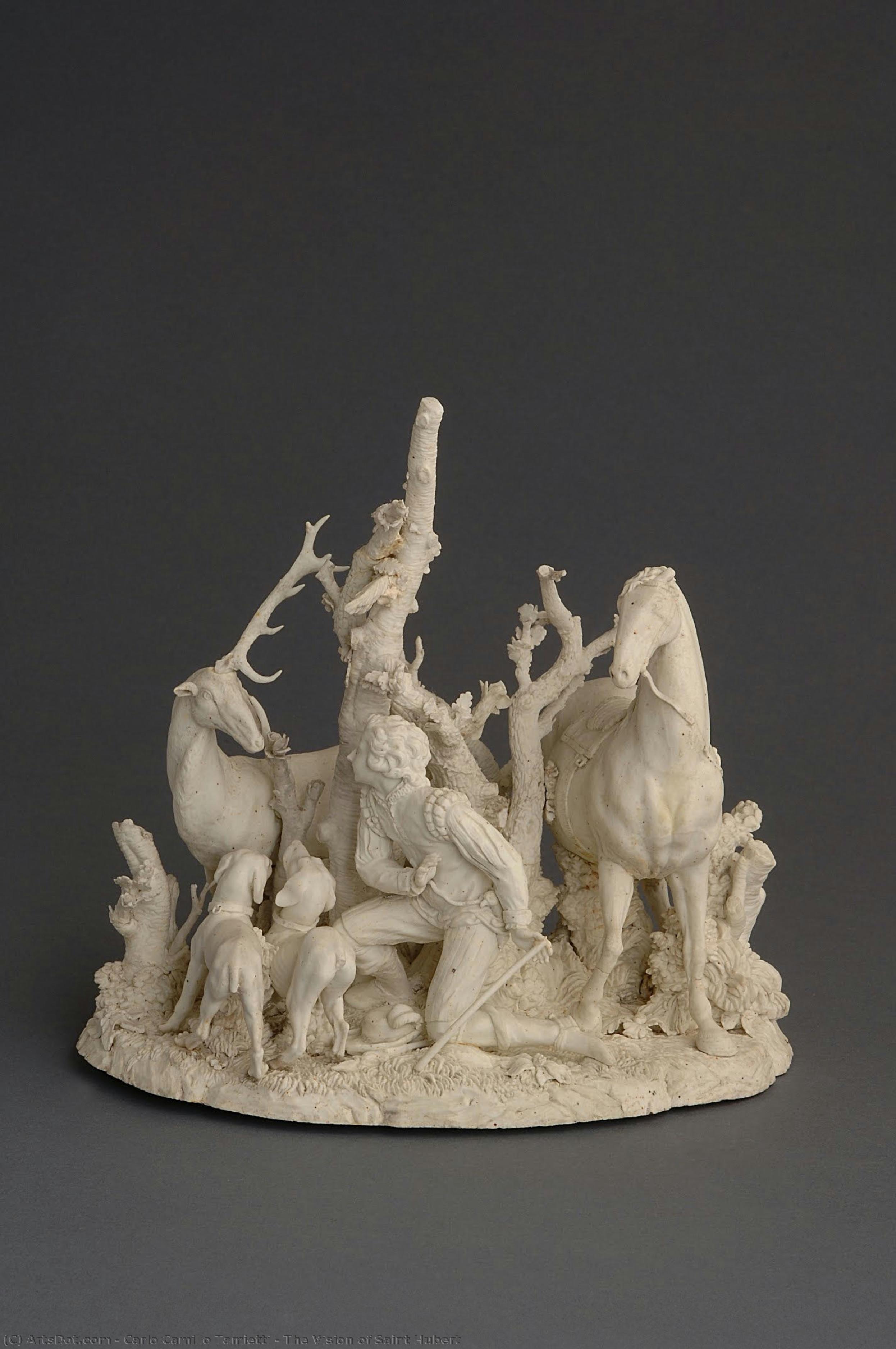
StatsThe Vision of Saint Hubert
 22.0 x 27.0 cm
 Palazzo Madama
 Pročitaj više
Ručno rađena uljana reprodukcija
Ručno oslikano uljanim bojama na platnu u dimenzijama i okviru po vašem izboru, izrađeno po porudžbini od strane naših umetnika. ( Switch to Print Switch to Digital Image)




































Izaberite jednu od naših unapred definisanih veličina koje odgovaraju originalnim proporcijama umetničkog dela.

Можете унети сопствене димензије како бисте прилагодили дело одређеном оквиру или простору. Ако одабрана величина не одговара пропорцијама оригинала, слика ће бити исечена или проширена додатним елементима који се ручно насликавају. Дигитални prikaz ће вам бити послат на одобрење пре почетка производње.
Имајте на уму да преглед на екрану не одражава стварно исецање или проширење. Само приказ (mockup) ће тачно приказати коначну композицију.
Иако су доступне прилагођене величине, препоручујемо да одаберете димензију из дефинисане листе како бисте сачували оригиналне пропорције.
Nakon narudžbine, tim ArtsDot.com će klijentu putem e-pošte poslati uputstva i dostaviti prikaz predloženog rešenja
Isporuka širom sveta () za 3/4 nedelje umesto uobičajenih 5 nedelja. (8 септембар). Bez kompromisa po pitanju kvaliteta.

Besplatna ekspresna dostava širom sveta

Visokokvalitetno laneno platno

Kompletno osiguranje transporta

Garancija povraćaja carine i uvoznih dažbina

Garancija vernosti boja

Politika povraćaja u roku od 100 dana (isključivo u slučaju nedostataka)

Garancija povrata novca od 100%

Popust pri grupnoj kupovini
 Opcija sa staklom dostupna je samo za dimenzije manje od 110 cm

The Vision of Saint Hubert
Tehnika reprodukcije
Dimenzije reprodukcije
-


Konačna cena
$ 263
Srodna umetnička dela





Biografija umetnika
Benjamin West: Bridging Worlds, Painting History
Born in Springfield, Pennsylvania, in 1738, Benjamin West’s life was a remarkable confluence of transatlantic experience and artistic ambition. His early years were steeped in the practicalities of his family's inn – the Square Tavern in Newtown Square – providing him with an understanding of human interaction and observation that would later inform his masterful portraits and historical paintings. Unlike many artists of his time who received formal training, West was entirely self-taught, a testament to his innate talent and relentless dedication. This autodidactic approach, coupled with a keen eye for detail and a deep appreciation for classical art, laid the foundation for a career that would ultimately reshape the landscape of American painting and profoundly influence European artistic circles.
West’s journey began with portraiture in Philadelphia, quickly establishing him as a respected artist. However, his true ambition lay in embracing the grand narratives of history – a pursuit fueled by his exposure to classical antiquity during his formative years. In 1760, he embarked on a transformative voyage to Europe, initially intending only a brief visit, but ultimately settling into London where he would spend the remainder of his life. This move marked not just a geographical shift, but a deliberate immersion in the artistic currents of the era – particularly the burgeoning Neoclassical movement.
- Early Influences: West’s Italian studies were pivotal, exposing him to the works of Titian, Raphael, and other masters. He meticulously copied their paintings, absorbing not just their techniques but also their understanding of composition, light, and color.
- The Royal Academy: His arrival in London coincided with a burgeoning desire for an official institution dedicated to art – the Royal Academy. West played a crucial role in its founding, becoming its second president after Joshua Reynolds, a position that solidified his influence within the British artistic community.
The Death of Wolfe and Revolutionary Style
West’s most celebrated work, *The Death of General Wolfe* (1770), stands as a watershed moment in art history. This monumental painting, depicting the heroic demise of British General James Wolfe during the Battle of Quebec, was revolutionary not only for its subject matter – a relatively recent event rendered with classical precision – but also for its innovative approach to composition and dramatic lighting. Unlike traditional depictions that focused on the battlefield’s chaos, West presented a carefully staged tableau, emphasizing the tragic beauty of the scene and imbuing it with a sense of stoic heroism.
The painting's success was largely due to its departure from established conventions. West boldly depicted the figures in contemporary military uniforms – a deliberate choice that challenged the prevailing academic style and resonated powerfully with the public. The image quickly became an engraving, disseminated widely throughout Britain and beyond, establishing West as a leading figure in the Neoclassical movement. It’s important to note that while often cited as the first history painting featuring modern dress, earlier works by artists like Edward Penny had already explored similar themes.
A Patron of American Artists
Beyond his own prolific output, Benjamin West played a vital role in nurturing the careers of numerous young American painters who traveled to London seeking artistic guidance. He generously opened his studio and offered invaluable instruction, fostering a generation of artists who would go on to make significant contributions to the burgeoning American art scene. Among those he mentored were Charles Willson Peale, Gilbert Stuart, John Trumbull, and Samuel F. B. Morse – each carrying forward West’s legacy in their own distinctive styles.
West's commitment extended beyond mere instruction; he actively championed the talents of these American artists, introducing them to influential patrons and facilitating opportunities for exposure within the London art world. His influence can be seen not only in the individual works produced by his students but also in the broader development of American painting as a distinct artistic tradition.
Later Years and Legacy
As he aged, West’s style evolved, moving away from the rigid formality of Neoclassicism towards a more expressive and dramatic approach. He continued to produce works across various genres – religious scenes, mythological narratives, and portraits – often imbued with a sense of theatricality and emotional intensity. His *Death on a Pale Horse* (1817), depicting the biblical figure Saul confronting the witch of Endor, exemplifies this shift towards Romanticism.
Benjamin West died in London in 1820, leaving behind a remarkable artistic legacy. He was not merely a skilled painter but also a pivotal figure in shaping the course of American art history – the first American artist to achieve international recognition and a generous mentor who profoundly influenced the careers of countless aspiring artists. His work continues to be studied and admired for its technical brilliance, historical significance, and enduring power to evoke emotion and inspire contemplation.

carlo camillo tamietti
1738 - 1796 , Italy
Osnovne informacije
- Artistic Movement Or Style: Neoclassical, History Painting
- Artists Or Movements Influenced By This Artist:
- Copley
- Romanticism
- Artists Who Influenced This Artist:
- Titian
- Raphael
- Mengs
- Date Of Birth: Oct 10, 1738
- Date Of Death: Mar 11, 1820
- Full Name: Benjamin West
- Nationality: American
- Notable Artworks:
- Death of Nelson
- Wolfe's Death
- Paris Treaty
- Place Of Birth: Springfield, PA