

 Pregledaj u prostoru
 Pošalji
 Podeli
 Detalji o delu

 Преузми
 Slični predmeti
 Rendgenski snimak
 Slajdovi
 Stats
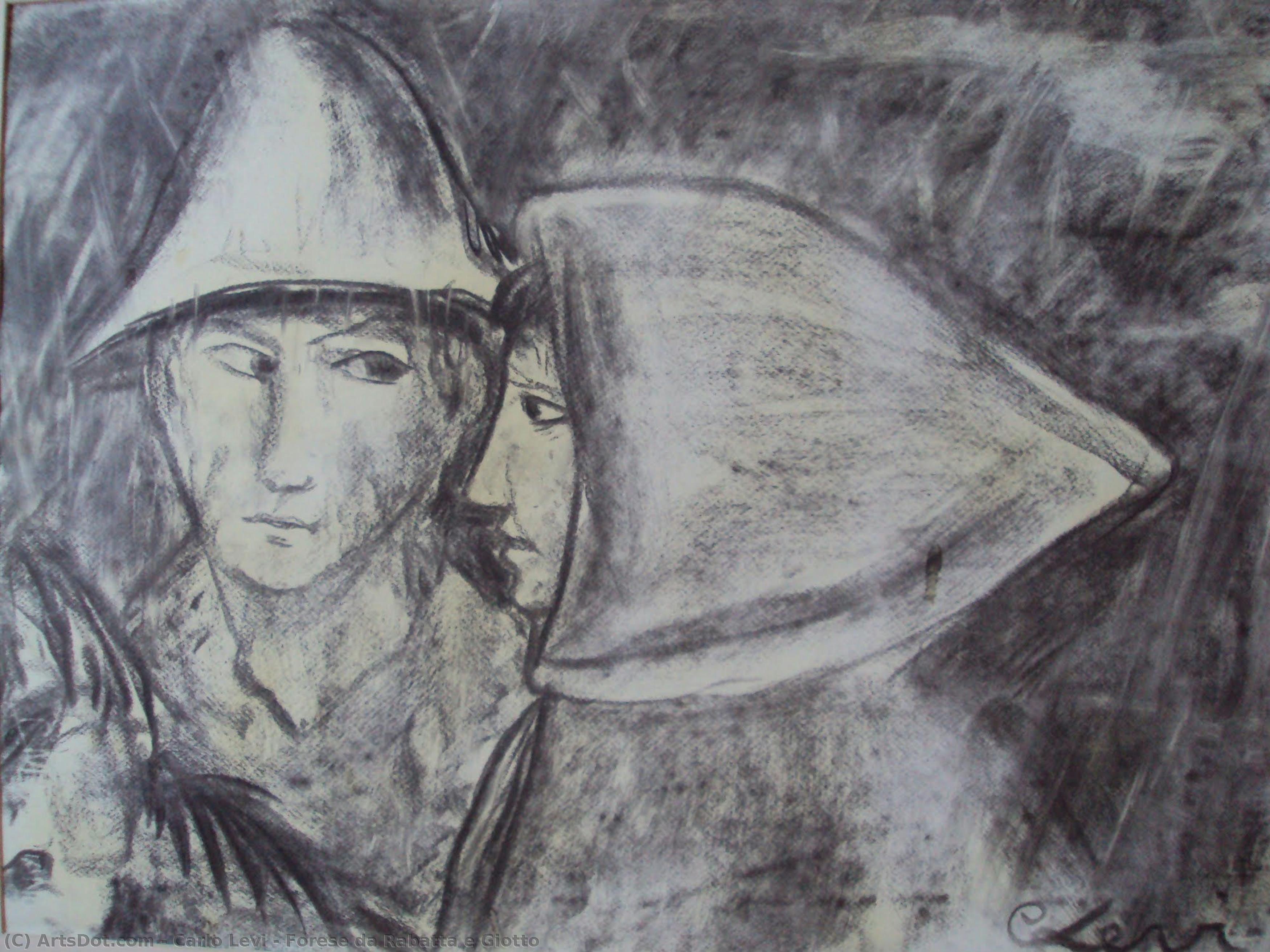
StatsForese da Rabatta e Giotto


 Pročitaj više
Ručno rađena uljana reprodukcija
Ručno oslikano uljanim bojama na platnu u dimenzijama i okviru po vašem izboru, izrađeno po porudžbini od strane naših umetnika. ( Switch to Print Switch to Digital Image)




































Izaberite jednu od naših unapred definisanih veličina koje odgovaraju originalnim proporcijama umetničkog dela.

Можете унети сопствене димензије како бисте прилагодили дело одређеном оквиру или простору. Ако одабрана величина не одговара пропорцијама оригинала, слика ће бити исечена или проширена додатним елементима који се ручно насликавају. Дигитални prikaz ће вам бити послат на одобрење пре почетка производње.
Имајте на уму да преглед на екрану не одражава стварно исецање или проширење. Само приказ (mockup) ће тачно приказати коначну композицију.
Иако су доступне прилагођене величине, препоручујемо да одаберете димензију из дефинисане листе како бисте сачували оригиналне пропорције.
Nakon narudžbine, tim ArtsDot.com će klijentu putem e-pošte poslati uputstva i dostaviti prikaz predloženog rešenja
Isporuka širom sveta () za 3/4 nedelje umesto uobičajenih 5 nedelja. (8 септембар). Bez kompromisa po pitanju kvaliteta.

Besplatna ekspresna dostava širom sveta

Visokokvalitetno laneno platno

Kompletno osiguranje transporta

Garancija povraćaja carine i uvoznih dažbina

Garancija vernosti boja

Politika povraćaja u roku od 100 dana (isključivo u slučaju nedostataka)

Garancija povrata novca od 100%

Popust pri grupnoj kupovini
 Opcija sa staklom dostupna je samo za dimenzije manje od 110 cm

Forese da Rabatta e Giotto
Tehnika reprodukcije
Dimenzije reprodukcije
-


Konačna cena
$ 288
Srodna umetnička dela








Biografija umetnika
Carlo Levi: A Painter's Witness to Resilience and Revolution
Carlo Levi (1902–1975) stands as a singular figure in Italian art history—a painter, writer, activist, and doctor whose oeuvre transcends mere aesthetic beauty to embody the very spirit of his tumultuous era. Born in Turin, Italy, Levi’s life was defined by an extraordinary intellectual curiosity and a profound empathy for the marginalized communities of Southern Italy. His artistic output reflects a multifaceted perspective, characterized by a distinctive Neorealist style that captured both the stark, often harrowing realities of poverty and the enduring, unyielding strength of the human spirit. To look upon his work is to witness a man who did not merely observe history but felt its weight through the lens of both a physician and an artist.From Medical Precision to Artistic Expression
Levi’s formative years were steeped in the traditions of literature and philosophy, influences that would forever permeate his creative endeavors. While he pursued medical studies at Turin University, graduating in 1924, he simultaneously nurtured a burgeoning artistic inclination that refused to be sidelined by his scientific training. This dual identity—the healer and the creator—would later define his unique approach to subject matter. His debut exhibition at the XIV Venice Biennale in 1938 signaled the emergence of a talent destined to captivate audiences with its uncompromising honesty and evocative imagery. Beyond traditional landscapes, Levi’s early explorations ventured into abstraction and themes of solitude and displacement, preoccupations that would eventually find their most profound expression in his autobiographical masterpiece, Cristo si è fermato a Eboli.The Influence of the Avant-Garde and Parisian Exile
The evolution of Levi's visual vocabulary was significantly shaped by his encounters with the pulse of European modernism. During his time in Paris, interactions with prominent figures such as Sergei Prokofiev and Igor Stravinsky fostered an interest in experimentation that challenged conventional artistic boundaries. The surrealist aesthetic—with its fascination for dreamlike imagery and the exploration of the subconscious—left a discernible imprint on his work. This influence is particularly evident in pieces like Arcadia, where he balances soft, organic shapes with a structured, almost architectural sense of form. Influenced by the geometric precision of artists like Felice Casorati, Levi mastered a style that utilized pure volumes and rhythmic presence to create scenes of profound stillness and classical harmony, often imbuing his subjects with a sculptural, tactile quality.A Legacy of Social Witness and Neorealism
Perhaps the most significant chapter of Levi's life was his period of political exile in Lucania, Italy. Arrested due to his political activism, he found himself immersed in the impoverished landscapes of the Italian south, an experience that transformed his art into a powerful tool for social commentary. His writing and painting became inseparable from his mission to illuminate the "Problem of the South." Through his Neorealist lens, he documented the daily hardships of the peasantry with a lucid, non-ideological sympathy that propelled national discourse following World War II. His legacy is not merely found in the beauty of his canvases but in his role as a chronicler of human resilience, ensuring that the voices of the forgotten were heard through the enduring power of art.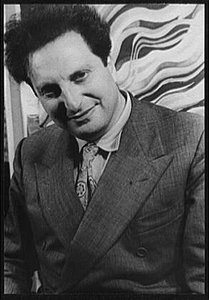
Carlo Levi
1902 - 1975 , Italy
Osnovne informacije
- Artistic Movement Or Style: Neorealism
- Artists Or Movements Influenced By This Artist: ['Italian Literature']
- Artists Who Influenced This Artist:
- Sergei Prokofiev
- Igor Stravinsky
- Date Of Birth: November 29, 1902
- Date Of Death: January 4, 1975
- Full Name: Carlo Levi
- Nationality: Italian
- Notable Artworks:
- The Watch
- Words Are Stones
- Christ Stopped at Eboli
- Place Of Birth: Turin, Italy