

 Pregledaj u prostoru
 Pošalji
 Podeli
 Detalji o delu

 Преузми
 Slični predmeti
 Rendgenski snimak
 Slajdovi
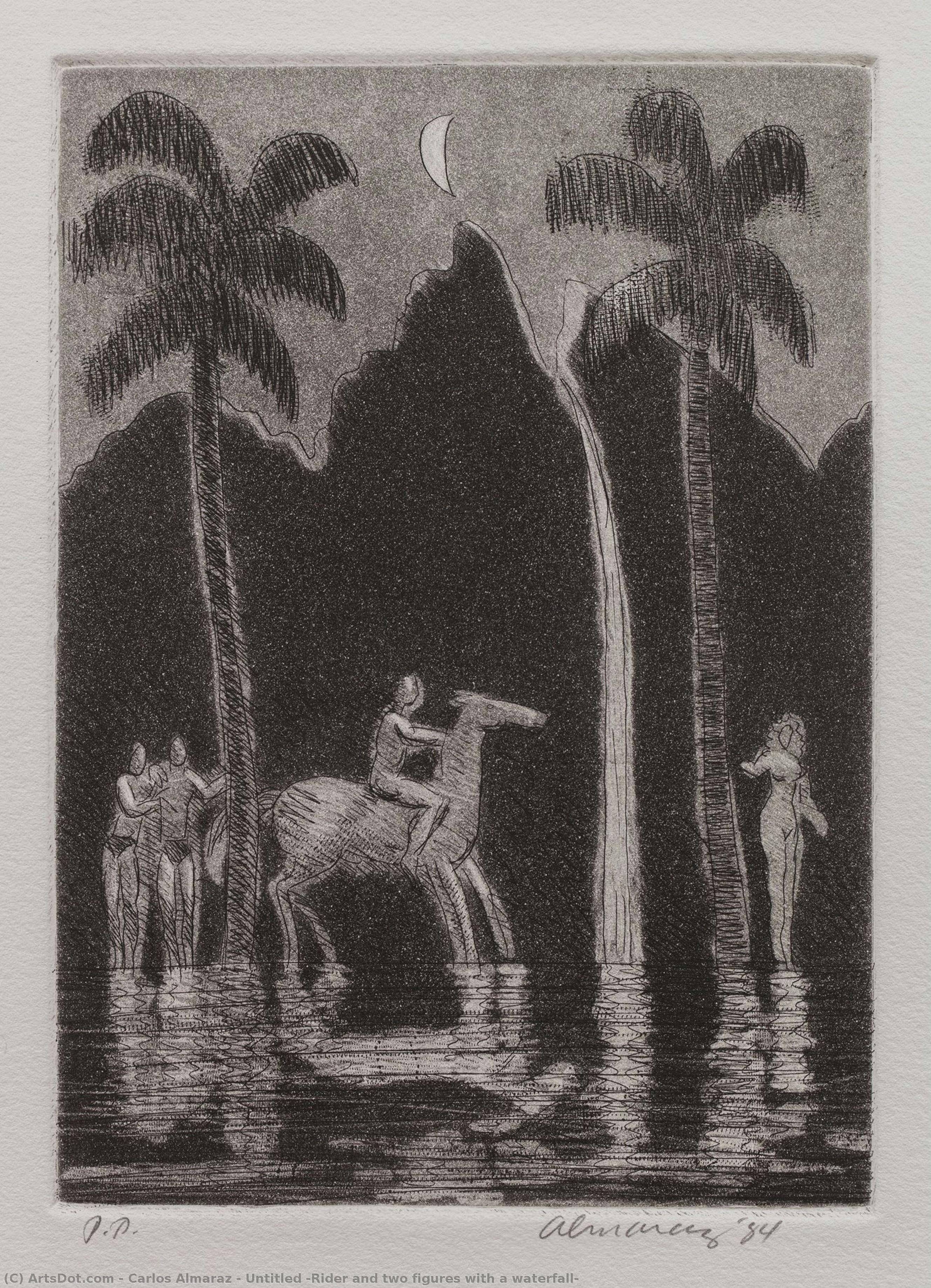
Untitled (Rider and two figures with a waterfall)
 Surrealism
 1984
1984 38.0 x 27.0 cm
 USC Fisher Museum of Art
 Pročitaj više
Giclee štampa / Umetnički otisak
Giclée štampa ili print na platnu muzejskog kvaliteta uz brzu proizvodnju i fleksibilne opcije završne obrade. ( Kupi ručno naslikanu sliku Kupi digitalnu sliku)




































Izaberite jednu od naših unapred definisanih veličina koje odgovaraju originalnim proporcijama umetničkog dela.

Možete uneti sopstvene dimenzije kako biste umetničko delo prilagodili specifičnom okviru ili prostoru. Ako odabrani format ne odgovara proporcijama originalne slike, mi ćemo ili iscrtati deo dela ili proširiti sliku pomoću ogledane ivice ili jednobojnog popunjavanja. Digitalni prikaz će vam biti poslat na odobrenje pre početka proizvodnje.
Imajte na umu da pregled na ekranu ne odražava stvarno iscrtavanje ili proširivanje. Samo će prikaz (mockup) precizno pokazati finalnu kompoziciju.
Iako su prilagođene dimenzije dostupne, preporučujemo da odaberete dimenziju sa unapred definisane liste kako biste očuvali originalne proporcije.
Dostava širom sveta () za 2 nedelje umesto uobičajenih 4/5 nedelja. (21 август)

Besplatna ekspresna dostava širom sveta

Visokokvalitetno laneno platno

Kompletno osiguranje transporta

Garancija povraćaja carine i uvoznih dažbina

Garancija vernosti boja

Politika povrata u roku od 60 dana (samo u slučaju nedostataka)

Garancija povrata novca od 100%

Popust pri grupnoj kupovini
 Opcija sa staklom dostupna je samo za dimenzije manje od 110 cm

Untitled (Rider and two figures with a waterfall)
Giclee štampa / Umetnički otisak
Dimenzije reprodukcije
-


Konačna cena
$ 62
Srodna umetnička dela
Biografija umetnika
The Vibrant Pulse of a Chicano Visionary
Carlos Almaraz (1941-1989) stands as a monumental figure in the Chicano art movement, forever etching himself into the cultural landscape of Los Angeles and beyond. Born in Mexico City to Rudolph Almaraz and Roe Miller, his early life was defined by a profound duality. His family relocated to Chicago shortly after his birth, exposing him to the industrial grit of Gary steel mills alongside the vibrant pulse of Mexican American communities. This stark contrast between urban decay and rich familial heritage became a recurring motif throughout his artistic oeuvre, creating a visual language that spoke to both the struggle and the splendor of the human condition.
Almaraz’s formative years instilled in him an acute awareness of social disparities and cultural identity, themes that would profoundly shape his artistic vision. After pursuing formal training at the Art Institute of Chicago, where he honed his skills in painting and printmaking, he established himself as a resident artist in East Los Angeles during the late 1960s and early 1970s. This period coincided with the burgeoning Chicano movement—a powerful assertion of Mexican American pride and activism. Almaraz quickly became a central figure in this cultural awakening, recognizing the immense potential for art to serve as a catalyst for social change and community dialogue.
A Fusion of Surrealism and Social Reality
The evolution of Almaraz’s style was deeply informed by his engagement with international art movements. Surrealism and Expressionism served as crucial touchstones for his development, providing him with the tools to translate internal emotions onto the canvas. The dreamlike imagery of Salvador Dalí and the emotionally charged, jagged compositions of Ernst Ludwig Kirchner allowed him to move beyond mere representation. He learned to weave together the fantastic and the real, creating works that felt both deeply personal and broadly political.
His commitment to community was perhaps most tangibly expressed through his collaborative efforts. Alongside fellow artists such as Ursula Celada, Judith Baca, and Willie Villalpando, Almaraz co-founded the Centro de Arte Público (CAP) in Highland Park, Los Angeles. This institution aimed to foster Chicano artistic expression and engage local communities in vital conversations about identity and social justice. Through these collective endeavors, he helped bridge the gap between street art and the fine art establishment, ensuring that the voices of East Los Angeles were heard within the broader canon of American art.
The Echo Park Series and Lasting Legacy
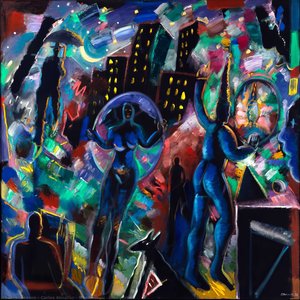
Perhaps Almaraz’s most celebrated body of work is his Echo Park series—a collection of paintings depicting the urban sprawl of East Los Angeles with a haunting, luminous beauty. These canvases capture more than just physical landscapes; they are psychological portraits of a city in flux. Through vibrant colors and sweeping, energetic brushstrokes, he depicted the movement of traffic, the glow of streetlights, and the complex layers of urban life, transforming the mundane into something mythic and profound.
The historical significance of Carlos Almaraz lies in his ability to navigate multiple identities simultaneously. As a founder of the influential group Los Four, he was instrumental in bringing Chicano aesthetics to the forefront of the contemporary art world. His work remains a testament to the power of resilience and the beauty found within the struggle for recognition. Even today, his legacy continues to inspire artists who seek to use their craft as a tool for cultural reclamation and social transformation, ensuring that his vibrant vision of Los Angeles will never fade.
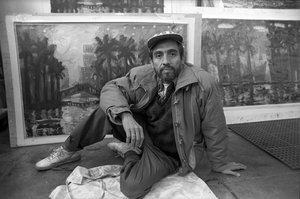
carlos almaraz
1941 - 1989
Osnovne informacije
- Artistic Movement Or Style: Chicano Art
- Date Of Birth: October 5, 1941
- Full Name: Carlos D. Almaraz
- Nationality: Mexican-American
- Notable Artworks:
- Night Magic (Blue Jester)
- Untitled (Rider and two figures with a waterfall)
- City Street Scene
- Place Of Birth: Mexico City, Mexico
Povezani članci

Etching: A Historical Survey of Technique, Aesthetic Qualities & Enduring Artistic Significance
Explore the rich history of etching, from its origins to Rembrandt's masterful innovations. Discover the technique, aesthetic qualities & enduring legacy of this captivating art form. Expert insights for collectors and enthusiasts.
Etching Masters: 10 Legendary Prints That Revolutionized Art | ArtsDot
Journey through 10 legendary etching masterpieces by Rembrandt, Dürer & Goya. Explore the history of printmaking and discover timeless art for your home. Find museum-quality reproductions at ArtsDot.com.

The Intricate World of Etching: A Historical Survey of Technique, Aesthetic Evolution, and Enduring Artistic Impact
Explore the rich history of etching, from its origins to modern practice. Discover techniques, key artists like Rembrandt, and insights for collectors. A comprehensive guide by ArtsDot.

Giclée Prints: Archival Quality & Aesthetic Nuances for the Discerning Collector
Explore the world of giclée prints with ArtsDot. Learn about archival quality, aesthetic nuances & investment potential. Expert guidance for discerning art collectors seeking museum-quality reproductions and lasting value.

The Enduring Legacy of Fine Art Prints: Technique, History & Aesthetic Impact
Explore the rich history & techniques of fine art prints. Discover investment potential, assess authenticity, and learn how to preserve your collection with expert guidance. Trusted insights for discerning collectors.

