

 Pregledaj u prostoru
 Pošalji
 Podeli
 Detalji o delu

 Преузми
 Slični predmeti
 Rendgenski snimak
 Slajdovi
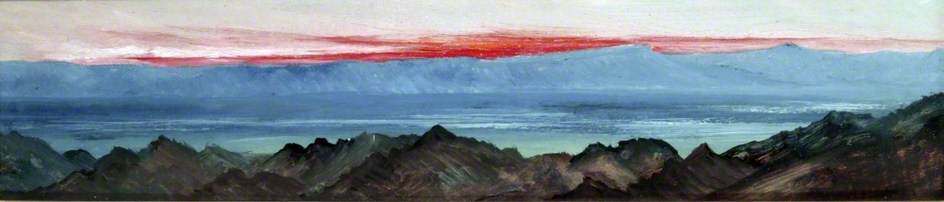
Sunrise over the Mountains of Moab
 1899
1899 10.0 x 41.0 cm
 Walker Art Gallery
 Pročitaj više
Giclee štampa / Umetnički otisak
Giclée štampa ili print na platnu muzejskog kvaliteta uz brzu proizvodnju i fleksibilne opcije završne obrade. ( Kupi ručno naslikanu sliku Kupi digitalnu sliku)




































Izaberite jednu od naših unapred definisanih veličina koje odgovaraju originalnim proporcijama umetničkog dela.

Možete uneti sopstvene dimenzije kako biste umetničko delo prilagodili specifičnom okviru ili prostoru. Ako odabrani format ne odgovara proporcijama originalne slike, mi ćemo ili iscrtati deo dela ili proširiti sliku pomoću ogledane ivice ili jednobojnog popunjavanja. Digitalni prikaz će vam biti poslat na odobrenje pre početka proizvodnje.
Imajte na umu da pregled na ekranu ne odražava stvarno iscrtavanje ili proširivanje. Samo će prikaz (mockup) precizno pokazati finalnu kompoziciju.
Iako su prilagođene dimenzije dostupne, preporučujemo da odaberete dimenziju sa unapred definisane liste kako biste očuvali originalne proporcije.
Dostava širom sveta () za 2 nedelje umesto uobičajenih 4/5 nedelja. (1 септембар)

Besplatna ekspresna dostava širom sveta

Visokokvalitetno laneno platno

Kompletno osiguranje transporta

Garancija povraćaja carine i uvoznih dažbina

Garancija vernosti boja

Politika povrata u roku od 60 dana (samo u slučaju nedostataka)

Garancija povrata novca od 100%

Popust pri grupnoj kupovini
 Opcija sa staklom dostupna je samo za dimenzije manje od 110 cm

Sunrise over the Mountains of Moab
Giclee štampa / Umetnički otisak
Dimenzije reprodukcije
-


Konačna cena
$ 62
Srodna umetnička dela









Biografija umetnika
Caroline Emily Gray Hill: A Desert Visionary
The art world often overlooks figures whose brilliance was dimmed by the constraints of their time, but Caroline Emily Gray Hill stands as a testament to quiet determination and a unique artistic vision. Born in Tottenham, England, in 1843, into a family steeped in intellectual pursuits – her father a landscape painter and her uncle a postal reformer – Hill’s early life was marked by an absence of formal artistic training, a significant hurdle for a woman seeking recognition in the Victorian era. Yet, she possessed an innate eye for light, color, and composition, qualities that would blossom into a remarkable body of work centered on the evocative landscapes of Palestine and the surrounding deserts.
Hill’s journey to becoming an artist was unconventional. Her marriage to Sir John Edward Gray Hill in 1864 propelled them both to Mount Scopus, just outside Jerusalem, where they established a home overlooking the ancient city. This remote location became the crucible for her artistic development. Unlike many of her contemporaries who sought to capture grand historical scenes or biblical narratives, Hill focused on the subtle beauty of the desert – its shifting sands, dramatic rock formations, and the fleeting effects of light and shadow. Her work wasn’t about documenting a specific place; it was about conveying an atmosphere, a feeling of solitude and profound connection with the natural world.
Initially, her artistic endeavors were largely self-directed, fueled by a deep appreciation for the landscape and a desire to capture its essence on canvas. While she lacked formal instruction, Hill’s keen observation skills and meticulous technique allowed her to create paintings of remarkable detail and sensitivity. Her husband, Sir John, recognized her talent and encouraged her pursuit of art, providing support and documenting their travels together. It was through his book, “With the Bedouin,” that Hill's work began to gain a wider audience, though she herself received little credit for the stunning illustrations accompanying the text.
The Desert as Muse: Style and Technique
Hill’s artistic style is often described as Orientalist, yet her approach transcends simple imitation. She wasn’t interested in exoticizing or romanticizing the Middle East; rather, she sought to portray it with honesty and respect. Her paintings are characterized by a restrained palette – predominantly ochres, browns, yellows, and blues – that perfectly captures the colors of the desert landscape. She employed a loose, expressive brushstroke, prioritizing atmosphere over precise detail. This technique created a sense of movement and dynamism, as if the sand itself was shifting beneath her gaze.
A key element of Hill’s style is her masterful use of light. She meticulously observed how sunlight transformed the desert landscape throughout the day, capturing the intense heat of midday, the soft glow of dawn and dusk, and the ethereal beauty of twilight. Her paintings are imbued with a sense of luminosity that draws the viewer into the scene, inviting them to share in her experience of this remote and captivating place.
Interestingly, Hill’s artistic practice was deeply influenced by Japanese lacquer work. She had studied lacquering techniques in Paris and incorporated elements of Japanese design – particularly asymmetry and a focus on texture – into her paintings. This fusion of Western and Eastern aesthetics is evident in the subtle layering of colors and the delicate brushwork that characterizes her best works.
A Life Among the Bedouin
Hill’s time in Palestine was not merely a period of artistic inspiration; it was a profound cultural immersion. She spent decades living alongside the Bedouin tribes, learning their customs, sharing their meals, and gaining an intimate understanding of their way of life. These experiences profoundly shaped her art, informing her depictions of desert life and fostering a deep respect for the nomadic people who inhabited this harsh but beautiful landscape.
Her paintings offer glimpses into the daily routines of the Bedouin – their tending of camels, their gathering of water, their storytelling around campfires. Hill’s work is not simply a record of these scenes; it's an attempt to capture the spirit and essence of Bedouin culture—their resilience, their connection to the land, and their profound sense of community.
The couple’s home on Mount Scopus became a haven for artists and intellectuals, attracting visitors from around the world. Hill continued to paint throughout her life, producing over 100 works that offer a unique and intimate perspective on Palestine in the late 19th and early 20th centuries.
Legacy and Rediscovery
Despite her talent and dedication, Hill’s work remained largely unrecognized for decades after her death in 1924. Her paintings were scattered among family members and private collections, and she was virtually absent from the art historical record. However, in recent years, there has been a growing interest in her oeuvre, fueled by research at the University of Liverpool, where a significant collection of her works is housed.
Exhibitions showcasing Hill’s paintings have helped to bring her work to a wider audience, and scholars are increasingly recognizing her as a pioneering figure in Orientalist art. Her unique perspective—her focus on the desert landscape, her respect for Bedouin culture, and her masterful use of light and color—has earned her a place among the most important artists of the late 19th century.
Caroline Emily Gray Hill’s legacy is not just one of artistic achievement; it's also a reminder of the importance of recognizing and celebrating the contributions of women artists who have been historically overlooked. Her paintings offer a window into a world rarely seen in art—a world of solitude, beauty, and profound connection with nature.
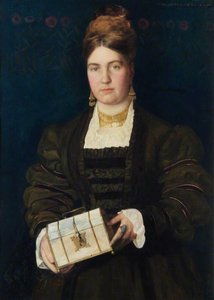
caroline emily gray hill
1843 - 1924
Osnovne informacije
- Artistic Movement Or Style: Orientalism, Landscape
- Artists Or Movements Influenced By This Artist: ['Eileen Gray']
- Artists Who Influenced This Artist: ['Edward Robert Hughes']
- Date Of Birth: 14 August 1843
- Date Of Death: 1924
- Full Name: Caroline Emily Gray Hill
- Nationality: British
- Notable Artworks:
- Wadi Shaiudel in the Desert of Sinai
- Gray Hill Landscapes Lend Color to Ticho House Show
- Place Of Birth: Tottenham, England

