

 Pregledaj u prostoru
 Pošalji
 Podeli
 Detalji o delu

 Преузми
 Slični predmeti
 Rendgenski snimak
 Slajdovi
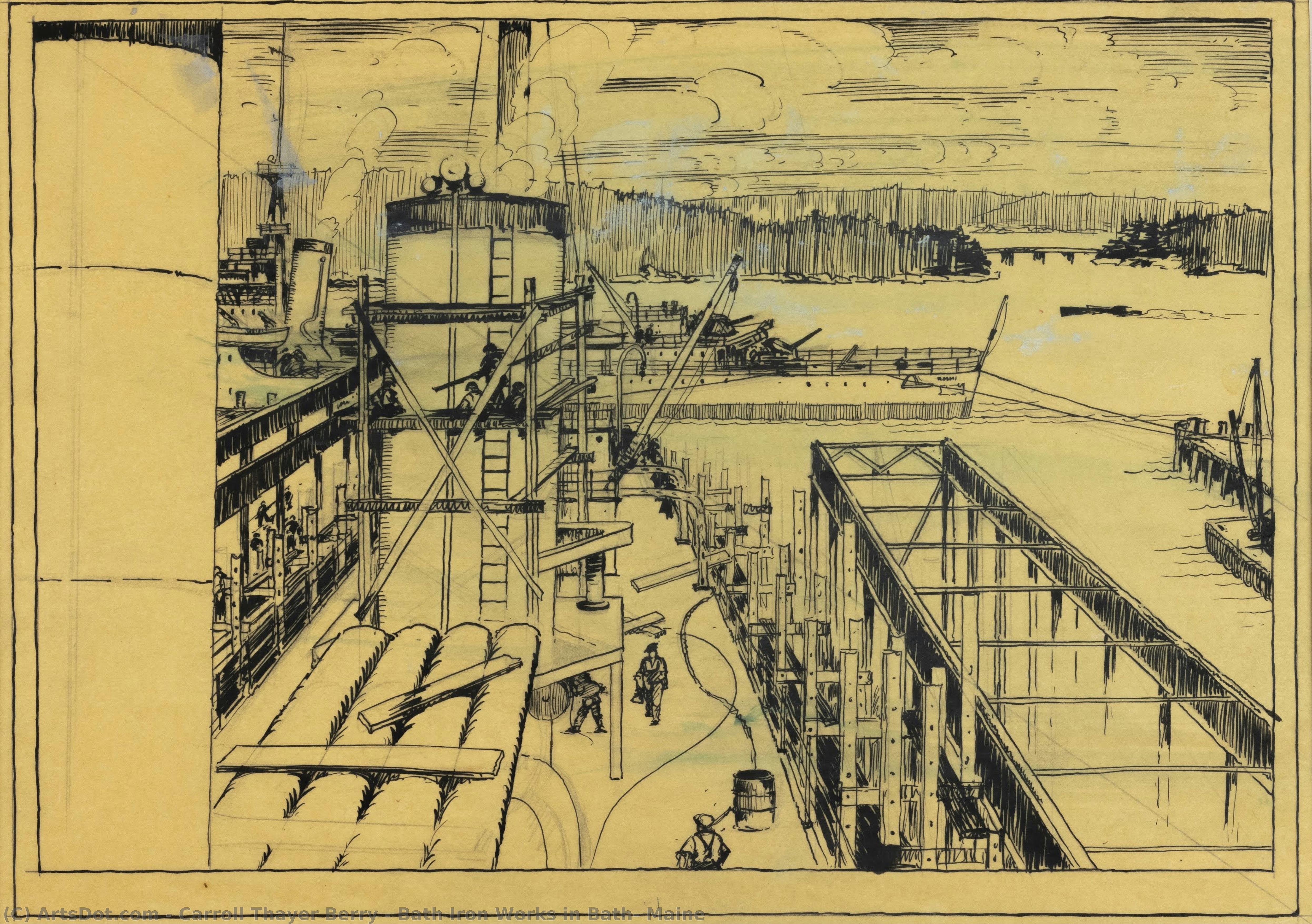
Bath Iron Works in Bath, Maine


 Pročitaj više
Ručno rađena uljana reprodukcija
Ručno oslikano uljanim bojama na platnu u dimenzijama i okviru po vašem izboru, izrađeno po porudžbini od strane naših umetnika. ( Kupi print Kupi digitalnu sliku)




P118B $10

P118H $10

P118W $10

P438Z $10

P508JH $12

P508YH $12

P805H $10

P805Z $10

P919BZ $10

P919G $10

P919XJ $10

P959ZH $10

P968JZ $12

W106C $8

W218G $10

W218JH $8

W218Y $10

W307PJ $10

W316G $10

W316PJ $8

W316Y $10

W398PJ $8

W4111J $10

W500HY $15

W500JH $15

W692G $12

W849H $8

W940BG $15

W953PJ $8




Izaberite jednu od naših unapred definisanih veličina koje odgovaraju originalnim proporcijama umetničkog dela.

Можете унети сопствене димензије како бисте прилагодили дело одређеном оквиру или простору. Ако одабрана величина не одговара пропорцијама оригинала, слика ће бити исечена или проширена додатним елементима који се ручно насликавају. Дигитални prikaz ће вам бити послат на одобрење пре почетка производње.
Имајте на уму да преглед на екрану не одражава стварно исецање или проширење. Само приказ (mockup) ће тачно приказати коначну композицију.
Иако су доступне прилагођене величине, препоручујемо да одаберете димензију из дефинисане листе како бисте сачували оригиналне пропорције.
Nakon narudžbine, tim ArtsDot.com će klijentu putem e-pošte poslati uputstva i dostaviti prikaz predloženog rešenja
Isporuka širom sveta () za 3/4 nedelje umesto uobičajenih 5 nedelja. (24 август). Bez kompromisa po pitanju kvaliteta.

Besplatna ekspresna dostava širom sveta

Visokokvalitetno laneno platno

Kompletno osiguranje transporta

Garancija povraćaja carine i uvoznih dažbina

Garancija vernosti boja

Politika povrata u roku od 60 dana (samo u slučaju nedostataka)

Garancija povrata novca od 100%

Popust pri grupnoj kupovini
 Opcija sa staklom dostupna je samo za dimenzije manje od 110 cm

Bath Iron Works in Bath, Maine
Tehnika reprodukcije
Dimenzije reprodukcije
-


Konačna cena
$ 263
Opis umetničkog dela
A Window into Industrial Heritage
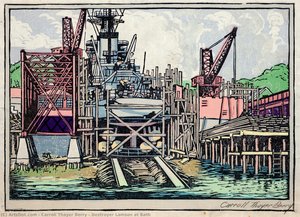
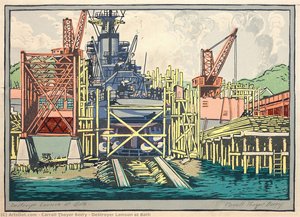
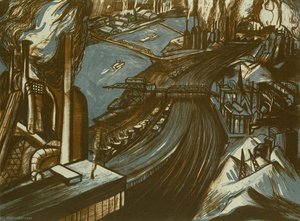
In this evocative black and white drawing, titled Bath Iron Works in Bath, Maine, we are transported back to the dawn of the twentieth century, specifically around 1900. The artist, Carroll Thayer Berry, captures a moment of profound industrial vitality along the Maine coastline. Through his meticulous linework, the scene unfolds as a bustling maritime theater where the rhythmic pulse of labor meets the stillness of the Atlantic waters. A prominent vessel rests at the pier on the left, serving as an anchor for the composition, while smaller boats drift near the center, creating a sense of depth and movement. The presence of a train emerging in the upper right corner introduces a fascinating intersection of technologies—the iron rails meeting the salt spray—illustrating a period when steam and steel were reshaping the American landscape.
The composition is not merely a record of machinery but a study of human endeavor. Scattered throughout the docks, tiny figures can be seen engaged in the daily choreography of shipyard life. These silhouettes provide a vital sense of scale, reminding the viewer that behind every massive hull and iron girder lies the collective strength of a community. The atmosphere is thick with the imagined sounds of clanging metal, hissing steam, and the calls of workers, creating an immersive experience that transcends the monochromatic medium. For the collector, this piece offers more than just a historical document; it provides a window into a vanished era of American craftsmanship.
Mastery of Line and Historical Resonance
Technically, Berry utilizes the stark contrast of black and white to emphasize the structural integrity of the shipyard. Without the distraction of color, the viewer’s eye is drawn to the intricate textures of the wooden piers, the heavy silhouettes of the ships, and the delicate interplay of light and shadow across the water. This monochromatic approach lends the work a timeless, archival quality, making it feel like a rediscovered treasure from a family album or a forgotten maritime logbook. The precision of the drawing reflects Berry’s unique background—a man whose life was shaped by both the ruggedness of New England landscapes and the disciplined requirements of wartime camouflage design.
For interior designers and art enthusiasts, this artwork serves as a sophisticated focal point that brings a sense of "Industrial Americana" to any space. It possesses a quiet, commanding presence that complements both classic study environments and modern, minimalist interiors. The piece evokes a nostalgic longing for an age of tangible progress and maritime tradition, making it an ideal selection for those looking to infuse their decor with historical depth and emotional gravity. Owning a reproduction of this work is an invitation to celebrate the enduring spirit of innovation and the rugged beauty of the Maine coast.
Srodna umetnička dela

Biografija umetnika
Carroll Thayer Berry: A New England Visionary Forged in War and Canvas
Carroll Thayer Berry, born in New Gloucester, Maine, in 1886, was an artist whose life and work are inextricably linked to the rugged beauty of his native New England and profoundly shaped by the exigencies of World War I. His artistic journey, a fascinating blend of youthful ambition, unexpected assignments, and a deep connection to the maritime landscape, reveals a man who seamlessly transitioned from dairy farming dreams to camouflage design and evocative seascapes. Berry’s legacy isn't simply one of picturesque coastal scenes; it’s a testament to adaptability, creative problem-solving, and an artist deeply attuned to both the natural world and the demands of his time.Early Life and Artistic Awakening
Berry’s childhood in rural Maine instilled a respect for the land and its rhythms – a sensibility that would later permeate his art. Initially, he harbored aspirations of becoming a marine engineer, enrolling at the University of Michigan with that goal firmly in mind. However, a burgeoning artistic inclination led him to pursue evening classes in Boston, igniting a passion for painting. A pivotal moment arrived in 1910 when he accepted an invitation to Panama to participate in the construction of the Panama Canal. This experience, though marked by illness and hardship – contracting malaria – proved transformative. It exposed him to diverse cultures and landscapes, broadening his artistic horizons and ultimately leading him back to formal training at the Pennsylvania Academy of Fine Arts.The War Years: Camouflage and Mural Commissions
World War I dramatically altered Berry’s trajectory. In 1917, he enlisted in the U.S. Army and was assigned to camouflage – a role that demanded not only artistic skill but also an understanding of materials science and military strategy. He became one of the first American artists to be formally attached to the newly formed American Camouflage Corps, working alongside prominent figures like Homer Saint-Gaudens. This experience honed his observational abilities and instilled in him a pragmatic approach to color and texture – skills that would later inform his landscape paintings. Remarkably, Berry’s artistic talents were also recognized by government officials in Panama, leading to a prestigious commission: the creation of a series of large murals celebrating the opening of the Panama Canal in 1914. These monumental works showcased his ability to capture grand scale and historical significance within a visually compelling narrative.From Commercial Art to Maritime Mastery
Following the war, Berry relocated to New York City and established himself as a commercial artist. However, he soon returned to the familiarity of Maine, seeking solace and inspiration in his native landscape. He married and raised a family, establishing a studio in Rockport, Maine, where he continued to develop his artistic style. Berry’s work during this period is characterized by a remarkable sensitivity to light, color, and texture – elements that perfectly capture the essence of the New England coast. His paintings are not merely representations of scenery; they are imbued with a palpable sense of atmosphere and mood. He became particularly renowned for his depictions of the Bath Iron Works, meticulously documenting the shipbuilding process through a series of evocative oil paintings.Technique and Legacy
Berry’s artistic technique evolved significantly throughout his career. Initially experimenting with linocuts and oils, he later embraced wood engraving and block printing, mastering the intricate processes involved in creating detailed, textured images. His late work, influenced by Jay Hambidge's theory of dynamic symmetry, demonstrated a sophisticated understanding of proportion and design. Berry’s legacy extends beyond his individual paintings; he represents a unique confluence of artistic disciplines – from military camouflage to commercial illustration to landscape painting. He was an artist shaped by war, inspired by the natural world, and ultimately defined by his unwavering commitment to capturing the spirit of New England. His work continues to resonate with viewers today, offering a poignant glimpse into a bygone era and a testament to the enduring power of art.
Carroll Thayer Berry
1886 - 1978 , United States of America
Osnovne informacije
- Artistic Movement Or Style: New England seascapes, WW1 camouflage art
- Date Of Birth: September 4, 1886
- Date Of Death: January 20, 1978
- Full Name: Carroll Thayer Berry
- Nationality: American
- Notable Artworks:
- Retired from the Sea
- n“Destroyer Lamson at Bath”, “Bath Iron Works”], "Artists who influenced this artist": ["None"], "Artists or movements influenced by this artist":["Saint-Gaudens","Tracy"] }
- Place Of Birth: New Gloucester, USA
Povezani članci

White on Canvas: 10 Masterpieces & Timeless Elegance for Your Home Decor
Explore 10 iconic white paintings by Monet, Whistler & Rothko! Discover the stories behind these serene masterpieces and their impact on art history. Find museum-quality reproductions for your home decor at .

Dark Masterpieces: 10 Iconic Paintings Dominated by Black Tones |
Explore 10 iconic paintings dominated by black tones, from Rembrandt’s chiaroscuro to Goya's dark expressions. Discover the stories behind these masterpieces & find museum-quality art reproductions for your home at .
The Allure of the Horizon: A Comprehensive Exploration of Seascape Art Through History & Emotion
Explore the captivating world of seascape art! Discover its history, key artists & movements – from Dutch Masters to Impressionism. Expert insights for collectors and enthusiasts at ArtsDot.

Monochrome Visions: Exploring the Aesthetic & Historical Significance of Black & White Photography
Explore the rich history & artistic power of black and white photography. From early techniques to iconic masters like Ansel Adams, discover why monochrome continues to captivate art lovers today. Expert insights for collectors.
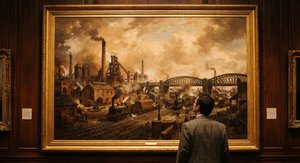
Industrial Revolution on Canvas: 10 Artworks That Define a Modern Aesthetic
Explore 10 iconic artworks capturing the Industrial Revolution’s grit & beauty. From Monet to Manet, discover realism, impressionism & powerful scenes of urban life. Find museum-quality reproductions for your home at ArtsDot.com.

