

 Pregledaj u prostoru
 Pošalji
 Podeli
 Detalji o delu

 Преузми
 Slični predmeti
 Rendgenski snimak
 Slajdovi
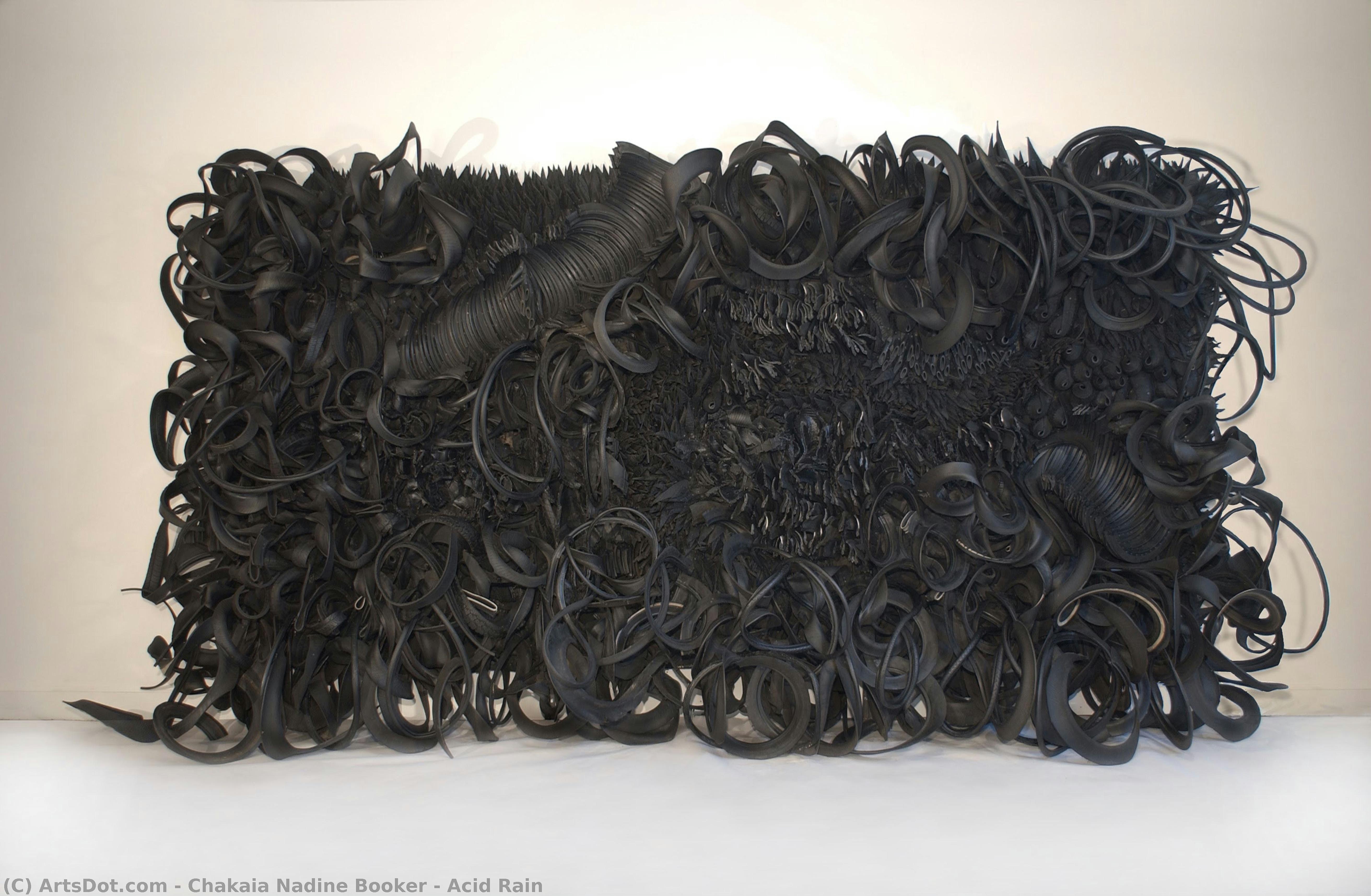
Acid Rain

 Pročitaj više
Giclee štampa / Umetnički otisak
Giclée štampa ili print na platnu muzejskog kvaliteta uz brzu proizvodnju i fleksibilne opcije završne obrade. ( Kupi ručno naslikanu sliku Kupi digitalnu sliku)




































Izaberite jednu od naših unapred definisanih veličina koje odgovaraju originalnim proporcijama umetničkog dela.

Možete uneti sopstvene dimenzije kako biste umetničko delo prilagodili specifičnom okviru ili prostoru. Ako odabrani format ne odgovara proporcijama originalne slike, mi ćemo ili iscrtati deo dela ili proširiti sliku pomoću ogledane ivice ili jednobojnog popunjavanja. Digitalni prikaz će vam biti poslat na odobrenje pre početka proizvodnje.
Imajte na umu da pregled na ekranu ne odražava stvarno iscrtavanje ili proširivanje. Samo će prikaz (mockup) precizno pokazati finalnu kompoziciju.
Iako su prilagođene dimenzije dostupne, preporučujemo da odaberete dimenziju sa unapred definisane liste kako biste očuvali originalne proporcije.
Dostava širom sveta () za 2 nedelje umesto uobičajenih 4/5 nedelja. (6 септембар)

Besplatna ekspresna dostava širom sveta

Visokokvalitetno laneno platno

Kompletno osiguranje transporta

Garancija povraćaja carine i uvoznih dažbina

Garancija vernosti boja

Politika povrata u roku od 100 dana (samo u slučaju nedostataka)

Garancija povrata novca od 100%

Popust pri grupnoj kupovini
 Opcija sa staklom dostupna je samo za dimenzije manje od 110 cm

Acid Rain
Giclee štampa / Umetnički otisak
Dimenzije reprodukcije
-


Konačna cena
$ 62
Srodna umetnička dela






Biografija umetnika
The Alchemy of the Discarded: The Sculptural Vision of Chakaia Booker
In the hands of Chakaia Booker, the discarded remnants of industrial life undergo a profound metamorphosis. Born in Newark, New Jersey, in 1953, Booker emerged from an urban landscape that provided both the raw materials and the sociological inspiration for her monumental practice. Her journey into the heart of contemporary sculpture was shaped by an early fascination with the complexities of human identity and social structures—a passion nurtured during her studies at Rutgers University and later refined through her M.F.A. at the City College of New York. Rather than seeking traditional, pristine mediums like marble or bronze, Booker turned toward the grit and resilience of the street, finding a poetic language within the weathered textures of recycled rubber tires and scrap fabric.
The essence of Booker’s work lies in its ability to find beauty and profound meaning within the overlooked. By utilizing discarded tires as her primary medium, she engages in an intensely physical process of slicing, twisting, weaving, and riveting. This labor-intensive technique allows her to manipulate heavy, industrial rubber into delicate, organic forms that mimic the complexity of biological life. The resulting sculptures are not merely objects of observation but immersive environments that demand a visceral response. Through these works, she explores the tension between the permanence of industrial waste and the ephemeral nature of human existence, creating a dialogue between the mechanical and the organic.
Symbolism, Texture, and the Human Narrative
Every incision and fold in Booker’s sculptures carries a weight of symbolic significance. The varied tones and textures of the rubber serve as a metaphor for human diversity, while the rhythmic patterns created by the tire treads evoke deep-seated cultural memories. She draws inspiration from African scarification patterns and intricate textile designs, weaving these historical echoes into her contemporary compositions. This fusion of the industrial with the ancestral allows her work to act as a bridge between past and present, celebrating heritage while confronting the realities of modern consumer culture.
Beyond the aesthetic allure of her textures, Booker’s art serves as a poignant commentary on several intersecting global themes:
- Environmental Consciousness: By repurposing waste, she highlights the urgent need to confront our relationship with consumption and the ecological footprint of industrialization.
- Social Resilience: The visible wear, tear, and scars on her materials mirror the physical and psychological marks of human aging and the endurance required to navigate urban life.
- Identity and Representation: Her work challenges viewers to reconsider how we perceive "value," transforming what society labels as trash into high art that commands respect and attention.
A Legacy of Transformation and Recognition
The trajectory of Chakaia Booker’s career is marked by moments of profound impact that have redefined the boundaries of contemporary sculpture. Her ascent to international prominence was solidified at the 2000 Whitney Biennial with the presentation of It’s So Hard to Be Green. This massive, breathtaking installation—a monumental construction of tires measuring over twelve feet in height—immediately captured the art world's imagination and established her as a pioneer of sculptural innovation. The piece demonstrated her ability to command vast spaces and manipulate heavy materials into compositions that feel both incredibly dense and strangely weightless.
Throughout her career, Booker has continued to push the limits of her medium, moving from large-scale outdoor installations to intricate, multi-layered works that explore surface pressure and visual tension. Her presence in major museum collections and galleries, such as the National Museum of Women in the Arts and the David Nolan Gallery, ensures that her voice remains a vital part of the contemporary art canon. As she continues to sculpt resilience from waste, Booker’s legacy remains one of transformation—reminding us that even in the most exhausted materials, there exists the potential for rebirth, strength, and enduring beauty.
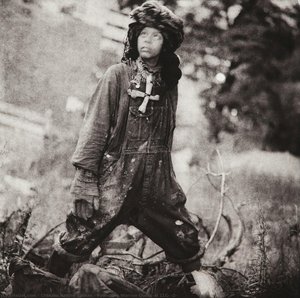
chakaia nadine booker
1953 - , United States of America
Osnovne informacije
- Artistic Movement Or Style: Contemporary Sculpture
- Date Of Birth: 1953
- Full Name: Chakaia Nadine Booker
- Nationality: American
- Notable Artworks: ['It’s So Hard to Be Green']
- Place Of Birth: Newark, United States