

 Pregledaj u prostoru
 Pošalji
 Podeli
 Detalji o delu

 Преузми
 Slični predmeti
 Rendgenski snimak
 Slajdovi
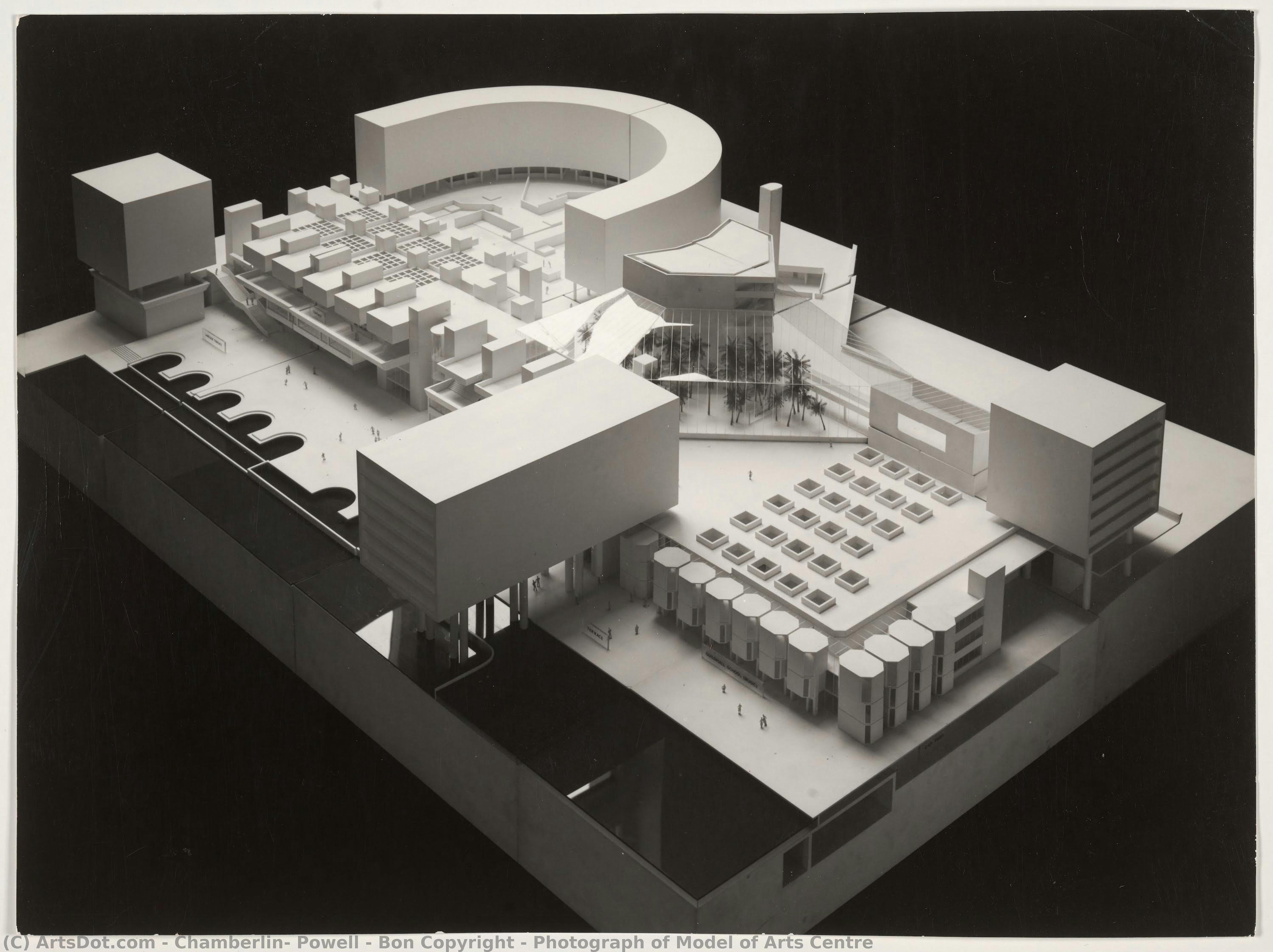
Photograph of Model of Arts Centre

 Pročitaj više
Kupite digitalnu sliku visoke rezolucije i poboljšanog kvaliteta, koja je znatno superiornija od onoga što vidite u online prikazu.
Svaka datoteka je pedantno pripremljena od strane naših stručnjaka koristeći napredne alate i profesionalnu ručnu retušu. Osiguravamo da svaka slika ima izuzetnu oštrinu, preciznu reprodukciju boja i fine detalje.
Konačna datoteka se dostavlja putem e-pošte u roku od 72 sata, optimizovana za neposrednu upotrebu u profesionalnim, izdavačkim i štamparskim okruženjima. To je isti kvalitet kojem veruju vrhunski studiji dizajna, izdavači i galerije.
Digitalna slika
Preuzmite datoteku visoke rezolucije za ličnu upotrebu, štampanje i kreativne projekte. ( Kupi print Kupi ručno naslikanu sliku)
Uključeno uz svaku porudžbinu digitalne slike
Profesionalna digitalna isporuka, zagarantovana
Kada odaberete ArtsDot.com, ne dobijate samo sliku – vi primate profesionalno unapređeno digitalno umetničko delo, izrađeno sa najvećom preciznošću i uz garanciju zadovoljstva. Evo svega što automatski dolazi uz vašu porudžbinu:

Brza dostava putem e-pošte
Vaša digitalna slika visoke rezolucije biće vam poslata putem e-pošte u roku od 72 sata od poručivanja – spremna za trenutnu upotrebu.

Digitalna datoteka unapređena veštačkom inteligencijom
Vaše umetničko delo je profesionalno optimizovano korišćenjem naprednih AI alata i ručne obrade, čime se osiguravaju maksimalni detalji, oštrina i preciznost boja.

Besplatna ponovna isporuka doživotno
Slučajno ste obrisali ili izgubili svoju datoteku? Ne brinite – poslaćemo vam je ponovo u bilo kom trenutku, potpuno besplatno.

Bez troškova uvoza – zauvek
Uživajte u svojim umetničkim delima trenutno, bez carine, dažbina ili troškova dostave – digitalni download je uvek bez poreza.

Garancija vernosti boja
Uz pomoć profesionalnih alata i upravljanja bojama, osiguravamo da vaša digitalna slika što vernije odražava originalne boje.

Garancija zadovoljstva u roku od 60 dana
Ako niste zadovoljni svojom digitalnom slikom, revidirat ćemo je ili vratiti 100% novca u roku od 60 dana – bez ikakvih pitanja.

100% garancija povrata novca
Niste zadovoljni? Obezbedite pun povrat novca u roku od 60 dana od trenutka kada ste primili svoju digitalnu datoteku – bez suvišnih pitanja.

Popusti na velike porudžbine
Kupite 3 slike, uštedite 10% - Kupite 5 slika, uštedite 15% - Kupite 10+ slika, uštedite 20%. Odlično za kreativne projekte, galerije i agencije.
Srodna umetnička dela








Biografija umetnika
The Visionaries of Brutalist Utopias: Chamberlin, Powell & Bon
Chamberlin, Powell and Bon were a British architectural firm whose impact on the post-war landscape—particularly in London—remains profoundly visible today. Founded in 1952 by Geoffry Powell, Peter “Joe” Chamberlin, and Christoph Bon, their story is one of ambitious ideals, collaborative spirit, and ultimately, a complex legacy shaped by both acclaim and controversy. The firm emerged from the rubble of World War II with a determination to rebuild not just structures, but communities, embracing modernist principles and a belief in the power of architecture to improve lives.
The genesis of Chamberlin, Powell & Bon is inextricably linked to the 1951 competition for the Golden Lane Estate. Geoffry Powell’s winning design served as the catalyst for their partnership; an agreement forged at Kingston School of Art stipulated that should any of the three lecturers secure victory, they would unite to realize the project. This initial commission proved pivotal, establishing a foundation built on shared vision and a commitment to innovative housing solutions. Golden Lane, with its carefully planned landscape balancing formal geometry and picturesque elements, became known as their “apprentice piece,” demonstrating an early mastery of integrating architecture with urban life.
From Golden Lane to the Barbican: A Defining Project
The success of Golden Lane propelled Chamberlin, Powell & Bon into the spotlight, culminating in their most celebrated—and debated—achievement: the Barbican Estate. Commissioned by the Corporation of the City of London, this sprawling complex represented a monumental undertaking – a complete reimagining of a 14-hectare swathe of bomb-damaged land. The scale was unprecedented, encompassing over 2000 flats, cultural venues, and public spaces. Their design embraced Brutalist aesthetics—raw concrete, modular forms, and an emphasis on functionality—reflecting the prevailing architectural trends of the era.
The Barbican wasn’t merely a housing project; it was intended as a self-contained community, a ‘city within a city.’ The architects envisioned a vibrant social ecosystem, fostering interaction through communal gardens, elevated walkways, and dedicated arts facilities. However, this utopian vision faced immediate criticism. Its imposing concrete structures were often perceived as cold and alienating, clashing with the historic fabric of London. Initial public reception was lukewarm, and the estate became synonymous with architectural controversy.
Influences and a Collaborative Ethos
The firm’s design philosophy drew heavily from the work of Le Corbusier, whose modernist principles—particularly his emphasis on functionalism and urban planning—were deeply influential. However, Chamberlin, Powell & Bon weren't simply imitators. They sought to adapt these ideas to the specific context of post-war Britain, prioritizing community needs and a sense of human scale within their large-scale projects.
Central to their success was a collaborative ethos. Each partner brought unique strengths to the table: Chamberlin served as the public face of the practice, adept at articulating their vision; Powell possessed a forward-thinking approach to design; and Bon contributed a refined aesthetic sensibility honed through his European experiences. This synergy allowed them to navigate complex challenges and deliver ambitious projects.
Later Works and Lasting Significance
Beyond Golden Lane and the Barbican, Chamberlin, Powell & Bon left their mark on several other significant buildings, including the Bousfield School in Kensington and New Hall, Cambridge (both now listed). They also undertook a comprehensive reconstruction of the campus at Leeds University, implementing a progressive masterplan that seamlessly integrated the university with the city center. These projects demonstrate a consistent commitment to creating modern urban architecture characterized by power, conviction, and sensitivity to its surroundings.
Despite facing criticism throughout their careers, Chamberlin, Powell & Bon’s work has experienced a remarkable resurgence in recent years. The Barbican, once derided as an architectural failure, is now celebrated as a landmark of Brutalist design and a thriving cultural hub. Their buildings stand as testaments to a bold vision of post-war reconstruction—a vision that continues to inspire debate and shape our understanding of urban life. The firm’s archives, preserved at the Royal Institute of British Architects, offer invaluable insights into their creative process and enduring legacy.
Kratke činjenice
- Artistic Movement Or Style: Brutalism
- Artists Who Influenced This Artist: ['Le Corbusier']
- Date Of Death: Living
- Full Name: Chamberlin, Powell & Bon Copyright
- Nationality: British
- Notable Artworks:
- Barbican Estate
- Golden Lane Estate
- Leeds University campus

