

 Pregledaj u prostoru
 Pošalji
 Podeli
 Detalji o delu

 Преузми
 Slični predmeti
 Rendgenski snimak
 Slajdovi
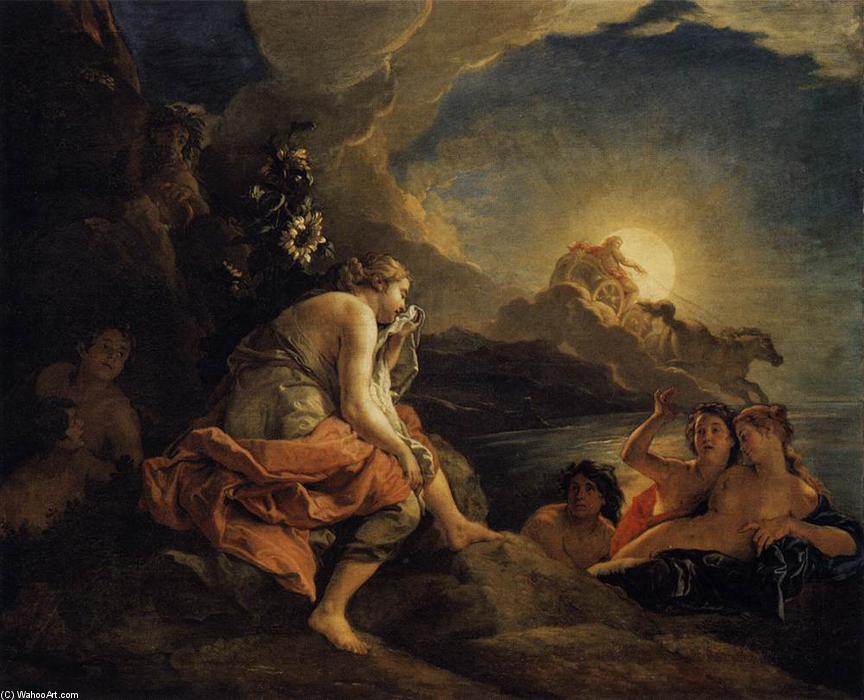
Clytie Transformed into a Sunflower
 Oil On Canvas
- WallArt
- Baroque Grandeur
 1688
1688- Renaissance
 131.0 x 159.0 cm
 Grand Trianon
 Pročitaj više
Ručno rađena uljana reprodukcija
Ručno oslikano uljanim bojama na platnu u dimenzijama i okviru po vašem izboru, izrađeno po porudžbini od strane naših umetnika. ( Kupi print Kupi digitalnu sliku)




P118B $10

P118H $10

P118W $10

P438Z $10

P508JH $12

P508YH $12

P805H $10

P805Z $10

P919BZ $10

P919G $10

P919XJ $10

P959ZH $10

P968JZ $12

W106C $8

W218G $10

W218JH $8

W218Y $10

W307PJ $10

W316G $10

W316PJ $8

W316Y $10

W398PJ $8

W4111J $10

W500HY $15

W500JH $15

W692G $12

W849H $8

W940BG $15

W953PJ $8




Izaberite jednu od naših unapred definisanih veličina koje odgovaraju originalnim proporcijama umetničkog dela.

Можете унети сопствене димензије како бисте прилагодили дело одређеном оквиру или простору. Ако одабрана величина не одговара пропорцијама оригинала, слика ће бити исечена или проширена додатним елементима који се ручно насликавају. Дигитални prikaz ће вам бити послат на одобрење пре почетка производње.
Имајте на уму да преглед на екрану не одражава стварно исецање или проширење. Само приказ (mockup) ће тачно приказати коначну композицију.
Иако су доступне прилагођене величине, препоручујемо да одаберете димензију из дефинисане листе како бисте сачували оригиналне пропорције.
Nakon narudžbine, tim ArtsDot.com će klijentu putem e-pošte poslati uputstva i dostaviti prikaz predloženog rešenja
Isporuka širom sveta () za 3/4 nedelje umesto uobičajenih 5 nedelja. (5 септембар). Bez kompromisa po pitanju kvaliteta.

Besplatna ekspresna dostava širom sveta

Visokokvalitetno laneno platno

Kompletno osiguranje transporta

Garancija povraćaja carine i uvoznih dažbina

Garancija vernosti boja

Politika povrata u roku od 60 dana (samo u slučaju nedostataka)

Garancija povrata novca od 100%

Popust pri grupnoj kupovini
 Opcija sa staklom dostupna je samo za dimenzije manje od 110 cm

Clytie Transformed into a Sunflower
Tehnika reprodukcije
Dimenzije reprodukcije
-


Konačna cena
$ 263
Charles de La Fosse’s “Clytie Transformed into a Sunflower”: A Study in Baroque Grace
The painting "Clytie Transformed into a Sunflower," executed by Charles de La Fosse in 1688, stands as a testament to the burgeoning Rococo style's subtle influence on the artistic sensibilities of Louis XIV’s court. While firmly rooted in Classical foundations – mirroring La Fosse’s training under the tutelage of Charles Le Brun – the artwork possesses an ethereal quality that anticipates the decorative exuberance characteristic of its era, marking it as a pivotal piece within French Baroque art history.Subject Matter and Mythological Narrative
At its core lies a captivating depiction of myth—specifically, the tale of Clytie, Apollo’s rejected lover. The painting portrays Clytie seated upon a rocky outcrop, her gaze directed towards the horizon, embodying both sorrow and acceptance. Surrounding her are figures representing Apollo and Leucothea, symbolizing the tragic love affair that culminated in Clytie's demise and transformation into the sunflower—a plant perpetually turning its face toward the sun, mirroring her unwavering devotion to Apollo despite his abandonment. This narrative choice wasn’t merely decorative; it served as a conduit for exploring themes of loss, perseverance, and ultimately, transcendence. La Fosse skillfully captured the emotional intensity of the myth, conveying Clytie's poignant yearning through nuanced facial expressions and posture.Technique and Artistic Style
La Fosse employed oil paint on canvas—a technique prevalent during his time—to achieve remarkable luminosity and textural detail. The artist’s meticulous brushwork contributes to a velvety surface finish that enhances the painting’s visual richness. Notably, La Fosse subtly departed from the rigid formalism of Classical art, favoring softer contours and delicate color palettes typical of Rococo aesthetics. This stylistic shift is evident in the muted hues employed—primarily yellows and greens—which evoke the warmth of sunlight and the vibrancy of nature. The artist's masterful use of chiaroscuro – dramatic contrasts between light and shadow – further emphasizes Clytie’s figure, drawing attention to her expressive gaze and conveying a sense of solemn beauty.Historical Context: Versailles and Artistic Patronage
“Clytie Transformed into a Sunflower” was created during Louis XIV's reign—a period marked by unparalleled artistic patronage and the establishment of Académie des Beaux-Arts as a cornerstone of French cultural prestige. La Fosse’s commission for the Grand Trianon, alongside other ambitious projects undertaken to embellish Versailles, exemplifies the royal court’s commitment to elevating art as a tool for glorifying monarchy and disseminating humanist ideals. The painting reflects the broader artistic trends of the time—a move away from austere grandeur toward refined elegance and an embrace of mythological subjects imbued with psychological depth.Symbolism: Sunflowers and Eternal Devotion
The sunflower itself carries profound symbolic significance, representing unwavering devotion, resilience, and the pursuit of enlightenment. Its constant orientation towards the sun embodies Clytie’s enduring love for Apollo—a love that transcends physical separation and culminates in spiritual transformation. La Fosse's choice to depict Clytie as a sunflower underscores this central theme, elevating the artwork beyond mere narrative representation into a meditation on human emotion and the power of perseverance. The flower’s golden hue symbolizes Apollo’s radiant glory and Clytie’s unwavering faith—a visual metaphor for her acceptance of fate and her transformation into an emblem of enduring beauty.Emotional Impact: Tranquility Amidst Tragedy
Despite its melancholic subject matter, “Clytie Transformed into a Sunflower” exudes a remarkable serenity. La Fosse's skillful composition—characterized by balanced lines and harmonious color relationships—creates a sense of contemplative stillness that invites viewers to contemplate the complexities of love, loss, and spiritual renewal. The painting’s luminous quality contributes to its emotional resonance, conveying a feeling of ethereal grace and capturing the sublime beauty inherent in accepting life’s inevitable hardships. It remains an enduring masterpiece, demonstrating La Fosse's ability to transform myth into visual poetry—a testament to the transformative power of art itself.Srodna umetnička dela
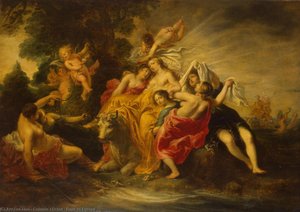
Povezani članci
From Grandeur to Grace: Exploring the Evolution of Baroque & Rococo Art
Explore the captivating evolution from Baroque's drama to Rococo's grace! Discover key artists, characteristics & lasting influence of these art movements with expert insights at ArtsDot.

The Rococo Aesthetic: Opulence, Rebellion & the Pursuit of Pleasure in 18th-Century Art
Explore the opulent world of Rococo art! Discover its origins, key artists like Watteau & Boucher, and lasting influence on design. Expert insights for collectors & enthusiasts.

Rokoko: 10 Remek Dela Koja Su Definisala Eleganciju i Ukus
Otkrijte 10 remek dela koja su definisala rokoko umetnost! Uronite u svet Boucher-a, Watteau-a i Fragonarda. Istorija, stil i inspiracija za vaš dom. Kvalitetne reprodukcije i kuratorski odabiri na ArtsDot.com!
The Allure of Elegance in Art: A Historical & Aesthetic Exploration of Refinement & Grace
Explore the exquisite world of Rococo art! Discover its history, masters (Watteau, Boucher & more), and defining elegance. Expert insights for collectors seeking museum-quality reproductions & custom portraits.

Decoding Baroque Grandeur: A Guide to the Drama and Emotion of 17th-Century Art
Explore the breathtaking drama of 17th-century Baroque art. Our expert guide decodes the use of chiaroscuro, emotional intensity, and historical grandeur to help you appreciate and curate timeless masterpieces for your collection.

