

 Pregledaj u prostoru
 Pošalji
 Podeli
 Detalji o delu

 Преузми
 Slični predmeti
 Rendgenski snimak
 Slajdovi
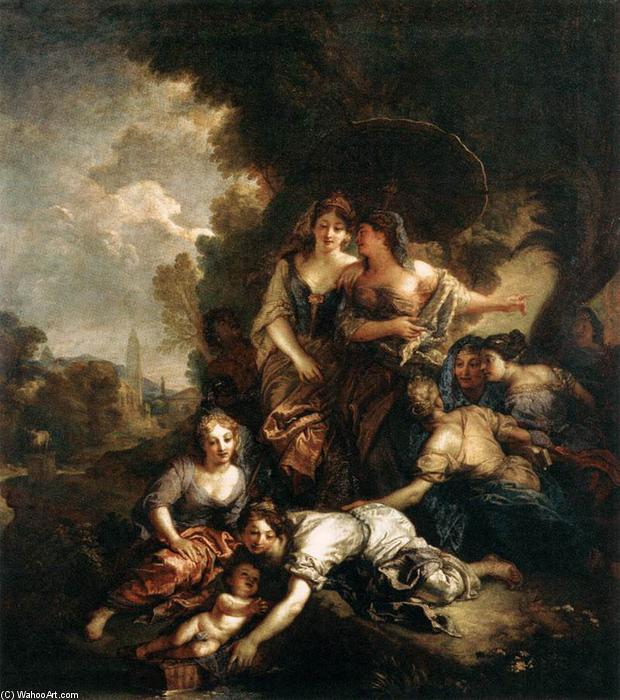
The Finding of Moses
 Oil On Canvas
- WallArt
- Baroque Grandeur
 1675
1675- Early Modern
 125.0 x 110.0 cm
 Louvre
 Pročitaj više
Kupite digitalnu sliku visoke rezolucije i poboljšanog kvaliteta, koja je znatno superiornija od onoga što vidite u online prikazu.
Svaka datoteka je pedantno pripremljena od strane naših stručnjaka koristeći napredne alate i profesionalnu ručnu retušu. Osiguravamo da svaka slika ima izuzetnu oštrinu, preciznu reprodukciju boja i fine detalje.
Konačna datoteka se dostavlja putem e-pošte u roku od 72 sata, optimizovana za neposrednu upotrebu u profesionalnim, izdavačkim i štamparskim okruženjima. To je isti kvalitet kojem veruju vrhunski studiji dizajna, izdavači i galerije.
Digitalna slika
Preuzmite datoteku visoke rezolucije za ličnu upotrebu, štampanje i kreativne projekte. ( Kupi print Kupi ručno naslikanu sliku)
Uključeno uz svaku porudžbinu digitalne slike
Profesionalna digitalna isporuka, zagarantovana
Kada odaberete ArtsDot.com, ne dobijate samo sliku – vi primate profesionalno unapređeno digitalno umetničko delo, izrađeno sa najvećom preciznošću i uz garanciju zadovoljstva. Evo svega što automatski dolazi uz vašu porudžbinu:

Brza dostava putem e-pošte
Vaša digitalna slika visoke rezolucije biće vam poslata putem e-pošte u roku od 72 sata od poručivanja – spremna za trenutnu upotrebu.

Digitalna datoteka unapređena veštačkom inteligencijom
Vaše umetničko delo je profesionalno optimizovano korišćenjem naprednih AI alata i ručne obrade, čime se osiguravaju maksimalni detalji, oštrina i preciznost boja.

Besplatna ponovna isporuka doživotno
Slučajno ste obrisali ili izgubili svoju datoteku? Ne brinite – poslaćemo vam je ponovo u bilo kom trenutku, potpuno besplatno.

Bez troškova uvoza – zauvek
Uživajte u svojim umetničkim delima trenutno, bez carine, dažbina ili troškova dostave – digitalni download je uvek bez poreza.

Garancija vernosti boja
Uz pomoć profesionalnih alata i upravljanja bojama, osiguravamo da vaša digitalna slika što vernije odražava originalne boje.

Garancija zadovoljstva u roku od 60 dana
Ako niste zadovoljni svojom digitalnom slikom, revidirat ćemo je ili vratiti 100% novca u roku od 60 dana – bez ikakvih pitanja.

100% garancija povrata novca
Niste zadovoljni? Obezbedite pun povrat novca u roku od 60 dana od trenutka kada ste primili svoju digitalnu datoteku – bez suvišnih pitanja.

Popusti na velike porudžbine
Kupite 3 slike, uštedite 10% - Kupite 5 slika, uštedite 15% - Kupite 10+ slika, uštedite 20%. Odlično za kreativne projekte, galerije i agencije.
Opis kolekcionarskog dela
The Legacy of Baroque Light: An Exploration of Charles de La Fosse’s “The Finding of Moses”
Charles de La Fosse's "The Finding of Moses," completed in 1701, stands as a testament to the evolving spirit of French Baroque painting—a subtle departure from its more austere predecessors while retaining the grandeur and emotional intensity characteristic of Louis XIV’s court. Commissioned for the opulent billiards room at Versailles, this monumental canvas offers a glimpse into the artistic sensibilities of an era grappling with both classical ideals and burgeoning Rococo influences.A Synthesis of Classical Form and Baroque Emotion
La Fosse's training under Charles Le Brun instilled in him a profound understanding of disegno—the meticulous rendering of form—a cornerstone of Renaissance art that continued to inform his approach throughout his career. However, unlike many artists of his time who adhered strictly to academic dogma, La Fosse demonstrated an openness to experimentation, anticipating the decorative exuberance of the Rococo style. This duality is palpable in “The Finding of Moses,” where idealized figures—representing Mary and Joseph—are bathed in a luminous glow that transcends mere realism. The diffused light creates an atmosphere of serenity and reverence, mirroring the biblical narrative itself: the miraculous discovery of Moses as a babe amidst the reeds of the Nile.Technique and Material Considerations
The painting employs oil paint on canvas—a technique perfected during the Baroque period—allowing for rich color saturation and subtle gradations of tone. La Fosse skillfully utilized glazing techniques, applying thin layers of translucent pigment over thicker undercoats to achieve remarkable depth and luminosity. Careful attention was paid to textural detail, particularly in depicting the drapery of Mary’s gown, which cascades gracefully around her form, conveying a sense of movement and elegance. The artist's meticulous brushwork contributes significantly to the overall impression of polished refinement—a hallmark of Versailles art.Symbolism Within Sacred Narrative
Beyond its technical prowess, “The Finding of Moses” is laden with symbolic significance. Mary embodies humility and piety, while Joseph represents steadfast devotion. The setting—a stylized garden reminiscent of biblical Palestine—underscores the sanctity of the event depicted. Furthermore, the radiant light emanating from above symbolizes divine grace and illuminates the figures’ spiritual essence. These elements resonate deeply within the viewer's consciousness, evoking feelings of compassion and wonder—qualities that were deliberately cultivated by Louis XIV to inspire awe and reinforce royal authority.A Window into Artistic Transformation
“The Finding of Moses” exemplifies the gradual shift from Baroque solemnity toward Rococo frivolity. Yet, La Fosse’s masterful execution ensures that this transition is not jarring but rather seamless—a continuation of artistic tradition infused with a newfound lightness of touch. It remains an enduring masterpiece, captivating audiences centuries later with its luminous beauty and profound spiritual contemplation—a poignant reminder of the transformative power of art to transcend time and communicate universal truths.- Artist: Charles de La Fosse
- Year: 1701
- Location: Versailles, France
Srodna umetnička dela







Biografija umetnika
A Master of French Baroque: The Life and Art of Charles de La Fosse
Charles de La Fosse, born in Paris in 1636, emerged as a pivotal figure in the flourishing world of French Baroque painting. While details surrounding his early life remain somewhat elusive, it is widely believed that he received formative training within the atelier of Charles Le Brun, a dominant force in establishing the Académie des Beaux-Arts and shaping the artistic landscape of Louis XIV’s court. This foundational education instilled in La Fosse a dedication to classical principles and a mastery of draftsmanship, qualities that would define his career. However, unlike some contemporaries who remained rigidly bound by academic convention, La Fosse demonstrated an evolving sensibility, subtly anticipating the graceful lightness of the Rococo style that would soon follow.From Classical Foundations to Baroque Grandeur
La Fosse’s artistic development was profoundly influenced by his travels throughout Italy between 1658 and 1663. Immersing himself in the art of Rome and Venice, he absorbed the dramatic energy of Italian Baroque masters like Pietro da Cortona, while simultaneously being captivated by the luminous color palettes and atmospheric effects achieved by Venetian painters such as Veronese and Correggio. This exposure broadened his artistic horizons, infusing his work with a newfound vibrancy and emotional depth. Upon returning to France, La Fosse quickly established himself as a sought-after decorator, contributing significantly to the opulent interiors of Versailles and other prominent residences. His diploma piece for the Royal Academy in 1673, *The Rape of Proserpine*, showcased his technical prowess and narrative skill, solidifying his reputation among the artistic elite. The painting exemplifies his ability to blend classical mythology with a dynamic Baroque sensibility, employing dramatic lighting and expressive figures to convey a powerful emotional impact.A Transatlantic Commission and Parisian Triumph
In 1689, La Fosse received a prestigious commission from the Duke of Montagu to decorate Montagu House in London. This undertaking led to two extended stays in England, where he collaborated with other prominent French artists like Jacques Rousseau and Jean-Baptiste Monnoyer. Though the decorations of Montagu House were sadly lost to time, this period demonstrates La Fosse’s international recognition and his ability to adapt his style to diverse architectural settings. Upon his return to Paris, he embarked on what is arguably his most celebrated achievement: the decoration of the dome and pendentives of the Church of Les Invalides between 1702 and 1704. This monumental project showcased La Fosse’s mastery of illusionistic painting, creating a breathtaking celestial scene that continues to inspire awe today. The work at Les Invalides marks a turning point in his style, hinting at the lighter, more ethereal qualities that would characterize Rococo art.Legacy and Influence
Charles de La Fosse died in Paris in 1716, leaving behind a legacy as one of the most important French painters of his era. His work bridged the gap between the grandeur of High Baroque and the delicate elegance of Rococo, influencing generations of artists who followed. While deeply rooted in classical tradition, he possessed an innovative spirit that allowed him to experiment with color, light, and composition, paving the way for new artistic expressions. His ability to infuse historical and allegorical subjects with emotional resonance, coupled with his technical brilliance, cemented his place as a master of French painting. Today, La Fosse’s works can be found in prestigious collections such as the Louvre Museum in Paris, offering viewers a glimpse into the splendor of 17th-century France and the enduring power of Baroque art. His paintings continue to captivate with their dramatic flair, masterful technique, and subtle foreshadowing of the artistic revolution that was about to unfold. Exploring his oeuvre provides invaluable insight into the evolution of French painting, revealing a talent that seamlessly blended tradition and innovation.
Charles de La Fosse
1636 - 1716

