

 Pregledaj u prostoru
 Pošalji
 Podeli
 Detalji o delu

 Преузми
 Slični predmeti
 Rendgenski snimak
 Slajdovi
Dieppe


 Pročitaj više
Ručno rađena uljana reprodukcija
Ručno oslikano uljanim bojama na platnu u dimenzijama i okviru po vašem izboru, izrađeno po porudžbini od strane naših umetnika. ( Kupi print Kupi digitalnu sliku)




P118B $10

P118H $10

P118W $10

P438Z $10

P508JH $12

P508YH $12

P805H $10

P805Z $10

P919BZ $10

P919G $10

P919XJ $10

P959ZH $10

P968JZ $12

W106C $8

W218G $10

W218JH $8

W218Y $10

W307PJ $10

W316G $10

W316PJ $8

W316Y $10

W398PJ $8

W4111J $10

W500HY $15

W500JH $15

W692G $12

W849H $8

W940BG $15

W953PJ $8




Izaberite jednu od naših unapred definisanih veličina koje odgovaraju originalnim proporcijama umetničkog dela.

Можете унети сопствене димензије како бисте прилагодили дело одређеном оквиру или простору. Ако одабрана величина не одговара пропорцијама оригинала, слика ће бити исечена или проширена додатним елементима који се ручно насликавају. Дигитални prikaz ће вам бити послат на одобрење пре почетка производње.
Имајте на уму да преглед на екрану не одражава стварно исецање или проширење. Само приказ (mockup) ће тачно приказати коначну композицију.
Иако су доступне прилагођене величине, препоручујемо да одаберете димензију из дефинисане листе како бисте сачували оригиналне пропорције.
Nakon narudžbine, tim ArtsDot.com će klijentu putem e-pošte poslati uputstva i dostaviti prikaz predloženog rešenja
Isporuka širom sveta () za 3/4 nedelje umesto uobičajenih 5 nedelja. (20 август). Bez kompromisa po pitanju kvaliteta.

Besplatna ekspresna dostava širom sveta

Visokokvalitetno laneno platno

Kompletno osiguranje transporta

Garancija povraćaja carine i uvoznih dažbina

Garancija vernosti boja

Politika povrata u roku od 60 dana (samo u slučaju nedostataka)

Garancija povrata novca od 100%

Popust pri grupnoj kupovini
 Opcija sa staklom dostupna je samo za dimenzije manje od 110 cm

Dieppe
Tehnika reprodukcije
Dimenzije reprodukcije
-


Konačna cena
$ 288
Opis umetničkog dela
The Scene Unfolds: A Seaside Moment Captured
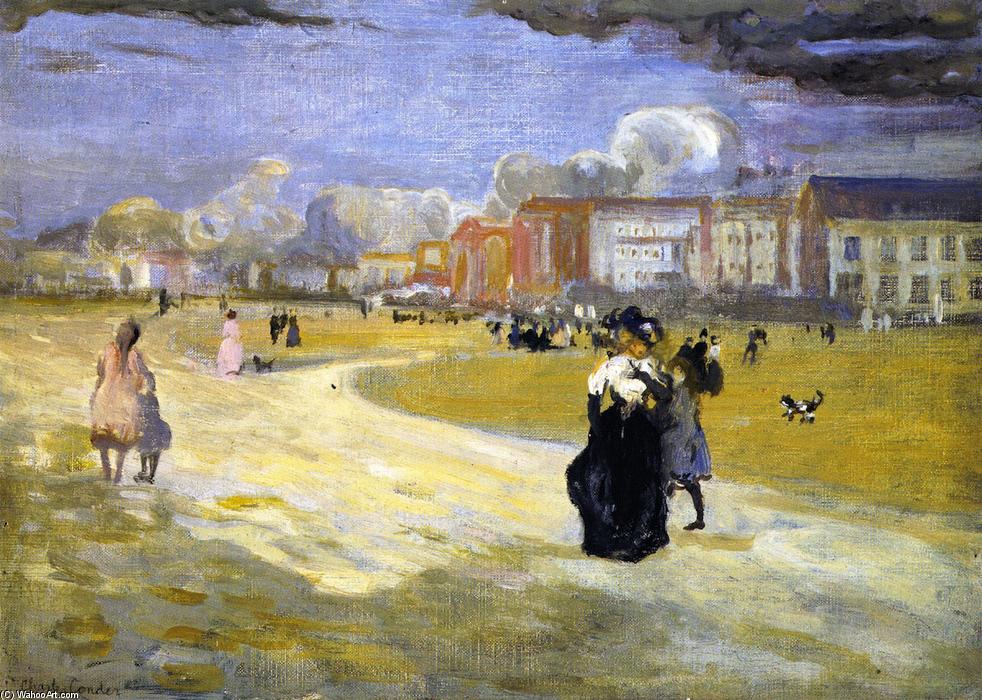
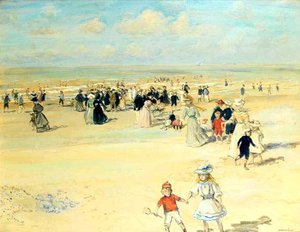
Charles Edward Conder’s “Dieppe,” painted in 1895, isn't merely a depiction of a coastal scene; it’s an immersion into a fleeting moment of tranquility and observation. The canvas breathes with the muted palette of a late afternoon – a symphony of blues deepening towards the horizon, punctuated by the warm ochres and yellows of the sand and distant buildings. The composition immediately draws the eye along a gentle diagonal path created by the sandy track leading toward the figures strolling along the beach. This isn’t a dramatic seascape; rather, it's an invitation to pause, to contemplate the quiet rhythm of daily life unfolding against the vastness of the sea.
The subject matter itself is deceptively simple: a group of people enjoying a seaside walk. Yet Conder elevates this commonplace activity through his masterful use of Impressionistic techniques. He’s less concerned with precise representation and more interested in capturing the *feeling* of the scene – the diffused light, the sense of warmth, the subtle interplay of color and texture. The figures are rendered with loose brushstrokes, their forms dissolving into the atmosphere, suggesting a momentary impression rather than a detailed portrait.
Impressionistic Techniques: A Dance of Light and Color
Conder’s approach is deeply rooted in Impressionism, a movement that sought to capture the subjective experience of light and color. Notice how he employs broken brushstrokes – short, distinct marks applied side-by-side rather than blended smoothly. This creates a shimmering effect, mimicking the way sunlight dances on water and reflects off surfaces. The layering of paint is equally significant; visible texture adds depth and richness to the canvas, inviting the viewer to examine the surface closely.
The color choices are deliberately restrained, contributing to the overall mood of serenity. He avoids bright, saturated hues, opting instead for a harmonious blend of blues, yellows, and browns. This creates a sense of atmospheric perspective – distant elements appear paler and less distinct, reinforcing the feeling of depth and distance. The use of complementary colors—the blue sky contrasted with the warm sand—further enhances the visual interest and vibrancy of the scene.
Historical Context: The Heidelberg School and Australian Modernism
To understand “Dieppe,” it’s crucial to consider Conder's place within the broader context of Australian art. He was a key figure in the Heidelberg School, a group of artists who developed a distinctly Australian style influenced by Impressionism and Post-Impressionism. Based in Melbourne, the Heidelberg School sought to capture the unique landscapes and light conditions of Victoria’s rural areas.
Conder's move to Sydney in 1884 marked a pivotal moment in his career. He quickly established himself as a talented landscape painter, experimenting with new techniques and styles. “Dieppe” reflects this period of artistic exploration, showcasing Conder’s growing mastery of Impressionistic principles while retaining a distinctly Australian sensibility. The painting's subject matter – a seaside scene – resonated deeply with the Heidelberg School’s focus on capturing the beauty of the natural world.
Symbolism and Emotional Resonance: A Moment of Quiet Reflection
Beyond its technical merits, “Dieppe” possesses a subtle yet powerful symbolic resonance. The figures strolling along the beach represent leisure, connection, and the simple pleasures of life. The vast expanse of the sea symbolizes both opportunity and uncertainty – a reminder of the world beyond our immediate surroundings. The painting evokes a sense of quiet contemplation, inviting the viewer to slow down and appreciate the beauty of the present moment.
Ultimately, “Dieppe” is more than just a landscape; it’s a meditation on light, color, and human experience. It's a testament to Conder's artistic vision and his ability to capture the essence of a fleeting scene with remarkable sensitivity and skill. A reproduction of this work offers a beautiful addition to any collection, bringing a touch of Impressionistic serenity into your home.
Srodna umetnička dela
Biografija umetnika
Rano yılları i umetnički put
Charles Edward Conder, britanski slikar, litograf i dizajner, ostavio je neizbrisiv trag u svetu umetnosti. Rođen u Totenhamu, Midleseks, 24. oktobra 1868. godine, njegov rani život obeležila je prerana smrt majke u Indiji, kada je imao svega četiri godine.Umetnička karijera u Australiji
Godine 1884, sa samo šesnaest godina, Konder se preselio u Sidnej u Australiji, gde je radio za svog ujaka kao zemljopisni inženjer. Ipak, ubrzo je otkrio da njegova prava strast nije merenje terena, već njegovo oslikavanje. Do 1ra 1886. godine postao je umetnik za Illustrated Sydney News, radeći rame uz rame sa istaknutim umetnicima kao što su Albert Henry Fullwood i Frank Mahony.Heidelbergska škola i značajna dela
Konderovo remek-delo, Departure of the Orient – Circular Quay (1888), predstavilo je njegovo novo stečeno majstorstvo u obliku i potezu četkice. Ova scena pored luke, koja prikazuje užurbani zaliv u Sidneju, brzo je kupljena od strane Umjetničke galerije Nove Južne Vales, čineći to prvim Konderovim delom koje je ušlo u javnu kolekciju.- A Holiday at Mentone (1888), vedra slika koja prikazuje muškarce i žene kako uživaju na plaži, još je jedan značajan primer njegovog rada.
- Konderova povezanost sa G. P. Nerlijem, putujućim italijanskim slikarom, značajno je uticala na njegov razvoj kao umetnika.
- Njegov doprinos izložbi 9 by 5 Impression u Melburnu, uz Toma Robertsa i Arthura Streetona, učvrstio je njegovo mesto unutar pokreta Heidelbergske škole.
Nasleđe i poznije godine
Konderove poznije godine bile su napaćene lošim zdravljem, uključujući paralizu i epizode delirijuma. Uprkos tome, nastavio je da slika, ostavljajući za sobom nasleđe ključne figure Heidelbergske škole. Njegova umetnost je u Engleskoj bila bolje prihvaćena nego u Parizu, a njegov portret je 1892. godine naslikao sam Henri de Toulouse-Lautrec. Pogledajte Konderova dela u Umjetničkoj galeriji Nove Južne Vales ili istražite više o Heidelbergskoj školi na stranici Charlesa Edwarda Condera na ArtsDot.- Saznajte više o Konderovom životu i delima na Vikipedijinoj stranici o Charlesu Conderu.
- Istražite kolekciju Konderovih slika na ArtsDot, uključujući A Holiday at Mentone (188rente) i Departure of the Orient – Circular Quay (1888), na sajtu ArtsDot.
Zaključak
Uticaj Charlesa Edwarda Condera na australijski impresionizam je neosporan. Njegovo nasleđe, obeleženo očaravajućim slikama i pripadnošću Heidelbergskoj školi, nastavlja da inspiriše ljubitelje umetnosti širom sveta.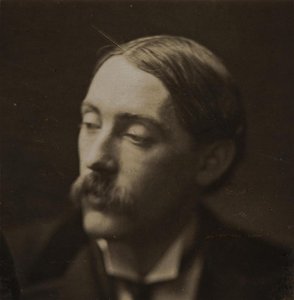
Čarlс Edvards Konder
1868 - 1909 , Ujedinjeno Kraljevstvo
Osnovne informacije
- Artistic Movement Or Style: Heidelberška škola
- Artists Who Influenced This Artist:
- Alfred Daplyn
- Victor Mann
- Julian Ashton
- Date Of Birth: 24. oktobar 1868.
- Full Name: Charles Edward Conder
- Nationality: Britanac
- Notable Artworks:
- Departure of the Orient – Circular Quay
- A holiday at Mentone
- Under The Southern Sun
- Place Of Birth: Tottenham, Ujedinjeno Kraljevstvo
Povezani članci

Beyond the Horizon: 10 Landscape Masterpieces for Your Home Decor
Journey through 10 breathtaking landscape paintings by Monet, Van Gogh & more! Explore iconic artworks, artistic techniques & find inspiration for your home decor. Museum-quality reproductions at ArtsDot.com. Discover all masterpieces on ArtsDot.com

Impressionistic Landscapes: 10 Masterpieces That Changed Art & Decor
Journey into the heart of Impressionism! Explore 10 masterpieces by Monet, Renoir & Degas that revolutionized landscape art. Discover their stories, techniques & find museum-quality reproductions to elevate your home decor on ArtsDot.com.

Impresionistički pejzaži: 10 remek-dela koja su definisala umetnički pokret
Otkrijte 10 remek-dela impresionizma koja su zauvek obeležila pejzažnu umetnost! Monet, Renoar i Degas – istražite priče iza svake slike. Inspiracija za dekoraciju enterijera i vrhunske reprodukcije na ArtsDot.com. Istražite kolekciju online!
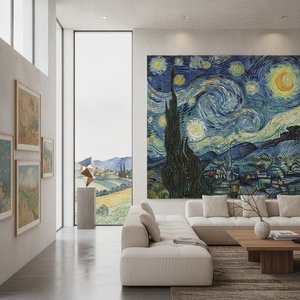
Beyond the Horizon: A Curated Guide to Integrating Post-Impressionist Landscapes into Modern Interiors
Transform your home with the emotive power of Post-Impressionist landscapes. Discover expert tips on selecting hand-painted oil reproductions to create a soulful, vibrant interior that reflects your unique style and connection to nature.

Evocations of Place: A Historical Journey Through Landscape Art
Explore the rich history of landscape art with ArtsDot. Discover renowned artists, movements like Impressionism & Romanticism, and expert guidance for collecting timeless pieces. Find your perfect serene escape today!

