

 Pregledaj u prostoru
 Pošalji
 Podeli
 Detalji o delu

 Преузми
 Slični predmeti
 Rendgenski snimak
 Slajdovi
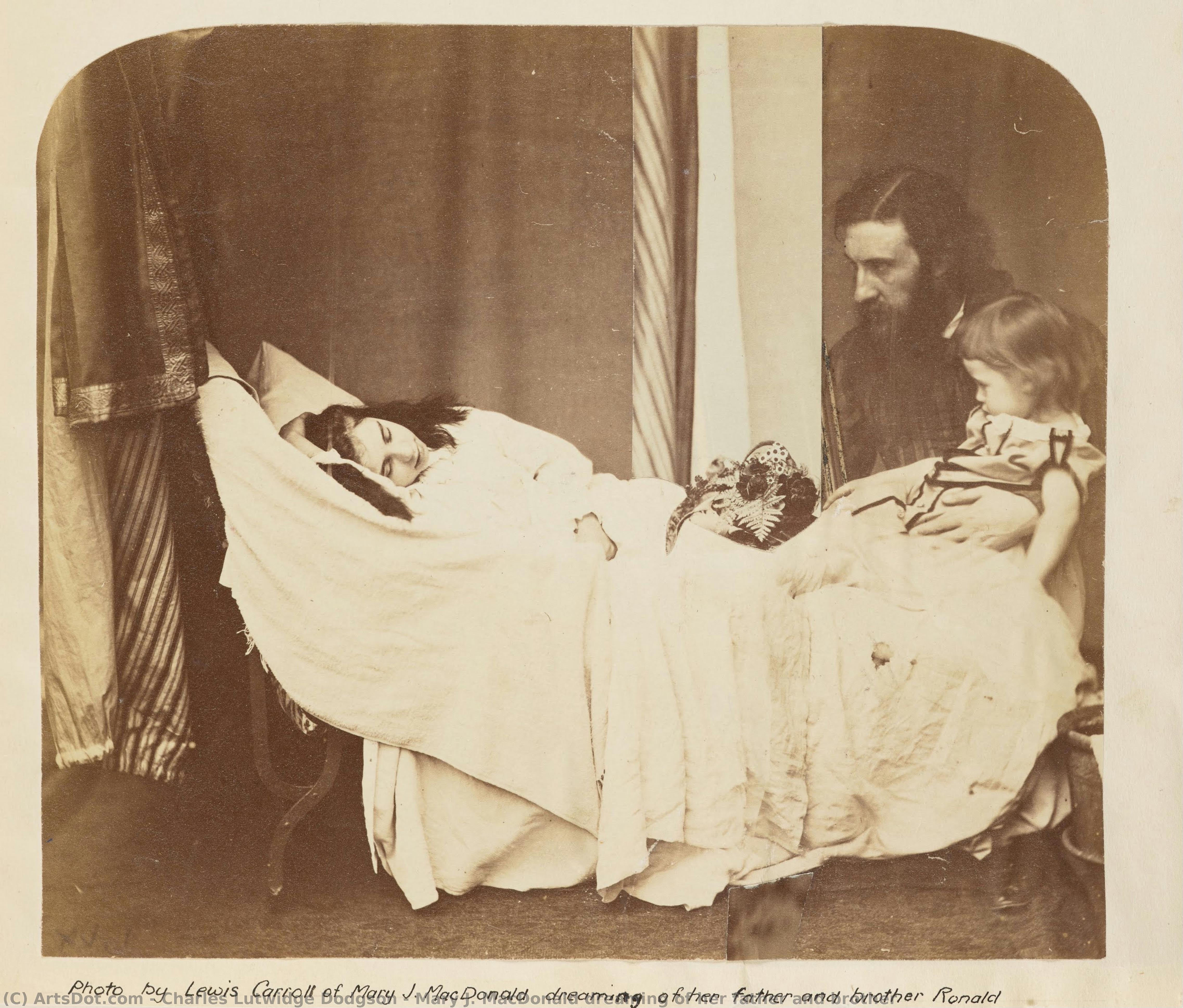
Mary J. MacDonald dreaming of her father and brother


 Pročitaj više
Kupite digitalnu sliku visoke rezolucije i poboljšanog kvaliteta, koja je znatno superiornija od onoga što vidite u online prikazu.
Svaka datoteka je pedantno pripremljena od strane naših stručnjaka koristeći napredne alate i profesionalnu ručnu retušu. Osiguravamo da svaka slika ima izuzetnu oštrinu, preciznu reprodukciju boja i fine detalje.
Konačna datoteka se dostavlja putem e-pošte u roku od 72 sata, optimizovana za neposrednu upotrebu u profesionalnim, izdavačkim i štamparskim okruženjima. To je isti kvalitet kojem veruju vrhunski studiji dizajna, izdavači i galerije.
Digitalna slika
Preuzmite datoteku visoke rezolucije za ličnu upotrebu, štampanje i kreativne projekte. ( Kupi print Kupi ručno naslikanu sliku)
Uključeno uz svaku porudžbinu digitalne slike
Profesionalna digitalna isporuka, zagarantovana
Kada odaberete ArtsDot.com, ne dobijate samo sliku – vi primate profesionalno unapređeno digitalno umetničko delo, izrađeno sa najvećom preciznošću i uz garanciju zadovoljstva. Evo svega što automatski dolazi uz vašu porudžbinu:

Brza dostava putem e-pošte
Vaša digitalna slika visoke rezolucije biće vam poslata putem e-pošte u roku od 72 sata od poručivanja – spremna za trenutnu upotrebu.

Digitalna datoteka unapređena veštačkom inteligencijom
Vaše umetničko delo je profesionalno optimizovano korišćenjem naprednih AI alata i ručne obrade, čime se osiguravaju maksimalni detalji, oštrina i preciznost boja.

Besplatna ponovna isporuka doživotno
Slučajno ste obrisali ili izgubili svoju datoteku? Ne brinite – poslaćemo vam je ponovo u bilo kom trenutku, potpuno besplatno.

Bez troškova uvoza – zauvek
Uživajte u svojim umetničkim delima trenutno, bez carine, dažbina ili troškova dostave – digitalni download je uvek bez poreza.

Garancija vernosti boja
Uz pomoć profesionalnih alata i upravljanja bojama, osiguravamo da vaša digitalna slika što vernije odražava originalne boje.

Garancija zadovoljstva u roku od 60 dana
Ako niste zadovoljni svojom digitalnom slikom, revidirat ćemo je ili vratiti 100% novca u roku od 60 dana – bez ikakvih pitanja.

100% garancija povrata novca
Niste zadovoljni? Obezbedite pun povrat novca u roku od 60 dana od trenutka kada ste primili svoju digitalnu datoteku – bez suvišnih pitanja.

Popusti na velike porudžbine
Kupite 3 slike, uštedite 10% - Kupite 5 slika, uštedite 15% - Kupite 10+ slika, uštedite 20%. Odlično za kreativne projekte, galerije i agencije.
The Genesis of a Masterpiece
Charles Lutwidge Dodgson, better known as Lewis Carroll, was far more than simply the creator of *Alice's Adventures in Wonderland*. A mathematician, logician, photographer, and profoundly observant man, his artistic pursuits extended beyond children’s literature into a surprisingly intimate world of portraiture. “Mary J. MacDonald Dreaming of Her Father,” painted circa 1864 by Dodgson himself, offers a poignant glimpse into this lesser-known facet of his life – a deeply personal meditation on family, memory, and the quiet power of domestic scenes. The painting isn’t merely a depiction of a mother and child; it's a carefully constructed tableau brimming with unspoken narratives and subtle emotional cues, revealing Dodgson’s meticulous attention to detail and his profound understanding of human psychology.
The genesis of this work lies in the close relationship between Dodgson and young Mary J. MacDonald, a student at his school in Daresbury, Cheshire. Dodgson, a devout Anglican clergyman, had taken on Mary as a pupil, and their bond deepened over several years. He was particularly moved by her vivid dreams, which he meticulously documented. “Mary J. MacDonald Dreaming of Her Father” is believed to be based directly on one of these dreams – a scene where the young girl envisions her father, George MacDonald, a renowned Scottish author and Christian minister, returning from his travels. This dream provided Dodgson with an extraordinary opportunity to explore themes of longing, remembrance, and the enduring connection between generations.
A Study in Victorian Realism and Symbolism
Technically, the painting is a remarkable example of mid-Victorian realism, yet it transcends simple representation. Dodgson employed a muted palette dominated by browns, greys, and soft blues – colors that evoke a sense of quiet intimacy and melancholic reflection. The composition is deliberately restrained; the figures are positioned within a modestly furnished room, bathed in diffused light that suggests an evening hour. The details are meticulously rendered: the worn fabric of the bedclothes, the simple wooden chair, the clock on the wall – each element contributes to the painting’s palpable sense of authenticity.
However, beneath this surface realism lie layers of symbolic meaning. The sleeping mother, her face partially obscured by a shawl, embodies maternal love and quiet resignation. Her closed eyes suggest a deep well of emotion, perhaps reflecting on the absence of her husband or simply lost in contemplation. Mary’s posture – curled up beside her mother, clutching a small doll – speaks to childhood innocence and vulnerability. Crucially, the presence of George MacDonald's imagined return is not overtly dramatic; instead, it manifests as a subtle suggestion within the dreamscape—a ghostly impression of his figure hovering near the bed. This ambiguity reinforces the painting’s central theme: the enduring power of memory and the way dreams can bridge the gap between the living and the departed.
The Legacy of a Private Vision
“Mary J. MacDonald Dreaming of Her Father” remained largely unknown for decades, existing primarily as a sketch in Dodgson’s notebooks. It wasn't until 1987 that it was finally exhibited at the Tate Gallery in Liverpool, captivating viewers with its quiet beauty and emotional resonance. The painting offers a rare insight into the private world of a brilliant mind—a testament to Dodgson’s ability to transform personal experiences into works of art that continue to resonate with audiences today.
Reproductions of this poignant image are highly sought after by collectors and interior designers alike, offering a unique opportunity to bring a touch of Victorian introspection and familial warmth into any space. Its understated elegance and profound emotional depth make it more than just a painting; it’s a window into the heart of one of literature's most beloved figures – a man who revealed his artistic soul not through fantastical adventures, but through the quiet beauty of everyday life.
Srodna umetnička dela
Biografija umetnika
A Life Intertwined: Charles Lutwidge Dodgson, Beyond the Looking-Glass
Charles Lutwidge Dodgson, a name often whispered alongside his celebrated pen name, Lewis Carroll, was far more than just the architect of Wonderland. Born on January 27, 1832, in the tranquil Cheshire village of Daresbury, England, his life unfolded as a fascinating tapestry woven with threads of mathematics, logic, photography, and an unparalleled imaginative literary spirit. Dodgson’s early years were steeped in the quietude of rural Victorian England, shaped by a large family and the devout Anglican faith of his parents. This upbringing, while providing a stable foundation, also fostered within him a certain ambivalence towards rigid religious doctrine—a subtle undercurrent that would later find expression in the playful subversion of logic so characteristic of his writing. Homeschooled initially, young Charles displayed an astonishing intellectual precocity, devouring texts like John Bunyan’s *Pilgrim's Progress* at the tender age of seven, hinting at a mind already capable of complex thought and symbolic interpretation.The Dual Pursuit: Mathematics, Photography, and the Seeds of Imagination
Dodgson’s academic path led him to Christ Church College, Oxford University, where he distinguished himself as a promising mathematician. He became a lecturer in mathematics in 1855, a position he held for over two decades, earning respect for his clarity and innovative approach to the subject. However, it wasn't solely within the realm of numbers that Dodgson’s intellect flourished. He was an avid photographer, capturing portraits of Victorian society with a keen eye for detail and composition—a pursuit that honed his observational skills and provided him with visual inspiration. This photographic work offers a compelling glimpse into the era, documenting its fashions, personalities, and social structures. But perhaps most significantly, these seemingly disparate pursuits – mathematics, photography, and observation – converged to nurture the unique imaginative landscape that would give birth to *Alice's Adventures in Wonderland*. The rigorous logic of mathematics provided a framework for playful paradoxes, while his photographic eye instilled a sense of visual precision within the fantastical narratives.The Birth of a Literary Legend: Alice and Beyond
The genesis of *Alice’s Adventures in Wonderland* is well-documented—a story initially conceived to entertain Alice Liddell, the young daughter of the Dean of Christ Church, during a picnic on July 4, 1862. What began as an impromptu tale quickly evolved into a manuscript, and eventually, a literary phenomenon published in 1865. The book’s enduring appeal lies not only in its whimsical characters and nonsensical situations but also in its subtle satire of Victorian society, its exploration of identity, and its playful deconstruction of logic. *Through the Looking-Glass*, published in 1871, further cemented Carroll's reputation as a master of literary nonsense, expanding upon the themes introduced in *Alice* and introducing new layers of philosophical inquiry. Beyond these iconic works, Dodgson continued to write prolifically, producing poems like “Jabberwocky,” celebrated for its inventive language, and *The Hunting of the Snark* (1876), a complex narrative poem that showcases his skill with wordplay and intricate rhyme schemes.A Lasting Legacy: The Enigmatic Polymath
Charles Lutwidge Dodgson passed away on January 14, 1898, in Guildford, Surrey, leaving behind a legacy that continues to captivate and inspire. His contributions extend far beyond the realm of children’s literature; he was a respected mathematician, a pioneering photographer, and a brilliant logician. The enduring popularity of his works speaks to their timeless quality—their ability to resonate with readers of all ages and backgrounds. His influence can be seen in countless works of art, literature, and film, solidifying his place as a true polymath whose intellectual curiosity knew no bounds. Alice’s Adventures in Wonderland remains a cornerstone of English literature, prompting ongoing analysis and interpretation, while Dodgson's mathematical writings continue to be studied by scholars today. He was a man who effortlessly bridged the gap between logic and imagination, leaving an indelible mark on the cultural landscape.Exploring Dodgson’s World Today
For those seeking to delve deeper into the world of Charles Lutwidge Dodgson, numerous resources are available. The Lewis Carroll Society offers a wealth of information about his life and works, while online platforms like ArtsDot provide access to high-quality reproductions of portraits such as Sir Hubert von Herkomer’s depiction of Dodgson himself. Exploring these artistic representations allows us to connect with the man behind the pseudonym, gaining insight into his personality and intellectual depth. Furthermore, examining his photographic collection offers a fascinating window into Victorian England, revealing the world that shaped his imagination. Dodgson's legacy is not merely one of fantastical tales but also of intellectual rigor, artistic innovation, and an enduring celebration of the power of imagination.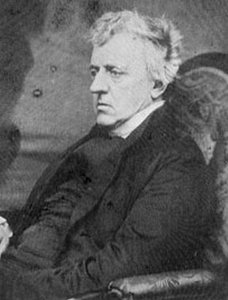
Ljuis Kerol
1832 - 1898 , Ujedinjeno Kraljevstvo
Kratke činjenice
- Datum Rođenja: 27. januar 1832.
- Datum Smrti: 14. januar 1898.
- Mesto Rođenja: Daresbury, Ujedinjeno Kraljevstvo
- Nacionalnost: Britanac
- Puno Ime: Charles Lutwidge Dodgson
- Umetnici Ili Pokreti Koje Je Ovaj Umetnik Uticao: ['Surrealizam']
- Umetnički Pravac Ili Stil: Književni nonsens
- Značajna Dela:
- Alisa u zemlji čuda
- Alisa kroz ogledalo
- Lov na Snarka

