

 Pregledaj u prostoru
 Pošalji
 Podeli
 Detalji o delu

 Преузми
 Slični predmeti
 Rendgenski snimak
 Slajdovi
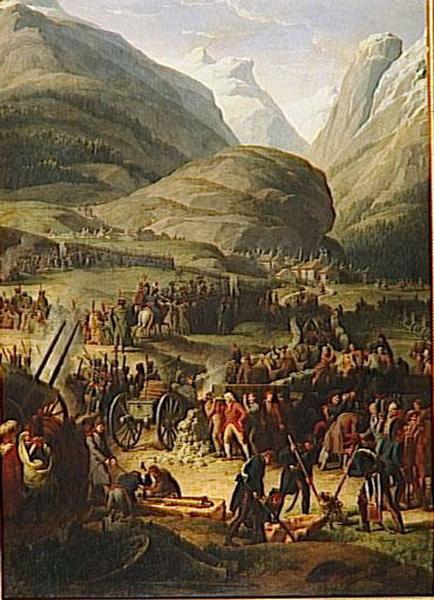
L'ARMEE FRANCAISE TRAVERSE LE GRAND SAINT BERNARD AU BOURG SAINT PIERRE.20 MAI 1800
 Pročitaj više
Ručno rađena uljana reprodukcija
Ručno oslikano uljanim bojama na platnu u dimenzijama i okviru po vašem izboru, izrađeno po porudžbini od strane naših umetnika. ( Kupi print Kupi digitalnu sliku)




































Izaberite jednu od naših unapred definisanih veličina koje odgovaraju originalnim proporcijama umetničkog dela.

Можете унети сопствене димензије како бисте прилагодили дело одређеном оквиру или простору. Ако одабрана величина не одговара пропорцијама оригинала, слика ће бити исечена или проширена додатним елементима који се ручно насликавају. Дигитални prikaz ће вам бити послат на одобрење пре почетка производње.
Имајте на уму да преглед на екрану не одражава стварно исецање или проширење. Само приказ (mockup) ће тачно приказати коначну композицију.
Иако су доступне прилагођене величине, препоручујемо да одаберете димензију из дефинисане листе како бисте сачували оригиналне пропорције.
Nakon narudžbine, tim ArtsDot.com će klijentu putem e-pošte poslati uputstva i dostaviti prikaz predloženog rešenja
Isporuka širom sveta () za 3/4 nedelje umesto uobičajenih 5 nedelja. (27 август). Bez kompromisa po pitanju kvaliteta.

Besplatna ekspresna dostava širom sveta

Visokokvalitetno laneno platno

Kompletno osiguranje transporta

Garancija povraćaja carine i uvoznih dažbina

Garancija vernosti boja

Politika povrata u roku od 60 dana (samo u slučaju nedostataka)

Garancija povrata novca od 100%

Popust pri grupnoj kupovini
 Opcija sa staklom dostupna je samo za dimenzije manje od 110 cm

L'ARMEE FRANCAISE TRAVERSE LE GRAND SAINT BERNARD AU BOURG SAINT PIERRE.20 MAI 1800
Tehnika reprodukcije
Dimenzije reprodukcije
-


Konačna cena
$ 363
Srodna umetnička dela










Biografija umetnika
A Witness to Tumult: The Life and Art of Charles Thévenin
Charles Thévenin, born in Paris in 1764, emerged as a pivotal figure during an era defined by seismic shifts – the French Revolution and the Napoleonic Empire. His canvases weren’t merely depictions of historical events; they were immersive experiences, capturing the fervor, chaos, and ultimately, the heroic narratives that shaped a nation's identity. The son of a court architect, Thévenin was steeped in an environment where artistic expression held considerable value, a foundation upon which he would build his own distinguished career. His formal training at the Académie Royale de Peinture et de Sculpture under François-André Vincent provided him with the rigorous grounding in Neoclassical principles that would become hallmarks of his style: clarity of form, balanced composition, and an unwavering commitment to depicting subjects with a sense of noble grandeur. Early success came with recognition in the prestigious Prix de Rome competition, securing second prize for *Joseph Recognized by his Brothers* in 1789 and then claiming first prize two years later with *Regulus Returns to Carthage*. These early works weren’t simply exercises in academic skill; they demonstrated a burgeoning talent for narrative painting, an ability to translate complex stories into visually compelling scenes brimming with emotional resonance.Painting the Revolution: Thévenin's Rise to Prominence
The outbreak of the French Revolution provided Thévenin with subject matter that would define his artistic trajectory. He didn’t shy away from the dramatic upheaval; instead, he embraced it, seeking to immortalize the pivotal moments on canvas. His *The Taking of the Bastille* (1793) stands as a testament to this commitment. This monumental work wasn't simply a record of an event; it was a visceral portrayal of revolutionary energy – the surging crowds, the determined faces, and the sheer scale of the uprising. The painting sparked considerable debate upon its unveiling, solidifying Thévenin’s reputation not just as a skilled painter but also as one willing to engage with the politically charged atmosphere of the time. It was a bold statement, marking his arrival onto the wider art world stage. This success paved the way for further commissions, most notably a series glorifying Napoleon Bonaparte's military victories, collectively known as *Augereau Arcole*. These paintings weren’t subtle in their praise; they were designed to celebrate Napoleon’s triumphs and reinforce his image as a powerful leader, establishing Thévenin as a leading artist of the Napoleonic period.Grandeur and Precision: The Art of Historical Narrative
Thévenin's mastery lay in his ability to blend historical accuracy with artistic license. He wasn’t merely recreating events; he was interpreting them, imbuing them with a sense of drama and emotional weight. *Napoleon I Receives the Capitulation of General Mack* (1815) exemplifies this skill. The composition is meticulously crafted, drawing the viewer's eye to Napoleon as the central figure, radiating authority and control. The details – the uniforms, the weaponry, the expressions on the faces of those present – are rendered with remarkable precision, lending an air of authenticity to the scene. However, it’s not simply a matter of technical skill; Thévenin understood how to use light, shadow, and color to create a specific mood, enhancing the narrative impact of his work. His paintings functioned as powerful tools for shaping public perception, contributing significantly to the construction of national identity during an era of profound political change. They weren’t just art; they were propaganda, carefully designed to inspire patriotism and loyalty.Legacy and Influence: A Neoclassical Master
Even after the fall of Napoleon, Thévenin remained a respected figure in the French art establishment. He held several prestigious positions, including director of museums and academies, demonstrating his continued influence within artistic circles. While documented interactions are scarce, he had contact with Dominique Ingres during his career, another leading Neoclassical painter of the time. Though their styles differed somewhat – Ingres being known for his meticulous draftsmanship and emphasis on line – both artists shared a commitment to classical ideals and a desire to elevate history painting as a genre. Thévenin’s contributions to the neoclassical movement are undeniable; he helped define its characteristics, demonstrating its capacity to convey complex historical narratives with power and clarity. His works continue to be valued today not only for their artistic merit but also for the insights they offer into a pivotal period in French history. Through platforms like ArtsDot, his legacy endures, allowing audiences worldwide to experience the grandeur and drama of his vision.Exploring Thévenin’s World
- Key Characteristics: Thévenin's style is defined by its Neoclassical rigor – balanced compositions, clear lines, and a focus on anatomical accuracy.
- Major Themes: His work primarily revolves around historical events, particularly those of the French Revolution and Napoleonic era. He frequently depicted scenes of military victory, political upheaval, and heroic sacrifice.
- Influences: He was heavily influenced by his training at the Académie Royale de Peinture et de Sculpture and the principles of Neoclassical art. The works of artists like Jacques-Louis David also likely played a role in shaping his style.
Charles Thévenin
1764 - 1838 , France
Osnovne informacije
- Artistic Movement Or Style: Neoclassical
- Artists Or Movements Influenced By This Artist: ['Neoclassical traditions']
- Artists Who Influenced This Artist: ['François-André Vincent']
- Date Of Birth: July 12, 1764
- Date Of Death: February 28, 1838
- Full Name: Charles Thévenin
- Nationality: French
- Notable Artworks:
- The Taking of the Bastille
- Augereau Arcole
- Napoleon I Receives...
- Regulus Returns to Carthage
- Place Of Birth: Paris, France

