

 Pošalji
 Podeli
 Detalji o delu

 Преузми
 Slični predmeti
 Slajdovi
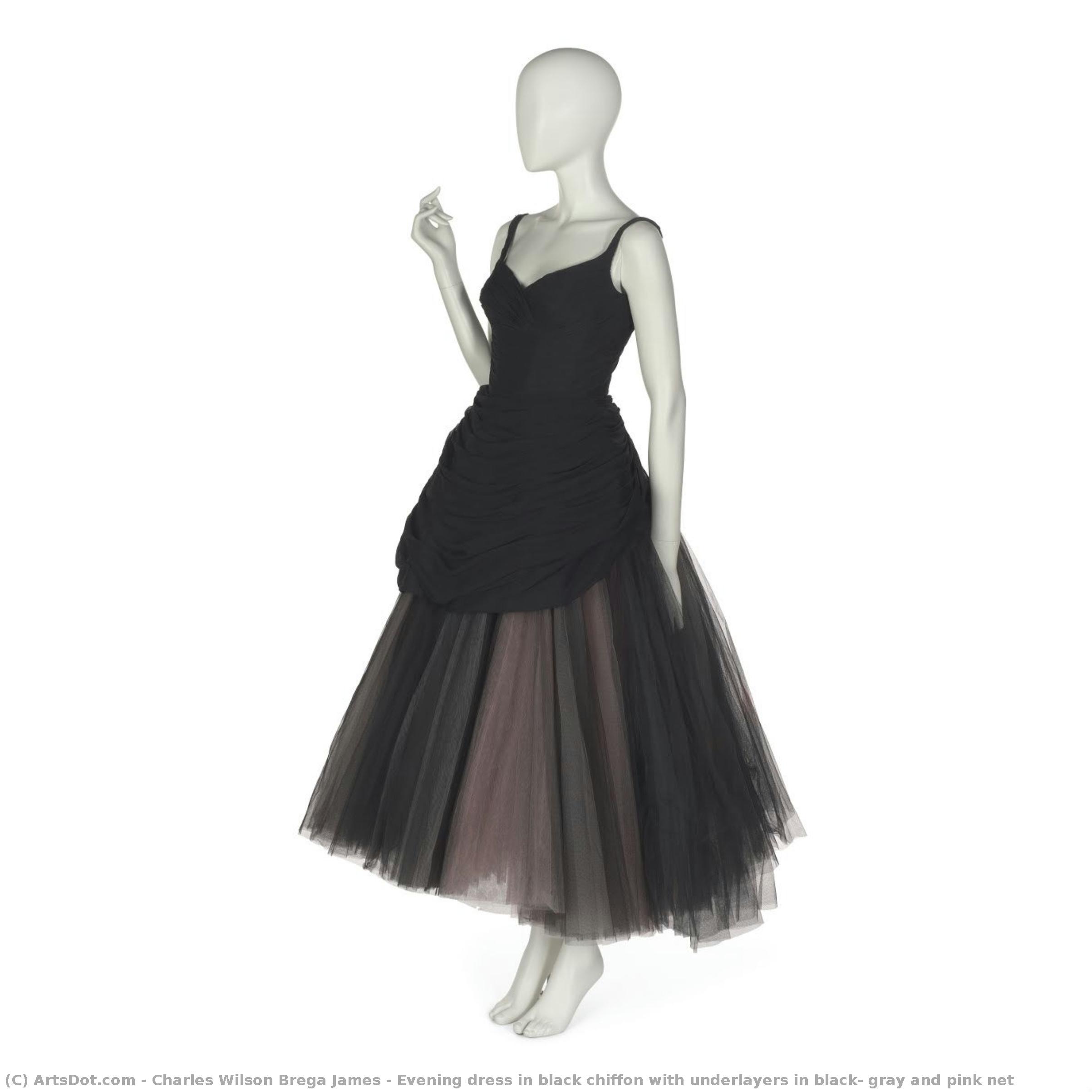
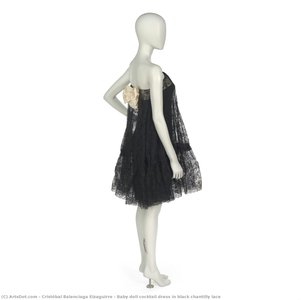
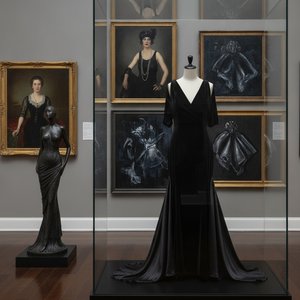
Evening dress in black chiffon with underlayers in black, gray and pink net


 Pročitaj više
Giclee štampa / Umetnički otisak
Giclée štampa ili print na platnu muzejskog kvaliteta uz brzu proizvodnju i fleksibilne opcije završne obrade. ( Kupi ručno naslikanu sliku Kupi digitalnu sliku)




































Izaberite jednu od naših unapred definisanih veličina koje odgovaraju originalnim proporcijama umetničkog dela.

Možete uneti sopstvene dimenzije kako biste umetničko delo prilagodili specifičnom okviru ili prostoru. Ako odabrani format ne odgovara proporcijama originalne slike, mi ćemo ili iscrtati deo dela ili proširiti sliku pomoću ogledane ivice ili jednobojnog popunjavanja. Digitalni prikaz će vam biti poslat na odobrenje pre početka proizvodnje.
Imajte na umu da pregled na ekranu ne odražava stvarno iscrtavanje ili proširivanje. Samo će prikaz (mockup) precizno pokazati finalnu kompoziciju.
Iako su prilagođene dimenzije dostupne, preporučujemo da odaberete dimenziju sa unapred definisane liste kako biste očuvali originalne proporcije.
Dostava širom sveta () za 2 nedelje umesto uobičajenih 4/5 nedelja. (24 август)

Besplatna ekspresna dostava širom sveta

Visokokvalitetno laneno platno

Kompletno osiguranje transporta

Garancija povraćaja carine i uvoznih dažbina

Garancija vernosti boja

Politika povrata u roku od 60 dana (samo u slučaju nedostataka)

Garancija povrata novca od 100%

Popust pri grupnoj kupovini
 Opcija sa staklom dostupna je samo za dimenzije manje od 110 cm

Evening dress in black chiffon with underlayers in black, gray and pink net
Giclee štampa / Umetnički otisak
Dimenzije reprodukcije
-


Konačna cena
$ 62
Opis predmeta
A Moment Frozen in Time: The Elegance of Charles James’ 1959 Chiffon Gown
The year is 1959. Post-war optimism mingled with a burgeoning desire for sophisticated glamour, and within this atmosphere, the American couturier Charles James was reshaping the very notion of evening wear. This exquisite black chiffon gown, now housed in the collection of the Museum of the City of New York, isn’t merely a dress; it's a testament to James’ singular vision – a sculptural exploration of fabric, movement, and the female form. It represents a pivotal moment where fashion transcended mere adornment and became a dynamic, three-dimensional art object.
James, born in England but forging his legacy in America, approached design with the rigor of an architect and the sensitivity of a sculptor. He famously described himself as a “sartorial structural architect,” meticulously calculating every seam, pleat, and drape to achieve a breathtakingly balanced silhouette. This particular gown exemplifies that philosophy perfectly. The foundation is a rich, enveloping black chiffon, chosen for its luxurious fluidity and ability to catch the light with subtle shimmer. Beneath this outer layer lies a complex layering of tulle and net, creating an ethereal depth and volume that defies gravity.
Deconstructing the Form: Technique and Construction
The construction of this dress is nothing short of masterful. The bodice is meticulously boned, providing structure and support while allowing for graceful movement. Notice how the fabric cascades from the shoulders in a dramatic, sweeping apron – a signature element of James’ designs. This isn't simply draped; it’s sculpted, carefully manipulated to create an illusion of weightlessness. The layered net skirt explodes outwards with a bouffant effect, reminiscent of a stylized cloud or a blossoming flower. The use of multiple layers and strategic gathering ensures that the dress appears both voluminous and remarkably light.
Crucially, James employed a technique he termed the “Pavlovian waistband,” designed to expand slightly after a meal – a subtle detail reflecting his understanding of the wearer’s life and movement. The gown is finished with a discreet center-back zipper closure, ensuring both elegance and practicality. The choice of black as the primary color speaks volumes about the era's fascination with sophistication and mystery, while the strategic use of gray and pink net within the layers adds a touch of unexpected delicacy.
Symbolism and the Spirit of an Era
More than just a beautiful garment, this dress embodies the spirit of mid-century America – a time of renewed prosperity, bold design, and a celebration of femininity. James’ creations were often described as “feminine armor,” offering both protection and empowerment to the woman who wore them. The gown's dramatic silhouette conveys confidence and grace, while its luxurious fabrics evoke a sense of opulence and indulgence. It’s a visual embodiment of the glamour associated with Hollywood stars and high society events.
Considering James’ background as a mathematician and his early work in architectural design, it’s not surprising that he approached fashion with such precision and an eye for structure. He sought to elevate clothing beyond mere utility, transforming it into wearable art. This 1959 chiffon gown stands as a powerful example of his genius – a timeless masterpiece that continues to captivate and inspire.
Srodna umetnička dela
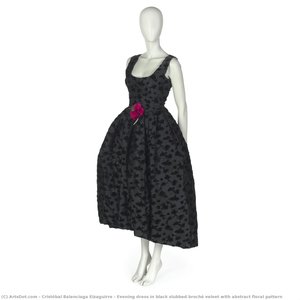
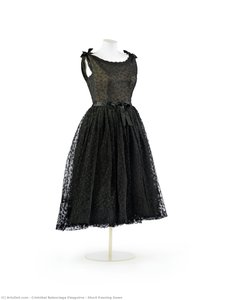
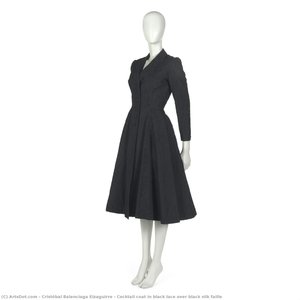
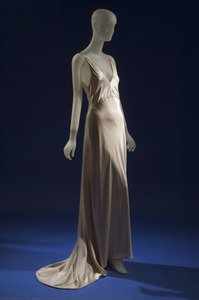
Biografija umetnika
Early Life and Education
- Charles Wilson Brega James was born on July 18, 1906, in Camberley, Surrey, England, to Ralph Ernest Haweis James, a British army officer, and Louise Enders Brega, an American heiress.
- He received his early education at The New Beacon school in Sevenoaks, Kent (1914-1918), followed by a brief period at Harrow School in 1919. At Harrow, he befriended notable figures like Evelyn Waugh, Francis Cyril Rose, and Cecil Beaton.
- James was expelled from Harrow for what was described as a “sexual escapade.” Subsequently, he briefly studied music at the University of Bordeaux, France before relocating to Chicago.
Career Development and Artistic Influences
- In Chicago, James benefited from the patronage of Samuel Insull, a family friend and public utilities magnate. Insull provided him with opportunities to develop mathematical skills that would later prove crucial in his design process.
- At age 19, he opened his first hat shop in Chicago under the pseudonym ‘Charles Boucheron’ due to his father's disapproval of a career in fashion.
- James moved between Chicago, New York, London and Paris throughout the 1930s, establishing himself as a designer. He was influenced by architectural principles and sculptural forms, which became hallmarks of his work.
- He developed relationships with artists such as Salvador Dalí, Gertrude Stein, and Colette, further enriching his creative environment.
Major Works and Design Philosophy
- Charles James is celebrated for his highly structured ballgowns and innovative approach to draping and tailoring. He viewed dressmaking as an architectural pursuit, meticulously crafting garments with complex internal structures.
- Notable works include:
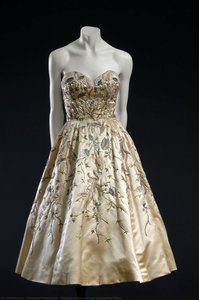
- Strapless Ball Gown in Rose Satin and Grey Taffeta: A masterpiece showcasing his innovative use of fabrics and form, available for viewing on ArtsDot.com.
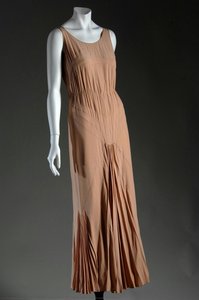
- Coat in Cream and Pale Grey Novelty Basket-Weave Wool: Demonstrating his versatility in design, found within the ArtsDot collection.
- Evening Dress in Black Chiffon with Underlayers: A testament to his skill in layering and textures, also presented on ArtsDot.com.
- The “Clover” gown (1950/1954): Known for its four-lobed skirt construction, it exemplifies James’s architectural approach to fashion.
- His designs often featured intricate seaming techniques and unconventional materials. He was a perfectionist, sometimes spending years perfecting a single garment.
Legacy and Historical Significance
- Charles James’s impact on the world of fashion is undeniable. His designs continue to inspire contemporary designers with their sculptural silhouettes, meticulous construction, and innovative use of materials.
- He is considered one of the most influential American couturiers of the 20th century, bridging the gap between art and fashion.
- Despite facing financial difficulties and a challenging personality, James left behind a legacy of exceptional craftsmanship and artistic vision. His work remains highly sought after by collectors and museums worldwide.
- Resources for further exploration include ArtsDot.com, which offers a dedicated page to his life and works, as well as Wikipedia’s entry on Charles James.
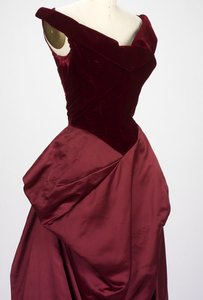
charles wilson brega james
1906 - 1978 , United States of America
Osnovne informacije
- Artistic Movement Or Style: Couture, Sculptural fashion
- Artists Or Movements Influenced By This Artist: ['New generations of designers']
- Date Of Birth: 1906
- Date Of Death: 1978
- Full Name: Charles Wilson Brega James
- Nationality: British-American
- Notable Artworks:
- Strapless ball gown
- Coat in cream wool
- Evening dress in chiffon
- Place Of Birth: Bethlehem, USA
Povezani članci

Džems Abbot MekNil Whistler: 25 Remek-dela Majstora Tonalizma | ArtsDot
Istražite 25 remek-dela Džemsa Abota MekNila Whistler-a! Uronite u svet Tonalizma, portreta i prelepog pejzaža. Kupite vrhunske reprodukcije slika na ArtsDot.com i obogatite svoj enterijer luksuznom umetnošću.

Sir Alfred Munnings' Masterpieces: 25 Paintings That Define Equine Art | ArtsDot
Explore 25 iconic Sir Alfred Munnings paintings! Discover the beauty of British Impressionism, equine art & rural England. Find museum-quality reproductions and elevate your home decor with ArtsDot. Explore the full collection online.

Dark Masterpieces: 10 Iconic Paintings Dominated by Black Tones |
Explore 10 iconic paintings dominated by black tones, from Rembrandt’s chiaroscuro to Goya's dark expressions. Discover the stories behind these masterpieces & find museum-quality art reproductions for your home at .
Timeless Elegance: Unveiling the Chic Allure and Artistic Legacy of Black Dress Artworks
Immerse yourself in the timeless allure of black dress artworks. Explore a curated collection of fine art reproductions and bespoke oil paintings that blend fashion history with modern elegance. Discover how ArtsDot.com transforms memories into exquisite, hand-painted masterpieces.

Mars Black Masterpieces: 10 Iconic Paintings & Timeless Art Decor Ideas
Delve into the power of 'Mars Black' with 10 iconic paintings by masters like Rembrandt & Caravaggio. Explore dramatic chiaroscuro, gothic art, and timeless beauty. Find museum-quality reproductions & elevate your home decor on .

