

 Pošalji
 Podeli
 Detalji o delu

 Преузми
 Slični predmeti
 Slajdovi
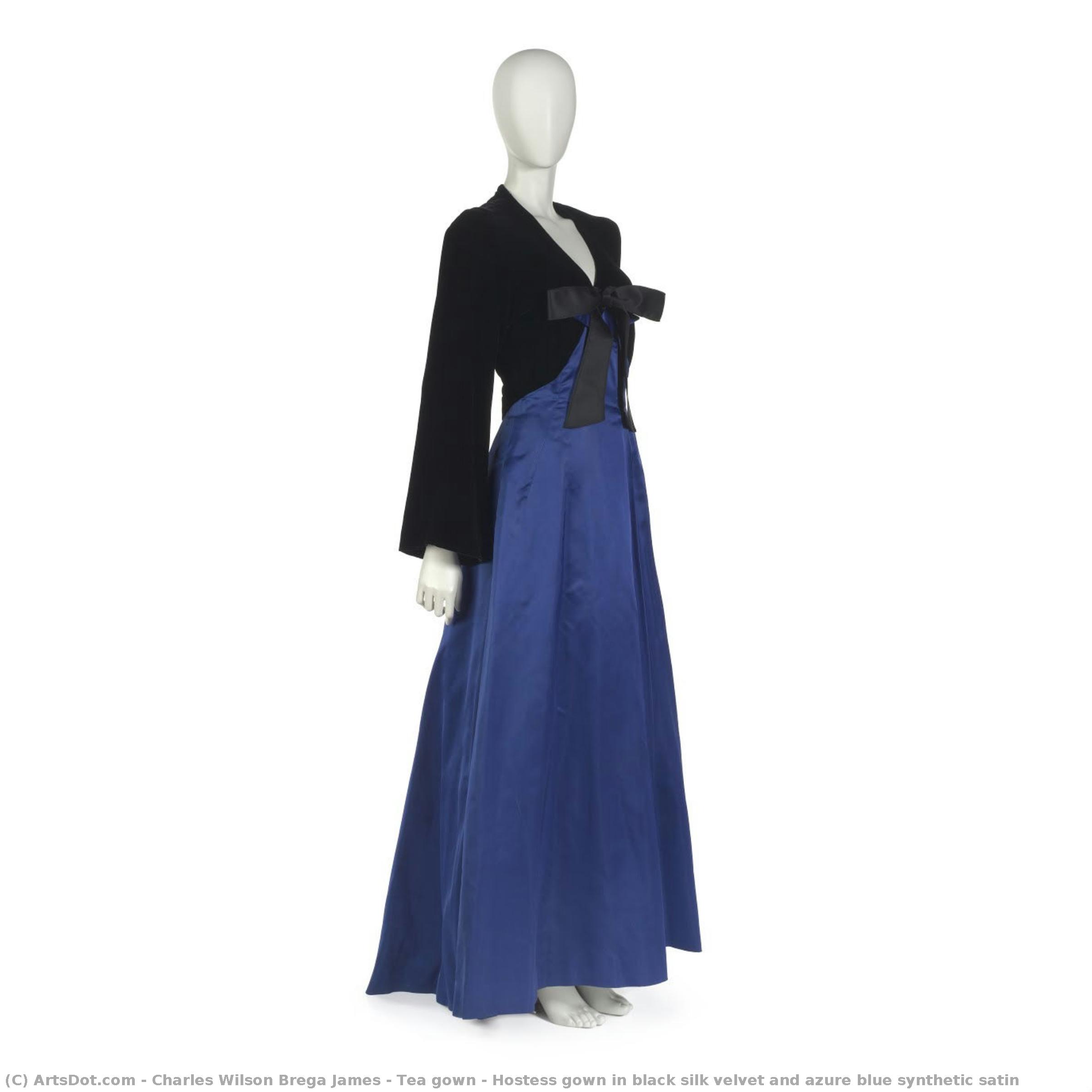
Tea gown - Hostess gown in black silk velvet and azure blue synthetic satin


 Pročitaj više
Giclee štampa / Umetnički otisak
Giclée štampa ili print na platnu muzejskog kvaliteta uz brzu proizvodnju i fleksibilne opcije završne obrade. ( Kupi ručno naslikanu sliku Kupi digitalnu sliku)




































Izaberite jednu od naših unapred definisanih veličina koje odgovaraju originalnim proporcijama umetničkog dela.

Možete uneti sopstvene dimenzije kako biste umetničko delo prilagodili specifičnom okviru ili prostoru. Ako odabrani format ne odgovara proporcijama originalne slike, mi ćemo ili iscrtati deo dela ili proširiti sliku pomoću ogledane ivice ili jednobojnog popunjavanja. Digitalni prikaz će vam biti poslat na odobrenje pre početka proizvodnje.
Imajte na umu da pregled na ekranu ne odražava stvarno iscrtavanje ili proširivanje. Samo će prikaz (mockup) precizno pokazati finalnu kompoziciju.
Iako su prilagođene dimenzije dostupne, preporučujemo da odaberete dimenziju sa unapred definisane liste kako biste očuvali originalne proporcije.
Dostava širom sveta () za 2 nedelje umesto uobičajenih 4/5 nedelja. (1 септембар)

Besplatna ekspresna dostava širom sveta

Visokokvalitetno laneno platno

Kompletno osiguranje transporta

Garancija povraćaja carine i uvoznih dažbina

Garancija vernosti boja

Politika povrata u roku od 60 dana (samo u slučaju nedostataka)

Garancija povrata novca od 100%

Popust pri grupnoj kupovini
 Opcija sa staklom dostupna je samo za dimenzije manje od 110 cm

Tea gown - Hostess gown in black silk velvet and azure blue synthetic satin
Giclee štampa / Umetnički otisak
Dimenzije reprodukcije
-


Konačna cena
$ 62
Charles James: Architect of Elegance – The Tea Gown Revisited
The tea gown—a garment born from the constraints of wartime austerity yet imbued with an enduring spirit of refined beauty—represents more than just fashion; it embodies a pivotal moment in design history. Created by Charles Wilson Brega James (1906-1978), this iconic piece exemplifies his revolutionary approach to couture, prioritizing sculptural form and meticulous construction over mere ornamentation. Examining its details unveils layers of artistic intention and reveals James’s profound influence on subsequent generations of designers.- Historical Context: Crafted in 1944 during World War II, the tea gown reflects a desire for elegance amidst hardship. Designers sought to elevate everyday attire with sophisticated silhouettes and luxurious fabrics—a conscious effort to maintain standards of grace and refinement despite societal anxieties.
- Design Philosophy: James’s vision extended beyond mere dressmaking; he considered it “architectural,” meticulously crafting garments that resembled buildings, utilizing internal structures to achieve dramatic shapes and movements. This philosophy is vividly apparent in the tea gown's construction—a testament to his mastery of draping and tailoring techniques.
- Material Palette: The gown’s sumptuousness derives from its combination of black silk velvet for the bodice and azure blue synthetic satin for the skirt. These contrasting textures underscore James’s penchant for juxtaposing opposing elements, creating visual interest and conveying a sense of duality—perhaps mirroring the complexities of wartime resilience.
- Form & Technique: The gown's silhouette is characterized by a fitted velvet bodice featuring cutaway front and waist-length back panels, complemented by long butterfly sleeves and padded shoulders. Crucially, it incorporates a dog-leg center front opening with hook-and-eye closures at the waist—a subtle detail that speaks to James’s precision and attention to functionality alongside aesthetic beauty.
- Symbolic Resonance: The A-line skirt, extending into a train, symbolizes aspiration and grandeur, elevating the wearer's posture and projecting an image of confidence. Furthermore, the satin torso begins at center front bust with revers, emphasizing symmetry and balance—elements frequently found in James’s designs as expressions of harmonious proportion.
A Closer Look: Composition & Color Harmony
The photograph showcases a studio setting designed to maximize the gown's visual impact against a stark white backdrop. The composition centers around the mannequin, strategically positioned to highlight the garment’s form and drape—a deliberate choice reflecting James’s belief in showcasing his creations within an environment that minimizes distractions. The color palette is dominated by black and azure blue, skillfully blended to create depth and luminosity. Subtle variations within these hues underscore James's understanding of how light interacts with fabric textures, enhancing the gown’s overall allure.Celebrating Innovation: James’s Legacy
Charles James stands as a beacon of innovation in fashion history—a designer who challenged conventions and redefined notions of elegance. His pioneering use of sculptural form and structural techniques continues to inspire contemporary creatives, cementing his place among the most influential figures of the 20th century. The tea gown serves as an enduring emblem of this legacy, demonstrating James’s unwavering commitment to elevating dressmaking into a transformative art form. Its meticulous craftsmanship and timeless beauty resonate with collectors and interior designers alike—a testament to the enduring power of visionary design.Elizabeth Arden's Vision: Capturing Elegance in Fabric
The tea gown embodies Elizabeth Arden’s commitment to crafting garments that convey sophistication and grace. The gown is lined in black silk georgette and brown silk chiffon, highlighting James’s meticulous attention to detail—a hallmark of his artistic process. Its creation represents a triumph of artistry and technique, reflecting the spirit of an era defined by resilience and aspiration.Srodna umetnička dela

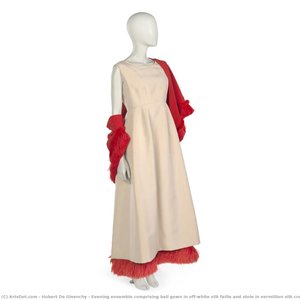
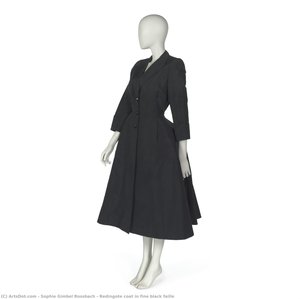
Biografija umetnika
Early Life and Education
- Charles Wilson Brega James was born on July 18, 1906, in Camberley, Surrey, England, to Ralph Ernest Haweis James, a British army officer, and Louise Enders Brega, an American heiress.
- He received his early education at The New Beacon school in Sevenoaks, Kent (1914-1918), followed by a brief period at Harrow School in 1919. At Harrow, he befriended notable figures like Evelyn Waugh, Francis Cyril Rose, and Cecil Beaton.
- James was expelled from Harrow for what was described as a “sexual escapade.” Subsequently, he briefly studied music at the University of Bordeaux, France before relocating to Chicago.
Career Development and Artistic Influences
- In Chicago, James benefited from the patronage of Samuel Insull, a family friend and public utilities magnate. Insull provided him with opportunities to develop mathematical skills that would later prove crucial in his design process.
- At age 19, he opened his first hat shop in Chicago under the pseudonym ‘Charles Boucheron’ due to his father's disapproval of a career in fashion.
- James moved between Chicago, New York, London and Paris throughout the 1930s, establishing himself as a designer. He was influenced by architectural principles and sculptural forms, which became hallmarks of his work.
- He developed relationships with artists such as Salvador Dalí, Gertrude Stein, and Colette, further enriching his creative environment.
Major Works and Design Philosophy
- Charles James is celebrated for his highly structured ballgowns and innovative approach to draping and tailoring. He viewed dressmaking as an architectural pursuit, meticulously crafting garments with complex internal structures.
- Notable works include:
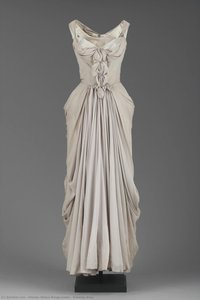
- Strapless Ball Gown in Rose Satin and Grey Taffeta: A masterpiece showcasing his innovative use of fabrics and form, available for viewing on ArtsDot.com.
- Coat in Cream and Pale Grey Novelty Basket-Weave Wool: Demonstrating his versatility in design, found within the ArtsDot collection.
- Evening Dress in Black Chiffon with Underlayers: A testament to his skill in layering and textures, also presented on ArtsDot.com.
- The “Clover” gown (1950/1954): Known for its four-lobed skirt construction, it exemplifies James’s architectural approach to fashion.
- His designs often featured intricate seaming techniques and unconventional materials. He was a perfectionist, sometimes spending years perfecting a single garment.
Legacy and Historical Significance
- Charles James’s impact on the world of fashion is undeniable. His designs continue to inspire contemporary designers with their sculptural silhouettes, meticulous construction, and innovative use of materials.
- He is considered one of the most influential American couturiers of the 20th century, bridging the gap between art and fashion.
- Despite facing financial difficulties and a challenging personality, James left behind a legacy of exceptional craftsmanship and artistic vision. His work remains highly sought after by collectors and museums worldwide.
- Resources for further exploration include ArtsDot.com, which offers a dedicated page to his life and works, as well as Wikipedia’s entry on Charles James.
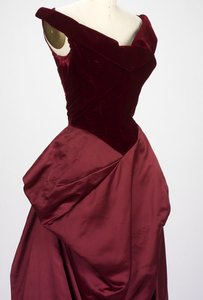
charles wilson brega james
1906 - 1978 , United States of America
Osnovne informacije
- Artistic Movement Or Style: Couture, Sculptural fashion
- Artists Or Movements Influenced By This Artist: ['New generations of designers']
- Date Of Birth: 1906
- Date Of Death: 1978
- Full Name: Charles Wilson Brega James
- Nationality: British-American
- Notable Artworks:
- Strapless ball gown
- Coat in cream wool
- Evening dress in chiffon
- Place Of Birth: Bethlehem, USA
Povezani članci
Džems Abbot MekNil Whistler: 25 Remek-dela Majstora Tonalizma | ArtsDot
Istražite 25 remek-dela Džemsa Abota MekNila Whistler-a! Uronite u svet Tonalizma, portreta i prelepog pejzaža. Kupite vrhunske reprodukcije slika na ArtsDot.com i obogatite svoj enterijer luksuznom umetnošću.
Sir Alfred Munnings' Masterpieces: 25 Paintings That Define Equine Art | ArtsDot
Explore 25 iconic Sir Alfred Munnings paintings! Discover the beauty of British Impressionism, equine art & rural England. Find museum-quality reproductions and elevate your home decor with ArtsDot. Explore the full collection online.

Dark Masterpieces: 10 Iconic Paintings Dominated by Black Tones |
Explore 10 iconic paintings dominated by black tones, from Rembrandt’s chiaroscuro to Goya's dark expressions. Discover the stories behind these masterpieces & find museum-quality art reproductions for your home at .

Mars Black Masterpieces: 10 Iconic Paintings & Timeless Art Decor Ideas
Delve into the power of 'Mars Black' with 10 iconic paintings by masters like Rembrandt & Caravaggio. Explore dramatic chiaroscuro, gothic art, and timeless beauty. Find museum-quality reproductions & elevate your home decor on .
Lamp Black & Masterpieces: 10 Paintings That Define Shadow & Light |
Delve into the captivating world of 'Lamp Black' tones with 10 iconic paintings by masters like Rembrandt & Caravaggio. Explore Baroque chiaroscuro, dramatic lighting & shadow in art history. Find museum-quality reproductions at

