

 Pregledaj u prostoru
 Pošalji
 Podeli
 Detalji o delu

 Преузми
 Slični predmeti
 Rendgenski snimak
 Slajdovi
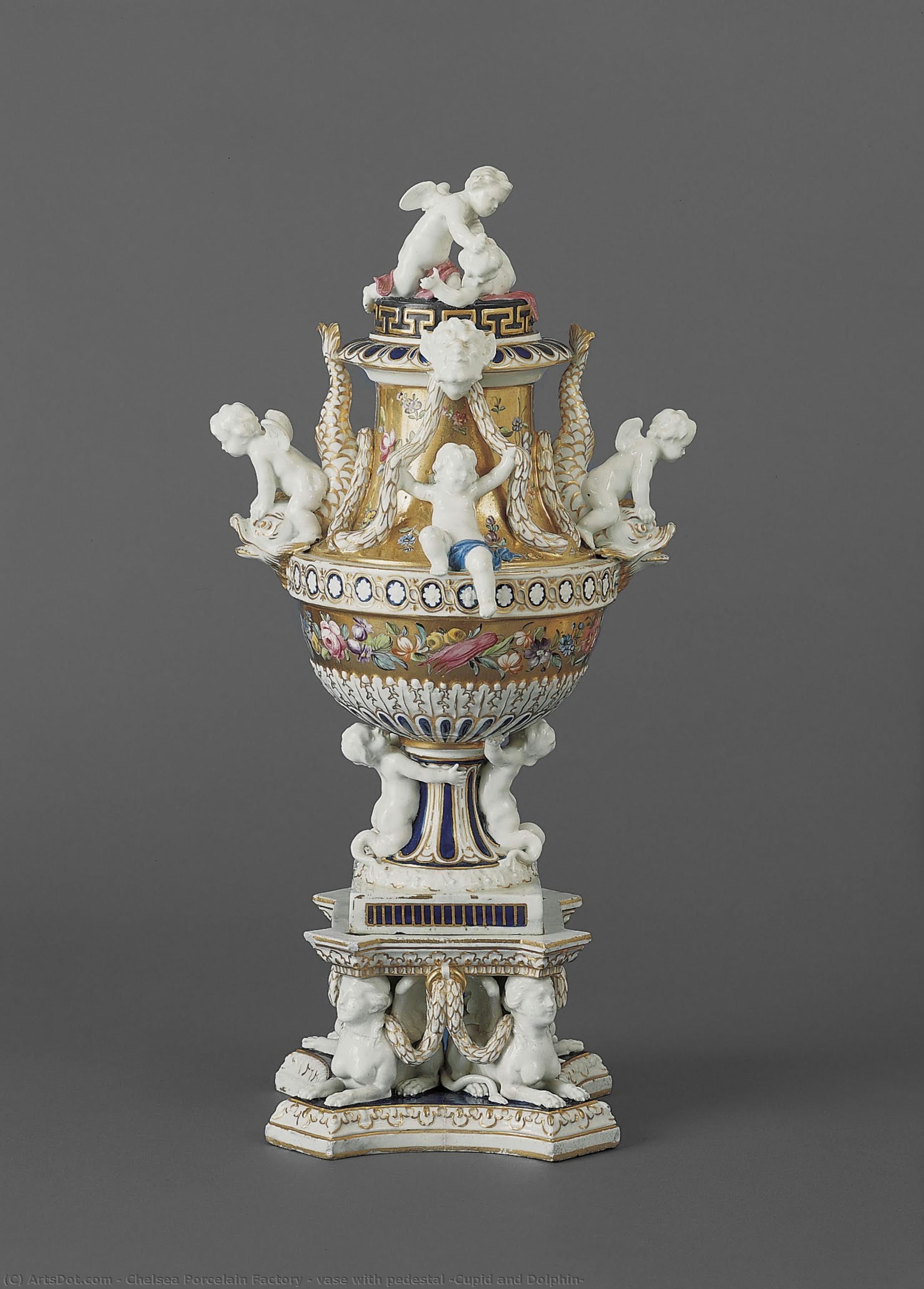
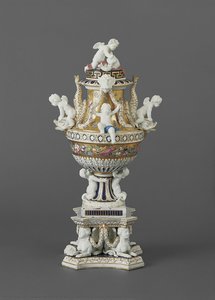
vase with pedestal (Cupid and Dolphin)


 Pročitaj više
Kupite digitalnu sliku visoke rezolucije i poboljšanog kvaliteta, koja je znatno superiornija od onoga što vidite u online prikazu.
Svaka datoteka je pedantno pripremljena od strane naših stručnjaka koristeći napredne alate i profesionalnu ručnu retušu. Osiguravamo da svaka slika ima izuzetnu oštrinu, preciznu reprodukciju boja i fine detalje.
Konačna datoteka se dostavlja putem e-pošte u roku od 72 sata, optimizovana za neposrednu upotrebu u profesionalnim, izdavačkim i štamparskim okruženjima. To je isti kvalitet kojem veruju vrhunski studiji dizajna, izdavači i galerije.
Digitalna slika
Preuzmite datoteku visoke rezolucije za ličnu upotrebu, štampanje i kreativne projekte. ( Kupi print Kupi ručno naslikanu sliku)
Uključeno uz svaku porudžbinu digitalne slike
Profesionalna digitalna isporuka, zagarantovana
Kada odaberete ArtsDot.com, ne dobijate samo sliku – vi primate profesionalno unapređeno digitalno umetničko delo, izrađeno sa najvećom preciznošću i uz garanciju zadovoljstva. Evo svega što automatski dolazi uz vašu porudžbinu:

Brza dostava putem e-pošte
Vaša digitalna slika visoke rezolucije biće vam poslata putem e-pošte u roku od 72 sata od poručivanja – spremna za trenutnu upotrebu.

Digitalna datoteka unapređena veštačkom inteligencijom
Vaše umetničko delo je profesionalno optimizovano korišćenjem naprednih AI alata i ručne obrade, čime se osiguravaju maksimalni detalji, oštrina i preciznost boja.

Besplatna ponovna isporuka doživotno
Slučajno ste obrisali ili izgubili svoju datoteku? Ne brinite – poslaćemo vam je ponovo u bilo kom trenutku, potpuno besplatno.

Bez troškova uvoza – zauvek
Uživajte u svojim umetničkim delima trenutno, bez carine, dažbina ili troškova dostave – digitalni download je uvek bez poreza.

Garancija vernosti boja
Uz pomoć profesionalnih alata i upravljanja bojama, osiguravamo da vaša digitalna slika što vernije odražava originalne boje.

Garancija zadovoljstva u roku od 60 dana
Ako niste zadovoljni svojom digitalnom slikom, revidirat ćemo je ili vratiti 100% novca u roku od 60 dana – bez ikakvih pitanja.

100% garancija povrata novca
Niste zadovoljni? Obezbedite pun povrat novca u roku od 60 dana od trenutka kada ste primili svoju digitalnu datoteku – bez suvišnih pitanja.

Popusti na velike porudžbine
Kupite 3 slike, uštedite 10% - Kupite 5 slika, uštedite 15% - Kupite 10+ slika, uštedite 20%. Odlično za kreativne projekte, galerije i agencije.
Srodna umetnička dela







Biografija umetnika
The Delicate World of Chelsea Porcelain
The Chelsea Porcelain Factory, a beacon of English artistry in the 18th century, wasn't born from centuries-old tradition but rather from entrepreneurial vision and a thirst for innovation. Its story begins not with clay and kilns, but with silk weaving. In 1743, Thomas Fairchild and Silas Dufour established a venture on Cheyne Walk, London, producing exquisite silk fabrics. However, recognizing the growing public fascination with porcelain – particularly the imported wares from Meissen and Sèvres – they boldly shifted their focus. They acquired land and began experimenting with the elusive art of creating hard-paste porcelain, a process demanding immense skill and secrecy. This transition marked the birth of England’s first significant porcelain manufactory. The early years were fraught with challenges; replicating the continental techniques proved difficult, and initial products bore the marks of experimentation. Yet, Fairchild and Dufour persevered, driven by a desire to establish an English identity in this luxurious field.Early Innovations and Royal Patronage
The factory’s early output, dating from around 1745, was characterized by its delicate forms and charming, if somewhat naive, decoration. Figures of naturalistic flowers, birds, and animals were particularly popular, often adorned with vibrant enamel colors. These pieces, though initially imitative of continental styles, quickly developed a distinctive English character – lighter in weight, more graceful in form, and imbued with a sense of playful elegance. A pivotal moment arrived in 1756 when Nicholas Crisp took over the lease of the factory. Crisp, a goldsmith by trade, brought both financial stability and a refined aesthetic sensibility to the enterprise. He secured crucial royal patronage from Queen Charlotte, who became a devoted collector of Chelsea porcelain, further elevating its status and prestige. Under Crisp’s direction, the factory flourished, producing increasingly sophisticated wares that rivaled those of its European counterparts. The introduction of new molds, innovative firing techniques, and a growing mastery of enamel painting allowed for greater artistic freedom and complexity.The Golden Age: Sculptural Excellence
The period between 1760 and 1784 represents the golden age of Chelsea porcelain. This era witnessed an extraordinary flowering of sculptural talent, with figures becoming increasingly naturalistic, expressive, and emotionally engaging. The factory employed a team of highly skilled modelers, including Joseph Willems, who were responsible for creating the iconic forms that define Chelsea’s legacy. These sculptors drew inspiration from classical mythology, allegorical subjects, and contemporary life, producing a diverse range of figures depicting everything from shepherdesses and musicians to gods and goddesses. The factory also became renowned for its exquisite scent bottles, often shaped as shells or flowers, and its charming table ornaments. A hallmark of Chelsea porcelain during this period was the use of raised gilding, which added a touch of opulence and refinement to the decoration. The quality of the enamel painting reached new heights, with artists employing delicate brushstrokes and subtle color gradations to create lifelike effects.Decline and Legacy
Despite its artistic triumphs, the Chelsea Porcelain Factory faced increasing economic challenges in the late 18th century. Competition from rival manufacturers, rising material costs, and changing consumer tastes all contributed to its decline. In 1784, Nicholas Crisp sold the factory to William Dueshury, who transferred production to his Longton Hall manufactory. While some Chelsea molds and designs were continued at Longton Hall, the distinctive character of Chelsea porcelain was gradually lost. The factory on Cheyne Walk closed in 1809, marking the end of an era. However, the legacy of Chelsea Porcelain Factory endured. Its exquisite wares became highly sought after by collectors, and its influence can be seen in the work of subsequent English porcelain manufacturers. Today, Chelsea porcelain remains a testament to the artistry, innovation, and entrepreneurial spirit of 18th-century England – a delicate echo of a golden age.Collecting Chelsea Porcelain
- Figures: The most highly prized pieces are the sculptural figures, particularly those from the Crisp period (1756-1784). Look for examples with expressive faces, graceful poses, and intricate details.
- Scent Bottles: Chelsea scent bottles, often shaped as shells or flowers, are highly collectible. Their delicate forms and exquisite enamel painting make them particularly appealing.
- Table Ornaments: Charming table ornaments, such as spill vases and sweetmeat stands, offer a glimpse into the domestic life of 18th-century England.
- Marks & Periods: Identifying Chelsea porcelain can be challenging. Early pieces often lack clear marks. The “Red Anchor” mark (circa 1745-1760) is common, as are variations with numbers and incised symbols. Crisp period pieces frequently bear the “Chelsea” or “N.C.” mark.
- Provenance: Pieces with a documented history of ownership – particularly those associated with royal collections – command higher prices.
Kratke činjenice
- Artistic Movement Or Style: Rococo, Neoclassical
- Date Of Death: Living
- Full Name: Chelsea Porcelain Factory

