

 Pregledaj u prostoru
 Pošalji
 Podeli
 Detalji o delu

 Преузми
 Slični predmeti
 Rendgenski snimak
 Slajdovi
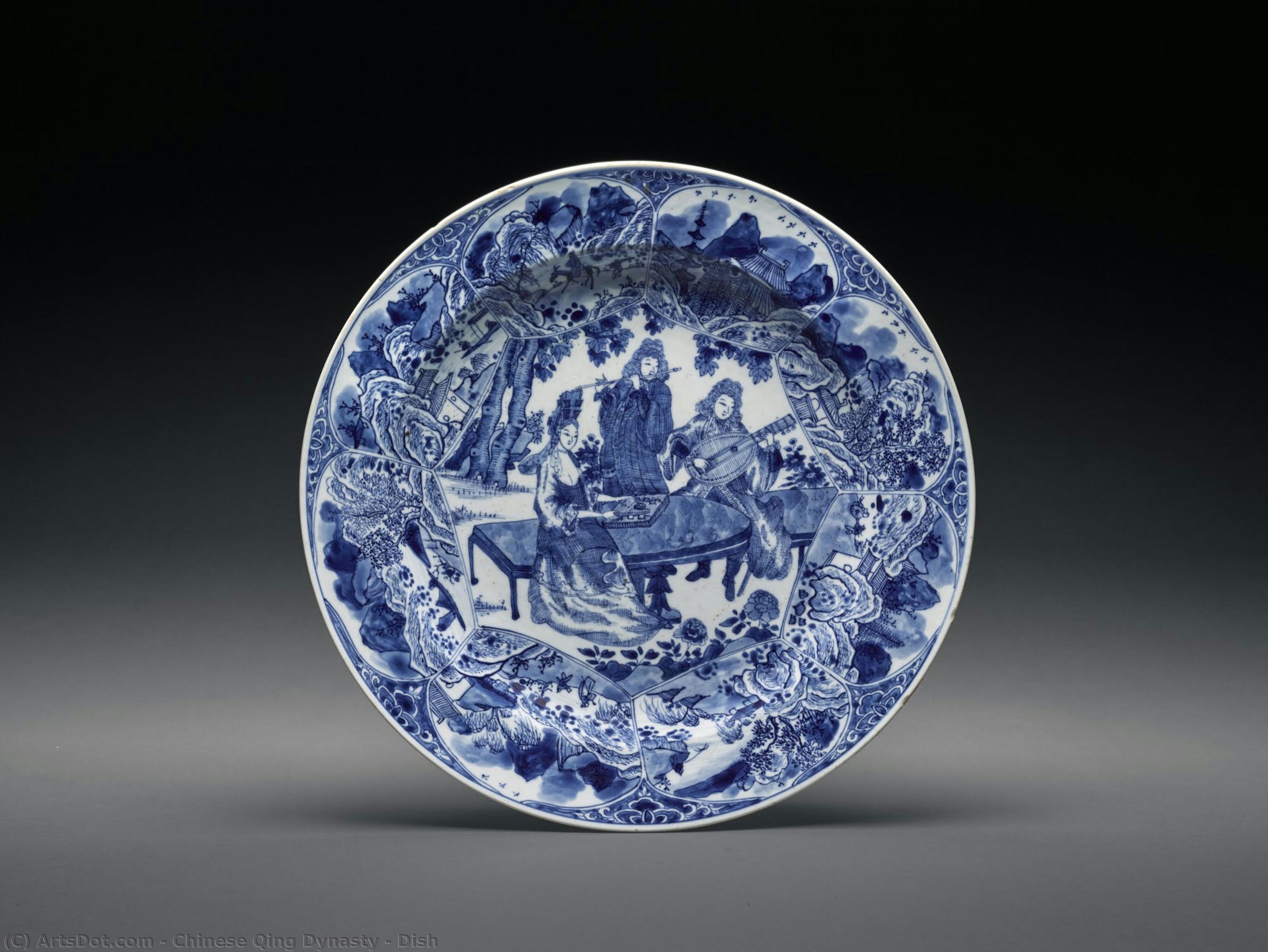
Dish

 Pročitaj više
Kupite digitalnu sliku visoke rezolucije i poboljšanog kvaliteta, koja je znatno superiornija od onoga što vidite u online prikazu.
Svaka datoteka je pedantno pripremljena od strane naših stručnjaka koristeći napredne alate i profesionalnu ručnu retušu. Osiguravamo da svaka slika ima izuzetnu oštrinu, preciznu reprodukciju boja i fine detalje.
Konačna datoteka se dostavlja putem e-pošte u roku od 72 sata, optimizovana za neposrednu upotrebu u profesionalnim, izdavačkim i štamparskim okruženjima. To je isti kvalitet kojem veruju vrhunski studiji dizajna, izdavači i galerije.
Digitalna slika
Preuzmite datoteku visoke rezolucije za ličnu upotrebu, štampanje i kreativne projekte. ( Kupi print Kupi ručno naslikanu sliku)
Uključeno uz svaku porudžbinu digitalne slike
Profesionalna digitalna isporuka, zagarantovana
Kada odaberete ArtsDot.com, ne dobijate samo sliku – vi primate profesionalno unapređeno digitalno umetničko delo, izrađeno sa najvećom preciznošću i uz garanciju zadovoljstva. Evo svega što automatski dolazi uz vašu porudžbinu:

Brza dostava putem e-pošte
Vaša digitalna slika visoke rezolucije biće vam poslata putem e-pošte u roku od 72 sata od poručivanja – spremna za trenutnu upotrebu.

Digitalna datoteka unapređena veštačkom inteligencijom
Vaše umetničko delo je profesionalno optimizovano korišćenjem naprednih AI alata i ručne obrade, čime se osiguravaju maksimalni detalji, oštrina i preciznost boja.

Besplatna ponovna isporuka doživotno
Slučajno ste obrisali ili izgubili svoju datoteku? Ne brinite – poslaćemo vam je ponovo u bilo kom trenutku, potpuno besplatno.

Bez troškova uvoza – zauvek
Uživajte u svojim umetničkim delima trenutno, bez carine, dažbina ili troškova dostave – digitalni download je uvek bez poreza.

Garancija vernosti boja
Uz pomoć profesionalnih alata i upravljanja bojama, osiguravamo da vaša digitalna slika što vernije odražava originalne boje.

Garancija zadovoljstva od 100 dana
Ako niste zadovoljni svojom digitalnom slikom, izvršićemo reviziju ili ćemo vam vratiti 100% novca u roku od 100 dana – bez ikakvih pitanja.

100% garancija povrata novca
Niste zadovoljni? Dobijte puni povraćaj novca u roku od 100 dana od prijema digitalne datoteke – bez suvišnih pitanja.

Popusti na velike porudžbine
Kupite 3 slike, uštedite 10% - Kupite 5 slika, uštedite 15% - Kupite 10+ slika, uštedite 20%. Odlično za kreativne projekte, galerije i agencije.
Srodna umetnička dela








Biografija umetnika
The Enduring Majesty of the Qing Dynasty: A Legacy in Porcelain and Painting
The Qing dynasty, a name synonymous with imperial grandeur and artistic flourishing, reigned over China from 1644 to 1912. More than just a political entity, it represented a complex synthesis of Manchu ambition, Chinese tradition, and an unprecedented period of cultural production. At its heart lay a profound transformation – the establishment of a new dynasty by a foreign people, the Manchus, who nonetheless embraced and adapted much of China’s rich artistic heritage. This era witnessed not only territorial expansion but also a remarkable blossoming in porcelain production, painting styles, and decorative arts, leaving behind a legacy that continues to captivate art lovers worldwide.
The origins of the Qing dynasty are rooted in the late 17th century, when Nurhaci, a chieftain of the Jurchen people (later known as Manchus), united disparate tribes in Northeast China. Recognizing the vulnerability of his realm and inspired by the Ming dynasty’s success, he established the Later Jin dynasty in 1616, laying the foundation for what would become the Qing. Hong Taiji, Nurhaci's son, renamed the dynasty “Great Qing” in 1636 and formally declared himself emperor, marking a pivotal moment in Chinese history. The conquest of China proper followed swiftly, culminating in Beijing’s capture in 1644, effectively ending the Ming dynasty and ushering in a new era under Manchu rule.
The Rise of Imperial Porcelain: Innovation and Artistic Refinement
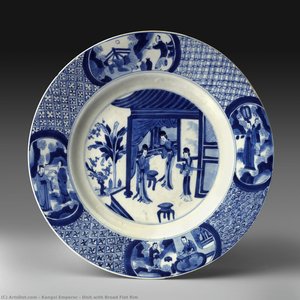
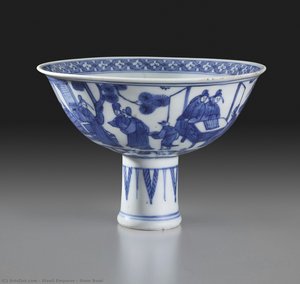
Perhaps the most enduring symbol of the Qing dynasty is its porcelain. Following the collapse of the Ming dynasty’s porcelain industry, the Manchus recognized the economic and cultural significance of this art form and actively promoted its development. Initially, they relied on existing kilns in Jingdezhen, the established center for porcelain production, but soon began to establish their own imperial workshops, introducing new techniques and styles. The Kangxi Emperor (1661-1722), renowned for his patronage of the arts, played a particularly crucial role in elevating Qing porcelain to unprecedented heights.
During this period, a remarkable diversity of forms and glazes emerged. The “famille verte” style, characterized by vibrant green enamels, gained prominence, alongside “famille rose,” known for its delicate pink hues. Innovations like the “cloisonné” technique – intricate enamel work within raised metal outlines – were perfected. The Qianlong Emperor (1735-1796) further refined these styles and introduced new colors, including cobalt blue, which became a hallmark of Qing porcelain. The production wasn’t limited to China; European demand fueled the export trade, leading to the creation of exquisite pieces for international markets, often incorporating Western motifs and designs.
Literati Painting: A Reflection of Confucian Values
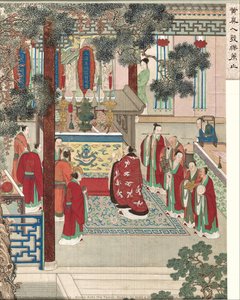
Alongside the dazzling achievements in porcelain, the Qing dynasty witnessed a flourishing of literati painting – a distinctive style of Chinese art that emphasized personal expression, philosophical contemplation, and the appreciation of nature. Literati paintings were typically created by scholar-officials (文人), who used them as a means of self-expression and to cultivate their moral character. These paintings often featured landscapes, birds, flowers, and calligraphy, reflecting Confucian ideals of harmony, simplicity, and introspection.
Pu Xinyu (1648–1720), a prominent figure in the late Qing period, exemplified this artistic tradition. His works, such as “Puru,” are renowned for their emotional depth and subtle brushwork. The paintings often conveyed a sense of melancholy and longing, reflecting the scholar-official’s detachment from worldly affairs and his pursuit of spiritual enlightenment. The influence of literati painting extended beyond individual artists; it shaped the aesthetic sensibilities of the Qing court and influenced subsequent generations of painters.
Legacy and Historical Significance
The Qing dynasty's artistic legacy is vast and multifaceted. Its porcelain production set new standards for quality, innovation, and beauty, influencing ceramic traditions worldwide. The development of literati painting provided a unique window into the intellectual and cultural life of the era, revealing the values and aspirations of China’s elite. Moreover, the Qing dynasty's patronage fostered a climate of artistic experimentation and creativity, contributing to a golden age of Chinese art.
Despite its eventual decline and overthrow in 1912, the Qing dynasty remains an essential chapter in Chinese history. Its achievements in art, culture, and governance continue to be studied and celebrated today, reminding us of the enduring power of human creativity and the complexities of cultural exchange. The exquisite porcelain and evocative paintings produced during this period stand as testaments to the dynasty’s remarkable legacy – a vibrant tapestry woven from both tradition and innovation.
chinese qing dynasty
1644 - 1912 , China
Kratke činjenice
- Artistic Movement Or Style: Imperial Chinese art
- Artists Or Movements Influenced By This Artist:
- Later Jin dynasty
- Qing Dynasty art
- Artists Who Influenced This Artist:
- Ming Dynasty artists
- European Jesuit artists
- Date Of Birth: 1644
- Date Of Death: 1912
- Full Name: Chinese Qing Dynasty
- Nationality: Manchu
- Notable Artworks:
- Ximen Asks the Taoist
- Standing Buddha Maitreya
- Hexagonal Bowl
- Place Of Birth: Shenyang, China