

 Pregledaj u prostoru
 Pošalji
 Podeli
 Detalji o delu

 Преузми
 Slični predmeti
 Rendgenski snimak
 Slajdovi
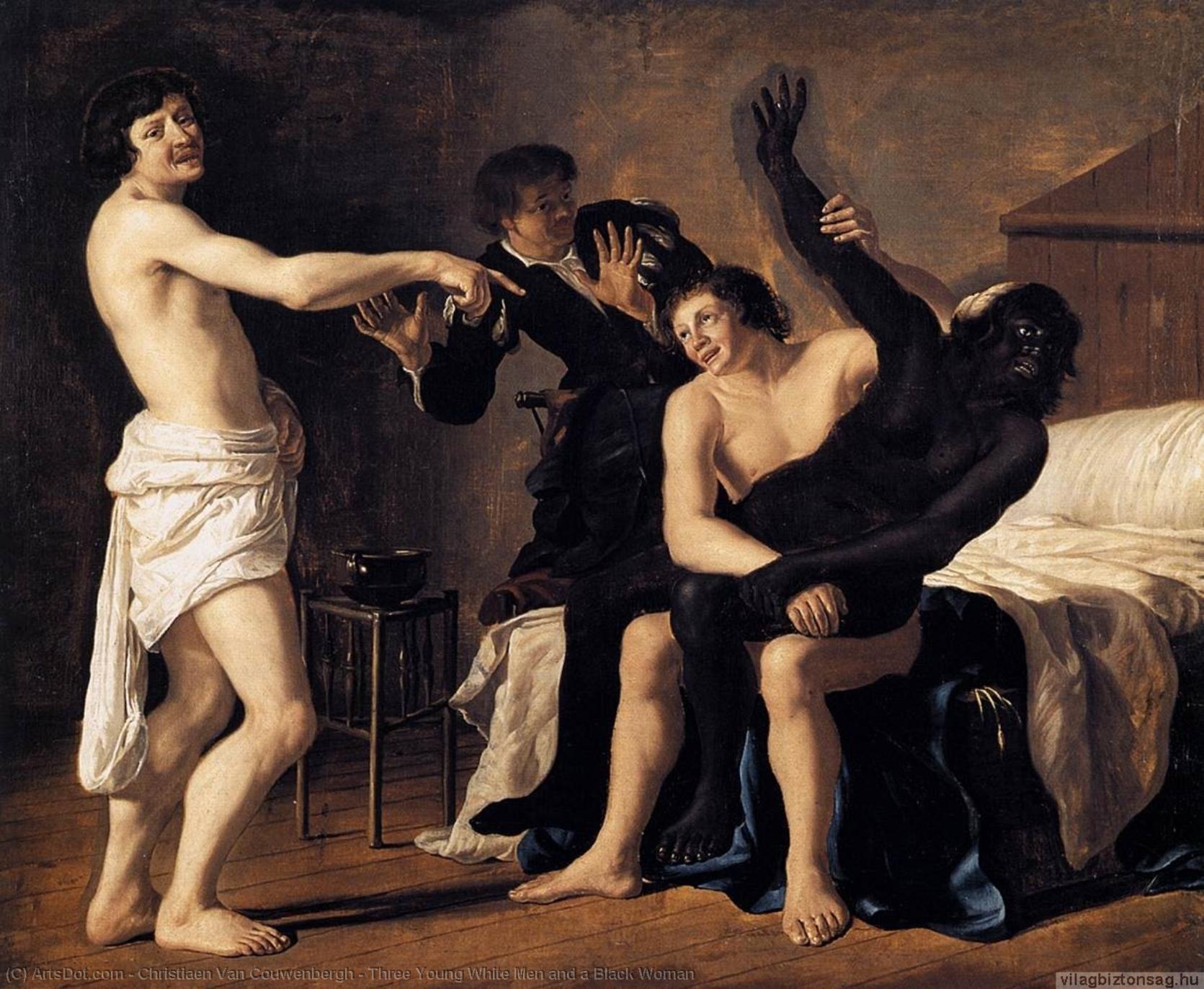
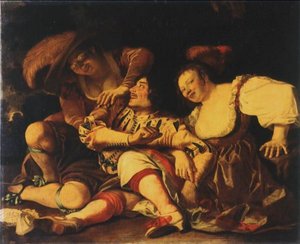
Three Young White Men and a Black Woman
 Oil On Canvas
- WallArt
- Baroque
 1632
1632- Early Modern
 104.0 x 127.0 cm
 Musée des Beaux-Arts de Strasbourg
 Pročitaj više
Ručno rađena uljana reprodukcija
Ručno oslikano uljanim bojama na platnu u dimenzijama i okviru po vašem izboru, izrađeno po porudžbini od strane naših umetnika. ( Kupi print Kupi digitalnu sliku)




P118B $10

P118H $10

P118W $10

P438Z $10

P508JH $12

P508YH $12

P805H $10

P805Z $10

P919BZ $10

P919G $10

P919XJ $10

P959ZH $10

P968JZ $12

W106C $8

W218G $10

W218JH $8

W218Y $10

W307PJ $10

W316G $10

W316PJ $8

W316Y $10

W398PJ $8

W4111J $10

W500HY $15

W500JH $15

W692G $12

W849H $8

W940BG $15

W953PJ $8




Izaberite jednu od naših unapred definisanih veličina koje odgovaraju originalnim proporcijama umetničkog dela.

Можете унети сопствене димензије како бисте прилагодили дело одређеном оквиру или простору. Ако одабрана величина не одговара пропорцијама оригинала, слика ће бити исечена или проширена додатним елементима који се ручно насликавају. Дигитални prikaz ће вам бити послат на одобрење пре почетка производње.
Имајте на уму да преглед на екрану не одражава стварно исецање или проширење. Само приказ (mockup) ће тачно приказати коначну композицију.
Иако су доступне прилагођене величине, препоручујемо да одаберете димензију из дефинисане листе како бисте сачували оригиналне пропорције.
Nakon narudžbine, tim ArtsDot.com će klijentu putem e-pošte poslati uputstva i dostaviti prikaz predloženog rešenja
Isporuka širom sveta () za 3/4 nedelje umesto uobičajenih 5 nedelja. (7 септембар). Bez kompromisa po pitanju kvaliteta.

Besplatna ekspresna dostava širom sveta

Visokokvalitetno laneno platno

Kompletno osiguranje transporta

Garancija povraćaja carine i uvoznih dažbina

Garancija vernosti boja

Politika povrata u roku od 100 dana (samo u slučaju nedostataka)

Garancija povrata novca od 100%

Popust pri grupnoj kupovini
 Opcija sa staklom dostupna je samo za dimenzije manje od 110 cm

Three Young White Men and a Black Woman
Tehnika reprodukcije
Dimenzije reprodukcije
-


Konačna cena
$ 338
A Dramatic Encounter in Baroque Realism
In the profound depths of the Dutch Golden Age, few works command the room with as much visceral intensity as Christiaen van Couwenbergh’s 1632 masterpiece, Three Young White Men and a Black Woman. This large-scale oil painting serves as a window into a complex, theatrical world, where the boundaries between reality and allegory blur. Upon first encounter, the viewer is struck by the sheer scale of the composition, which measures an imposing 104 x 127 cm. The scene unfolds within a dimly lit interior, perhaps a private study or a secluded chamber, where the heavy use of chiaroscuro—the dramatic interplay between light and shadow—creates a stage-like atmosphere. This technique does more than just illuminate the figures; it carves them out of the darkness, lending a sculptural weight to their limbs and an undeniable urgency to their movements.
The composition is a masterclass in tension and interconnectedness. Van Couwenberg utilizes a flattened perspective that pushes the action toward the viewer, forcing an intimate, almost uncomfortable engagement with the subjects. The figures are locked in a web of gestures and gazes that suggest a narrative of profound social and physical friction. Through meticulous brushwork, the artist renders the textures of skin, heavy fabrics, and the surrounding furniture with such precision that one can almost feel the weight of the atmosphere. This level of detail is characteristic of the Baroque style, where every muscle tension and facial expression is amplified to evoke a heightened emotional response from the observer.
Symbolism and the Weight of History
Beyond its technical brilliance, the painting invites deep contemplation regarding the power dynamics of the seventeenth century. The stark contrast between the skin tones of the individuals serves as a powerful symbolic device, reflecting the burgeoning global connections and the fraught racial hierarchies prevalent during the era. While the subject matter remains unsettling and controversial, it is precisely this provocative nature that gives the work its enduring intellectual gravity. The painting does not merely depict a scene; it interrogates themes of exploitation, coercion, and the complex social strata of the Dutch Republic.
For the discerning collector or art enthusiast, this piece offers more than just aesthetic beauty; it provides a profound historical dialogue. The way Van Couwenbergh manipulates light to highlight specific hands or faces directs the viewer's eye through a carefully choreographed sequence of events, making each viewing an opportunity for new discoveries. It is a work that demands attention and rewards those who linger on its shadows, offering a glimpse into the turbulent psyche of a period defined by both immense prosperity and deep-seated social inequality.
An Evocative Addition to Sophisticated Interiors
For interior designers and curators of fine art reproductions, Three Young White Men and a Black Woman represents a centerpiece of unparalleled character. The painting’s dramatic palette—rich with deep ochres, shadowed umbers, and luminous highlights—makes it an ideal focal point for spaces that celebrate classical elegance or contemporary drama. Whether placed in a formal gallery setting or as a conversation starter in a curated private study, the work brings a sense of historical weight and intellectual depth to any environment.
Owning a high-quality reproduction of such a significant Baroque work allows one to inhabit the same atmosphere of mystery and grandeur that defined the Dutch Golden Age. The painting’s ability to evoke emotion—ranging from curiosity to profound reflection—ensures that it remains a living part of the room, constantly interacting with the light and the people around it. It is an investment in storytelling, a piece that transcends mere decoration to become a window into the complexities of the human condition.
Srodna umetnička dela



Biografija umetnika
The Grandeur of Christiaen van Couwenbergh: A Master of Baroque Allegory
In the vibrant tapestry of the Dutch Golden Age, few artists captured the theatricality and emotional depth of the era quite like Christiaen van Couwenbergh. Born in the historic city of Delft in 1604, his life was inextricably linked to a lineage of artistic excellence. As the son of Gillis van Couwenbergh—a skilled silversmith and influential art dealer—Christiaen was raised amidst the scent of precious metals and the visual splendor of fine engravings. This early immersion into the world of aesthetics provided him with a unique foundation, blending a craftsman's precision with an eye for the opulent. His formative years under the tutelage of Johan van Nes further refined his ability to manipulate color and detail, preparing him for a career that would eventually transcend the borders of the Netherlands.
The evolution of Couwenberg’s style is a journey through the heart of European Baroque innovation. His travels to Italy served as a transformative pilgrimage, allowing him to encounter the dramatic shadows and intense human emotion pioneered by masters like Caravaggio. This encounter with chiaroscuro—the profound interplay of light and dark—became a cornerstone of his technique. Upon returning to Delft, he did not merely replicate Italian trends but synthesized them with the meticulous Northern tradition. His canvases began to breathe with a new, dramatic vitality, characterized by heavy, atmospheric lighting that lent a sense of divine or tragic importance to his subjects.
Narrative Depth and the Language of Allegory
What truly distinguishes Couwenbergh from his contemporaries was his mastery of the historical allegory. He possessed a rare ability to transform biblical stories and mythological themes into complex psychological dramas. His works often serve as windows into the human condition, utilizing the nude figure not merely for aesthetic beauty, but as a vessel for profound symbolic meaning. In masterpieces such as Joseph and Potiphar's Wife, he weaves a narrative of temptation and intrigue, using luxurious textures and dramatic compositions to heighten the tension of the biblical encounter.
His repertoire often explored the delicate balance between intimacy and power. This is evident in works like Lovers, where the artist captures a fleeting moment of connection through a lens of Baroque sentimentality, and in more provocative, socially complex pieces such as Three Young White Men and a Black Woman. In these compositions, Couwenbergh utilized his skill in rendering flesh and fabric to explore the shifting dynamics of status, desire, and identity within the 17th-century social hierarchy. His ability to stage these narratives with such theatrical precision ensured that his paintings were not just images, but immersive experiences for the viewer.
Legacy and Artistic Significance
Throughout his professional life, Couwenbergh’s ascent was marked by significant institutional recognition. His entry into the Guild of St Luke in Delft in 1627 and his subsequent involvement with the confrerie pictura solidified his status among the elite of the Dutch art world. This professional standing allowed him to secure prestigious commissions that demanded large-scale, monumental compositions, contributing to the visual grandeur of the Dutch Republic's golden era.
The enduring significance of Christiaen van Couwenbergh lies in his role as a bridge between the meticulous realism of the North and the dramatic emotionalism of the South. His legacy is found in:
- Technical Mastery: The seamless integration of Caravaggesque light with Dutch precision.
- Symbolic Complexity: The use of the human form to communicate intricate allegorical and moral messages.
- Historical Impact: A contribution to the development of the Baroque style that influenced the decorative and narrative traditions of European painting for generations.
Today, as we gaze upon his works, we see more than just relics of a bygone era; we witness the enduring power of an artist who could turn paint into poetry, capturing the light, shadow, and soul of the seventeenth century.
Christiaen van Couwenbergh
1604 - 1667 , Netherlands
Osnovne informacije
- Artistic Movement Or Style: Baroque
- Artists Who Influenced This Artist: Caravaggio
- Date Of Birth: Delft, Netherlands (1604)
- Date Of Death: 1667
- Full Name: Christiaen van Couwenbergh
- Nationality: Dutch
- Notable Artworks:
- Three Young White Men and a Black Woman
- A portrait of a young woman as Diana
- Joseph and Potiphar's wife
- Place Of Birth: Delft
Povezani članci

Golden Age Reflections: Dutch Baroque Painting & Cultural Innovation
Explore the Dutch Golden Age of painting! Discover key artists like Vermeer & ter Borch, their innovative techniques, and the rich cultural context behind these Baroque masterpieces. Learn about collecting & appreciating this iconic art period.

Zlatno doba Holandske umetnosti: Top 10 remek dela za vaš dom
Otkrijte remek dela Holandskog zlatnog doba! Uronite u svet Rembrandta, Vermeera i drugih majstora. 10 ikoničnih slika koje su definisale umetnost. Inspiracija za vaš dom i kolekciju - ekskluzivne reprodukcije na ArtsDot.com!

Dutch Baroque Masters: 10 Paintings That Shaped an Era | ArtsDot
Journey through the Golden Age with our guide to the Top 10 Dutch Baroque masterpieces! Explore iconic paintings by Rembrandt, Vermeer & Frans Hals. Find museum-quality art reproductions and elevate your home decor at ArtsDot.com.

Rembrandt van Rijn: 25 Majstorstava Svetla i Senke za Vaš Dom | ArtsDot
Uronite u svet Rembrandta van Rijna! Otkrijte 25 najlepših dela holandskog majstora – portrete, istorijske scene i biblijska platna. Kvalitetne reprodukcije slika za dekoraciju enterijera dostupne na ArtsDot.com.

Illuminating Innovation: Exploring the Dutch Golden Age of Painting
Explore the Dutch Golden Age of painting with ArtsDot. Discover Rembrandt, Vermeer & other Masters. Learn about key characteristics, iconic artworks, and lasting influence. Expert insights for collectors & enthusiasts.