

 Pregledaj u prostoru
 Pošalji
 Podeli
 Detalji o delu

 Преузми
 Slični predmeti
 Rendgenski snimak
 Slajdovi
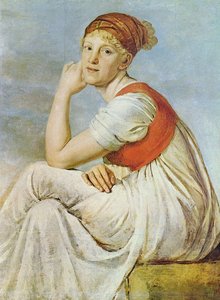
Heinrike Dannecker
 Oil On Canvas
- WallArt
- Neoclassical Romanticism
 1802
1802 119.0 x 100.0 cm
 Nationalgalerie
 Pročitaj više
Ručno rađena uljana reprodukcija
Ručno oslikano uljanim bojama na platnu u dimenzijama i okviru po vašem izboru, izrađeno po porudžbini od strane naših umetnika. ( Kupi print Kupi digitalnu sliku)




P118B $10

P118H $10

P118W $10

P438Z $10

P508JH $12

P508YH $12

P805H $10

P805Z $10

P919BZ $10

P919G $10

P919XJ $10

P959ZH $10

P968JZ $12

W106C $8

W218G $10

W218JH $8

W218Y $10

W307PJ $10

W316G $10

W316PJ $8

W316Y $10

W398PJ $8

W4111J $10

W500HY $15

W500JH $15

W692G $12

W849H $8

W940BG $15

W953PJ $8




Izaberite jednu od naših unapred definisanih veličina koje odgovaraju originalnim proporcijama umetničkog dela.

Можете унети сопствене димензије како бисте прилагодили дело одређеном оквиру или простору. Ако одабрана величина не одговара пропорцијама оригинала, слика ће бити исечена или проширена додатним елементима који се ручно насликавају. Дигитални prikaz ће вам бити послат на одобрење пре почетка производње.
Имајте на уму да преглед на екрану не одражава стварно исецање или проширење. Само приказ (mockup) ће тачно приказати коначну композицију.
Иако су доступне прилагођене величине, препоручујемо да одаберете димензију из дефинисане листе како бисте сачували оригиналне пропорције.
Nakon narudžbine, tim ArtsDot.com će klijentu putem e-pošte poslati uputstva i dostaviti prikaz predloženog rešenja
Isporuka širom sveta () za 3/4 nedelje umesto uobičajenih 5 nedelja. (4 септембар). Bez kompromisa po pitanju kvaliteta.

Besplatna ekspresna dostava širom sveta

Visokokvalitetno laneno platno

Kompletno osiguranje transporta

Garancija povraćaja carine i uvoznih dažbina

Garancija vernosti boja

Politika povrata u roku od 60 dana (samo u slučaju nedostataka)

Garancija povrata novca od 100%

Popust pri grupnoj kupovini
 Opcija sa staklom dostupna je samo za dimenzije manje od 110 cm

Heinrike Dannecker
Tehnika reprodukcije
Dimenzije reprodukcije
-


Konačna cena
$ 263
Heinrike Dannecker: A Portrait of Contemplation by Christian Gottlieb Schick
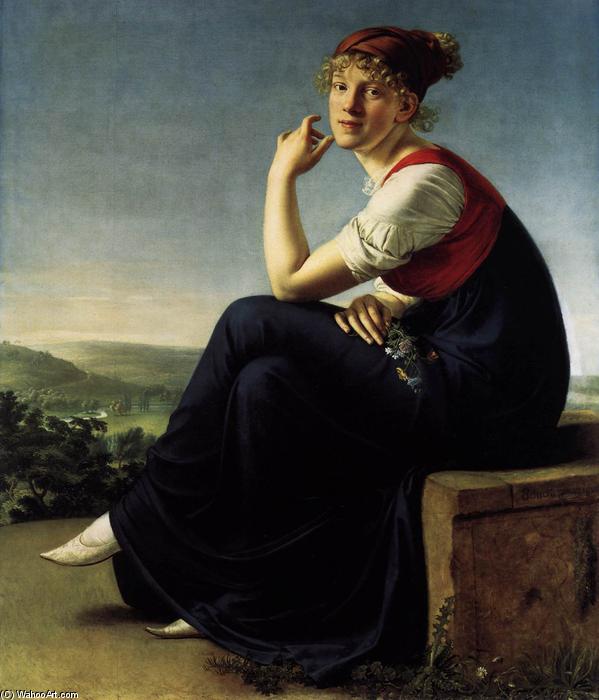
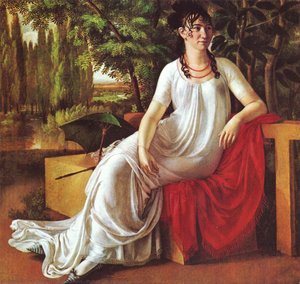
- Subject: The painting depicts Heinrike Dannecker, a young woman presented in a moment of profound introspection. Her pose – seated on a stone bench, hand gently touching her chin – immediately invites the viewer into her private world, fostering an immediate sense of connection and empathy.
- Artist: Created by Christian Gottlieb Schick (1776-1812), a significant figure in early 19th-century German art, this work exemplifies his mastery of portraiture within the neoclassical tradition, subtly infused with nascent romantic sensibilities.
- Date & Location: Executed in 1802, *Heinrike Dannecker* is currently housed at the Nationalgalerie in Berlin, Germany, a testament to its enduring artistic value and historical importance.
A Symphony of Light and Color – Technique and Style
Schick’s skill lies not merely in representation but in the masterful manipulation of light and shadow, a technique central to neoclassical art. The painting utilizes a muted color palette dominated by earthy tones—ochres, browns, and grays—creating a sense of solemnity and quietude. However, this restraint is dramatically punctuated by the vibrant red of Heinrike’s bodice, drawing immediate attention to her figure and injecting a note of elegance and perhaps even melancholy into the scene. The artist's meticulous attention to detail is evident in the rendering of fabric folds, the delicate texture of her hair, and the subtle nuances of her expression. The use of sfumato – a technique borrowed from Leonardo da Vinci – softens edges and creates an atmospheric depth that enhances the sense of realism and invites prolonged contemplation.Symbolism and Narrative Context
Beyond a simple portrait, *Heinrike Dannecker* speaks to broader themes of introspection and the human condition. The contemplative pose suggests a moment of private reflection, inviting viewers to consider the thoughts and emotions that lie beneath the surface. The setting – a serene landscape with rolling hills – further reinforces this sense of tranquility and solitude. The red bodice, a bold color against the muted background, could symbolize passion, vulnerability, or perhaps even a hidden strength within Heinrike’s character. Considering the era in which it was created (early 19th century), the painting reflects the growing interest in psychological realism within art, moving beyond purely idealized representations of beauty to explore the complexities of human emotion.Historical Significance and Reproduction
*Heinrike Dannecker* represents a crucial bridge between the classical ideals of Neoclassicism and the burgeoning Romantic movement in German art. Created by Christian Gottlieb Schick during a period of significant artistic innovation, it offers a valuable insight into the aesthetic sensibilities of the time. The painting’s enduring appeal lies not only in its technical brilliance but also in its ability to evoke a powerful emotional response. ArtsDot.com is proud to offer meticulously crafted oil painting reproductions of this masterpiece, allowing art lovers worldwide to experience the beauty and depth of Schick's vision within their own homes. These reproductions are created by skilled artisans who painstakingly replicate every detail, ensuring an authentic representation of this significant work of German art history.Srodna umetnička dela



Biografija umetnika
A Bridge Between Eras: The Life and Art of Christian Gottlieb Schick
In the grand tapestry of German art history, few threads are as delicately woven as those left by Christian Gottlieb Schick. Born in Stuttgart on August 15, 1776, Schick emerged during a period of profound cultural transformation, a time when the rigid, disciplined lines of Neoclassicism began to soften under the emotional tide of Romanticism. His life, though tragically short, serves as a vital bridge between these two monumental movements, capturing the precise moment when the clarity of reason met the mystery of the human soul.
Schick’s artistic foundation was built upon rigorous academic excellence. His journey began at the Hohe Karlsschule in Stuttgart, where he studied under the watchful eye of Philipp Friedrich von Hetsch. As a disciple of the legendary Jacques-Louis David, Hetsch instilled in Schick a reverence for precise draughtsmanship and idealized forms. This early training was further enriched by his time with Johann Heinrich von Dannecker, whose influence expanded Schick’s technical repertoire and sparked an enduring interest in the nuances of landscape and form. However, it was the period between 1799 and 1802, spent within the revolutionary atmosphere of David’s Parisian studio, that truly forged his identity. Immersed in the heart of French Neoclassicism, Schick mastered a monumental approach to composition and color that would remain a cornerstone of his technique.
The Roman Influence and the Romantic Shift
The years between 1802 and 1811 marked Schick’s most transformative era, as he sought inspiration in the eternal city of Rome. Immersed in the vibrant artistic and intellectual circles of the Vatican, Schick moved beyond the strictures of his Parisian training. In Rome, he found himself surrounded by a community of thinkers and creators, including close friendships with figures such as Wilhelm von Humboldt. This period of exposure to the classical grandeur of Italy catalyzed a profound evolution in his style; his work began to transition from a Raphaelesque classicism toward a more expressive, romantic orientation.
This stylistic metamorphosis was characterized by an increasing interest in tonal harmonies and psychological depth. While his compositions retained the structural integrity of his Neoclassical roots, they began to breathe with a new, emotive vitality. His landscapes and portraits started to capture not just the physical likeness or the idealized form, but the fleeting, atmospheric moments that define the Romantic spirit. This ability to infuse classical precision with a sense of longing and imagination allowed him to create works that felt both timeless and deeply personal.
Legacy and Artistic Contributions
Though Schick returned to Stuttgart in 1811, his time in Germany was brief, as he succumbed to heart disease only a few months later in May 1812. Despite the brevity of his career, his impact on the German artistic landscape was significant. He is most celebrated for his portraits, which stand as masterclasses in capturing character through elegant attire and rich, detailed textures. His ability to balance the formal requirements of portraiture with a burgeoning sense of intimacy makes his oeuvre particularly captivating to modern eyes.
The enduring significance of Christian Gottlieb Schick lies in his role as a transitional figure. His body of work provides a window into an era of shifting sensibilities, showcasing how an artist can honor the traditions of the past while fearlessly embracing the emotional complexities of the future. His contributions include:
- Masterful Portraiture: Renowned for works such as the Portrait of Wilhelmine Cotta and his depictions of Heinrike Dannecker, which showcase a refined elegance.
- Stylistic Synthesis: The successful integration of Davidian Neoclassical structure with Romantic emotionality.
- Historical Significance: Serving as a key link in the development of German art during the transition from the late 18th to the early 19th century.
Today, Schick’s paintings remain much more than mere historical artifacts; they are evocative windows into a world where the clarity of light and the depth of shadow tell stories of beauty, intellect, and the human condition.
Christian Gottlieb Schick
1776 - 1812 , Germany
Osnovne informacije
- Artistic Movement Or Style: Neoclassical Romanticism
- Artists Or Movements Influenced By This Artist: ['Romantic Art']
- Artists Who Influenced This Artist:
- Jacques-Louis David
- Johann Heinrich von Dannecker
- Date Of Birth: 1776 Stuttgart Germany
- Date Of Death: 1812 Stuttgart Germany
- Full Name: Christian Gottlieb Schick
- Nationality: German
- Notable Artworks:
- Portrait of Wilhelmine Cotta
- Heinrike Dannecker
- The Vanity
- Place Of Birth: Stuttgart Germany
Povezani članci

Crimson Threads of Narrative: Exploring Symbolism & Representation in Artworks Featuring the Red Dress
Explore the rich symbolism of the red dress in art history! From ancient power displays to iconic portraits like Cézanne’s 'Madame Cezanne', discover the cultural and artistic significance behind this captivating color. Expert analysis & insights.

German Expressionism's 10 Defining Masterpieces | Art for Your Home
Explore 10 defining German Expressionism masterpieces – from Munch's 'The Scream' to Kandinsky’s abstracts. Discover the artists, stories & bold colors behind this powerful art movement. Find museum-quality reproductions at ArtsDot.com.

Mark Rothko: 25 Remek-dela Apstraktne Ekspresije za Vaš Dom | ArtsDot
Istražite 25 remek-dela Marka Rothka – ikona apstraktne ekspresije. Otkrijte priče, tehnike i emocije iza ovih veličanstvenih slika. Reprodukcije vrhunskog kvaliteta za vaš dom na ArtsDot.com!
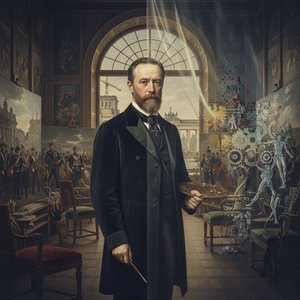
Anton von Werner: Imperial Painter, Historical Witness & Shifting German Identity
Explore the life & work of Anton von Werner, Imperial Germany's leading painter. Discover his dramatic depictions of war, unification, and court life – a fascinating insight into 19th-century German history & art.
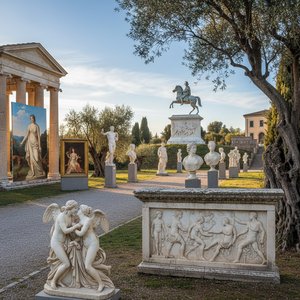
Najboljih 10 Neoklasičkih Remek-Dela: Umetnoska Istorija i Luksuzni Dekor
Otkrijte 10 remek dela neoklasicizma! Istražite David, Jacques-Louis David i druge genijalce. Umetnoska istorija i inspiracija za luksuzni enterijer. Kupite reprodukcije vrhunskog kvaliteta na ArtsDot.com!

