

 Pregledaj u prostoru
 Pošalji
 Podeli
 Detalji o delu

 Преузми
 Slični predmeti
 Rendgenski snimak
 Slajdovi
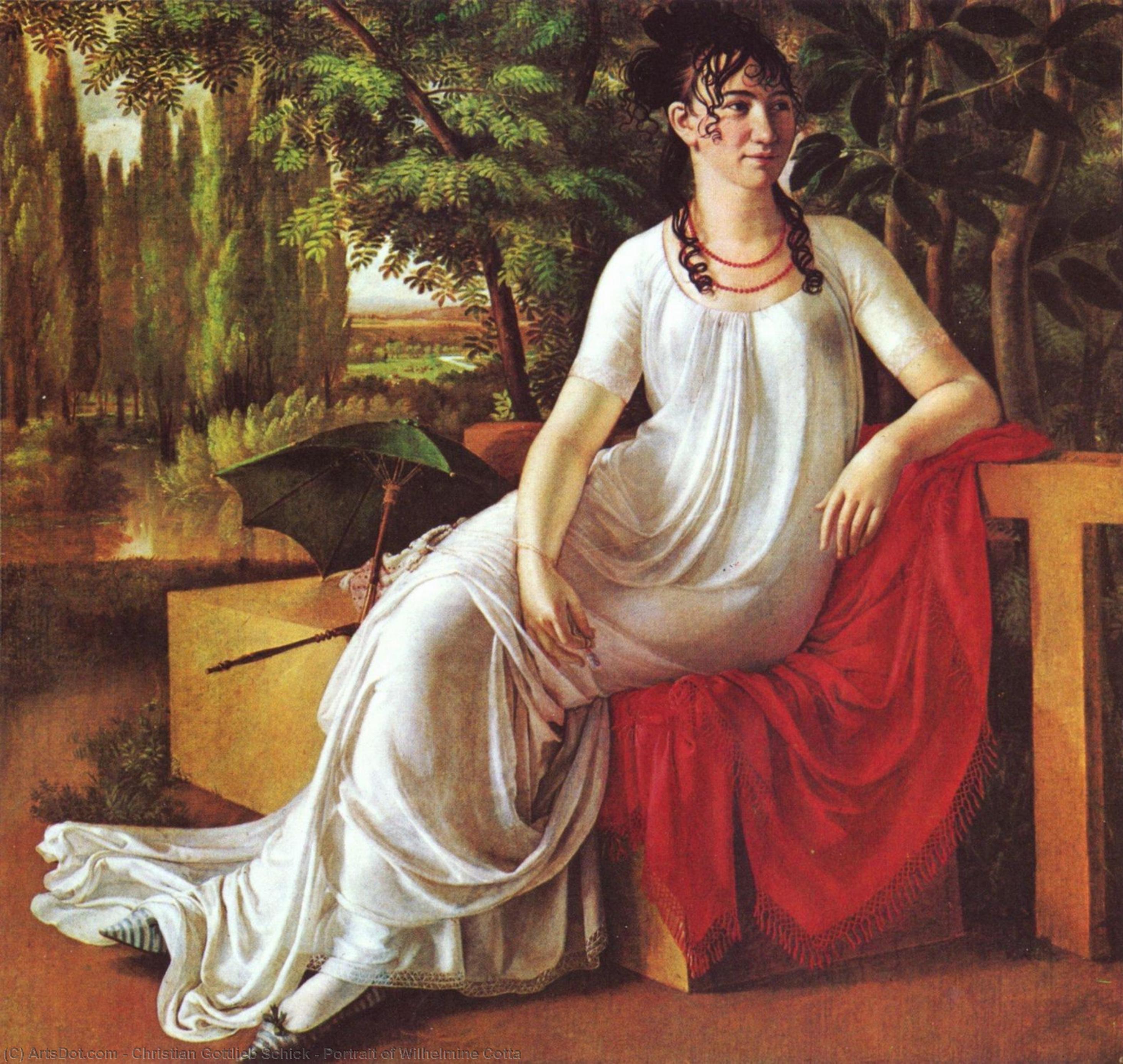
Portrait of Wilhelmine Cotta


 Pročitaj više
Ručno rađena uljana reprodukcija
Ručno oslikano uljanim bojama na platnu u dimenzijama i okviru po vašem izboru, izrađeno po porudžbini od strane naših umetnika. ( Kupi print Kupi digitalnu sliku)




P118B $10

P118H $10

P118W $10

P438Z $10

P508JH $12

P508YH $12

P805H $10

P805Z $10

P919BZ $10

P919G $10

P919XJ $10

P959ZH $10

P968JZ $12

W106C $8

W218G $10

W218JH $8

W218Y $10

W307PJ $10

W316G $10

W316PJ $8

W316Y $10

W398PJ $8

W4111J $10

W500HY $15

W500JH $15

W692G $12

W849H $8

W940BG $15

W953PJ $8




Izaberite jednu od naših unapred definisanih veličina koje odgovaraju originalnim proporcijama umetničkog dela.

Можете унети сопствене димензије како бисте прилагодили дело одређеном оквиру или простору. Ако одабрана величина не одговара пропорцијама оригинала, слика ће бити исечена или проширена додатним елементима који се ручно насликавају. Дигитални prikaz ће вам бити послат на одобрење пре почетка производње.
Имајте на уму да преглед на екрану не одражава стварно исецање или проширење. Само приказ (mockup) ће тачно приказати коначну композицију.
Иако су доступне прилагођене величине, препоручујемо да одаберете димензију из дефинисане листе како бисте сачували оригиналне пропорције.
Nakon narudžbine, tim ArtsDot.com će klijentu putem e-pošte poslati uputstva i dostaviti prikaz predloženog rešenja
Isporuka širom sveta () za 3/4 nedelje umesto uobičajenih 5 nedelja. (4 септембар). Bez kompromisa po pitanju kvaliteta.

Besplatna ekspresna dostava širom sveta

Visokokvalitetno laneno platno

Kompletno osiguranje transporta

Garancija povraćaja carine i uvoznih dažbina

Garancija vernosti boja

Politika povrata u roku od 60 dana (samo u slučaju nedostataka)

Garancija povrata novca od 100%

Popust pri grupnoj kupovini
 Opcija sa staklom dostupna je samo za dimenzije manje od 110 cm

Portrait of Wilhelmine Cotta
Tehnika reprodukcije
Dimenzije reprodukcije
-


Konačna cena
$ 263
Portrait of Wilhelmine Cotta: A Window into the Age of Elegance
- The Portrait of Wilhelmine Cotta, painted in 1802 by Christian Gottlieb Schick, is more than just a likeness; it’s a carefully constructed tableau of Regency-era refinement and quiet dignity. Executed in oil on canvas with meticulous attention to detail, the painting immediately draws the viewer into a world of understated luxury and intellectual curiosity. Schick's masterful handling of light and shadow – a hallmark of his style – doesn’t merely depict Wilhelmine Cotta; it sculpts her presence, imbuing her with an almost ethereal quality. The work’s enduring appeal lies in its ability to transport us back to a time when portraiture was not simply a representation of identity but a carefully considered statement of status and character.
- The painting's genesis is inextricably linked to the prominent figures surrounding it. Wilhelmine Cotta herself was the wife of Johann Friedrich von Cotta, a publisher whose connections with Schiller and Goethe placed him at the very heart of the burgeoning German intellectual movement. This context elevates the portrait beyond a simple depiction of a woman; it becomes a visual record of a pivotal moment in European cultural history.
A Study in Neoclassical Grace
Style and Technique: Schick’s approach firmly roots itself within the neoclassical tradition, yet with a distinctly Romantic sensibility. The composition is classically balanced, employing traditional techniques of pyramidal arrangement and careful use of perspective to create a sense of depth and realism. However, observe the subtle softness in the rendering of her features – a characteristic that hints at the burgeoning romantic interest in emotional expression. The artist’s deliberate brushstrokes contribute to the texture of the fabrics, particularly the flowing white dress, adding a tactile quality to the image. The use of color is restrained and harmonious, dominated by cool tones with the vibrant red accents of her necklace and headband drawing the eye and emphasizing key elements.Symbolism and Context
The Red Jewel: Wilhelmine Cotta’s striking red pendant – likely a ruby or garnet – is not merely decorative. In the early 19th century, such opulent jewelry signified wealth, status, and even political allegiance. The jewel's prominence in the composition underscores Wilhelmine’s position within her social circle and reflects the artistic tastes of the period.A Timeless Masterpiece
Historical Significance: Created in 1802, this portrait offers a valuable glimpse into the lives and aesthetics of the early 19th century. It’s a testament to Christian Gottlieb Schick's skill as a portraitist and his ability to capture not just physical likeness but also the essence of his subject – Wilhelmine Cotta’s intelligence, grace, and social standing. The painting remains a significant work within the Staatsgalerie in Stuttgart, representing a crucial moment in German art history. ArtsDot.com offers meticulously crafted oil painting reproductions that allow you to experience the beauty and artistry of this remarkable piece firsthand.Srodna umetnička dela





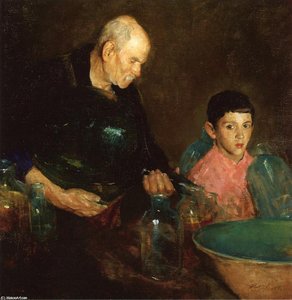
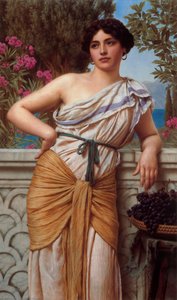
Biografija umetnika
A Bridge Between Eras: The Life and Art of Christian Gottlieb Schick
In the grand tapestry of German art history, few threads are as delicately woven as those left by Christian Gottlieb Schick. Born in Stuttgart on August 15, 1776, Schick emerged during a period of profound cultural transformation, a time when the rigid, disciplined lines of Neoclassicism began to soften under the emotional tide of Romanticism. His life, though tragically short, serves as a vital bridge between these two monumental movements, capturing the precise moment when the clarity of reason met the mystery of the human soul.
Schick’s artistic foundation was built upon rigorous academic excellence. His journey began at the Hohe Karlsschule in Stuttgart, where he studied under the watchful eye of Philipp Friedrich von Hetsch. As a disciple of the legendary Jacques-Louis David, Hetsch instilled in Schick a reverence for precise draughtsmanship and idealized forms. This early training was further enriched by his time with Johann Heinrich von Dannecker, whose influence expanded Schick’s technical repertoire and sparked an enduring interest in the nuances of landscape and form. However, it was the period between 1799 and 1802, spent within the revolutionary atmosphere of David’s Parisian studio, that truly forged his identity. Immersed in the heart of French Neoclassicism, Schick mastered a monumental approach to composition and color that would remain a cornerstone of his technique.
The Roman Influence and the Romantic Shift
The years between 1802 and 1811 marked Schick’s most transformative era, as he sought inspiration in the eternal city of Rome. Immersed in the vibrant artistic and intellectual circles of the Vatican, Schick moved beyond the strictures of his Parisian training. In Rome, he found himself surrounded by a community of thinkers and creators, including close friendships with figures such as Wilhelm von Humboldt. This period of exposure to the classical grandeur of Italy catalyzed a profound evolution in his style; his work began to transition from a Raphaelesque classicism toward a more expressive, romantic orientation.
This stylistic metamorphosis was characterized by an increasing interest in tonal harmonies and psychological depth. While his compositions retained the structural integrity of his Neoclassical roots, they began to breathe with a new, emotive vitality. His landscapes and portraits started to capture not just the physical likeness or the idealized form, but the fleeting, atmospheric moments that define the Romantic spirit. This ability to infuse classical precision with a sense of longing and imagination allowed him to create works that felt both timeless and deeply personal.
Legacy and Artistic Contributions
Though Schick returned to Stuttgart in 1811, his time in Germany was brief, as he succumbed to heart disease only a few months later in May 1812. Despite the brevity of his career, his impact on the German artistic landscape was significant. He is most celebrated for his portraits, which stand as masterclasses in capturing character through elegant attire and rich, detailed textures. His ability to balance the formal requirements of portraiture with a burgeoning sense of intimacy makes his oeuvre particularly captivating to modern eyes.
The enduring significance of Christian Gottlieb Schick lies in his role as a transitional figure. His body of work provides a window into an era of shifting sensibilities, showcasing how an artist can honor the traditions of the past while fearlessly embracing the emotional complexities of the future. His contributions include:
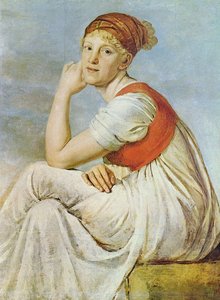
- Masterful Portraiture: Renowned for works such as the Portrait of Wilhelmine Cotta and his depictions of Heinrike Dannecker, which showcase a refined elegance.
- Stylistic Synthesis: The successful integration of Davidian Neoclassical structure with Romantic emotionality.
- Historical Significance: Serving as a key link in the development of German art during the transition from the late 18th to the early 19th century.
Today, Schick’s paintings remain much more than mere historical artifacts; they are evocative windows into a world where the clarity of light and the depth of shadow tell stories of beauty, intellect, and the human condition.
Christian Gottlieb Schick
1776 - 1812 , Germany
Osnovne informacije
- Artistic Movement Or Style: Neoclassical Romanticism
- Artists Or Movements Influenced By This Artist: ['Romantic Art']
- Artists Who Influenced This Artist:
- Jacques-Louis David
- Johann Heinrich von Dannecker
- Date Of Birth: 1776 Stuttgart Germany
- Date Of Death: 1812 Stuttgart Germany
- Full Name: Christian Gottlieb Schick
- Nationality: German
- Notable Artworks:
- Portrait of Wilhelmine Cotta
- Heinrike Dannecker
- The Vanity
- Place Of Birth: Stuttgart Germany
Povezani članci

Превазилазећи границе репродукције: Дигитална уметност и портрети као персонализовани израз креативности
Откријте свет дигиталне уметности и персонализованих портрета! Квалитетне репродукције слика, ручни рад, стручна консултација. Учините свој дом уникатним уз ArtsDot.

From Initial Sketch to Enduring Legacy: A Comprehensive Exploration of the Oil Painting Reproduction Process
Discover the art of museum-quality oil painting reproduction. Explore our expert process, skilled artists & authentic replicas. Elevate your home with timeless beauty – handcrafted and customized to your vision.
Umjetnost ponovno oživljena: Vodič kroz tehnike reprodukcije uljanih slika, platna i papira
Otkrijte svijet vrhunskih reprodukcija uljanih slika ručnog rada! ArtsDot nudi personalizirane portrete, platna i papir. Kvalitetni materijali, stručni umjetnici & 100% garancija zadovoljstva. Naručite svoju umjetnost danas!
Prodajte Digitalnu Sliku kao Uljuenu Reprodukciju – Automatski Izračunajte Cenu, Postavite Maržu i Zaradite na Svakoj Prodaji za NFT Kolekcionare
Umetnost na dohvat ruke: prodajte digitalnu sliku kao uljenu reprodukciju uz automatski izračun cene, postavljanje marže i pouzdanu ArtsDot garanciju. Ekspertizna podrška, transparentni proces i vrednost za NFT kolekcionare.
The Digital Portrait Renaissance: Transforming Personal Photography into Timeless Oil Paintings Through Artistic Reproduction
Transform your cherished photos into timeless oil paintings with ArtsDot's expert artists. Museum-quality reproductions & custom portraits, crafted to last a lifetime. Discover the art of personal legacy.

