

 Pregledaj u prostoru
 Pošalji
 Podeli
 Detalji o delu

 Преузми
 Slični predmeti
 Rendgenski snimak
 Slajdovi
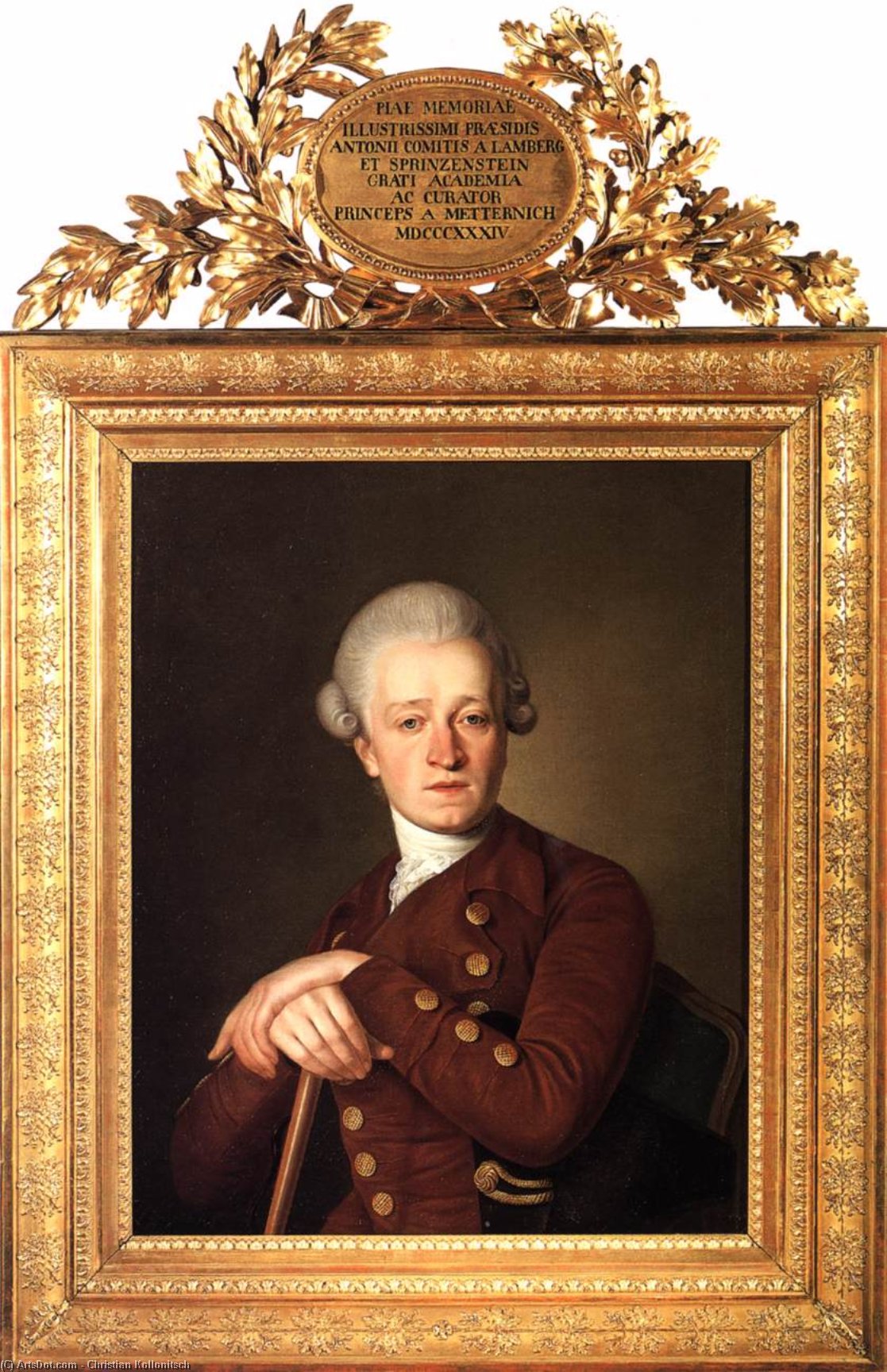
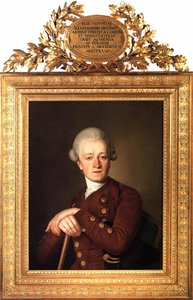
Portrait of Anton Franz de Paula, Count Lamberg-Sprinzenstein
 Oil
Oil- WallArt
- Baroque
 1770
1770- Early Modern
 78.0 x 72.0 cm
 Academy of Fine Arts Vienna
 Pročitaj više
Ručno rađena uljana reprodukcija
Ručno oslikano uljanim bojama na platnu u dimenzijama i okviru po vašem izboru, izrađeno po porudžbini od strane naših umetnika. ( Kupi print Kupi digitalnu sliku)




P118B $10

P118H $10

P118W $10

P438Z $10

P508JH $12

P508YH $12

P805H $10

P805Z $10

P919BZ $10

P919G $10

P919XJ $10

P959ZH $10

P968JZ $12

W106C $8

W218G $10

W218JH $8

W218Y $10

W307PJ $10

W316G $10

W316PJ $8

W316Y $10

W398PJ $8

W4111J $10

W500HY $15

W500JH $15

W692G $12

W849H $8

W940BG $15

W953PJ $8




Izaberite jednu od naših unapred definisanih veličina koje odgovaraju originalnim proporcijama umetničkog dela.

Можете унети сопствене димензије како бисте прилагодили дело одређеном оквиру или простору. Ако одабрана величина не одговара пропорцијама оригинала, слика ће бити исечена или проширена додатним елементима који се ручно насликавају. Дигитални prikaz ће вам бити послат на одобрење пре почетка производње.
Имајте на уму да преглед на екрану не одражава стварно исецање или проширење. Само приказ (mockup) ће тачно приказати коначну композицију.
Иако су доступне прилагођене величине, препоручујемо да одаберете димензију из дефинисане листе како бисте сачували оригиналне пропорције.
Nakon narudžbine, tim ArtsDot.com će klijentu putem e-pošte poslati uputstva i dostaviti prikaz predloženog rešenja
Isporuka širom sveta () za 3/4 nedelje umesto uobičajenih 5 nedelja. (7 септембар). Bez kompromisa po pitanju kvaliteta.

Besplatna ekspresna dostava širom sveta

Visokokvalitetno laneno platno

Kompletno osiguranje transporta

Garancija povraćaja carine i uvoznih dažbina

Garancija vernosti boja

Politika povraćaja u roku od 100 dana (isključivo u slučaju nedostataka)

Garancija povrata novca od 100%

Popust pri grupnoj kupovini
 Opcija sa staklom dostupna je samo za dimenzije manje od 110 cm

Portrait of Anton Franz de Paula, Count Lamberg-Sprinzenstein
Tehnika reprodukcije
Dimenzije reprodukcije
-


Konačna cena
$ 263
A Glimpse into the Aristocratic Elegance of the 18th Century
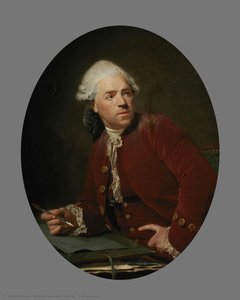
In the grand tapestry of European portraiture, few works capture the poised dignity of the Enlightenment era as effectively as Christian Kollonitsch’s Portrait of Anton Franz de Paula, Count Lamberg-Sprinzenstein. Painted in 1770, this masterpiece serves as a window into a vanished world of nobility, where every detail of attire and posture was a calculated statement of status and grace. The subject, a man of significant lineage, is presented with a commanding presence that transcends the mere recording of a likeness. Through Kollonical’s brush, we encounter not just a historical figure, but an embodiment of the refined social order that defined the Habsburg-influenced territories of the late 18th century.
The composition is anchored by the Count's resolute gaze and the meticulous rendering of his period attire. Clad in a sophisticated suit that speaks to the sartorial excellence of the era, he carries himself with an air of effortless authority. The subtle inclusion of a cane—a quintessential accessory of the gentlemanly class—adds a layer of narrative depth, suggesting both leisure and the readiness for formal engagement. His powdered wig and neatly groomed mustache are rendered with such precision that one can almost sense the texture of the hair and the starch of his garments, inviting the viewer to step closer and admire the artist's technical mastery.
Mastery of Light and the Art of Presence
Technically, the portrait is a triumph of late Baroque and early Neoclassical sensibilities. Kollonitsch employs a sophisticated play of light and shadow, often referred to as chiaroscuro, to sculpt the Count's features and create a sense of three-dimensional volume. The light falls softly across the subject, highlighting the sheen of his clothing and the subtle contours of his face, while the background recedes into a dignified, muted atmosphere. This technique ensures that the viewer's focus remains unswervingly on the sitter, emphasizing his psychological depth and the quiet confidence of his character.
For the discerning collector or interior designer, this painting offers more than just historical interest; it provides a profound emotional resonance. The work exudes a sense of permanence and stability, making it an ideal centerpiece for a curated gallery wall or a stately study. When reimagined as a high-quality hand-painted reproduction, the piece retains its ability to transform a contemporary space, injecting a sense of timeless luxury and intellectual heritage. It is a conversation starter that bridges the gap between the opulent past and the sophisticated present, offering an enduring elegance that complements both classical and modern decor.
Srodna umetnička dela

Biografija umetnika
Early Life and Military Service
Leopold Karl von Kollonitsch (also spelt Collonicz, Colonitz, Kollonitz, Kolonić; 26 October 1631 – 20 January 1707) was a cardinal of the Holy Roman Church, Archbishop of Kalocsa and later of Esztergom, and Primate of Hungary. Born at Komárom (now Komárno), Hungary, he descended from a noble family with ties to Bohemia and Austria. His father, Ernst von Kollonitsch, served as Governor of Komárom, ensuring a privileged upbringing within the Habsburg court. From a young age, Kollonitsch demonstrated an aptitude for military pursuits, entering the service of the Order of Malta—a powerful Catholic chivalric order dedicated to protecting pilgrims traveling to Jerusalem—where he honed his skills in warfare and diplomacy. His involvement began with the Cretan War (1650-1653), a conflict pitting Venice against Ottoman forces over control of Crete. Kollonitsch distinguished himself as a courageous officer, participating actively in battles and demonstrating unwavering loyalty to Venetian interests. The subsequent Siege of Vienna in 1654 cemented his reputation as a defender of Christendom, showcasing resilience and strategic acumen during the perilous defense of the Habsburg capital against Turkish aggression. He continued his military career with distinction, serving under Charles Gustavus Adolphus during the Thirty Years’ War (1635-1648), where he fought valiantly for Protestant Prussia alongside Gustavus Adolphus. His bravery and leadership earned him recognition from both monarchs. Kollonitsch's military experience instilled in him a disciplined mindset and honed his tactical abilities—skills that would prove invaluable throughout his ecclesiastical career.- Served in the Cretan War (1650-1653)
- Participated in the Siege of Vienna (1654)
- Fought for Protestant Prussia during the Thirty Years’ War
Ordained Bishop and Hungarian Reforms
Kollonitsch's ecclesiastical journey commenced in 1659 when he was appointed Bishop of Nitra, marking a pivotal transition from military service to pastoral responsibility. Recognizing his intellectual inclinations, he pursued theological studies diligently, preparing himself for the solemn rites of ordination in 1668. His episcopacy coincided with significant transformations within Hungary—territories newly acquired from Ottoman dominion—where Kollonitsch spearheaded ambitious reforms aimed at bolstering Catholicism and consolidating Habsburg authority. He skillfully navigated complex political landscapes, collaborating closely with Archbishop György Szelepcsényi to establish a Special Court in Pressburg (now Bratislava), which adjudicated disputes concerning religious observance and upheld the sanctity of Catholic law. This court’s proceedings were notable for their severity—resulting in convictions and expulsions among Protestants—reflecting Kollonitsch's unwavering commitment to upholding papal decrees and combating heresy. Furthermore, he championed the establishment of military hospitals—a pioneering initiative that prioritized the welfare of soldiers and underscored his compassionate concern for human dignity. His patronage extended beyond healthcare; he fostered artistic endeavors and supported educational institutions, shaping Hungary’s cultural landscape during a period of profound upheaval.Archbishop of Kalocsa and Esztergom: Patron of Hungarian Catholicism
Kollonitsch ascended to the Archbishopric of Kalocsa in 1683—a moment fraught with peril as Vienna faced imminent siege by Ottoman forces. Demonstrating unwavering courage and pragmatism, he mobilized resources swiftly, securing vital supplies for the besieged city and bolstering morale among Viennese citizens. His actions underscored his conviction that safeguarding Christendom demanded decisive leadership during times of crisis. Following the triumphant defense of Vienna—a victory decisively secured thanks to Kollonitsch’s efforts—he embarked on a mission to revitalize Hungarian Catholicism, attracting converts from Orthodox Christianity through meticulous planning and astute diplomacy. Recognizing the importance of fostering religious unity, he instituted reforms aimed at streamlining ecclesiastical administration and promoting piety throughout Hungary. His influence extended beyond institutional matters; he cultivated relationships with prominent intellectuals and artists—a testament to his erudition and commitment to cultural enrichment. Kollonitsch’s crowning achievement arrived in 1692 when he was appointed President of the Hofkammer—the imperial court chamber—and entrusted with overseeing state affairs alongside Emperor Charles VI. This role afforded him unparalleled access to political decision-making, allowing him to shape Hungary's trajectory under Habsburg rule.Legacy and Historical Significance
Kollonitsch’s death in Vienna in 1707 marked the culmination of a distinguished life dedicated to both military service and ecclesiastical ministry. His body was interred in the Jesuits’ Annakirche—a solemn occasion reflecting his profound piety and enduring veneration within Viennese society. Subsequently, his remains were transported to Pressburg (now Bratislava), where he found final rest amidst the burgeoning Habsburg capital. Kollonitsch's legacy transcends mere biographical details; he stands as a pivotal figure in Hungarian history—a champion of Catholic revival who decisively reshaped Hungary’s religious landscape and solidified Habsburg dominion over the Ottoman territories.Notable Achievements
- Established Military Hospitals
- Championed Reforms Promoting Religious Unity
- Secured Victory During Siege of Vienna
- Instrumental in Converting Orthodox Christians to Catholicism
christian kollonitsch
1730 - 1802 , Germany
Osnovne informacije
- Artistic Movement Or Style: Counter-Reformation
- Artists Or Movements Influenced By This Artist: ['Johann Christian Dahl']
- Artists Who Influenced This Artist: ['']
- Date Of Birth: October 26, 1631
- Date Of Death: January 20, 1707
- Full Name: Leopold Karl von Kollonitsch
- Nationality: Austrian
- Notable Artworks: ['Portrait of Anton Franz de Paula, Count Lamberg-Sprinzenstein']
- Place Of Birth: Komárom, Hungary
Povezani članci
18th Century Masters: 10 Artworks That Define an Era | ArtsDot
Journey through 18th century art! Explore 10 iconic paintings – from Rococo elegance to Neoclassical grandeur. Discover Fragonard, David & more. Find museum-quality reproductions and elevate your home decor on ArtsDot.com.
Reflections of an Age: Social Commentary & Artistic Representation in 18th-Century Society
Explore the social commentary & artistic representation of 18th-century society. Discover Rococo masterpieces, portraiture's power, and shifting historical perspectives. Expert insights for art lovers.
Reflections of Power: Aristocratic Life in Western Art & the Rococo Era
Explore the captivating world of aristocratic life through Western art history. Discover Rococo masterpieces & portraits of European nobility. Expert insights for collectors and enthusiasts.
The Rococo Style: Aristocratic Leisure & the Pursuit of Delight in 18th-Century Art
Explore the opulent world of Rococo art! Discover Watteau, Boucher & Nattier's masterpieces. Expert insights for collectors seeking museum-quality reproductions and custom portraits at ArtsDot.
Illuminating the Enlightenment: Artistic Expression in 18th-Century Europe
Explore the artistic brilliance of the Enlightenment era! Discover Rococo's elegance & Neoclassicism’s virtue with expert insights into 18th-century masterpieces. Learn about David, Kauffmann & more.