

 Pregledaj u prostoru
 Pošalji
 Podeli
 Detalji o delu

 Преузми
 Slični predmeti
 Rendgenski snimak
 Slajdovi
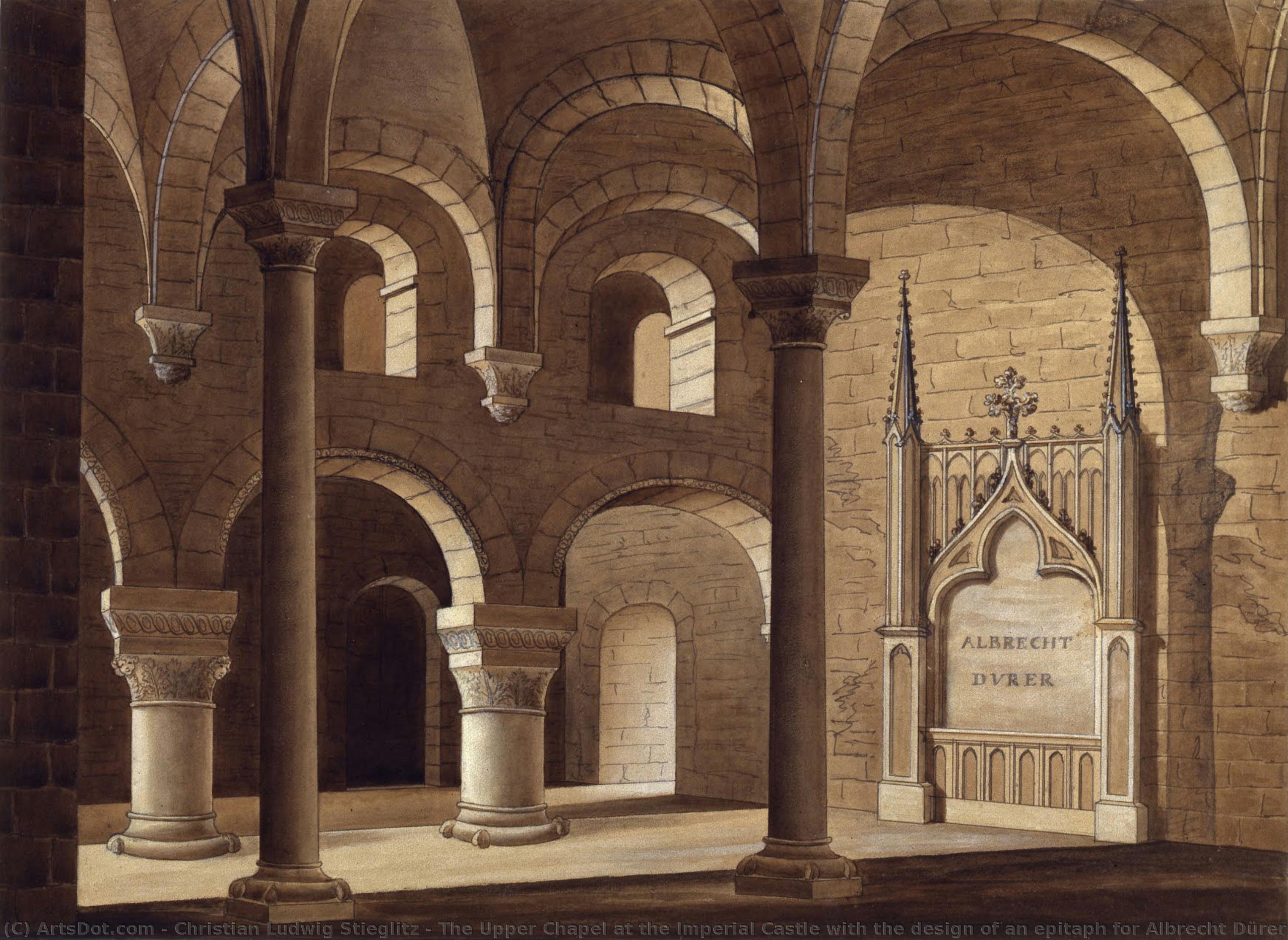
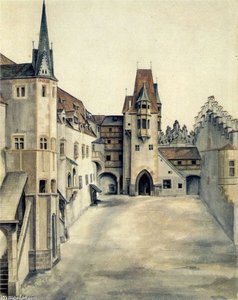
The Upper Chapel at the Imperial Castle with the design of an epitaph for Albrecht Dürer


 Pročitaj više
Kupite digitalnu sliku visoke rezolucije i poboljšanog kvaliteta, koja je znatno superiornija od onoga što vidite u online prikazu.
Svaka datoteka je pedantno pripremljena od strane naših stručnjaka koristeći napredne alate i profesionalnu ručnu retušu. Osiguravamo da svaka slika ima izuzetnu oštrinu, preciznu reprodukciju boja i fine detalje.
Konačna datoteka se dostavlja putem e-pošte u roku od 72 sata, optimizovana za neposrednu upotrebu u profesionalnim, izdavačkim i štamparskim okruženjima. To je isti kvalitet kojem veruju vrhunski studiji dizajna, izdavači i galerije.
Digitalna slika
Preuzmite datoteku visoke rezolucije za ličnu upotrebu, štampanje i kreativne projekte. ( Kupi print Kupi ručno naslikanu sliku)
Uključeno uz svaku porudžbinu digitalne slike
Profesionalna digitalna isporuka, zagarantovana
Kada odaberete ArtsDot.com, ne dobijate samo sliku – vi primate profesionalno unapređeno digitalno umetničko delo, izrađeno sa najvećom preciznošću i uz garanciju zadovoljstva. Evo svega što automatski dolazi uz vašu porudžbinu:

Brza dostava putem e-pošte
Vaša digitalna slika visoke rezolucije biće vam poslata putem e-pošte u roku od 72 sata od poručivanja – spremna za trenutnu upotrebu.

Digitalna datoteka unapređena veštačkom inteligencijom
Vaše umetničko delo je profesionalno optimizovano korišćenjem naprednih AI alata i ručne obrade, čime se osiguravaju maksimalni detalji, oštrina i preciznost boja.

Besplatna ponovna isporuka doživotno
Slučajno ste obrisali ili izgubili svoju datoteku? Ne brinite – poslaćemo vam je ponovo u bilo kom trenutku, potpuno besplatno.

Bez troškova uvoza – zauvek
Uživajte u svojim umetničkim delima trenutno, bez carine, dažbina ili troškova dostave – digitalni download je uvek bez poreza.

Garancija vernosti boja
Uz pomoć profesionalnih alata i upravljanja bojama, osiguravamo da vaša digitalna slika što vernije odražava originalne boje.

Garancija zadovoljstva u roku od 60 dana
Ako niste zadovoljni svojom digitalnom slikom, revidirat ćemo je ili vratiti 100% novca u roku od 60 dana – bez ikakvih pitanja.

100% garancija povrata novca
Niste zadovoljni? Obezbedite pun povrat novca u roku od 60 dana od trenutka kada ste primili svoju digitalnu datoteku – bez suvišnih pitanja.

Popusti na velike porudžbine
Kupite 3 slike, uštedite 10% - Kupite 5 slika, uštedite 15% - Kupite 10+ slika, uštedite 20%. Odlično za kreativne projekte, galerije i agencije.
Srodna umetnička dela
Biografija umetnika
A Life Dedicated to Sacred Space: The Art of Christian Ludwig Stieglitz
Christian Ludwig Stieglitz, born in Leipzig, Germany in 1756 and passing away in 1836, was a figure deeply immersed in the revival of historical styles, particularly those relating to medieval religious art. While not a household name like some of his contemporaries, Stieglitz’s contribution lies in his meticulous dedication to recreating and interpreting the artistic language of earlier eras, specifically within the context of imperial patronage and burgeoning museum culture. His life unfolded during a period of significant change – the Enlightenment giving way to Romanticism – and his work reflects both the rational study of historical forms and a growing appreciation for emotional and spiritual expression. He wasn’t merely copying past masters; he was actively engaging with their legacy, adapting it to suit contemporary needs and tastes.Early Training and Influences
Details regarding Stieglitz's early artistic training remain somewhat scarce, but his later work clearly demonstrates a profound understanding of drawing, composition, and the techniques employed by 14th-century German and Italian painters. It is likely he received formal instruction in Leipzig, a city with a strong tradition of art and scholarship. The influence of Albrecht Dürer is particularly evident in Stieglitz’s precise linework and attention to detail. However, his artistic journey wasn't limited to the German Renaissance; exposure to Byzantine art styles – through engravings or perhaps even travel – also played a crucial role in shaping his aesthetic sensibility. This fascination with Byzantium would become a defining characteristic of his mature work. The rediscovery of classical antiquity during this period undoubtedly impacted Stieglitz, though his focus remained firmly rooted in the medieval world and its spiritual concerns.Imperial Commissions and Chapel Designs
Stieglitz’s career gained significant momentum through commissions from the Habsburg imperial court. He became renowned for his designs of chapel interiors within the Imperial Castle in Vienna. These were not simply decorative projects; they represented a deliberate attempt to connect the present dynasty with the grandeur and legitimacy of the past. The chapels, meticulously planned and executed under Stieglitz’s direction, served as visual statements of imperial power and religious devotion. He skillfully blended various historical styles – Gothic, Romanesque, and Byzantine – creating spaces that evoked a sense of timeless sanctity. His work involved not only painting but also architectural design, stained glass selection, and the integration of sculpture and other decorative elements. The Dürer Epitaph Design stands as a testament to his ability to synthesize these influences into a cohesive artistic vision.The Hungarian Christian Museum: A Legacy Preserved
Perhaps Stieglitz’s most enduring legacy is his contribution to the founding of the Hungarian Christian Museum (Magyar Keresztény Múzeum) in Pest, Hungary. This institution, established during his later years, housed a remarkable collection of medieval religious art – many pieces acquired or commissioned by Stieglitz himself. The museum wasn't merely a repository for historical artifacts; it was intended as a center for scholarly research and artistic inspiration. It provided a platform for the study and appreciation of Christian art from various traditions, fostering a deeper understanding of its symbolism and cultural significance. His dedication to this project demonstrates his belief in the power of art to educate and uplift society. The museum’s collection, carefully curated by Stieglitz, offered a comprehensive overview of medieval religious painting, sculpture, and metalwork, with a particular emphasis on Byzantine influences.Historical Significance and Artistic Style
Christian Ludwig Stieglitz occupies a unique position in the history of 19th-century art. He wasn’t a revolutionary innovator but rather a skilled interpreter and revitalizer of historical styles. His work reflects the growing interest in medievalism during this period, fueled by Romanticism's fascination with the past and its spiritual values. His meticulous attention to detail, combined with his ability to synthesize diverse artistic influences, makes his chapel designs particularly noteworthy. He stands as a representative of an era where art was often seen as a vehicle for expressing religious faith and reinforcing social order. While largely overlooked today, Stieglitz’s contribution to the preservation and study of medieval Christian art – especially through the Hungarian Christian Museum – remains significant. His work offers valuable insights into the artistic tastes and cultural values of the Habsburg Empire during a period of profound transformation. He represents a bridge between the rationalism of the Enlightenment and the emotional intensity of Romanticism, creating sacred spaces that continue to inspire awe and contemplation.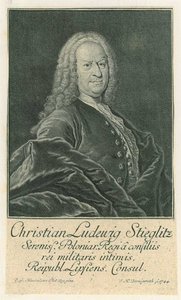
christian ludwig stieglitz
1756 - 1836 , Germany
Kratke činjenice
- Artistic Movement Or Style: Romanticism
- Artists Or Movements Influenced By This Artist: ['Romanticism']
- Artists Who Influenced This Artist:
- Johann Wolfgang Goethe
- Caspar David Friedrich
- Date Of Birth: 1756 Leipzig Germany
- Date Of Death: 1836
- Full Name: Christian Ludwig Stieglitz
- Nationality: German
- Notable Artworks: ["Plans et Dessins Tirés de la Belle Architecture ou Representations D'Edifices executés ou projettés en 115 Planches avec les Explications nécessaires Le tout accompagné d’un Traié abrégé"]
- Place Of Birth: Leipzig Germany

