

 Pregledaj u prostoru
 Pošalji
 Podeli
 Detalji o delu

 Преузми
 Slični predmeti
 Rendgenski snimak
 Slajdovi
 Stats
StatsBallad


 Pročitaj više
Kupite digitalnu sliku visoke rezolucije i poboljšanog kvaliteta, koja je znatno superiornija od onoga što vidite u online prikazu.
Svaka datoteka je pedantno pripremljena od strane naših stručnjaka koristeći napredne alate i profesionalnu ručnu retušu. Osiguravamo da svaka slika ima izuzetnu oštrinu, preciznu reprodukciju boja i fine detalje.
Konačna datoteka se dostavlja putem e-pošte u roku od 72 sata, optimizovana za neposrednu upotrebu u profesionalnim, izdavačkim i štamparskim okruženjima. To je isti kvalitet kojem veruju vrhunski studiji dizajna, izdavači i galerije.
Digitalna slika
Preuzmite datoteku visoke rezolucije za ličnu upotrebu, štampanje i kreativne projekte. ( Switch to Print Kupi ručno naslikanu sliku)
Uključeno uz svaku porudžbinu digitalne slike
Profesionalna digitalna isporuka, zagarantovana
Kada odaberete ArtsDot.com, ne dobijate samo sliku – vi primate profesionalno unapređeno digitalno umetničko delo, izrađeno sa najvećom preciznošću i uz garanciju zadovoljstva. Evo svega što automatski dolazi uz vašu porudžbinu:

Brza dostava putem e-pošte
Vaša digitalna slika visoke rezolucije biće vam poslata putem e-pošte u roku od 72 sata od poručivanja – spremna za trenutnu upotrebu.

Digitalna datoteka unapređena veštačkom inteligencijom
Vaše umetničko delo je profesionalno optimizovano korišćenjem naprednih AI alata i ručne obrade, čime se osiguravaju maksimalni detalji, oštrina i preciznost boja.

Besplatna ponovna isporuka doživotno
Slučajno ste obrisali ili izgubili svoju datoteku? Ne brinite – poslaćemo vam je ponovo u bilo kom trenutku, potpuno besplatno.

Bez troškova uvoza – zauvek
Uživajte u svojim umetničkim delima trenutno, bez carine, dažbina ili troškova dostave – digitalni download je uvek bez poreza.

Garancija vernosti boja
Uz pomoć profesionalnih alata i upravljanja bojama, osiguravamo da vaša digitalna slika što vernije odražava originalne boje.

Garancija zadovoljstva od 100 dana
Ako niste zadovoljni svojom digitalnom slikom, izvršićemo reviziju ili ćemo vam vratiti 100% novca u roku od 100 dana – bez ikakvih pitanja.

100% garancija povrata novca
Niste zadovoljni? Dobijte puni povraćaj novca u roku od 100 dana od prijema digitalne datoteke – bez suvišnih pitanja.

Popusti na velike porudžbine
Kupite 3 slike, uštedite 10% - Kupite 5 slika, uštedite 15% - Kupite 10+ slika, uštedite 20%. Odlično za kreativne projekte, galerije i agencije.
Srodna umetnička dela

Biografija umetnika
A Life Rooted in the Norwegian Landscape
Christian Skredsvig, born March 12, 1854, on the family farm of Skredsvig in Modum, Norway, was an artist profoundly shaped by his origins. The picturesque landscapes of his homeland weren’t merely a backdrop to his life; they were woven into the very fabric of his artistic vision. Growing up amidst the rolling hills and serene waters instilled within him a deep reverence for nature – a sentiment that would permeate every brushstroke throughout his career. Recognizing his early talent, Skredsvig's family provided unwavering support, enabling him to embark on a formal art education at the age of fifteen under Johan Fredrik Eckersberg in Kristiania (now Oslo). This initial training laid a solid foundation, but it was his subsequent studies with Julius Middelthun at the Norwegian National Academy of Craft and Art Industry that further refined his skills. A pivotal period followed – four years spent apprenticing under Vilhelm Kyhn at the Royal Danish Academy of Fine Arts in Copenhagen. These formative experiences weren’t simply about mastering technique; they were about cultivating a sensibility, an understanding of light, form, and composition that would define his unique style.The Shaping of a Naturalistic Vision
Skredsvig's artistic development was a fascinating confluence of influences. The naturalist movement, gaining prominence during his time, encouraged artists to depict the world around them with unflinching realism and meticulous attention to detail. This resonated deeply with Skredsvig’s inherent inclination towards observing and capturing the essence of everyday life. However, it wasn't merely about replication; Kyhn’s emphasis on plein air painting – working outdoors directly from nature – instilled in him a love for direct observation and an appreciation for the subtle nuances of light and atmosphere. His travels to Munich (1875-1878) exposed him to animal painters like H. Zügel, sparking an interest in incorporating animals into his landscapes, adding another layer of narrative depth to his work. A significant chapter unfolded during his time in Paris (1879-1885), where he studied with Léon Bonnat and fully embraced plein air techniques. While never fully aligning himself with the Impressionists, the influence of their exploration of light and color is subtly discernible in his later paintings – a delicate interplay of hues that imbues his landscapes with a lyrical quality. This synthesis of influences—naturalism, direct observation, and a touch of impressionistic sensibility—resulted in an artistic style uniquely his own: one characterized by poetic depictions of Norwegian rural life and the breathtaking beauty of its landscapes.Recognition and Notable Works
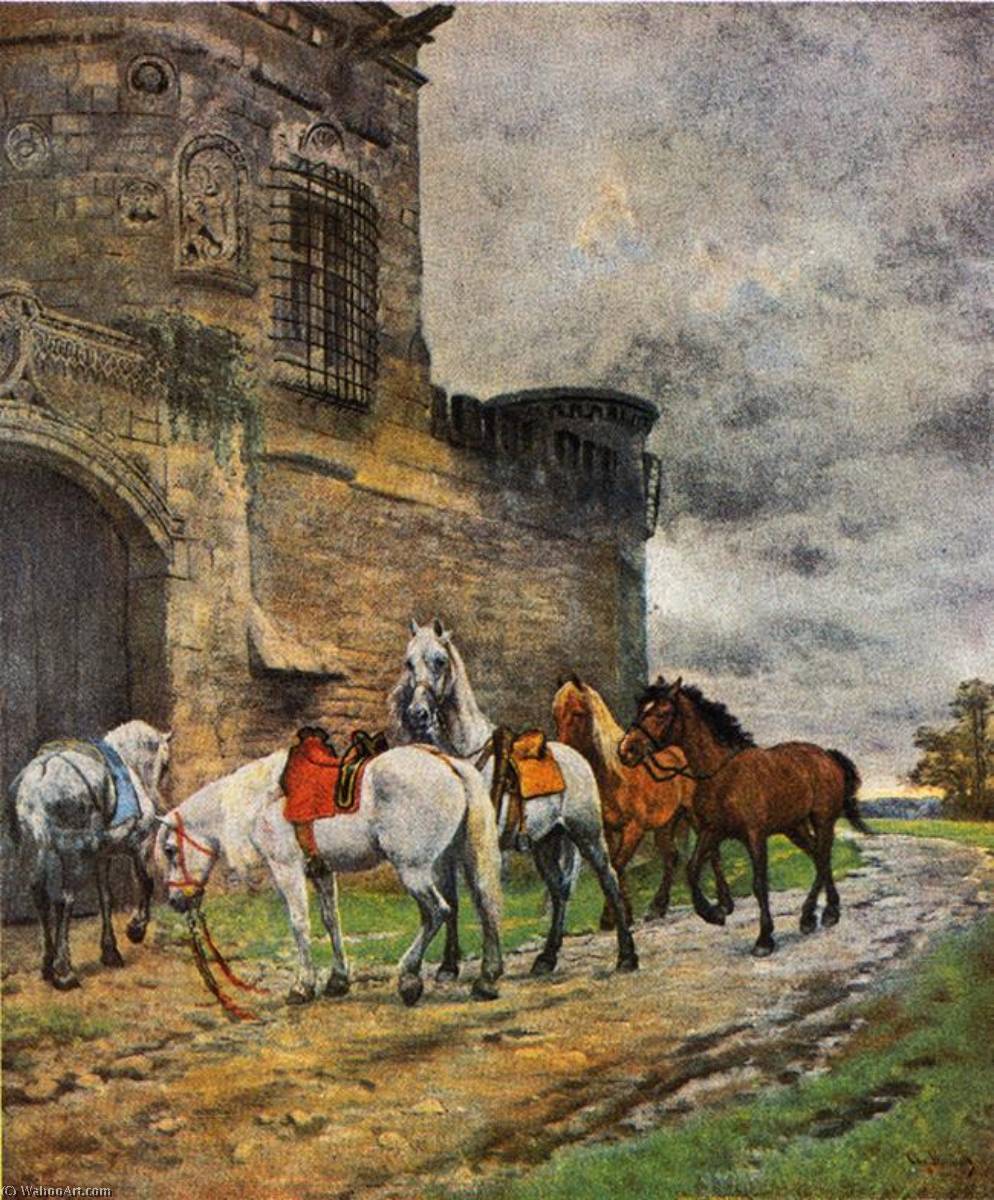
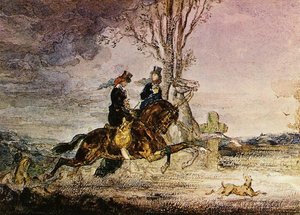
Skredsvig’s talent didn't go unnoticed. In 1872, he received the prestigious Schæffer’s legacy, a testament to his early promise. However, it was in 1881 that he achieved a significant breakthrough, winning a gold medal at the Salon of the Académie des Beaux-Arts in Paris for *Une ferme à Venoix* (A Farm in Venoix). This painting wasn’t just a display of technical skill; it showcased his ability to capture the soul of rural life with both realism and poetic sensitivity. Other notable works further cemented his reputation. Seljefløiten (The Willow Flute) from 1889, exemplifies his neo-romantic style, depicting a serene landscape by Lake Dælivannet with an almost ethereal quality. Idyll (1888), portraying a man and cat in Eggedal, captures the tranquility and simplicity of rural existence with remarkable intimacy. Jupsjøen (1904) is another evocative landscape demonstrating his mastery of light and atmosphere, while Ballad (1881), a romantic depiction featuring horses and a castle under an overcast sky, reveals his ability to evoke mood and narrative through composition. These paintings weren’t merely representations of places; they were expressions of a deep emotional connection to the Norwegian countryside.Beyond the Canvas: Literary Pursuits and Lasting Legacy
Upon returning to Norway in 1886, Skredsvig settled at Fleskum farm in Bærum before eventually moving to Hagan in Eggedal. His home became a vibrant hub for artists, poets, and musicians – a testament to his generous spirit and the creative energy he fostered. But Skredsvig’s talents extended beyond painting. He was also a prolific writer, authoring several books including his insightful autobiography Dage og nætter blandt kunstnere (Days and Nights Among Artists) published in 1908, as well as novels like Møllerens søn (The Miller's Son) from 1912 and Evens hjemkomst (Even’s Homecoming) in 1916. These literary works offer a fascinating glimpse into his thoughts, experiences, and the artistic milieu of his time. Christian Skredsvig passed away on January 19, 1924, leaving behind a rich legacy as one of Norway's most beloved artists. Today, his former home at Hagan is preserved as a museum, offering visitors a unique opportunity to step back in time and experience the world that inspired his art. He remains an important figure in Norwegian art history, celebrated for his contributions to naturalism and neo-romanticism – a painter who captured not just what he saw, but how it *felt* to be immersed in the beauty of the Norwegian landscape.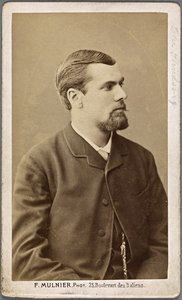
Christian Skredsvig
1854 - 1924