


 Pregledaj u prostoru
 Pošalji
 Podeli
 Detalji o delu

 Преузми
 Slični predmeti
 Rendgenski snimak
 Slajdovi
 Stats
StatsStandard Paper Manufacturing Company

 Pročitaj više
Ručno rađena uljana reprodukcija
Ručno oslikano uljanim bojama na platnu u dimenzijama i okviru po vašem izboru, izrađeno po porudžbini od strane naših umetnika. ( Switch to Print Switch to Digital Image)




































Izaberite jednu od naših unapred definisanih veličina koje odgovaraju originalnim proporcijama umetničkog dela.

Можете унети сопствене димензије како бисте прилагодили дело одређеном оквиру или простору. Ако одабрана величина не одговара пропорцијама оригинала, слика ће бити исечена или проширена додатним елементима који се ручно насликавају. Дигитални prikaz ће вам бити послат на одобрење пре почетка производње.
Имајте на уму да преглед на екрану не одражава стварно исецање или проширење. Само приказ (mockup) ће тачно приказати коначну композицију.
Иако су доступне прилагођене величине, препоручујемо да одаберете димензију из дефинисане листе како бисте сачували оригиналне пропорције.
Nakon narudžbine, tim ArtsDot.com će klijentu putem e-pošte poslati uputstva i dostaviti prikaz predloženog rešenja
Isporuka širom sveta () za 3/4 nedelje umesto uobičajenih 5 nedelja. (7 септембар). Bez kompromisa po pitanju kvaliteta.

Besplatna ekspresna dostava širom sveta

Visokokvalitetno laneno platno

Kompletno osiguranje transporta

Garancija povraćaja carine i uvoznih dažbina

Garancija vernosti boja

Politika povraćaja u roku od 100 dana (isključivo u slučaju nedostataka)

Garancija povrata novca od 100%

Popust pri grupnoj kupovini
 Opcija sa staklom dostupna je samo za dimenzije manje od 110 cm

Standard Paper Manufacturing Company
Tehnika reprodukcije
Dimenzije reprodukcije
-


Konačna cena
$ 263
Srodna umetnička dela










Biografija umetnika
A Legacy of Psychological Depth and Social Insight
The literary landscape of the twentieth century was profoundly enriched by the sharp, penetrating intellect of Christina Ellen Stead. Born in 1902 in the Sydney suburb of Rockdale, Stead emerged not merely as a chronicler of her time, but as a master of psychological realism and biting social satire. Her life, much like the complex characters inhabiting her prose, was a tapestry of movement and transformation. From the sun-drenched shores of Watsons Bay to the bustling intellectual hubs of London and Paris, Stead’s experiences as an expatriate allowed her to view the world through a lens that was simultaneously intimate and detached, capturing the universal struggles of the human condition with unparalleled clarity.
Her formative years were deeply influenced by her father, David George Stead, a renowned marine biologist and naturalist. This early exposure to the intricate rhythms of the natural world instilled in her a lifelong fascination with the underlying structures of life—a trait that would later manifest in her ability to dissect the hidden motivations and repressed traumas within human relationships. Despite the domestic instabilities of her youth, which she often reflected upon through a lens of unflinching honesty, Stead cultivated a rigorous intellectual discipline. Her education at Sydney Teachers' College provided her with a foundation in psychology, a tool she would wield with surgical precision to explore the fractures within family units and the suffocating weight of societal expectations.
The Architecture of the Modernist Novel
Stead’s literary evolution is marked by a transition from the observational to the deeply analytical. As her career progressed, her work became increasingly characterized by a fearless engagement with political and social ideologies. A committed Marxist, her writing often grappled with the tensions between individual desire and systemic oppression. This ideological commitment did not diminish the emotional resonance of her work; rather, it provided a robust framework for her explorations of power dynamics, gender roles, and class struggle. Her prose, often described as highly controlled yet intensely individualistic, possesses a rhythmic vitality that mirrors the chaotic energy of the modern era.
The pinnacle of her creative achievement remains the 1940 masterpiece, The Man Who Loved Children. In this searing portrayal of a dysfunctional family, Stead utilizes a technique of psychological depth that transcends simple storytelling. The novel serves as an autopsy of domestic repression, where every interaction is layered with subtext and every silence carries weight. Through her characters, she explores how the legacies of childhood trauma can ripple through generations, shaping identities and complicating the pursuit of autonomy. It is a work that solidified her reputation as a formidable voice in modernist fiction, capable of blending intense emotionality with rigorous intellectual critique.
Historical Significance and Enduring Resonance
Throughout her prolific career, which spanned over six decades, Stead produced a vast body of work including twelve novels, numerous short stories, and insightful translations. While she faced periods of relative obscurity during her lifetime—partly due to the critical struggle in Australia to embrace an expatriate voice—her posthumous reputation has ascended to great heights. She is now recognized as a vital link in the chain of modernist literature, a writer whose work bridges the gap between the psychological explorations of the early century and the more overtly political narratives that followed.
The enduring significance of Christina Stead lies in her refusal to look away from the uncomfortable truths of existence. Her legacy is defined by several key contributions to the literary canon:
- Mastery of Characterization: The ability to create characters with profound psychological complexity and recognizable human flaws.
- Social Commentary: A fearless critique of societal structures, particularly regarding the constraints placed upon women and the working class.
- Stylistic Innovation: A unique prose style that balances satirical wit with a deeply empathetic understanding of human suffering.
- Global Perspective: An expansive worldview that integrated her Australian roots with the broader currents of European and American modernism.
Today, as readers revisit her novels, they find a voice that remains strikingly contemporary. Stead’s explorations of identity, memory, and the struggle for liberation continue to resonate, ensuring her place as one of Australia's most significant literary exports and a permanent fixture in the study of twentieth-century fiction.
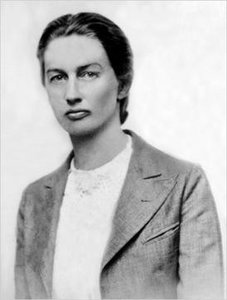
christina ellen stead
1902 - 1983 , Australia
Osnovne informacije
- Artistic Movement Or Style: Modernist Novelist
- Artists Or Movements Influenced By This Artist: ['Existentialism']
- Artists Who Influenced This Artist: ['Virginia Woolf']
- Date Of Birth: 17 July 1902
- Date Of Death: 31 March 1983
- Full Name: Christina Ellen Stead
- Nationality: Australian
- Notable Artworks: ['The Man Who Loved Children']
- Place Of Birth: Sydney, Australia