

 Pregledaj u prostoru
 Pošalji
 Podeli
 Detalji o delu

 Преузми
 Slični predmeti
 Rendgenski snimak
 Slajdovi
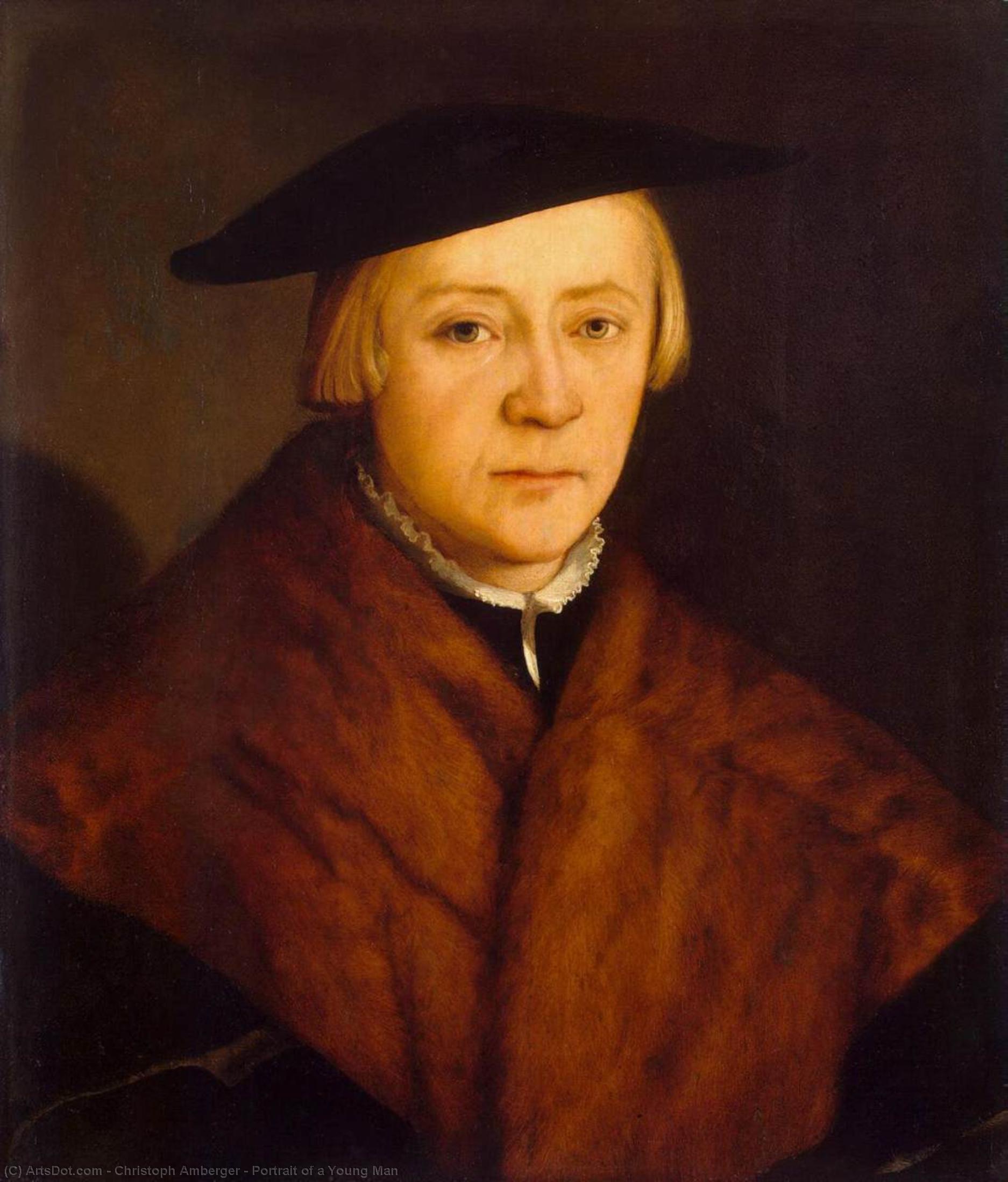
Portrait of a Young Man
 Oil On Canvas
- WallArt
- Renaissance Painting
 Renaissance
 51.0 x 43.0 cm
 Hermitage Museum
 Pročitaj više
Ručno rađena uljana reprodukcija
Ručno oslikano uljanim bojama na platnu u dimenzijama i okviru po vašem izboru, izrađeno po porudžbini od strane naših umetnika. ( Kupi print Kupi digitalnu sliku)




P118B $10

P118H $10

P118W $10

P438Z $10

P508JH $12

P508YH $12

P805H $10

P805Z $10

P919BZ $10

P919G $10

P919XJ $10

P959ZH $10

P968JZ $12

W106C $8

W218G $10

W218JH $8

W218Y $10

W307PJ $10

W316G $10

W316PJ $8

W316Y $10

W398PJ $8

W4111J $10

W500HY $15

W500JH $15

W692G $12

W849H $8

W940BG $15

W953PJ $8




Izaberite jednu od naših unapred definisanih veličina koje odgovaraju originalnim proporcijama umetničkog dela.

Можете унети сопствене димензије како бисте прилагодили дело одређеном оквиру или простору. Ако одабрана величина не одговара пропорцијама оригинала, слика ће бити исечена или проширена додатним елементима који се ручно насликавају. Дигитални prikaz ће вам бити послат на одобрење пре почетка производње.
Имајте на уму да преглед на екрану не одражава стварно исецање или проширење. Само приказ (mockup) ће тачно приказати коначну композицију.
Иако су доступне прилагођене величине, препоручујемо да одаберете димензију из дефинисане листе како бисте сачували оригиналне пропорције.
Nakon narudžbine, tim ArtsDot.com će klijentu putem e-pošte poslati uputstva i dostaviti prikaz predloženog rešenja
Isporuka širom sveta () za 3/4 nedelje umesto uobičajenih 5 nedelja. (29 август). Bez kompromisa po pitanju kvaliteta.

Besplatna ekspresna dostava širom sveta

Visokokvalitetno laneno platno

Kompletno osiguranje transporta

Garancija povraćaja carine i uvoznih dažbina

Garancija vernosti boja

Politika povrata u roku od 60 dana (samo u slučaju nedostataka)

Garancija povrata novca od 100%

Popust pri grupnoj kupovini
 Opcija sa staklom dostupna je samo za dimenzije manje od 110 cm

Portrait of a Young Man
Tehnika reprodukcije
Dimenzije reprodukcije
-


Konačna cena
$ 263
The Gaze of Augsburg: A Renaissance Study in Character
To stand before this portrait is to step directly into the vibrant, meticulously ordered world of 16th-century Augsburg. The subject, a young man whose intense gaze seems to pierce through the centuries, embodies the sophisticated realism characteristic of the High Renaissance period. While whispers of Hans Holbein the Younger linger in its history—a lineage that speaks to unparalleled mastery—it is Christoph Amberger’s hand that guides us through this captivating likeness. Notice the exquisite detail in his attire: the deep black hat trimmed with threads of gold, suggesting a status both respectable and artistically inclined. His beard and mustache are rendered with such delicate precision; they do not merely sit upon his face but seem to grow from it, giving weight and character to his thoughtful expression.
Mastery in Technique and Composition
Amberger’s technique here is a testament to the period's dedication to verisimilitude. The paint handling suggests an almost photographic attention to texture—the soft fall of the fabric contrasting with the sharp definition of the gold trim, or the subtle sheen on his dark hair. Beyond the central figure, the composition deepens the narrative. We observe at least two other figures subtly placed in the background; one standing sentinel behind him, another receding further right. These secondary presences are not mere filler; they anchor the scene within a believable domestic or social setting, perhaps near the visible chair. This careful arrangement elevates the piece from a simple portrait to a complex tableau vivant.
Historical Echoes and Humanism
This work resonates with the humanist spirit that permeated Renaissance art. It is less about divine allegory and more about the profound dignity of the individual. Amberger, trained in the shadow of giants like Holbein, channeled that energy into capturing the inner life. The painting speaks to a time when portraiture was becoming a vital tool for documenting identity and social standing. Owning or displaying a reproduction of this piece is not just acquiring art; it is curating a tangible connection to the intellectual and artistic pulse of Augsburg during its golden age.
Emotional Resonance for the Modern Collector
The emotional impact of this portrait lies in its compelling ambiguity. The young man meets the viewer’s eye with an intensity that demands contemplation—what thoughts occupy him? What story does his bearing conceal? For the collector or designer, this piece offers unparalleled depth. It serves as a magnificent focal point for any space, whether it be a formal study demanding intellectual gravitas or a richly decorated salon seeking historical romance. The crisp realism and enduring quality of Amberger’s vision ensure that its narrative power remains undiminished across generations.
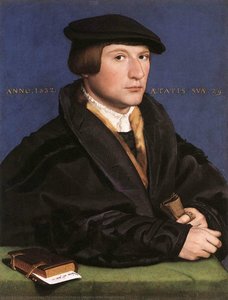
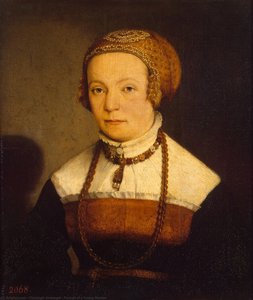
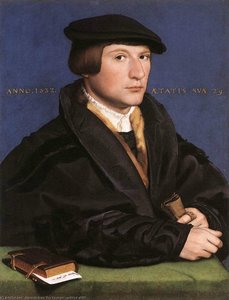
Srodna umetnička dela




Biografija umetnika
The Silent Witness of Augsburg’s Renaissance
In the vibrant, bustling heart of 16th-century Augsburg, a city that pulsed with the economic energy of European trade, there lived an artist whose brush captured the very soul of the High Renaissance. Christoph Amberger (c. 1505 – 1562) was not merely a painter of figures, but a meticulous chronicler of human dignity and divine narrative. Born into a lineage of craftsmen—the son of a stonemason and grandson of a woodcarver—Amberger inherited a profound respect for the tactile precision of art. This foundational upbringing in the traditions of German craftsmanship provided the bedrock upon which he would build a career defined by clarity, realism, and an unwavering attention to detail.
The trajectory of Amberger’s talent was irrevocably altered through his apprenticeship under the legendary Hans Holbein the Younger. From Holbein, Amberger inherited more than just technical skill; he absorbed a specific psychological language, a way of rendering the human countenance that allowed a sitter to breathe through the oil and pigment. This mentorship instilled in him a mastery of crisp realism, enabling him to navigate the delicate balance between capturing physical likeness and conveying the inner character of his subjects. His work became a bridge between the Northern European tradition of meticulous detail and the burgeoning humanist ideals sweeping across the continent.
A Journey Through Faith and Humanism
Amberger’s artistic evolution was significantly enriched by his travels, most notably his sojourn through Northern Italy between 1525 and 1527. Immersing himself in the artistic atmosphere of Venice and Florence, he stood in the shadow of giants like Leonardo da Vinci and Michelangelo. This exposure to the Italian Renaissance breathed a new dimension into his work, infusing his German roots with a sophisticated understanding of composition and the monumental grace of the South. Upon his return to Augsburg, this synthesis of styles allowed him to engage with the city's most powerful patrons, including the legendary merchant Jakob Fugger and the statesman Konrad Peutinger.
Perhaps his most enduring contribution to the art historical canon is his profound engagement with biblical storytelling. His celebrated series, The History of Joseph, stands as a testament to his ability to transform scripture into visual dialogue. Through twelve magnificent canvases, Amberger meticulously recounts the life of Joseph, utilizing symbolic resonance to explore themes of virtue, providence, and faith. These are not merely illustrations of text; they are carefully constructed worlds where every fold of fabric and every shadow serves to deepen the theological narrative, making the ancient stories feel immediate and profoundly human.
Legacy of a Master Portraitist
Beyond his religious narratives, Amberger’s legacy is etched into the faces of the era's most influential figures. His portraiture served as a vital historical record of the political and economic titans of his time. By capturing the likenesses of individuals such as Emperor Charles V and the prominent members of the Fugger dynasty, he provided a window into the power structures of the 16th century. His portraits are characterized by:
- Psychological Depth: A profound ability to capture the gravity and intellect of his subjects.
- Material Precision: An exquisite rendering of textures, from heavy velvets to the cold sheen of armor.
- Humanist Spirit: A focus on the individual as a central figure of importance within the cosmic and social order.
Though he may not have sought the flamboyant fame of some of his contemporaries, Christoph Amberger remains an indispensable figure of the German Renaissance. His life’s work represents a harmonious intersection of Northern precision and Italian grace, leaving behind a body of work that continues to resonate with the quiet strength of a master who saw the divine in the details of the human experience.
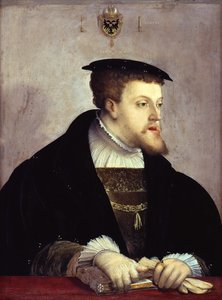
Christoph Amberger
1505 - 1562 , Germany
Osnovne informacije
- Artistic Movement Or Style: Renaissance
- Artists Or Movements Influenced By This Artist: Italian Renaissance
- Artists Who Influenced This Artist: Hans Holbein
- Date Of Birth: c. 1505
- Date Of Death: 1562
- Full Name: Christoph Amberger
- Nationality: German
- Notable Artworks: ['History of Joseph']
- Place Of Birth: Berlin, Germany
Povezani članci

The Enduring Legacy of Oil on Canvas: Technique, History & Aesthetic Impact
Explore the rich history & techniques of oil painting – from Renaissance masters to Impressionism. Discover pigments, layering methods, and why this timeless medium endures. Expert insights for artists & art enthusiasts.

Oil on Canvas: A Historical & Technical Exploration of a Timeless Artistic Medium
Explore the rich history & enduring techniques of oil painting on canvas. Discover the science behind its longevity, conservation practices, and contemporary relevance. Expert insights for art enthusiasts.

The Enduring Power of Painting: A Historical & Contemporary Exploration of Form and Emotion
Explore the rich history & enduring techniques of oil painting with ArtsDot. Discover masterpieces, learn about art collecting, and find authentic handmade reproductions crafted by skilled artists.

Trajnu Ostavština Uljanih Boja na Platnu: Tehnika, Istorija i Savremena Praksa
Istražite bogatu istoriju i savremene tehnike uljanog slikarstva. Saveti stručnjaka, analiza radova velikih majstora i vodiči za biranje kvalitetnih materijala. Otkrijte tajne očuvanja umetničkih dela!
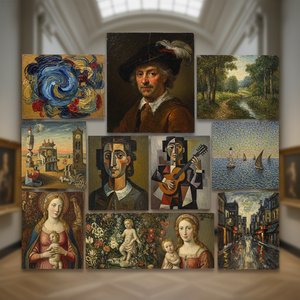
Oil on Board Masters: 10 Paintings That Redefined Art | ArtsDot
Explore 10 legendary 'Oil on Board' masterpieces by Van Gogh, Monet & more! Discover art history, iconic styles like Impressionism, and find museum-quality reproductions to elevate your home decor. Explore the full collection online at ArtsDot.com.

