

 Pregledaj u prostoru
 Pošalji
 Podeli
 Detalji o delu

 Преузми
 Slični predmeti
 Rendgenski snimak
 Slajdovi
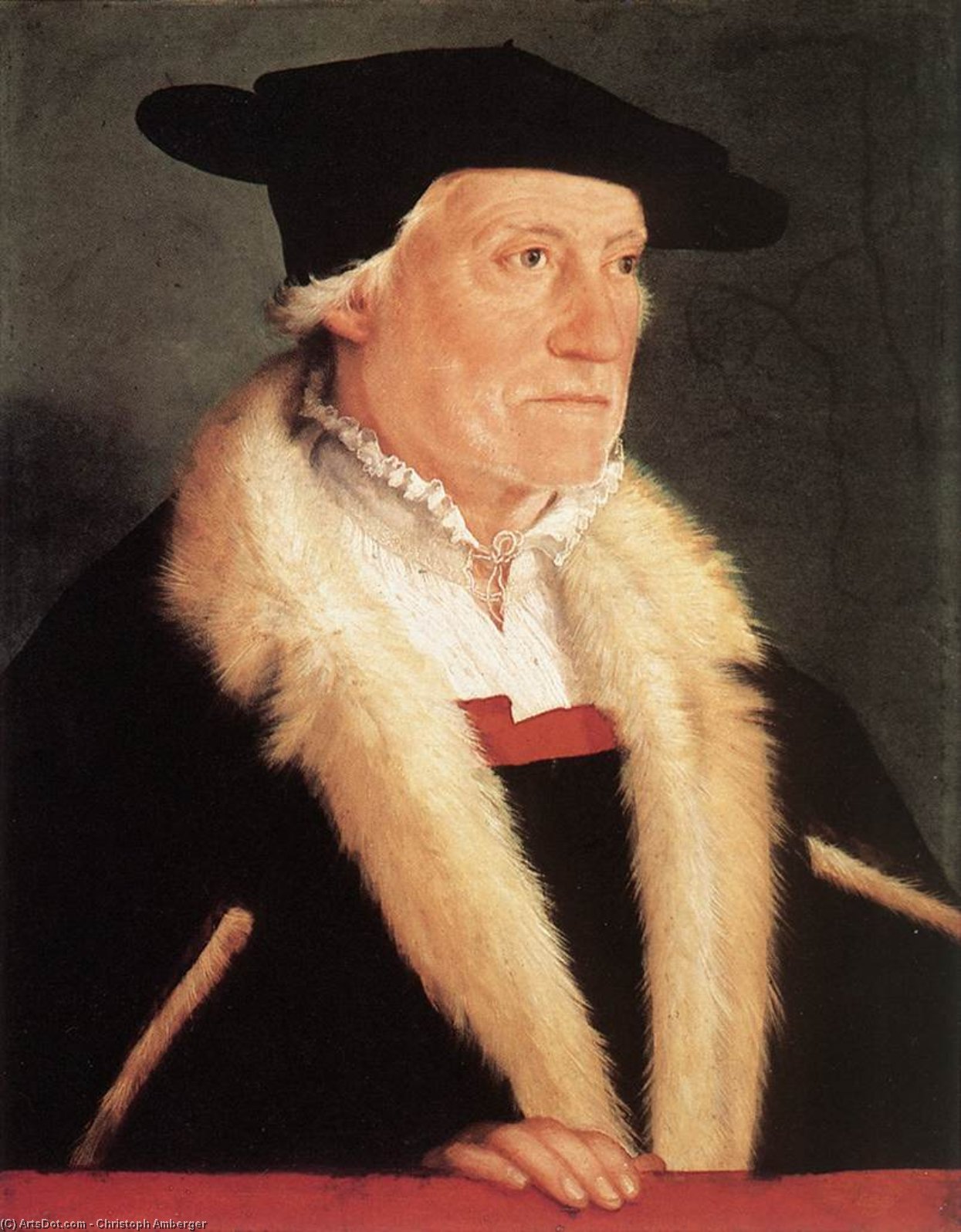
Portrait of the Cosmographer Sebastien Münster
 Acrylic On Canvas
- WallArt
- Renaissance Humanist Portraiture
 1552
1552 54.0 x 42.0 cm
 Staatliche Museen zu Berlin
 Pročitaj više
Kupite digitalnu sliku visoke rezolucije i poboljšanog kvaliteta, koja je znatno superiornija od onoga što vidite u online prikazu.
Svaka datoteka je pedantno pripremljena od strane naših stručnjaka koristeći napredne alate i profesionalnu ručnu retušu. Osiguravamo da svaka slika ima izuzetnu oštrinu, preciznu reprodukciju boja i fine detalje.
Konačna datoteka se dostavlja putem e-pošte u roku od 72 sata, optimizovana za neposrednu upotrebu u profesionalnim, izdavačkim i štamparskim okruženjima. To je isti kvalitet kojem veruju vrhunski studiji dizajna, izdavači i galerije.
Digitalna slika
Preuzmite datoteku visoke rezolucije za ličnu upotrebu, štampanje i kreativne projekte. ( Kupi print Kupi ručno naslikanu sliku)
Uključeno uz svaku porudžbinu digitalne slike
Profesionalna digitalna isporuka, zagarantovana
Kada odaberete ArtsDot.com, ne dobijate samo sliku – vi primate profesionalno unapređeno digitalno umetničko delo, izrađeno sa najvećom preciznošću i uz garanciju zadovoljstva. Evo svega što automatski dolazi uz vašu porudžbinu:

Brza dostava putem e-pošte
Vaša digitalna slika visoke rezolucije biće vam poslata putem e-pošte u roku od 72 sata od poručivanja – spremna za trenutnu upotrebu.

Digitalna datoteka unapređena veštačkom inteligencijom
Vaše umetničko delo je profesionalno optimizovano korišćenjem naprednih AI alata i ručne obrade, čime se osiguravaju maksimalni detalji, oštrina i preciznost boja.

Besplatna ponovna isporuka doživotno
Slučajno ste obrisali ili izgubili svoju datoteku? Ne brinite – poslaćemo vam je ponovo u bilo kom trenutku, potpuno besplatno.

Bez troškova uvoza – zauvek
Uživajte u svojim umetničkim delima trenutno, bez carine, dažbina ili troškova dostave – digitalni download je uvek bez poreza.

Garancija vernosti boja
Uz pomoć profesionalnih alata i upravljanja bojama, osiguravamo da vaša digitalna slika što vernije odražava originalne boje.

Garancija zadovoljstva u roku od 60 dana
Ako niste zadovoljni svojom digitalnom slikom, revidirat ćemo je ili vratiti 100% novca u roku od 60 dana – bez ikakvih pitanja.

100% garancija povrata novca
Niste zadovoljni? Obezbedite pun povrat novca u roku od 60 dana od trenutka kada ste primili svoju digitalnu datoteku – bez suvišnih pitanja.

Popusti na velike porudžbine
Kupite 3 slike, uštedite 10% - Kupite 5 slika, uštedite 15% - Kupite 10+ slika, uštedite 20%. Odlično za kreativne projekte, galerije i agencije.
A Portrait Steeped in Renaissance Humanism: Christoph Amberger’s Münster
The Staatliche Museen Berlin houses a remarkable testament to Augsburg's artistic fervor during the High Renaissance – Christoph Amberger’s “Portrait of the Cosmographer Sebastien Münster,” completed in 1552. Measuring 54 x 42 cm, this painting transcends mere likeness; it embodies the humanist ideals that defined the era and continues to resonate with viewers today.The Artist's Influence: Holbein's Legacy
Christoph Amberger’s artistic development was profoundly shaped by his apprenticeship under Hans Holbein the Younger, Augsburg’s foremost painter of the time. Holbein’s distinctive style—characterized by unflinching realism and astute psychological observation—established a benchmark for portraiture. Amberger skillfully absorbed Holbein's techniques, prioritizing anatomical accuracy and conveying inner character through subtle expressions and gestures. This connection is palpable in Amberger’s meticulous rendering of Münster’s face, capturing the gaze of a learned scholar with remarkable sensitivity.Style and Technique: Crisp Realism and Atmospheric Depth
Amberger employed a style firmly rooted in Northern Renaissance realism, prioritizing detail and tonal gradation to achieve atmospheric depth. The artist utilized oil paint on panel—a favored medium for portraiture during this period—allowing for nuanced shading and capturing the textures of fabric and skin with exceptional precision. Note the careful layering of pigments, creating a luminous surface that enhances the impression of solidity and presence. The muted palette contributes to the painting’s contemplative mood, emphasizing the dignity and seriousness of Münster's countenance.Historical Context: Augsburg Under Maximilian I
The portrait emerged during Maximilian I’s reign—a pivotal moment in Augsburg’s history as it solidified its position as a center of humanist scholarship and artistic innovation. Maximilian actively fostered intellectual pursuits and commissioned artworks that celebrated human achievement, reflecting the broader cultural currents sweeping across Europe. Münster himself was a prominent cosmographer—a scholar dedicated to mapping the cosmos—representing the burgeoning scientific curiosity of the Renaissance alongside traditional piety.Symbolism: Dignity and Scholarly Pursuit
Beyond its visual realism, “Portrait of the Cosmographer Sebastien Münster” carries symbolic weight. The dark robe adorned with a crimson lining signifies nobility and ecclesiastical authority – reflecting Münster’s role as Bishop of Münster. The hat—a symbol of status and intellect—underscores his scholarly pursuits and intellectual stature. Amberger's masterful composition reinforces these themes, presenting Münster as an embodiment of humanist virtue: wisdom, piety, and dedication to knowledge.Emotional Impact: Contemplative Serenity
The painting evokes a sense of contemplative serenity – inviting viewers to contemplate the dignity of human intellect and the enduring power of artistic representation. Amberger’s ability to convey inner character through visual cues speaks to the profound psychological depth achieved by Renaissance artists. “Portrait of the Cosmographer Sebastien Münster” remains an inspiring example of how art can illuminate both the historical moment and the timeless qualities of human experience.Srodna umetnička dela








Biografija umetnika
The Silent Witness of Augsburg’s Renaissance
In the vibrant, bustling heart of 16th-century Augsburg, a city that pulsed with the economic energy of European trade, there lived an artist whose brush captured the very soul of the High Renaissance. Christoph Amberger (c. 1505 – 1562) was not merely a painter of figures, but a meticulous chronicler of human dignity and divine narrative. Born into a lineage of craftsmen—the son of a stonemason and grandson of a woodcarver—Amberger inherited a profound respect for the tactile precision of art. This foundational upbringing in the traditions of German craftsmanship provided the bedrock upon which he would build a career defined by clarity, realism, and an unwavering attention to detail.
The trajectory of Amberger’s talent was irrevocably altered through his apprenticeship under the legendary Hans Holbein the Younger. From Holbein, Amberger inherited more than just technical skill; he absorbed a specific psychological language, a way of rendering the human countenance that allowed a sitter to breathe through the oil and pigment. This mentorship instilled in him a mastery of crisp realism, enabling him to navigate the delicate balance between capturing physical likeness and conveying the inner character of his subjects. His work became a bridge between the Northern European tradition of meticulous detail and the burgeoning humanist ideals sweeping across the continent.
A Journey Through Faith and Humanism
Amberger’s artistic evolution was significantly enriched by his travels, most notably his sojourn through Northern Italy between 1525 and 1527. Immersing himself in the artistic atmosphere of Venice and Florence, he stood in the shadow of giants like Leonardo da Vinci and Michelangelo. This exposure to the Italian Renaissance breathed a new dimension into his work, infusing his German roots with a sophisticated understanding of composition and the monumental grace of the South. Upon his return to Augsburg, this synthesis of styles allowed him to engage with the city's most powerful patrons, including the legendary merchant Jakob Fugger and the statesman Konrad Peutinger.
Perhaps his most enduring contribution to the art historical canon is his profound engagement with biblical storytelling. His celebrated series, The History of Joseph, stands as a testament to his ability to transform scripture into visual dialogue. Through twelve magnificent canvases, Amberger meticulously recounts the life of Joseph, utilizing symbolic resonance to explore themes of virtue, providence, and faith. These are not merely illustrations of text; they are carefully constructed worlds where every fold of fabric and every shadow serves to deepen the theological narrative, making the ancient stories feel immediate and profoundly human.
Legacy of a Master Portraitist
Beyond his religious narratives, Amberger’s legacy is etched into the faces of the era's most influential figures. His portraiture served as a vital historical record of the political and economic titans of his time. By capturing the likenesses of individuals such as Emperor Charles V and the prominent members of the Fugger dynasty, he provided a window into the power structures of the 16th century. His portraits are characterized by:
- Psychological Depth: A profound ability to capture the gravity and intellect of his subjects.
- Material Precision: An exquisite rendering of textures, from heavy velvets to the cold sheen of armor.
- Humanist Spirit: A focus on the individual as a central figure of importance within the cosmic and social order.
Though he may not have sought the flamboyant fame of some of his contemporaries, Christoph Amberger remains an indispensable figure of the German Renaissance. His life’s work represents a harmonious intersection of Northern precision and Italian grace, leaving behind a body of work that continues to resonate with the quiet strength of a master who saw the divine in the details of the human experience.

Christoph Amberger
1505 - 1562 , Germany
Kratke činjenice
- Artistic Movement Or Style: Renaissance
- Artists Or Movements Influenced By This Artist: Italian Renaissance
- Artists Who Influenced This Artist: Hans Holbein
- Date Of Birth: c. 1505
- Date Of Death: 1562
- Full Name: Christoph Amberger
- Nationality: German
- Notable Artworks: ['History of Joseph']
- Place Of Birth: Berlin, Germany

