

 Pregledaj u prostoru
 Pošalji
 Podeli
 Detalji o delu

 Преузми
 Slični predmeti
 Rendgenski snimak
 Slajdovi
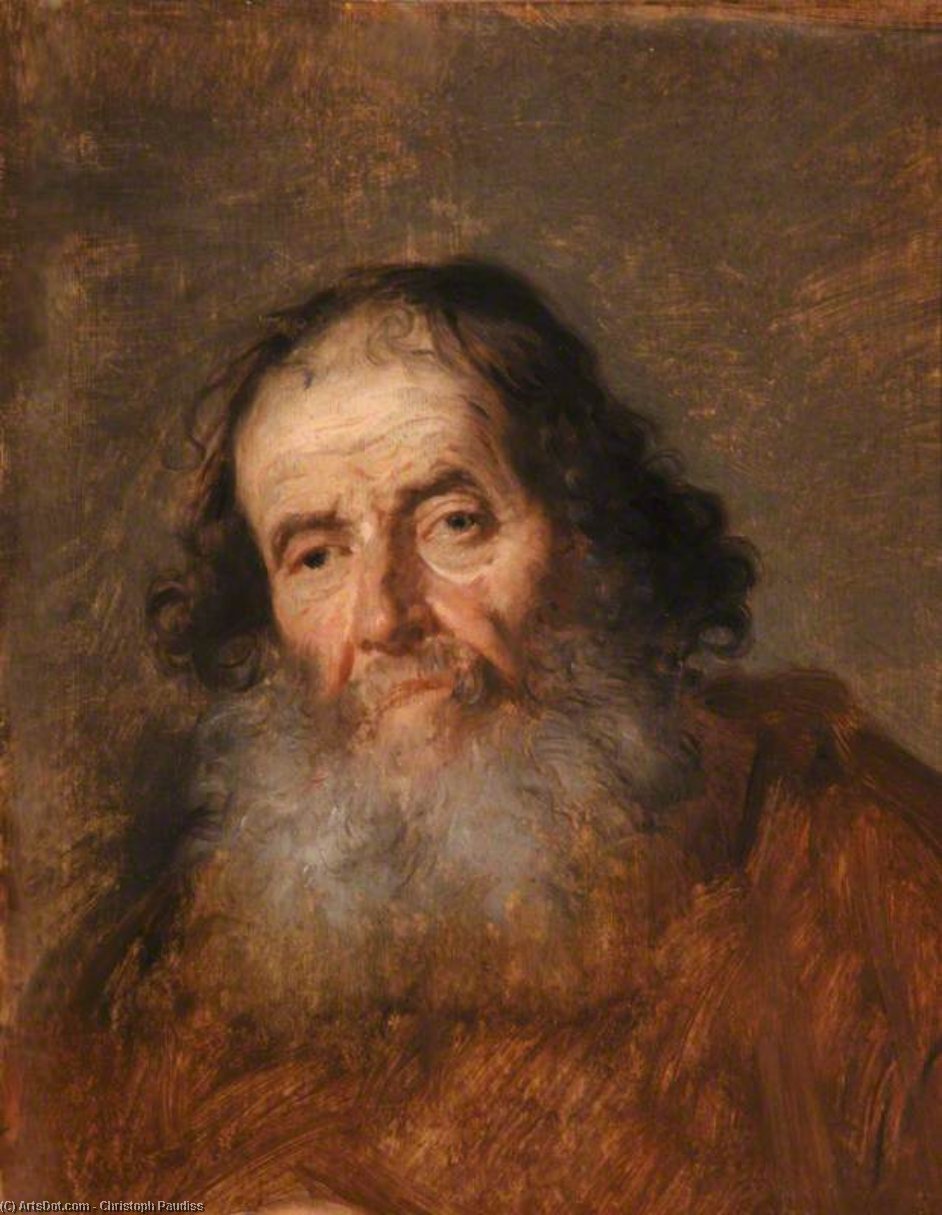
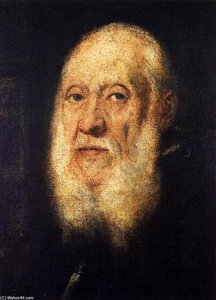
Study Of The Head Of A Bearded Man
 Pročitaj više
Ručno rađena uljana reprodukcija
Ručno oslikano uljanim bojama na platnu u dimenzijama i okviru po vašem izboru, izrađeno po porudžbini od strane naših umetnika. ( Kupi print Kupi digitalnu sliku)




































Izaberite jednu od naših unapred definisanih veličina koje odgovaraju originalnim proporcijama umetničkog dela.

Можете унети сопствене димензије како бисте прилагодили дело одређеном оквиру или простору. Ако одабрана величина не одговара пропорцијама оригинала, слика ће бити исечена или проширена додатним елементима који се ручно насликавају. Дигитални prikaz ће вам бити послат на одобрење пре почетка производње.
Имајте на уму да преглед на екрану не одражава стварно исецање или проширење. Само приказ (mockup) ће тачно приказати коначну композицију.
Иако су доступне прилагођене величине, препоручујемо да одаберете димензију из дефинисане листе како бисте сачували оригиналне пропорције.
Nakon narudžbine, tim ArtsDot.com će klijentu putem e-pošte poslati uputstva i dostaviti prikaz predloženog rešenja
Isporuka širom sveta () za 3/4 nedelje umesto uobičajenih 5 nedelja. (1 септембар). Bez kompromisa po pitanju kvaliteta.

Besplatna ekspresna dostava širom sveta

Visokokvalitetno laneno platno

Kompletno osiguranje transporta

Garancija povraćaja carine i uvoznih dažbina

Garancija vernosti boja

Politika povrata u roku od 60 dana (samo u slučaju nedostataka)

Garancija povrata novca od 100%

Popust pri grupnoj kupovini
 Opcija sa staklom dostupna je samo za dimenzije manje od 110 cm

Study Of The Head Of A Bearded Man
Tehnika reprodukcije
Dimenzije reprodukcije
-


Konačna cena
$ 263
Srodna umetnička dela
Biografija umetnika
Christoph Paudiss: A Shadowed Master of the Bavarian Baroque
Christoph Paudiss, a name perhaps less familiar than his contemporaries Rembrandt or Rubens, nevertheless stands as a significant figure within the vibrant tapestry of 17th-century German art. Born in Lower Saxony around 1625 (though records suggest a birth year closer to 1630), and tragically dying in Freising in 1666, Paudiss’s life was marked by constant movement – a reflection perhaps of the turbulent political landscape of his era. His artistic journey began under the tutelage of Rembrandt van Rijn in Leiden, an experience that profoundly shaped his approach to light, shadow, and psychological depth. This early influence is immediately apparent in his later works, where he masterfully employs chiaroscuro—the dramatic interplay of light and dark—to create a sense of realism and emotional intensity rarely seen in contemporary German painting.Early Life and Artistic Training
Paudiss’s formative years were spent largely outside the established artistic centers of Germany, initially in Leiden under Rembrandt's guidance. This period was crucial for developing his technical skills and understanding of composition. However, it wasn’t simply imitation; Paudiss quickly developed a distinct style, characterized by a darker palette and a focus on portraying everyday life with unflinching honesty. Following his time in the Netherlands, he embarked on a peripatetic career, working in Stuttgart, Prague, Dresden, Vienna, and Salzburg – each location leaving its subtle imprint upon his artistic vision. These travels exposed him to diverse cultural influences and provided him with a broad range of subject matter, from religious scenes to intimate portraits and still lifes.A Palette of Realism: Subjects and Techniques
Paudiss’s oeuvre is remarkably varied, encompassing portraits, genre scenes depicting the lives of ordinary people, and meticulously rendered still lifes. His portraits are particularly noteworthy for their psychological insight; he doesn't merely capture a likeness but strives to reveal the character and inner life of his subjects. Consider “Portrait of a Young Man in a Fur Hat,” a prime example of his ability to convey both physical appearance and emotional state through subtle gestures and expressions. Similarly, works like "Einen Brief Lesender Alter Mann Mit Seiner Katze" (A Man Reading a Letter with His Cat) demonstrate a keen eye for detail and an appreciation for the quiet beauty of domestic life. His still lifes are equally compelling, often featuring humble subjects—a loaf of bread, a pipe, a bowl of fruit—presented with remarkable realism and attention to texture. Key Techniques:- Chiaroscuro: Masterful use of light and shadow to create dramatic effects.
- Realism: A commitment to portraying subjects as they are, without idealization.
- Psychological Depth: Capturing the inner lives and emotions of his subjects.
The Freisinger Legacy and Historical Significance
Paudiss spent his final years in Freising, Bavaria, where he served as a court painter for Fürstbischof Albrecht Sigismund von Bayern. It was here that he produced some of his most enduring works, including numerous frescoes and paintings now housed primarily at the Dombergmuseum in Freising. His work during this period reflects a shift towards darker, more somber tones, possibly influenced by the prevailing anxieties of the time. Despite his relatively short career, Paudiss’s contribution to German Baroque art is considerable. He stands as a bridge between the idealized styles of earlier generations and the emerging realism that would characterize later artists like Lucas Cranach the Younger. His unflinching portrayal of everyday life, combined with his technical skill and psychological insight, secures his place as a significant, though often overlooked, master of the Bavarian Baroque.Further Exploration
For deeper insights into Christoph Paudiss’s life and work, consider visiting the Web Gallery of Art (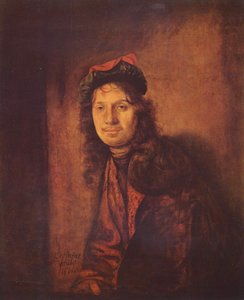
christoph paudiss
1618 - 1666 , Germany
Osnovne informacije
- Artistic Movement Or Style: Baroque painting
- Artists Or Movements Influenced By This Artist: ['Baroque']
- Artists Who Influenced This Artist: ['Rembrandt van Rijn']
- Date Of Birth: 1618, Lower Saxony
- Date Of Death: 1666, Freising
- Full Name: Christoph Paudiss
- Nationality: German
- Notable Artworks:
- Portrait of a Young Man
- Einen Brief Lesender Alter Mann
- Self-portrait
- Place Of Birth: Lower Saxony, Germany

