

 Pošalji
 Podeli
 Detalji o delu

 Преузми
 Slični predmeti
 Slajdovi
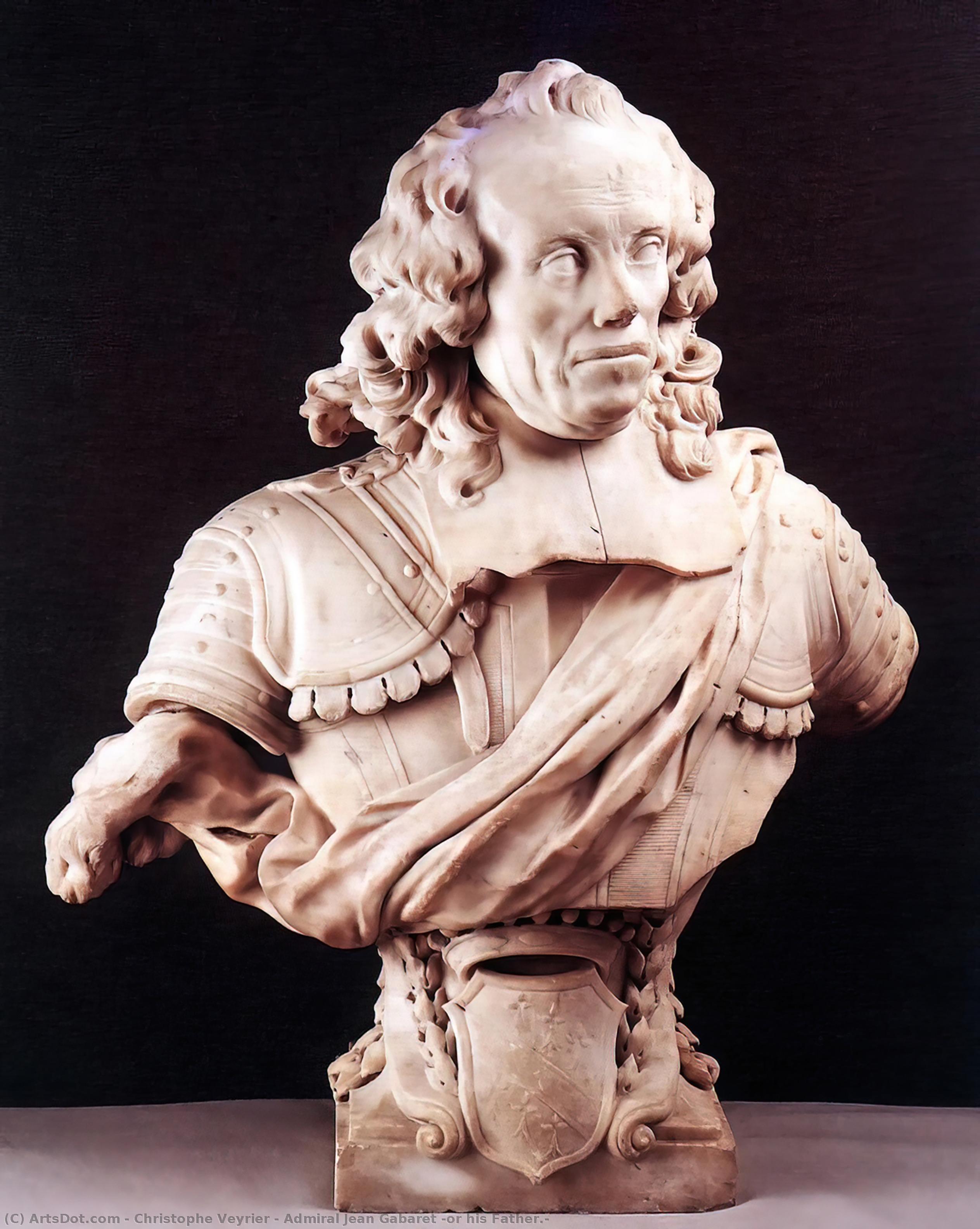
Admiral Jean Gabaret (or his Father.)


 Pročitaj više
Ručno rađena uljana reprodukcija
Ručno oslikano uljanim bojama na platnu u dimenzijama i okviru po vašem izboru, izrađeno po porudžbini od strane naših umetnika. ( Kupi print Kupi digitalnu sliku)




































Izaberite jednu od naših unapred definisanih veličina koje odgovaraju originalnim proporcijama umetničkog dela.

Можете унети сопствене димензије како бисте прилагодили дело одређеном оквиру или простору. Ако одабрана величина не одговара пропорцијама оригинала, слика ће бити исечена или проширена додатним елементима који се ручно насликавају. Дигитални prikaz ће вам бити послат на одобрење пре почетка производње.
Имајте на уму да преглед на екрану не одражава стварно исецање или проширење. Само приказ (mockup) ће тачно приказати коначну композицију.
Иако су доступне прилагођене величине, препоручујемо да одаберете димензију из дефинисане листе како бисте сачували оригиналне пропорције.
Nakon narudžbine, tim ArtsDot.com će klijentu putem e-pošte poslati uputstva i dostaviti prikaz predloženog rešenja
Isporuka širom sveta () za 3/4 nedelje umesto uobičajenih 5 nedelja. (7 септембар). Bez kompromisa po pitanju kvaliteta.

Besplatna ekspresna dostava širom sveta

Visokokvalitetno laneno platno

Kompletno osiguranje transporta

Garancija povraćaja carine i uvoznih dažbina

Garancija vernosti boja

Politika povraćaja u roku od 100 dana (isključivo u slučaju nedostataka)

Garancija povrata novca od 100%

Popust pri grupnoj kupovini
 Opcija sa staklom dostupna je samo za dimenzije manje od 110 cm

Admiral Jean Gabaret (or his Father.)
Tehnika reprodukcije
Dimenzije reprodukcije
-


Konačna cena
$ 263
A Portrait of Dignity: Christophe Veyrier’s Bust of Jean Gabaret
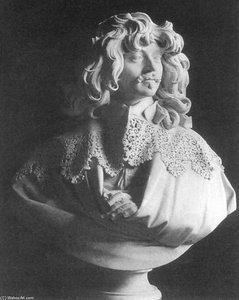
The marble bust depicting Admiral Jean Gabaret (or his Father), crafted by Christophe Veyrier in 1660, stands as a remarkable exemplar of French Baroque sculpture—a testament to the enduring influence of Pierre Puget and the vibrant artistic milieu of Genoa during Veyrier’s formative years. This piece transcends mere representation; it embodies an idealized vision of leadership and nobility, reflecting the stylistic currents prevalent at the time while simultaneously grounding itself in classical principles.The Sculptor's Legacy: Pugetian Influence
Christophe Veyrier’s artistic journey was inextricably linked to that of Pierre Puget—a titan amongst sculptors whose mastery of marble and drapery captivated audiences across Europe. Puget, renowned for his emotive figures imbued with palpable movement and psychological depth, instilled in Veyrier a profound appreciation for expressive realism alongside the elegance of classical form. This dual inheritance is evident throughout Veyrier’s oeuvre, particularly in his meticulous attention to detail and his ability to convey nuanced emotion through sculpted surfaces—a characteristic undeniably indebted to Puget's groundbreaking innovations.Technique and Material: Genoese Marble
The bust itself showcases Veyrier’s exceptional skill in manipulating marble—specifically Genoese Carrara marble, prized for its purity and translucency. The sculptor employed a subtractive technique, meticulously carving away excess material to reveal the underlying form with breathtaking precision. Furthermore, he skillfully rendered the folds of Gabaret's costume and hair, utilizing subtle gradations of tone and texture to achieve an astonishing degree of realism—a hallmark of Baroque sculpture’s ambition to capture not just appearance but also spirit. The luminous quality of the marble contributes significantly to the bust’s overall impact, enhancing its solemn grandeur and conveying a sense of timeless dignity.Historical Context: Bourbon Ascendancy
Created during the reign of Louis XIV—the zenith of Bourbon absolutism—the bust reflects the artistic sensibilities of an era obsessed with projecting royal power and prestige. Gabaret, a naval officer serving under Louis XIII and continuing his father’s legacy into Louis XIV's rule, embodies the virtues deemed essential for leadership: courage, honor, and unwavering devotion to duty. The sculpture served as a visual affirmation of the Bourbon monarchy’s dominance—a deliberate effort to solidify its image as benevolent protector and guarantor of stability amidst turbulent political currents.Symbolism: Idealized Portraiture
Beyond its historical significance, the bust operates on a symbolic level, elevating Gabaret's likeness to an archetype of noble manhood. The pose—rigid yet dignified—suggests composure and resolve, mirroring the virtues expected of rulers striving for moral excellence. Similarly, the meticulous depiction of Gabaret’s facial expression conveys seriousness and contemplation—reflecting the intellectual pursuits and spiritual aspirations characteristic of the Baroque period. The bust's enduring appeal lies in its ability to communicate profound ideas about leadership and virtue through a masterful fusion of artistic technique and symbolic representation.Emotional Impact: A Reflection of Power
Ultimately, Christophe Veyrier’s Bust of Jean Gabaret commands attention not merely for its technical brilliance but also for its capacity to evoke emotion—specifically awe and admiration. The sculpture's monumental scale reinforces its solemn grandeur, transporting the viewer back to a pivotal moment in French history. More importantly, it invites contemplation on themes of honor, duty, and nobility—inspiring viewers to consider what constitutes true leadership and striving for excellence in their own lives. It remains a poignant reminder that art can transcend time, communicating enduring values and capturing the essence of human aspiration.Srodna umetnička dela
Biografija umetnika
Christophe Veyrier: A Sculptor Shaped by Puget and Genoa
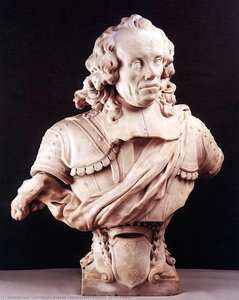
Christophe Veyrier (25 June 1637 – 10 June 1689) stands as a testament to the artistic fervor of the French Baroque, firmly rooted in the legacy of Pierre Puget but profoundly impacted by his formative years spent in Genoa. Born in Trets, Provence, France, he inherited a talent for sculpture from his uncle, Pierre Puget—a celebrated artist known for his expressive marble figures and masterful handling of drapery—establishing him as part of a significant artistic lineage. This connection to Puget’s oeuvre would undoubtedly shape Veyrier's own stylistic sensibilities.- Early Life & Training: Veyrier’s formal training commenced in Aix-en-Provence, where he honed his skills under the tutelage of Jean Baptiste Tourte, a prominent sculptor who championed classical ideals alongside Baroque dynamism. This dual influence—classical restraint tempered by baroque fervor—became a hallmark of Veyrier's artistic approach.
- Genoa and Artistic Awakening: A pivotal moment arrived in 1663 when Veyrier relocated to Genoa, Italy, a city renowned for its artistic patronage and vibrant cultural milieu. During his time there, he immersed himself in the humanist traditions of Renaissance sculpture, absorbing inspiration from artists like Michelangelo Buonarroti and Bernini—figures who had revolutionized sculptural technique and conceptual exploration. The encounter with these masters undoubtedly broadened Veyrier’s artistic horizons.
Rome: Refining Technique and Embracing Religious Patronage
Between 1668 and 1670, Veyrier ventured to Rome—the epicenter of Baroque art—where he continued his artistic development. This period witnessed a deepening engagement with the stylistic conventions of papal sculpture, particularly those championed by Bernini. He meticulously studied Bernini’s monumental works, absorbing lessons in dramatic composition, expressive gesture, and masterful illusionistic rendering. The influence of Bernini is palpable in Veyrier's later sculptures, where he skillfully employs techniques to convey emotion and grandeur.- Notable Commissions & Artistic Achievements: Veyrier’s career gained considerable renown through prestigious commissions, most notably the creation of religious statues for the Chapel of Corpus Domini in Toulon Cathedral. This ambitious undertaking demanded exceptional technical skill and artistic vision—a testament to Veyrier's dedication and talent. Furthermore, he produced sculptures depicting mythological subjects, including Stowe House’s celebrated ‘Family of Darius,’ demonstrating his versatility as an artist. His work is held by esteemed institutions worldwide – Musée d’art Toulon; Musée Granet Aix-en-Provence; Louvre Museum Paris; Victoria & Albert Museum London; Metropolitan Museum of Art New York.
Legacy and Influence
Christophe Veyrier's sculptures endure as enduring symbols of the French Baroque, embodying both classical elegance and dramatic fervor. His meticulous attention to detail—particularly in capturing human emotion—solidifies his position among the foremost sculptors of his era. Like Puget before him, Veyrier skillfully blended humanist ideals with artistic innovation, leaving an indelible mark on the history of sculpture. His contribution to Toulon Cathedral’s iconography remains particularly significant, reflecting a commitment to religious art that continues to inspire admiration.- Further Exploration: For deeper insights into Christophe Veyrier's artistic oeuvre and biographical details, consult the Wikipedia article linked above: Wikipedia.
Christophe Veyrier
1637 - 1689 , France
Osnovne informacije
- Artistic Movement Or Style: Renaissance Sculpture
- Artists Or Movements Influenced By This Artist: ['Stowe House']
- Artists Who Influenced This Artist: ['Pierre Puget']
- Date Of Birth: June 25, 1637
- Date Of Death: June 10, 1689
- Full Name: Christophe Veyrier
- Nationality: French
- Notable Artworks:
- Bust of Christ
- Dying Achilles
- Marsyas
- Place Of Birth: Trets, France
Povezani članci

Bronze Sculptures That Defined Art History | ArtsDot
Journey through art history with our Top 10 bronze sculptures! Explore masterpieces by Rodin, Michelangelo & more. Discover stories behind iconic statues and find museum-quality reproductions for your home decor at ArtsDot.com.
The Enduring Allure of Marble in Art History: From Classical Sculpture to Modern Abstraction
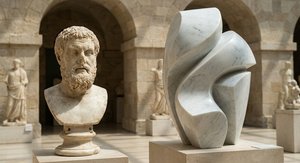
Explore the captivating history of marble sculpture from ancient Greece to modern art. Discover renowned artists like Canova & Michelangelo, carving techniques, and investment insights at ArtsDot.
Pierre-Auguste Renoir: 25 Remek-Dela Impresionizma za Vaš Dom | ArtsDot
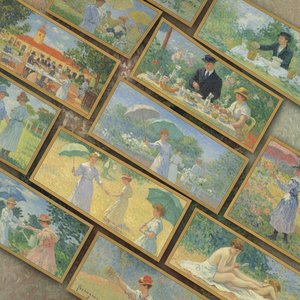
Uronite u svet Pierre-Auguste Renoara! Otkrijte 25 remek-dela impresionizma, priče iza slika i tehničke detalje. Reprodukcije vrhunskog kvaliteta za vaš dom dostupne na ArtsDot.com. Istražite celu kolekciju online!

The Enduring Form: Exploring Themes & Techniques in Sculpture Across Historical Periods
Explore the rich history of sculpture from ancient masterpieces to contemporary innovations. Discover key techniques, influential artists & investment potential for discerning art collectors.

The Enduring Form: Sculpture Across History, Technique & Emotional Resonance
Explore the rich history of sculpture with ArtsDot. Discover key techniques, influential artists & investment potential for discerning collectors. Expert insights into valuing and collecting timeless masterpieces.