

 Pregledaj u prostoru
 Pošalji
 Podeli
 Detalji o delu

 Преузми
 Slični predmeti
 Rendgenski snimak
 Slajdovi
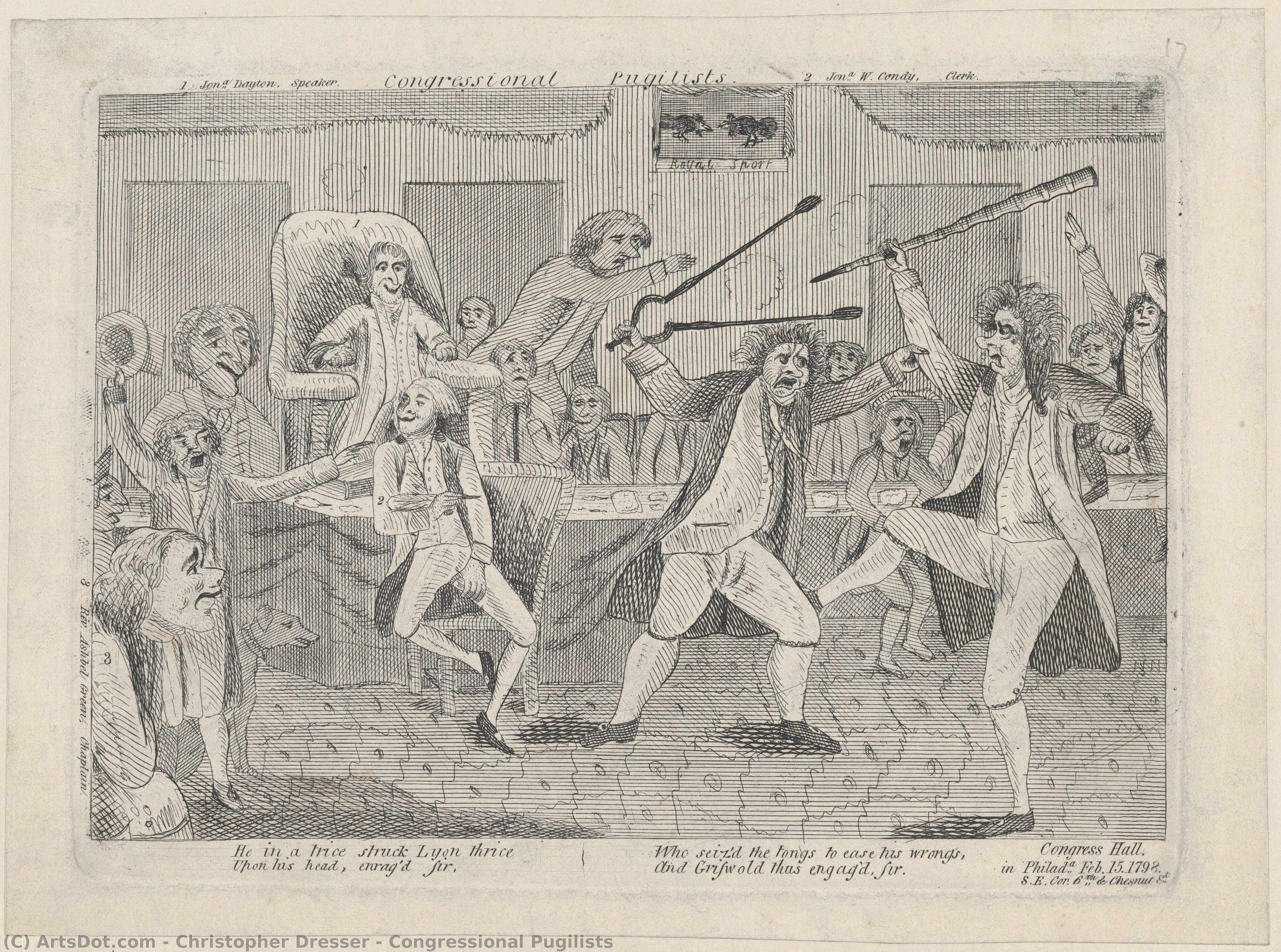
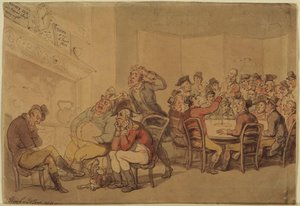
Congressional Pugilists
 Watercolor
- WallArt
- Aesthetic Movement
 1798
1798- 19th Century
 16.0 x 22.0 cm
 Metropolitan Museum of Art
 Pročitaj više
Giclee štampa / Umetnički otisak
Giclée štampa ili print na platnu muzejskog kvaliteta uz brzu proizvodnju i fleksibilne opcije završne obrade. ( Kupi ručno naslikanu sliku Kupi digitalnu sliku)




P118B $10

P118H $10

P118W $10

P438Z $10

P508JH $12

P508YH $12

P805H $10

P805Z $10

P919BZ $10

P919G $10

P919XJ $10

P959ZH $10

P968JZ $12

W106C $8

W218G $10

W218JH $8

W218Y $10

W307PJ $10

W316G $10

W316PJ $8

W316Y $10

W398PJ $8

W4111J $10

W500HY $15

W500JH $15

W692G $12

W849H $8

W940BG $15

W953PJ $8




Izaberite jednu od naših unapred definisanih veličina koje odgovaraju originalnim proporcijama umetničkog dela.

Možete uneti sopstvene dimenzije kako biste umetničko delo prilagodili specifičnom okviru ili prostoru. Ako odabrani format ne odgovara proporcijama originalne slike, mi ćemo ili iscrtati deo dela ili proširiti sliku pomoću ogledane ivice ili jednobojnog popunjavanja. Digitalni prikaz će vam biti poslat na odobrenje pre početka proizvodnje.
Imajte na umu da pregled na ekranu ne odražava stvarno iscrtavanje ili proširivanje. Samo će prikaz (mockup) precizno pokazati finalnu kompoziciju.
Iako su prilagođene dimenzije dostupne, preporučujemo da odaberete dimenziju sa unapred definisane liste kako biste očuvali originalne proporcije.
Dostava širom sveta () za 2 nedelje umesto uobičajenih 4/5 nedelja. (6 септембар)

Besplatna ekspresna dostava širom sveta

Visokokvalitetno laneno platno

Kompletno osiguranje transporta

Garancija povraćaja carine i uvoznih dažbina

Garancija vernosti boja

Politika povrata u roku od 100 dana (samo u slučaju nedostataka)

Garancija povrata novca od 100%

Popust pri grupnoj kupovini
 Opcija sa staklom dostupna je samo za dimenzije manje od 110 cm

Congressional Pugilists
Giclee štampa / Umetnički otisak
Dimenzije reprodukcije
-


Konačna cena
$ 62
Congressional Pugilists: A Clash of Styles in Victorian Glasgow
The artwork "Congressional Pugilists," created by Christopher Dresser in 1898, transcends mere depiction; it embodies the spirit of its time—a confluence of industrial innovation and artistic rebellion against convention. Executed in black and white watercolor on paper measuring 16 x 22 cm, this piece stands as a testament to Dresser’s pioneering role as an industrial designer and his enduring influence on the Aesthetic Movement's embrace of Japanese aesthetics.Subject Matter & Composition
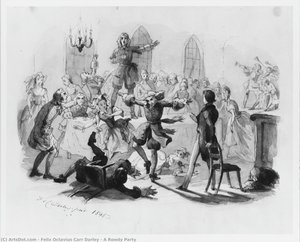
At first glance, the image presents a striking juxtaposition: a group of men engaged in violent combat within what appears to be a formal dining room setting. The figures are rendered with meticulous detail, capturing the physicality of the brawl—raised fists, weapons brandished—yet simultaneously imbued with an air of theatrical grandeur. Dresser’s masterful composition directs the viewer's gaze across the table, emphasizing both the disruption caused by the fighting and the deliberate arrangement of objects within the room. This duality speaks to a broader preoccupation with reconciling opposing forces – tradition versus modernity, beauty versus functionality – themes central to Dresser’s artistic vision.Style & Technique: The Aesthetic Influence
Dresser's technique is characterized by a restrained elegance that aligns perfectly with the tenets of the Aesthetic Movement. Watercolor lends itself beautifully to capturing subtle tonal variations and conveying atmosphere—a crucial element in conveying the emotional intensity of the scene. Dresser’s meticulous attention to detail, evident in the rendering of clothing textures and facial expressions, reflects the movement's commitment to capturing natural beauty and avoiding artificial ornamentation. Notably, the influence of Japanese art is palpable; the simplified forms and asymmetrical compositions mirror stylistic conventions found in Ukiyo-e prints—a deliberate effort to infuse Western design with Eastern sensibilities.Historical Context: Victorian Britain & Artistic Reform
“Congressional Pugilists” emerged during a period of significant social and artistic upheaval in Victorian Britain. The Industrial Revolution was reshaping society, accelerating urbanization and challenging established hierarchies. Simultaneously, artists like Dresser were actively rejecting the opulent excesses of Neo-Classical art and advocating for a more humane aesthetic—one rooted in observation and inspired by nature. Dresser’s work represents a conscious rejection of academic formalism, aligning with a growing desire to explore new artistic horizons beyond traditional boundaries. The inclusion of political figures underscores this broader critique of societal norms and celebrates the dynamism of an era striving for progress.Symbolism & Emotional Impact
Beyond its visual representation, “Congressional Pugilists” carries symbolic weight. The brawl itself can be interpreted as a metaphor for conflict—not merely physical confrontation but also intellectual debate and artistic struggle. Dresser’s deliberate use of watercolor emphasizes the importance of capturing emotion and conveying atmosphere—a hallmark of Aesthetic art's aim to stimulate contemplation and provoke feeling. The juxtaposition of violence and refinement serves as a powerful reminder that beauty can coexist with disruption, challenging viewers to reconsider their perceptions of harmony and discord.Conclusion: Dresser’s Legacy
Christopher Dresser’s “Congressional Pugilists” remains an extraordinary achievement—a captivating blend of observation, technique, and artistic vision. It exemplifies Dresser's pioneering contribution to industrial design and his enduring influence on the Aesthetic Movement, securing his place as a visionary artist who dared to reimagine the possibilities of Western art in response to the transformative forces shaping Victorian society. Its evocative imagery continues to inspire collectors and interior designers alike, demonstrating the timeless appeal of beauty tempered by intellectual curiosity.Srodna umetnička dela


Biografija umetnika
Christopher Dresser: The Father of Industrial Design
Christopher Dresser (1834–1904) stands as a monumental figure in Victorian design, recognized today as arguably the first industrial designer and a pivotal contributor to both the Aesthetic Movement and Anglo-Japanese style—influences that continue to resonate across artistic disciplines. Born in Glasgow, Scotland, Dresser’s early life was marked by an interest in botany and natural sciences, shaping his worldview and informing his aesthetic sensibilities. This fascination would become central to his groundbreaking approach to design, prioritizing functionality alongside beauty – a radical departure from prevailing Victorian tastes dominated by ornate decoration.- Early Career & Influences: Dresser began his artistic journey as a decorative painter and designer of wallpaper, establishing himself in London’s burgeoning art scene. He was profoundly impacted by Japanese art and craftsmanship during his travels to Japan in 1870, absorbing the principles of asymmetry, simplicity, and natural materials—elements that would become hallmarks of the Anglo-Japanese style.
- The Aesthetic Movement & Design Reform: Dresser championed the Aesthetic Movement, advocating for a rejection of academic conventions and embracing artistic freedom. He argued passionately for “design reform,” asserting that art should serve practical purposes while elevating human experience. This conviction fueled his tireless pursuit of innovation in various mediums.
A Diverse Artistic Output: Ceramics, Glassware & Furniture
Dresser’s creative output spanned an astonishing range of disciplines—ceramics, glassware, furniture design, textiles, and silver plating. He meticulously studied the techniques of artisans from around the globe, incorporating elements of Japanese craftsmanship into his creations. His ceramics, particularly the Jardinière – a celebrated piece housed in The Baltimore Museum of Art – exemplify his masterful blending of form and function. This vase showcases Dresser’s ability to transform natural materials like stoneware into elegant sculptural objects. Similarly, his glassware designs prioritized clarity and simplicity, reflecting the influence of Japanese aesthetics.- Notable Projects: Among Dresser's most significant achievements were collaborations with renowned manufacturers like Josiah Wedgwood & Sons, where he spearheaded transformative innovations in ceramic production. His furniture designs embraced minimalist silhouettes combined with natural textures—a stylistic hallmark of the Anglo-Japanese aesthetic.
The Anglo-Japanese Style: A Synthesis of Tradition and Innovation
Dresser’s embrace of Japanese aesthetics wasn't merely an admiration for exotic beauty; it represented a deliberate effort to reimagine Western design principles. He believed that studying Japanese craftsmanship could inspire new approaches to artistic expression, prioritizing natural materials, understated ornamentation, and harmonious proportions. This fusion of Eastern and Western traditions resulted in a distinctive style characterized by refined elegance and intellectual depth—a style that continues to captivate designers and artists today.Legacy & Historical Significance
Christopher Dresser’s impact on the history of design is undeniable. He fundamentally challenged Victorian artistic conventions, advocating for a more rational and aesthetically informed approach to craftsmanship. His pioneering spirit paved the way for the emergence of industrial design as a recognized field, establishing Dresser as a visionary ahead of his time. Today, his work remains celebrated for its enduring beauty and its profound contribution to shaping the visual culture of the late nineteenth century—a testament to the transformative power of artistic innovation.
Christopher Dresser
1834 - 1904 , United Kingdom
Osnovne informacije
- Artistic Movement Or Style: Aesthetic Movement & Anglo-Japanese Style
- Artists Or Movements Influenced By This Artist: ['Arts and Crafts Movement']
- Artists Who Influenced This Artist: ['William Morris']
- Date Of Birth: July 4, 1834
- Date Of Death: November 24, 1904
- Full Name: Christopher Dresser
- Nationality: British
- Notable Artworks:
- Teapot with warmer
- Spoon warmer
- Clutha glass vase
- Place Of Birth: Glasgow, United Kingdom
Povezani članci

Watercolor Wonders: 10 Masterpieces That Redefined Art History | ArtsDot
Journey through 10 legendary watercolor masterpieces by Sargent, Turner & Homer! Explore iconic landscapes, portraits & floral art that redefined history. Find museum-quality reproductions and curated decor ideas at ArtsDot.com.

Ephemeral Visions: Exploring the Artistic Legacy & Contemporary Practice of Watercolor Painting
Explore the captivating world of watercolor painting! Discover its rich history, essential techniques, influential artists & collecting tips. A comprehensive guide for art enthusiasts from ArtsDot.

Ephemeral Visions: Exploring the History & Emotional Resonance of Watercolor Painting
Explore the captivating history of watercolor painting, from ancient techniques to modern masters like Kandinsky & Blake. Discover essential artists, collecting tips & the emotional power of this luminous medium. Expert insights for art enthusiasts.

Ephemeral Visions: Exploring the Artistic Legacy & Nuances of Watercolor Painting
Explore the captivating world of watercolor painting! Discover its rich history, essential techniques, influential artists & collecting tips from art experts. A comprehensive guide for enthusiasts.

Giclée Prints: Archival Quality & Aesthetic Nuances for the Discerning Collector
Explore the world of giclée prints with ArtsDot. Learn about archival quality, aesthetic nuances & investment potential. Expert guidance for discerning art collectors seeking museum-quality reproductions and lasting value.