

 Pregledaj u prostoru
 Pošalji
 Podeli
 Detalji o delu

 Преузми
 Slični predmeti
 Rendgenski snimak
 Slajdovi
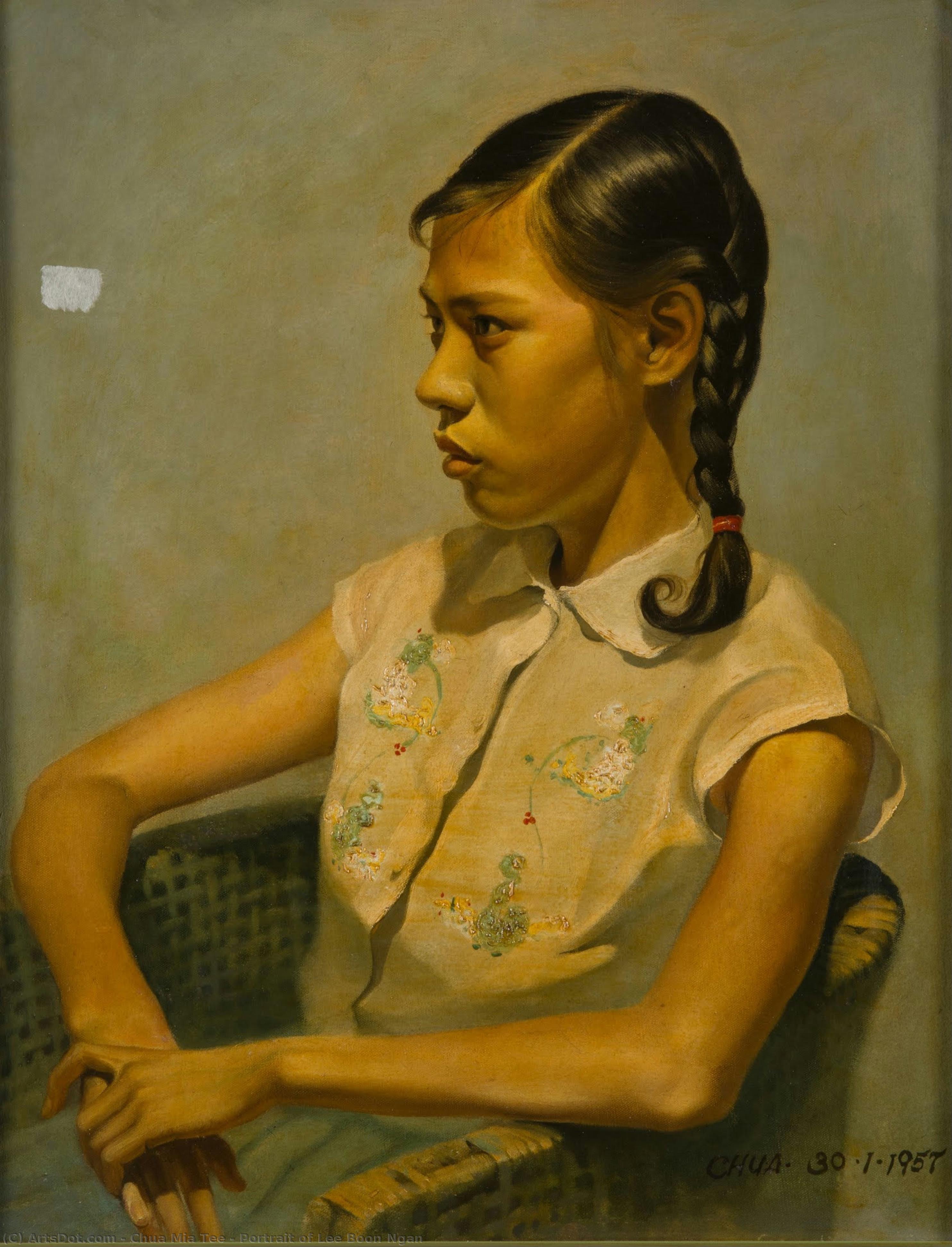
Portrait of Lee Boon Ngan
 Acrylic On Canvas
- WallArt
- Social Realism
 49.0 x 63.0 cm
 National Gallery Singapore
 Pročitaj više
Kupite digitalnu sliku visoke rezolucije i poboljšanog kvaliteta, koja je znatno superiornija od onoga što vidite u online prikazu.
Svaka datoteka je pedantno pripremljena od strane naših stručnjaka koristeći napredne alate i profesionalnu ručnu retušu. Osiguravamo da svaka slika ima izuzetnu oštrinu, preciznu reprodukciju boja i fine detalje.
Konačna datoteka se dostavlja putem e-pošte u roku od 72 sata, optimizovana za neposrednu upotrebu u profesionalnim, izdavačkim i štamparskim okruženjima. To je isti kvalitet kojem veruju vrhunski studiji dizajna, izdavači i galerije.
Digitalna slika
Preuzmite datoteku visoke rezolucije za ličnu upotrebu, štampanje i kreativne projekte. ( Kupi print Kupi ručno naslikanu sliku)
Uključeno uz svaku porudžbinu digitalne slike
Profesionalna digitalna isporuka, zagarantovana
Kada odaberete ArtsDot.com, ne dobijate samo sliku – vi primate profesionalno unapređeno digitalno umetničko delo, izrađeno sa najvećom preciznošću i uz garanciju zadovoljstva. Evo svega što automatski dolazi uz vašu porudžbinu:

Brza dostava putem e-pošte
Vaša digitalna slika visoke rezolucije biće vam poslata putem e-pošte u roku od 72 sata od poručivanja – spremna za trenutnu upotrebu.

Digitalna datoteka unapređena veštačkom inteligencijom
Vaše umetničko delo je profesionalno optimizovano korišćenjem naprednih AI alata i ručne obrade, čime se osiguravaju maksimalni detalji, oštrina i preciznost boja.

Besplatna ponovna isporuka doživotno
Slučajno ste obrisali ili izgubili svoju datoteku? Ne brinite – poslaćemo vam je ponovo u bilo kom trenutku, potpuno besplatno.

Bez troškova uvoza – zauvek
Uživajte u svojim umetničkim delima trenutno, bez carine, dažbina ili troškova dostave – digitalni download je uvek bez poreza.

Garancija vernosti boja
Uz pomoć profesionalnih alata i upravljanja bojama, osiguravamo da vaša digitalna slika što vernije odražava originalne boje.

Garancija zadovoljstva u roku od 60 dana
Ako niste zadovoljni svojom digitalnom slikom, revidirat ćemo je ili vratiti 100% novca u roku od 60 dana – bez ikakvih pitanja.

100% garancija povrata novca
Niste zadovoljni? Obezbedite pun povrat novca u roku od 60 dana od trenutka kada ste primili svoju digitalnu datoteku – bez suvišnih pitanja.

Popusti na velike porudžbine
Kupite 3 slike, uštedite 10% - Kupite 5 slika, uštedite 15% - Kupite 10+ slika, uštedite 20%. Odlično za kreativne projekte, galerije i agencije.
Opis kolekcionarskog dela
Portrait of Lee Boon Ngan - Chua Mia Tee: A Window Into Malaysia's Soul
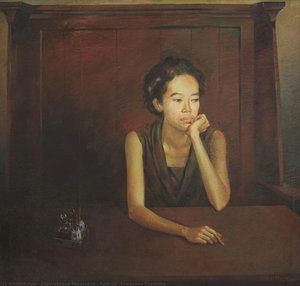
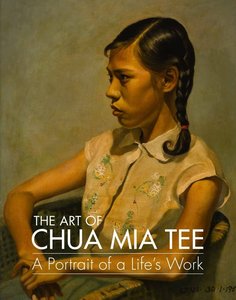
Chua Mia Tee’s “Portrait of Lee Boon Ngan,” completed in 1957, stands as a cornerstone of Singaporean social realism—a testament to his unwavering dedication to documenting the formative years of Malaysia and capturing the essence of its burgeoning national identity. More than just a likeness of his wife, Lee Boon Ngan, this painting embodies a profound exploration of familial bonds and the quiet strength that underpinned their life together amidst turbulent political times.A Style Rooted in Observation
Tee’s distinctive style eschews grand gestures or idealized representations; instead, he employs meticulous observation to convey a palpable sense of immediacy. The composition is deceptively simple—a woman seated in a chair against a muted couch—yet it's precisely this restraint that allows the viewer to connect with the subject on an emotional level. His technique leans heavily on oil paint applied with broad brushstrokes, creating textured surfaces that subtly reflect the light and imbue the portrait with warmth and depth. This deliberate choice of medium underscores Tee’s commitment to portraying reality as he perceived it—a hallmark of social realism.Historical Context: The Birth of a Nation
Painted during Malaysia's independence struggle in 1957, “Portrait of Lee Boon Ngan” reflects the anxieties and aspirations of the era. The backdrop—the understated couch—symbolizes domestic tranquility amidst external pressures, mirroring the challenges faced by families navigating the complexities of establishing a new nation. Tee’s artistic vision aligns seamlessly with the broader cultural movement of his time, which sought to depict everyday life and social conditions with unflinching honesty. It's a deliberate rejection of academic conventions favoring polished surfaces and idealized figures—a conscious decision to honor the spirit of resilience and determination that characterized Malaysia’s early years.Symbolism: Quiet Dignity and Enduring Love
Beyond its technical prowess, “Portrait of Lee Boon Ngan” resonates with symbolic significance. The woman's gaze directs outwards, conveying a sense of contemplation and inner strength—a quality Tee wished to portray in his wife. This subtle gesture speaks volumes about Lee’s character—her unwavering support for Chua’s artistic pursuits and her quiet dignity as a mother. The painting serves as a poignant reminder that true beauty lies not only in visual perfection but also in the portrayal of human emotion and connection. It's an artwork that invites reflection on themes of family, memory, and the enduring power of love—elements central to Tee’s artistic legacy.Emotional Impact: A Moment Frozen in Time
“Portrait of Lee Boon Ngan” transcends mere representation; it captures a specific moment in time—the early days of Malaysia's independence—and encapsulates the emotional landscape of a family striving for stability amidst uncertainty. The painting’s muted palette and textured surface evoke a feeling of intimacy, transporting viewers back to 1957 and allowing them to appreciate Tee’s masterful ability to convey emotion through visual language. It remains a powerful testament to his artistic vision—a celebration of domestic life and the quiet heroism of everyday individuals confronting momentous historical events.- Artist: Chua Mia Tee
- Year Created: 1957
- Medium: Oil on Canvas
- Dimensions: 49 x 63 cm
- Location: National Gallery Singapore
Srodna umetnička dela


Biografija umetnika
A Witness to History: The Soul of Malayan Realism
Chua Mia Tee (蔡名智) stands as a pivotal figure in Singaporean art history, a painter whose brush did more than merely apply pigment to canvas; it documented the very heartbeat of a nation in flux. Born in Singapore in 1931, Chua’s life and artistry were inextricably linked to the socio-political transformations of Malaya during its formative years. His family’s journey from Shantou, Guangdong Province, to Singapore in 1937—driven by the escalating tensions of the Sino-Japanese War—instilled in him a profound, lifelong understanding of displacement, resilience, and the human struggle for identity. This early exposure to upheaval would later become the emotional bedrock of his work, allowing him to capture the spirit of ordinary citizens grappling with the dawn of independence and the complexities of nationhood.
His artistic formation was a sophisticated blend of Eastern heritage and Western technique. After receiving foundational education at Shuqun and Tuan Mong Schools, Chua pursued formal studies at the Nanyang Academy of Fine Arts (NAFA) in 1952. It was here that he honed his technical prowess under influential mentors, absorbing the rigorous principles of Western art while remaining deeply grounded in Eastern traditions. This duality allowed him to develop a style rooted in social realism—a movement that prioritized truthful, often unflinching, depictions of everyday life. His involvement with the Equator Art Society, established in 1956, was perhaps the most defining chapter of his career. This collective sought to foster a distinct Malayan consciousness, and Chua became one of its most vital voices, using art as a tool to challenge prevailing narratives and celebrate the shared struggles of the people.
The Canvas of Consciousness
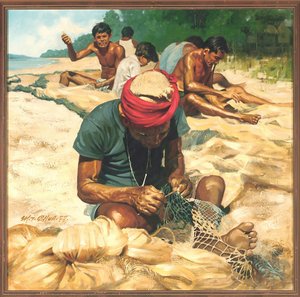
Chua’s oeuvre is characterized by an extraordinary ability to weave monumental scale with intimate human emotion. One of his most seminal achievements, the 1955 oil painting ‘Epic Poem of Malaya’, serves as a cornerstone of the region's art history. This massive work, measuring approximately eight feet, transcends simple landscape or portraiture; it is a vibrant, pulsating narrative of aspiration. Through meticulous detail and a rich palette, Chua captures scenes such as fishermen at Changi Beach, transforming a moment of labor into an evocative symbol of national vitality. His ability to blend realism with a sense of romanticism allows his subjects to emerge not just as figures in a scene, but as protagonists in the unfolding drama of a new society.
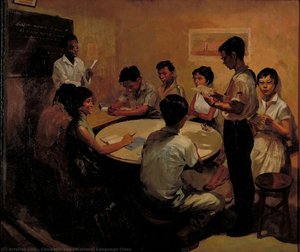
Beyond the grand scale of his historical epics, Chua’s work often turned toward the poignant and the personal, capturing the nuances of social integration and cultural identity. His iconic piece, 'National Language Class', remains a powerful testament to the era's political climate, reflecting the complexities of language and education in a multi-ethnic landscape. Whether through the focused intensity of a Portrait of Lee Boon Ngan or the rhythmic vitality found in works like Malay Fisherman at Changi Beach, Chua’s art remains deeply anchored in the lived experience of the Malayan people. His legacy is not merely found in museums like the National Gallery, but in the way his paintings continue to serve as a visual memory of a transformative era, preserving the dignity and the dreams of a generation.
chua mia tee
1931 - , Singapore
Kratke činjenice
- Artistic Movement Or Style: Social Realism
- Date Of Birth: November 25, 1931
- Full Name: Chua Mia Tee
- Nationality: Singaporean
- Notable Artworks:
- Malay Fisherman at Changi Beach
- National Language Class
- Epic Poem of Malaya
- Place Of Birth: Shantou, Guangdong, China

