 Pregledaj u prostoru
 Pošalji
 Podeli
 Detalji o delu

 Преузми
 Slični predmeti
 Rendgenski snimak
 Slajdovi
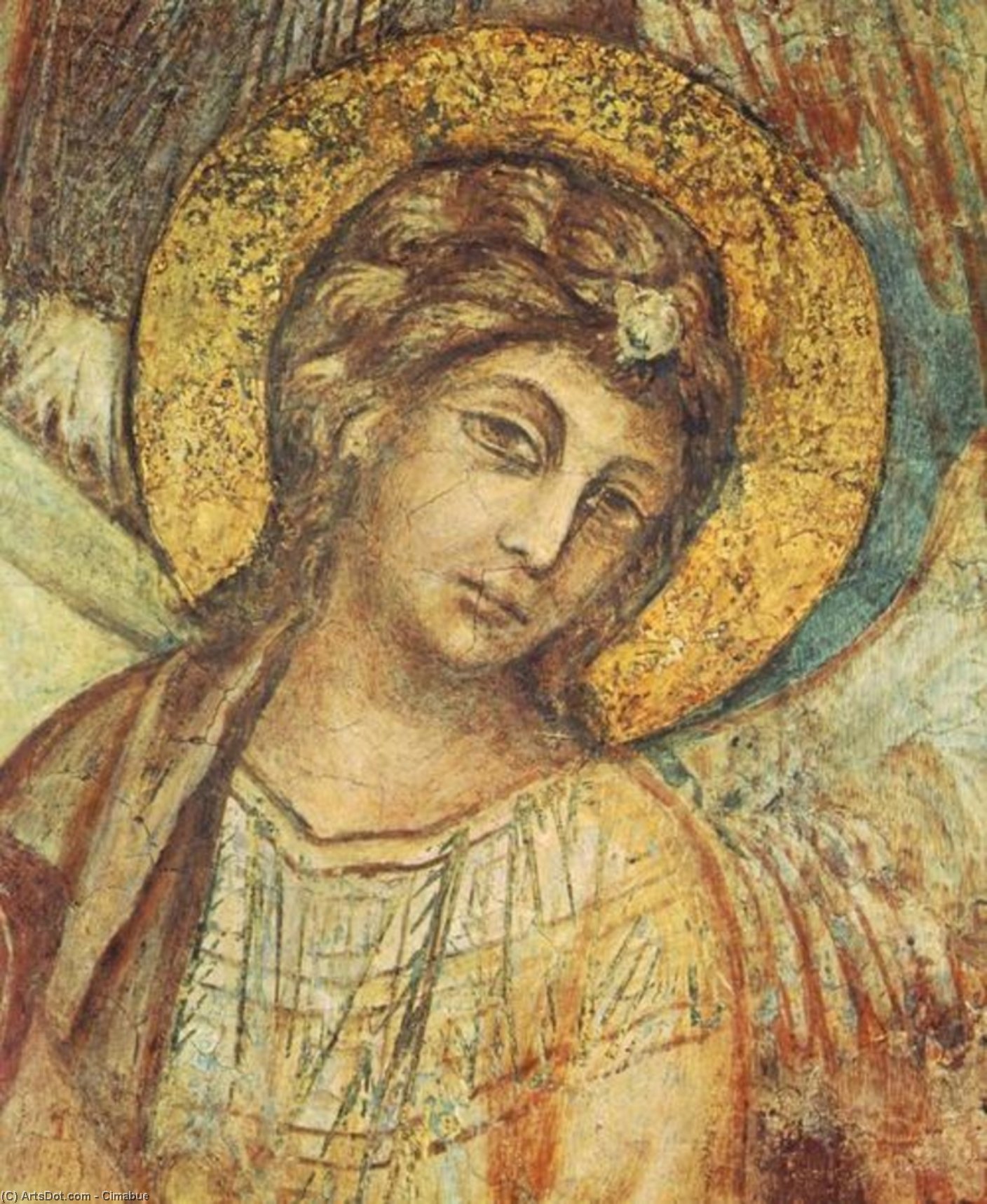
Madonna Enthroned with the Child, St Francis and four Angels (detail)
 Acrylic On Canvas
- WallArt
- Early Italian Renaissance
 1278
1278- Late Medieval
 73.0 x 60.0 cm
 Pročitaj više
Giclee štampa / Umetnički otisak
Giclée štampa ili print na platnu muzejskog kvaliteta uz brzu proizvodnju i fleksibilne opcije završne obrade. ( Kupi ručno naslikanu sliku Kupi digitalnu sliku)




P118B $10

P118H $10

P118W $10

P438Z $10

P508JH $12

P508YH $12

P805H $10

P805Z $10

P919BZ $10

P919G $10

P919XJ $10

P959ZH $10

P968JZ $12

W106C $8

W218G $10

W218JH $8

W218Y $10

W307PJ $10

W316G $10

W316PJ $8

W316Y $10

W398PJ $8

W4111J $10

W500HY $15

W500JH $15

W692G $12

W849H $8

W940BG $15

W953PJ $8




Izaberite jednu od naših unapred definisanih veličina koje odgovaraju originalnim proporcijama umetničkog dela.

Možete uneti sopstvene dimenzije kako biste umetničko delo prilagodili specifičnom okviru ili prostoru. Ako odabrani format ne odgovara proporcijama originalne slike, mi ćemo ili iscrtati deo dela ili proširiti sliku pomoću ogledane ivice ili jednobojnog popunjavanja. Digitalni prikaz će vam biti poslat na odobrenje pre početka proizvodnje.
Imajte na umu da pregled na ekranu ne odražava stvarno iscrtavanje ili proširivanje. Samo će prikaz (mockup) precizno pokazati finalnu kompoziciju.
Iako su prilagođene dimenzije dostupne, preporučujemo da odaberete dimenziju sa unapred definisane liste kako biste očuvali originalne proporcije.
Dostava širom sveta () za 2 nedelje umesto uobičajenih 4/5 nedelja. (24 август)

Besplatna ekspresna dostava širom sveta

Visokokvalitetno laneno platno

Kompletno osiguranje transporta

Garancija povraćaja carine i uvoznih dažbina

Garancija vernosti boja

Politika povrata u roku od 60 dana (samo u slučaju nedostataka)

Garancija povrata novca od 100%

Popust pri grupnoj kupovini
 Opcija sa staklom dostupna je samo za dimenzije manje od 110 cm

Madonna Enthroned with the Child, St Francis and four Angels (detail)
Giclee štampa / Umetnički otisak
Dimenzije reprodukcije
-


Konačna cena
$ 62
Opis predmeta
A Window into Florentine Dawn: Cimabue’s Revolutionary Madonna
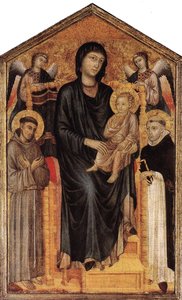
Giovanni Cimabue's “Madonna Enthroned with the Child, St Francis and four Angels (detail)” – a captivating work from 1278 – isn’t merely a depiction of biblical figures; it’s a pivotal moment in the evolution of Western art. Born Cenni di Pepo in Florence, Cimabue was a courageous innovator who dared to subtly challenge the rigid conventions inherited from Byzantine iconography, laying the groundwork for the vibrant artistic revolution that would soon transform Italy. His nickname, “bull-headed,” perhaps hinted at his unwavering determination and willingness to experiment – qualities undeniably present in his deliberate departure from established norms.
This particular detail offers a glimpse into Cimabue’s masterful approach. The central figure, likely Mary holding the infant Jesus, possesses an arresting directness. Her gaze meets the viewer with an almost palpable awareness, inviting contemplation and establishing a profound connection across time. Notice the elongated proportions of her face and hands – a characteristic move away from the stylized Byzantine tradition, suggesting a nascent desire to capture human likeness with greater realism. The rich fabrics of her robes, rendered in deep blues and reds, are meticulously detailed, showcasing Cimabue’s skill in layering pigments to achieve luminous depth. The delicate rendering of the necklace around her neck adds a subtle layer of ornamentation, hinting at both piety and earthly beauty.
Byzantine Roots, Italian Blossoms
Cimabue's artistic journey began firmly rooted in Byzantine art – the dominant visual language of Europe at the time. His early works, heavily influenced by the mosaics and frescoes of Constantinople, are characterized by a serene spirituality, flattened perspective, and an emphasis on symbolic representation. However, Cimabue wasn’t content to simply replicate these traditions; he began to subtly introduce elements that would pave the way for the Renaissance. The use of more naturalistic colors, a greater attention to detail in drapery, and a slightly more dynamic composition mark his growing independence.
The presence of St. Francis and the four angels surrounding the central figures is significant. St. Francis, a relatively new saint at this time, represented emerging themes of humility and charity within the Christian narrative. The angels, rendered with delicate wings and serene expressions, further enhance the sense of divine grace and protection. The inclusion of the bird in the upper right corner – a detail often overlooked – adds an element of unexpected beauty and perhaps symbolizes hope or spiritual aspiration. Cimabue’s careful orchestration of these elements creates a harmonious composition that is both deeply devotional and visually engaging.
A Bridge to the Renaissance
Cimabue's legacy extends far beyond his individual works. He is widely considered one of the first great Italian painters to break from the Italo-Byzantine style, and he played a crucial role in shaping the artistic landscape that would eventually give rise to the Renaissance. His student, Giotto, built upon Cimabue’s innovations, further developing naturalistic representation and introducing new techniques into painting. Vasari, though perhaps romanticizing his account, famously described Cimabue as taking young Giotto under his wing, a pivotal moment in art history. The “Madonna Enthroned” exemplifies this transition – a testament to the enduring power of tradition while simultaneously hinting at the exciting possibilities of a new artistic era.
ArtsDot is proud to offer meticulously crafted hand-painted reproductions of Cimabue’s “Madonna Enthroned with the Child, St Francis and four Angels (detail).” Each reproduction captures the essence of this remarkable artwork, allowing you to bring its beauty and spiritual depth into your home or office. Explore our collection today and experience a piece of art history firsthand.
Srodna umetnička dela
Biografija umetnika
Cimabue: Grandfather of the Italian Renaissance
Giovanni Cimabue, born Cenni di Pepo around 1240 in Florence, stands as a monumental figure—a bridge between the established artistic traditions of the Byzantine world and the burgeoning innovations that would define the Italian Renaissance. His life, though partially obscured by time and romanticized accounts – most notably those penned by Giorgio Vasari centuries later – marks an undeniable turning point in Western art history. Cimabue wasn’t simply a painter; he was a courageous innovator who dared to subtly challenge artistic conventions, laying the groundwork for the revolutionary changes that would soon sweep across Italy. Even his nickname, believed to mean “bull-headed,” hints at a strong will and perhaps a rebellious spirit—qualities demonstrably present in his willingness to experiment with form and expression. He represents a crucial moment where art began to shift from being solely devotional imagery towards something more humanistic and emotionally resonant.Early Influences and Artistic Development
Initially immersed in the Italo-Byzantine style prevalent throughout Florence, Cimabue’s early work adhered closely to established aesthetic principles: flattened figures adorned with shimmering gold leaf, symbolic rather than realistic depictions of space, and a profound focus on religious iconography. However, even within these constraints, a nascent desire for naturalism began to emerge. He wasn't content merely replicating existing forms; he sought to imbue his paintings with a greater sense of life and emotional depth. While the precise nature of his early training remains debated, it’s likely he honed his skills within Florentine workshops, absorbing the techniques and influences of the time while simultaneously developing his own unique artistic voice. The Byzantine style, characterized by its formality and spiritual focus, provided him with a solid foundation, but Cimabue began to subtly introduce elements that would foreshadow the coming Renaissance—a greater attention to volume, more expressive facial features, and a nascent understanding of spatial relationships. This wasn’t a sudden break from tradition, but rather a gradual evolution, a delicate balancing act between honoring the past and embracing new possibilities.The Maestro's Vision: Giotto and Beyond
Despite Cimabue’s untimely demise in 1302—leaving behind scant biographical details—his influence on subsequent generations of artists is undeniable. Most notably, he mentored Giotto di Bondone, arguably the first true Renaissance Master. Vasari recounts a legendary tale – one that captures the spirit of their relationship – wherein Cimabue playfully painted a fly onto Giotto’s face, symbolizing his surpassing brilliance. This anecdote underscores not only Cimabue's generosity as a teacher but also the dynamic tension between mentor and pupil—a rivalry fueled by mutual respect and culminating in Giotto’s triumph over his predecessor. Cimabue’s artistic innovations extended beyond Giotto’s training; he challenged the conventions of his time, demonstrating that art could transcend mere symbolism and express profound human emotion. His willingness to experiment with form, proportion, and color paved the way for the groundbreaking achievements of the Renaissance—establishing him as a pivotal transitional figure in Western art history.Notable Works: A Legacy of Innovation
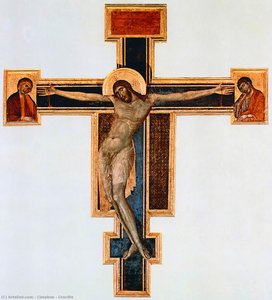
Cimabue’s artistic output is characterized by remarkable stylistic diversity, reflecting his evolving understanding of artistic principles throughout his career. The *Maestà*, commissioned for the Church of San Francesco in Pisa around 1280, stands as a testament to Cimabue's mastery of composition and color—a bold departure from the rigid Byzantine aesthetic that dominated earlier medieval painting. Unlike its predecessors, the *Maestà* achieves a palpable sense of depth and volume, conveying an emotional resonance previously absent from devotional art. The figures are rendered with meticulous detail, capturing subtle nuances of expression and embodying a newfound appreciation for human anatomy. This monumental altarpiece signaled Cimabue’s embrace of Renaissance ideals—a shift toward naturalism and psychological realism that would profoundly reshape the artistic landscape of Italy. Similarly impressive is *The Crucifixion*, executed circa 1270 for the Basilica of San Domenico in Arezzo. Cimabue's depiction of Christ on the cross represents a decisive step away from Byzantine conventions—characterized by stylized figures and distant perspectives. The artist skillfully employs shading to imbue the crucified figure with flesh-like plasticity, conveying the agony of suffering with remarkable sensitivity. Furthermore, Cimabue’s masterful use of color enhances the dramatic impact of the scene—creating a visual experience that transcends mere representation and engages the viewer emotionally. Finally, Cimabue's contribution to Florentine art is cemented through his involvement in the decoration of the Baptistery of Florence – specifically the mosaic depicting Saint John the Evangelist completed between 1301 and 1302. This monumental artwork exemplifies Cimabue’s artistic prowess as a mosaicist—demonstrating his ability to integrate intricate geometric patterns with vibrant colors—creating a visually stunning masterpiece that continues to inspire awe and admiration centuries later. Cimabue's legacy endures not merely as an artist but as a catalyst for change—a visionary who ushered in the dawn of the Renaissance, forever altering the course of Western art history.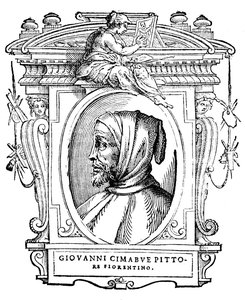
Кимбаве
1240 - 1302 , Italija
Osnovne informacije
- Artistic Movement Or Style: Byzantine & Renaissance
- Artists Who Influenced This Artist:
- Giunta Pisano
- Coppo di Marcovaldo
- Date Of Birth: c. 1240
- Date Of Death: 1302
- Full Name: Giovanni Cimabue
- Nationality: Italian
- Notable Artworks:
- Maestà
- Crucifixion
- Flagellation of Christ
- Place Of Birth: Florence, Italy
Povezani članci
Rafaela Sanzio: 25 Remek-dela Renesansnog Majstora za Vaš Dom | ArtsDot
Uronite u svet Rafaela Sanzija! Otkrijte 25 remek-dela renesansnog umetnika, od Madona do fresaka Vatikana. Inspiracija za dekoraciju enterijera i kupovina reprodukcija slika visoke rezolucije na ArtsDot.com.

Giotto di Bondone: 25 Remek-dela koji definišu renesansu | ArtsDot
Istražite 25 remek-dela Giotta di Bondonea i otkrijte renesansnu umetnost u punom sjaju. Freske, oltarske slike & istorija italijanske umetnosti na ArtsDot.com! Reprodukcije vrhunskog kvaliteta za vaš dom.
Proto-Renaissance Masters: 10 Artworks That Changed History | ArtsDot
Journey back to the dawn of Renaissance art! Explore 10 iconic Proto-Renaissance masterpieces by Giotto, Cimabue & Duccio. Discover their stories, techniques & lasting impact. Find museum-quality reproductions for your home at ArtsDot.com
25 Remek-dela Galerije Uffizi: Putovanje kroz renesansnu lepotu | ArtsDot.com
Istražite 25 remek-dela Galerije Uffizi u Firenci! Otkrijte priče iza slika Leonarda da Vinčija, Mikelanđela i Botticellija. Pronađite inspiraciju za dekoraciju enterijera i kupite reprodukcije vrhunske kvalitete na ArtsDot.com.
Illuminating Eternity: A Comprehensive Exploration of Byzantine Art's Legacy
Explore the rich history & stunning artistry of the Byzantine Empire! Discover iconic mosaics, profound symbolism, and lasting influence on Western art. A comprehensive guide for history lovers.