

 Pregledaj u prostoru
 Pošalji
 Podeli
 Detalji o delu

 Преузми
 Slični predmeti
 Rendgenski snimak
 Slajdovi
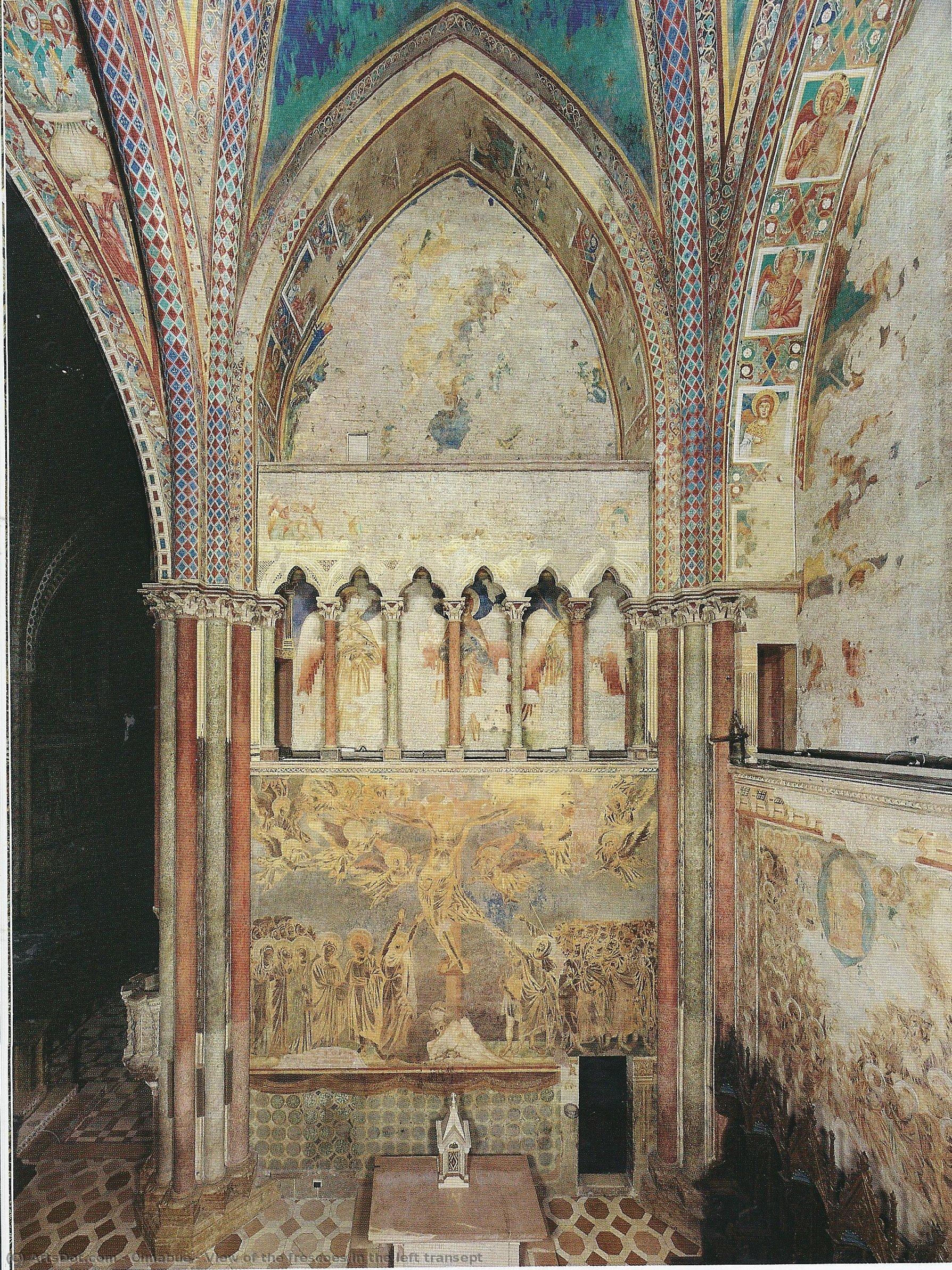
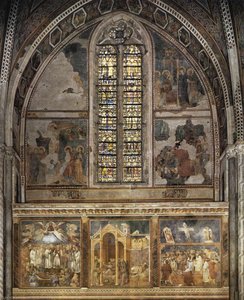
View of the frescoes in the left transept


 Pročitaj više
Kupite digitalnu sliku visoke rezolucije i poboljšanog kvaliteta, koja je znatno superiornija od onoga što vidite u online prikazu.
Svaka datoteka je pedantno pripremljena od strane naših stručnjaka koristeći napredne alate i profesionalnu ručnu retušu. Osiguravamo da svaka slika ima izuzetnu oštrinu, preciznu reprodukciju boja i fine detalje.
Konačna datoteka se dostavlja putem e-pošte u roku od 72 sata, optimizovana za neposrednu upotrebu u profesionalnim, izdavačkim i štamparskim okruženjima. To je isti kvalitet kojem veruju vrhunski studiji dizajna, izdavači i galerije.
Digitalna slika
Preuzmite datoteku visoke rezolucije za ličnu upotrebu, štampanje i kreativne projekte. ( Kupi print Kupi ručno naslikanu sliku)
Uključeno uz svaku porudžbinu digitalne slike
Profesionalna digitalna isporuka, zagarantovana
Kada odaberete ArtsDot.com, ne dobijate samo sliku – vi primate profesionalno unapređeno digitalno umetničko delo, izrađeno sa najvećom preciznošću i uz garanciju zadovoljstva. Evo svega što automatski dolazi uz vašu porudžbinu:

Brza dostava putem e-pošte
Vaša digitalna slika visoke rezolucije biće vam poslata putem e-pošte u roku od 72 sata od poručivanja – spremna za trenutnu upotrebu.

Digitalna datoteka unapređena veštačkom inteligencijom
Vaše umetničko delo je profesionalno optimizovano korišćenjem naprednih AI alata i ručne obrade, čime se osiguravaju maksimalni detalji, oštrina i preciznost boja.

Besplatna ponovna isporuka doživotno
Slučajno ste obrisali ili izgubili svoju datoteku? Ne brinite – poslaćemo vam je ponovo u bilo kom trenutku, potpuno besplatno.

Bez troškova uvoza – zauvek
Uživajte u svojim umetničkim delima trenutno, bez carine, dažbina ili troškova dostave – digitalni download je uvek bez poreza.

Garancija vernosti boja
Uz pomoć profesionalnih alata i upravljanja bojama, osiguravamo da vaša digitalna slika što vernije odražava originalne boje.

Garancija zadovoljstva u roku od 60 dana
Ako niste zadovoljni svojom digitalnom slikom, revidirat ćemo je ili vratiti 100% novca u roku od 60 dana – bez ikakvih pitanja.

100% garancija povrata novca
Niste zadovoljni? Obezbedite pun povrat novca u roku od 60 dana od trenutka kada ste primili svoju digitalnu datoteku – bez suvišnih pitanja.

Popusti na velike porudžbine
Kupite 3 slike, uštedite 10% - Kupite 5 slika, uštedite 15% - Kupite 10+ slika, uštedite 20%. Odlično za kreativne projekte, galerije i agencije.
Opis kolekcionarskog dela
A Medieval Sanctuary Revealed: Cimabue’s Frescoes in Assisi
Stepping into the world of Cimabue’s “View of the frescoes in the left transept” is akin to traversing centuries, arriving at a moment frozen within the sacred walls of the Basilica of Saint Francis of Assisi around 1280. This isn't merely an image; it’s a portal into the spiritual heart of medieval Italy, offering a rare glimpse of artistic devotion and burgeoning innovation. The scene unfolds as a testament to a pivotal era—a bridge between the established traditions of Italo-Byzantine art and the revolutionary currents that would soon define the Renaissance.
The Architecture of Faith and Artistic Ascent
Our gaze is immediately drawn upwards, guided by the masterful arrangement of vertical lines created by the arches and columns framing the frescoes. These architectural elements aren’t simply structural; they are symbolic pathways leading towards the divine. The apse and altar area become the focal point, emphasizing a sense of ascending reverence. Though specific narratives within the frescoes remain partially obscured in this view, their presence is powerfully felt—biblical scenes and figures rendered with a delicate balance between tradition and emerging naturalism. The vaulted ceiling seems to embrace the sacred space, creating an atmosphere of profound contemplation. The image subtly reveals the passage of time; marks of age and restoration are visible, adding layers of history and authenticity to this enduring work.
Breaking with Byzantine Convention: A Proto-Renaissance Vision
Cimabue’s artistry lies in his subtle yet significant departure from the rigid conventions of the Italo-Byzantine style. While echoes of that tradition—the use of gold, flattened perspective, and stylized figures—are undeniably present, he began to infuse his work with a newfound sense of volume, shading, and *lifelike* proportions. This was a revolutionary step, paving the way for artists like Giotto di Bondone who would further push the boundaries of naturalism and emotional depth in painting. The technique employed is primarily fresco—pigments applied directly onto wet plaster—a method that ensures both durability and luminosity. The interplay between textures – rough stone walls contrasting with the smooth painted surfaces – adds a captivating visual dimension, enriching the overall experience.
Symbolism and Enduring Legacy
Every element within this composition resonates with symbolic meaning. The arches, columns, and apse are inherently associated with sacred spaces and religious devotion, while the frescoes themselves serve as visual narratives of faith and morality. The muted color palette—ochres, browns, creams, and faded blues—evokes a sense of age, solemnity, and reverence, inviting quiet contemplation. This artwork transcends mere aesthetic appeal; it inspires awe, encourages introspection, and forges a profound connection to the past. It stands as a powerful reminder of art’s enduring ability to connect us across generations, offering a glimpse into the beliefs and artistic sensibilities of medieval Italy. Cimabue's influence, documented by Giorgio Vasari, continues to resonate today, solidifying his place as a crucial figure in the evolution of Western art.
Srodna umetnička dela
Biografija umetnika
Cimabue: Grandfather of the Italian Renaissance
Giovanni Cimabue, born Cenni di Pepo around 1240 in Florence, stands as a monumental figure—a bridge between the established artistic traditions of the Byzantine world and the burgeoning innovations that would define the Italian Renaissance. His life, though partially obscured by time and romanticized accounts – most notably those penned by Giorgio Vasari centuries later – marks an undeniable turning point in Western art history. Cimabue wasn’t simply a painter; he was a courageous innovator who dared to subtly challenge artistic conventions, laying the groundwork for the revolutionary changes that would soon sweep across Italy. Even his nickname, believed to mean “bull-headed,” hints at a strong will and perhaps a rebellious spirit—qualities demonstrably present in his willingness to experiment with form and expression. He represents a crucial moment where art began to shift from being solely devotional imagery towards something more humanistic and emotionally resonant.Early Influences and Artistic Development
Initially immersed in the Italo-Byzantine style prevalent throughout Florence, Cimabue’s early work adhered closely to established aesthetic principles: flattened figures adorned with shimmering gold leaf, symbolic rather than realistic depictions of space, and a profound focus on religious iconography. However, even within these constraints, a nascent desire for naturalism began to emerge. He wasn't content merely replicating existing forms; he sought to imbue his paintings with a greater sense of life and emotional depth. While the precise nature of his early training remains debated, it’s likely he honed his skills within Florentine workshops, absorbing the techniques and influences of the time while simultaneously developing his own unique artistic voice. The Byzantine style, characterized by its formality and spiritual focus, provided him with a solid foundation, but Cimabue began to subtly introduce elements that would foreshadow the coming Renaissance—a greater attention to volume, more expressive facial features, and a nascent understanding of spatial relationships. This wasn’t a sudden break from tradition, but rather a gradual evolution, a delicate balancing act between honoring the past and embracing new possibilities.The Maestro's Vision: Giotto and Beyond
Despite Cimabue’s untimely demise in 1302—leaving behind scant biographical details—his influence on subsequent generations of artists is undeniable. Most notably, he mentored Giotto di Bondone, arguably the first true Renaissance Master. Vasari recounts a legendary tale – one that captures the spirit of their relationship – wherein Cimabue playfully painted a fly onto Giotto’s face, symbolizing his surpassing brilliance. This anecdote underscores not only Cimabue's generosity as a teacher but also the dynamic tension between mentor and pupil—a rivalry fueled by mutual respect and culminating in Giotto’s triumph over his predecessor. Cimabue’s artistic innovations extended beyond Giotto’s training; he challenged the conventions of his time, demonstrating that art could transcend mere symbolism and express profound human emotion. His willingness to experiment with form, proportion, and color paved the way for the groundbreaking achievements of the Renaissance—establishing him as a pivotal transitional figure in Western art history.Notable Works: A Legacy of Innovation
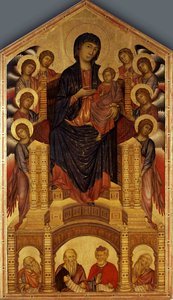
Cimabue’s artistic output is characterized by remarkable stylistic diversity, reflecting his evolving understanding of artistic principles throughout his career. The *Maestà*, commissioned for the Church of San Francesco in Pisa around 1280, stands as a testament to Cimabue's mastery of composition and color—a bold departure from the rigid Byzantine aesthetic that dominated earlier medieval painting. Unlike its predecessors, the *Maestà* achieves a palpable sense of depth and volume, conveying an emotional resonance previously absent from devotional art. The figures are rendered with meticulous detail, capturing subtle nuances of expression and embodying a newfound appreciation for human anatomy. This monumental altarpiece signaled Cimabue’s embrace of Renaissance ideals—a shift toward naturalism and psychological realism that would profoundly reshape the artistic landscape of Italy. Similarly impressive is *The Crucifixion*, executed circa 1270 for the Basilica of San Domenico in Arezzo. Cimabue's depiction of Christ on the cross represents a decisive step away from Byzantine conventions—characterized by stylized figures and distant perspectives. The artist skillfully employs shading to imbue the crucified figure with flesh-like plasticity, conveying the agony of suffering with remarkable sensitivity. Furthermore, Cimabue’s masterful use of color enhances the dramatic impact of the scene—creating a visual experience that transcends mere representation and engages the viewer emotionally. Finally, Cimabue's contribution to Florentine art is cemented through his involvement in the decoration of the Baptistery of Florence – specifically the mosaic depicting Saint John the Evangelist completed between 1301 and 1302. This monumental artwork exemplifies Cimabue’s artistic prowess as a mosaicist—demonstrating his ability to integrate intricate geometric patterns with vibrant colors—creating a visually stunning masterpiece that continues to inspire awe and admiration centuries later. Cimabue's legacy endures not merely as an artist but as a catalyst for change—a visionary who ushered in the dawn of the Renaissance, forever altering the course of Western art history.
Кимбаве
1240 - 1302 , Italija
Kratke činjenice
- Artistic Movement Or Style: Byzantine & Renaissance
- Artists Who Influenced This Artist:
- Giunta Pisano
- Coppo di Marcovaldo
- Date Of Birth: c. 1240
- Date Of Death: 1302
- Full Name: Giovanni Cimabue
- Nationality: Italian
- Notable Artworks:
- Maestà
- Crucifixion
- Flagellation of Christ
- Place Of Birth: Florence, Italy

