

 Pregledaj u prostoru
 Pošalji
 Podeli
 Detalji o delu

 Преузми
 Slični predmeti
 Rendgenski snimak
 Slajdovi
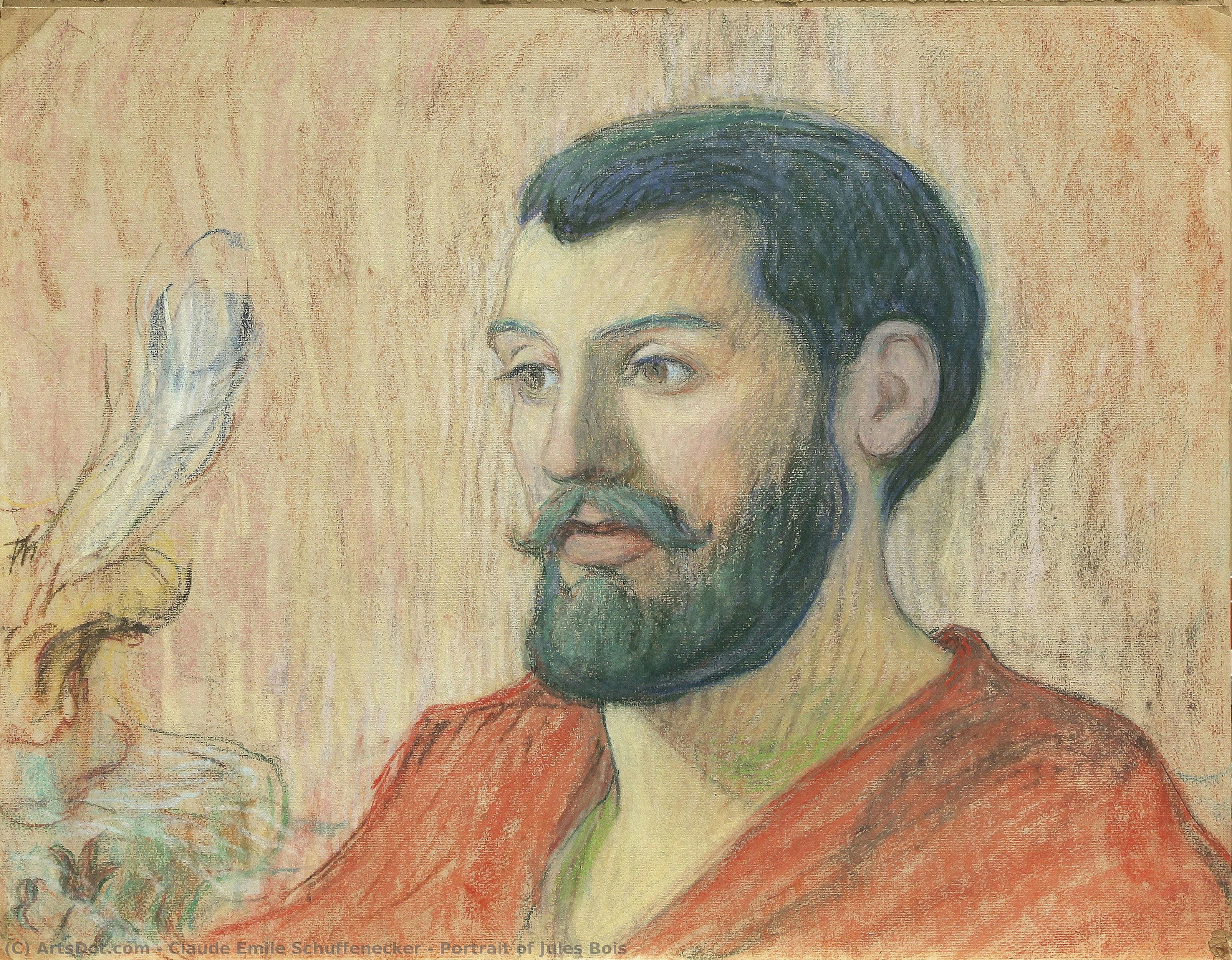
Portrait of Jules Bois
 Acrylic On Canvas
- WallArt
- Post-Impressionism
 1895
1895- 19th Century
 44.0 x 56.0 cm
 Musée de Pont-Aven
 Pročitaj više
Kupite digitalnu sliku visoke rezolucije i poboljšanog kvaliteta, koja je znatno superiornija od onoga što vidite u online prikazu.
Svaka datoteka je pedantno pripremljena od strane naših stručnjaka koristeći napredne alate i profesionalnu ručnu retušu. Osiguravamo da svaka slika ima izuzetnu oštrinu, preciznu reprodukciju boja i fine detalje.
Konačna datoteka se dostavlja putem e-pošte u roku od 72 sata, optimizovana za neposrednu upotrebu u profesionalnim, izdavačkim i štamparskim okruženjima. To je isti kvalitet kojem veruju vrhunski studiji dizajna, izdavači i galerije.
Digitalna slika
Preuzmite datoteku visoke rezolucije za ličnu upotrebu, štampanje i kreativne projekte. ( Kupi print Kupi ručno naslikanu sliku)
Uključeno uz svaku porudžbinu digitalne slike
Profesionalna digitalna isporuka, zagarantovana
Kada odaberete ArtsDot.com, ne dobijate samo sliku – vi primate profesionalno unapređeno digitalno umetničko delo, izrađeno sa najvećom preciznošću i uz garanciju zadovoljstva. Evo svega što automatski dolazi uz vašu porudžbinu:

Brza dostava putem e-pošte
Vaša digitalna slika visoke rezolucije biće vam poslata putem e-pošte u roku od 72 sata od poručivanja – spremna za trenutnu upotrebu.

Digitalna datoteka unapređena veštačkom inteligencijom
Vaše umetničko delo je profesionalno optimizovano korišćenjem naprednih AI alata i ručne obrade, čime se osiguravaju maksimalni detalji, oštrina i preciznost boja.

Besplatna ponovna isporuka doživotno
Slučajno ste obrisali ili izgubili svoju datoteku? Ne brinite – poslaćemo vam je ponovo u bilo kom trenutku, potpuno besplatno.

Bez troškova uvoza – zauvek
Uživajte u svojim umetničkim delima trenutno, bez carine, dažbina ili troškova dostave – digitalni download je uvek bez poreza.

Garancija vernosti boja
Uz pomoć profesionalnih alata i upravljanja bojama, osiguravamo da vaša digitalna slika što vernije odražava originalne boje.

Garancija zadovoljstva u roku od 60 dana
Ako niste zadovoljni svojom digitalnom slikom, revidirat ćemo je ili vratiti 100% novca u roku od 60 dana – bez ikakvih pitanja.

100% garancija povrata novca
Niste zadovoljni? Obezbedite pun povrat novca u roku od 60 dana od trenutka kada ste primili svoju digitalnu datoteku – bez suvišnih pitanja.

Popusti na velike porudžbine
Kupite 3 slike, uštedite 10% - Kupite 5 slika, uštedite 15% - Kupite 10+ slika, uštedite 20%. Odlično za kreativne projekte, galerije i agencije.
Portrait of Jules Bois – A Window into Symbolist Paris
Claude Emile Schuffenecker’s “Portrait of Jules Bois,” painted in 1895, is more than just a likeness; it's a meticulously crafted glimpse into the intellectual and spiritual currents swirling through late nineteenth-century Paris. This pastel portrait, measuring 44 x 56 cm, captures Jules Bois, a fascinating figure – a journalist, poet, Symbolist playwright, and member of the enigmatic Paris Rosicrucians. The work’s significance extends far beyond a simple representation; it serves as a visual record of a pivotal moment in Schuffenecker's own artistic and philosophical development, inextricably linked to the burgeoning influence of theosophy.
- The Subject: Jules Bois, depicted with thoughtful intensity, embodies the Symbolist movement’s fascination with inner experience and esoteric knowledge. His gaze, directed towards an unseen object in his hand – perhaps a bird or a fragment of text – invites us to contemplate the mysteries he sought within his pursuits.
- Schuffenecker's Context: The portrait was created during a period of intense correspondence between Schuffenecker and Bois, a relationship profoundly shaped by their shared intellectual interests. It’s revealed that Bois witnessed Schuffenecker’s ethical and spiritual struggles, ultimately leading the artist to embrace theosophical ideas.
- A Parallel Project: Remarkably, while working on Bois' portrait, Schuffenecker was simultaneously engaged in an ambitious essay dedicated to Paul Gauguin – a testament to his keen observation of artistic trends and his willingness to engage with the most significant figures of the era.
Technique and Style – Impressionistic Depth
Schuffenecker’s masterful use of pastel is immediately apparent, creating a remarkably luminous and textured surface. The artist employs broken color techniques characteristic of Impressionism, layering delicate strokes to build up form and capture the subtle nuances of light and shadow. Notice how he renders Bois' clothing – the vibrant red shirt – not as a flat plane but as a collection of shimmering hues, reflecting the ambient light with remarkable fidelity. This technique, combined with his careful attention to detail in capturing Bois’ facial features, particularly the thoughtful expression and the delicate lines of his beard, demonstrates Schuffenecker’s technical skill.
- Pastel Medium: The pastel medium itself contributes significantly to the work's evocative quality. Its soft, velvety texture allows for a remarkable degree of subtlety and nuance in color rendering.
- Broken Color: Schuffenecker’s signature technique of applying broken color – layering small strokes of pure pigment – creates a vibrant, shimmering effect that is characteristic of Impressionism.
- Psychological Portraiture: Beyond mere representation, the portrait aims to capture Bois' inner state, reflecting his intellectual intensity and perhaps even a hint of melancholy.
Symbolic Elements and Historical Resonance
The inclusion of symbolic elements elevates “Portrait of Jules Bois” beyond a simple likeness. The quill and inkwell in the lower left corner are potent reminders of Bois’ profession as a writer, representing creativity and intellectual pursuit. The two birds – one on the left and another towards the top right – add an element of mystery and perhaps allude to spiritual or mythological themes favored by the Symbolist movement. Painted during a time of significant philosophical and artistic upheaval, this portrait reflects the anxieties and aspirations of a generation grappling with questions of faith, morality, and the nature of reality.
- The Quill & Inkwell: A direct reference to Bois’ role as a writer and intellectual.
- Symbolic Birds: The presence of birds is open to interpretation, potentially representing freedom, spirituality, or mythological figures.
- Rosicrucian Influence: The portrait reflects Schuffenecker's involvement with the Paris Rosicrucians, a group dedicated to esoteric knowledge and spiritual exploration.
Emotional Impact and Artistic Legacy
"Portrait of Jules Bois" offers a poignant glimpse into a pivotal moment in the life of Claude Emile Schuffenecker and the intellectual landscape of late 19th-century Paris. It’s a testament to Schuffenecker's ability to capture not just physical likeness but also the psychological depth and spiritual intensity of his subject. This work stands as an important, though often overlooked, contribution to Impressionism and a valuable window into the Symbolist movement’s exploration of inner experience and esoteric themes. A hand-painted reproduction allows you to bring this captivating portrait into your own space, inviting contemplation and sparking conversation.
Srodna umetnička dela
Biografija umetnika
The Quiet Pioneer: The Life and Legacy of Claude Émile Schuffenecker
In the vibrant, often tumultuous tapestry of the late nineteenth-century Parisian art scene, certain names shine with an almost blinding brilliance, while others linger in the soft, atmospheric shadows. Claude Émile Schuffenecker (1851–1934) belongs to that evocative second group—a figure whose brushstrokes helped define the edges of Post-Impressionism even as he remained somewhat obscured by the monumental shadows of his contemporaries. Born in Haute-Saône, France, Schuffenecker’s journey was one of profound resilience and artistic devotion. Following the early loss of his father, a tailor from Alsace, his path was shaped by economic necessity and a disciplined upbringing. Before fully committing to the easel, he worked within the practical world of commerce, assisting in his uncle’s coffee and chocolate roasting business. This grounded, industrious spirit would later manifest in his meticulous approach to color and composition, providing a stable foundation for his experimental explorations in light and form.
Schuffenecker’s artistic soul was forged in the crucible of Parisian bohemianism, where he found kindred spirits in the likes of Paul Gauguin and Odilon Redon. His education at the Académie Colarossi allowed him to refine his technical prowess, but it was his deep, intellectual connection with Gauguin that truly catalyzed his creative evolution. The two men shared more than just a studio space; they shared a reverence for the Old Masters and a mutual desire to push beyond the fleeting impressions of Monet toward something more structural and symbolic. This period of intense camaraderie saw Schuffenecker participating in pivotal moments of art history, most notably the Volpini Exhibition, an event that served as a crucial platform for the avant-garde. Through these connections, he also became an early supporter of Vincent van Gogh, positioning himself at the very heart of a movement that would forever alter the course of modern art.
A Vision of Light and Atmosphere
The work of Schuffenecker is characterized by a delicate balance between the observational accuracy of Impressionism and the emotive, flattened planes of Post-Impressionism. His landscapes often serve as windows into a serene, almost dreamlike reality. In pieces such as In the Woods, one can observe his mastery of pastel and oil to create a sense of depth through soft, rhythmic brushwork. He possessed a unique ability to capture the way light filters through foliage or rests upon the surface of water, as seen in his evocative depictions of the Meudon region. His compositions often invite the viewer into a quiet, contemplative space, where the boundaries between the physical world and psychological mood begin to blur.
Beyond the landscape, Schuffenecker’s oeuvre includes portraits that delve into the interiority of his subjects, reflecting a profound interest in human emotion. His technique often utilized:
- Atmospheric Subtlety: A focus on the weight and texture of air and light to create mood.
- Color Harmony: An intentional use of palette to evoke specific emotional responses, influenced by his studies with Gauguin.
- Structural Composition: A move away from purely spontaneous strokes toward more deliberate, organized forms that suggest a lasting permanence.
Historical Significance and the Collector's Eye
While Schuffenecker may not have achieved the global celebrity of the masters he befriended, his historical significance is multifaceted. He was not merely a painter but an active participant in the ecosystem of art through his roles as an art teacher and a dedicated collector. His eye for talent and his commitment to fostering new movements helped sustain the momentum of the Post-Impressionist era. By documenting and supporting the works of his peers, he contributed to the very fabric of the Parisian avant-garde.
Today, Schuffenecker’s legacy is being rediscovered by scholars and enthusiasts alike who recognize the quiet strength in his vision. His ability to navigate the transition from the naturalism of the mid-century to the expressive freedom of the new century marks him as a vital link in the chain of modern art history. To study Schuffenecker is to witness the evolution of a movement, seeing through his eyes the shifting light of a world on the brink of profound change.
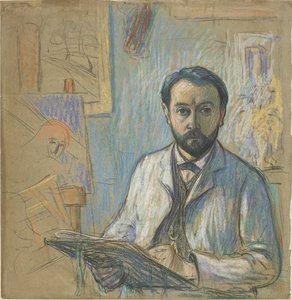
claude emile schuffenecker
1851 - 1934 , France
Kratke činjenice
- Artistic Movement Or Style: Post-Impressionism
- Artists Or Movements Influenced By This Artist: ['Vincent van Gogh']
- Artists Who Influenced This Artist:
- Paul Gauguin
- Odilon Redon
- Date Of Birth: December 8, 1851
- Date Of Death: July 31, 1934
- Full Name: Claude Emile Schuffenecker
- Nationality: French
- Notable Artworks:
- The Luxembourg Parc
- Paysage Landscape
- Place Of Birth: Haute-Saône, France

