

 Pregledaj u prostoru
 Pošalji
 Podeli
 Detalji o delu

 Преузми
 Slični predmeti
 Rendgenski snimak
 Slajdovi
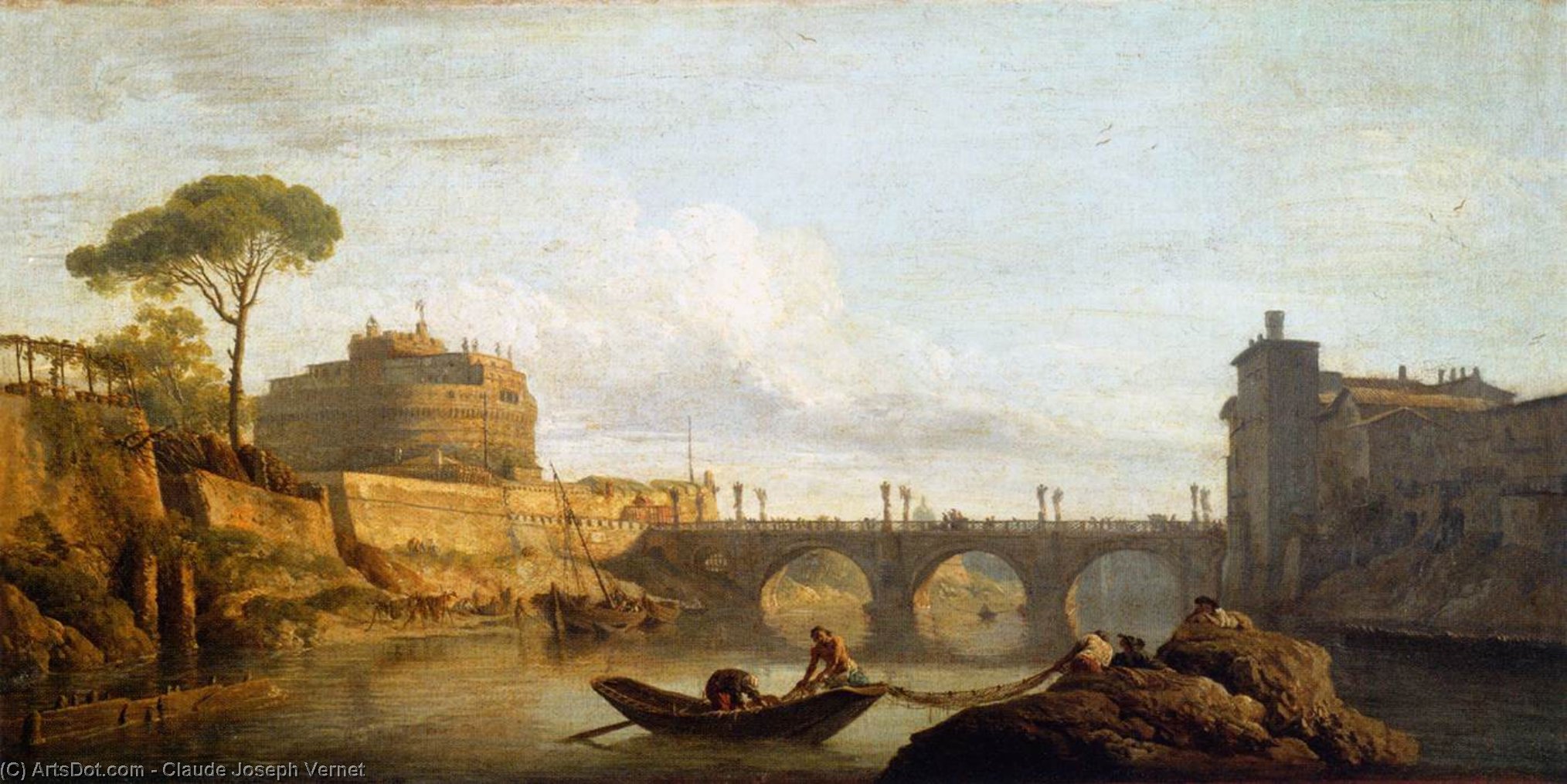
The Bridge and the Castel Sant'Angelo in Rome
 Acrylic On Canvas
- WallArt
- Rococo/Neoclassical
 1745
1745 40.0 x 77.0 cm
 Louvre
 Pročitaj više
Giclee štampa / Umetnički otisak
Giclée štampa ili print na platnu muzejskog kvaliteta uz brzu proizvodnju i fleksibilne opcije završne obrade. ( Kupi ručno naslikanu sliku Kupi digitalnu sliku)




P118B $10

P118H $10

P118W $10

P438Z $10

P508JH $12

P508YH $12

P805H $10

P805Z $10

P919BZ $10

P919G $10

P919XJ $10

P959ZH $10

P968JZ $12

W106C $8

W218G $10

W218JH $8

W218Y $10

W307PJ $10

W316G $10

W316PJ $8

W316Y $10

W398PJ $8

W4111J $10

W500HY $15

W500JH $15

W692G $12

W849H $8

W940BG $15

W953PJ $8




Izaberite jednu od naših unapred definisanih veličina koje odgovaraju originalnim proporcijama umetničkog dela.

Možete uneti sopstvene dimenzije kako biste umetničko delo prilagodili specifičnom okviru ili prostoru. Ako odabrani format ne odgovara proporcijama originalne slike, mi ćemo ili iscrtati deo dela ili proširiti sliku pomoću ogledane ivice ili jednobojnog popunjavanja. Digitalni prikaz će vam biti poslat na odobrenje pre početka proizvodnje.
Imajte na umu da pregled na ekranu ne odražava stvarno iscrtavanje ili proširivanje. Samo će prikaz (mockup) precizno pokazati finalnu kompoziciju.
Iako su prilagođene dimenzije dostupne, preporučujemo da odaberete dimenziju sa unapred definisane liste kako biste očuvali originalne proporcije.
Dostava širom sveta () za 2 nedelje umesto uobičajenih 4/5 nedelja. (25 август)

Besplatna ekspresna dostava širom sveta

Visokokvalitetno laneno platno

Kompletno osiguranje transporta

Garancija povraćaja carine i uvoznih dažbina

Garancija vernosti boja

Politika povrata u roku od 60 dana (samo u slučaju nedostataka)

Garancija povrata novca od 100%

Popust pri grupnoj kupovini
 Opcija sa staklom dostupna je samo za dimenzije manje od 110 cm

The Bridge and the Castel Sant'Angelo in Rome
Giclee štampa / Umetnički otisak
Dimenzije reprodukcije
-


Konačna cena
$ 62
Opis predmeta
A Roman Reverie: Vernet’s Evocative Capture of Eternal City
Claude-Joseph Vernet’s “The Bridge and the Castel Sant’Angelo in Rome” isn’t merely a depiction of a cityscape; it's a carefully constructed tableau brimming with atmosphere, light, and a profound sense of Roman grandeur. Painted in 1745, this work transcends simple representation, offering instead a distilled essence of the Eternal City – its bustling life, architectural majesty, and the subtle poetry of twilight. Vernet, a master of maritime scenes and dramatic landscapes, here demonstrates his remarkable ability to capture not just form but also the very *feeling* of Rome, imbuing the canvas with an almost palpable sense of history and romance.
The scene unfolds along the Tiber River, dominated by the imposing Castel Sant’Angelo – originally Hadrian's mausoleum, later transformed into a fortress and papal residence. The bridge itself, known as Ponte dell’Anguilla (Bridge of Angels), arches gracefully across the water, its elegant structure reflecting in the shimmering surface below. Vernet skillfully employs atmospheric perspective; distant elements are rendered in softer hues and with less detail, creating an illusion of depth that draws the eye into the heart of the composition. The warm glow of the late afternoon sun bathes the scene, casting long shadows and highlighting the textures of the buildings – the rough stonework of the castle, the weathered surfaces of the bridge, and the vibrant colors of the boats drifting along the river.
The Painter’s Palette: Technique and Style
Vernet's style is characterized by a remarkable blend of realism and romanticism. He meticulously observed the details of Roman architecture and daily life, yet he infused his work with an emotional intensity that elevates it beyond mere documentation. The brushstrokes are loose and expressive, particularly in the rendering of the sky – a swirling vortex of blues, purples, and golds that evokes both serenity and drama. He masterfully utilized chiaroscuro—the dramatic contrast between light and shadow—to create a sense of volume and depth, emphasizing the monumental scale of the Castel Sant’Angelo while simultaneously suggesting the intimate details of the riverbank scene. The use of oil paint allows for rich colors and subtle gradations, contributing to the overall luminous quality of the painting.
- Technique: Oil on canvas – a medium that allowed Vernet to achieve nuanced color variations and atmospheric effects.
- Composition: Balanced arrangement of architectural elements and natural forms, creating a harmonious and visually engaging scene.
- Color Palette: Dominated by warm earth tones (ochres, browns) contrasted with cool blues and purples of the twilight sky.
A Historical Echo: Vernet’s Roman Roots
Vernet's fascination with Rome stemmed from his early training in the city as a pupil of landscape masters like Claude Lorrain. This immersion in classical art profoundly influenced his style, shaping his understanding of composition, perspective, and the depiction of light and atmosphere. His time in Rome also exposed him to the rich history and mythology of the Eternal City, which he frequently incorporated into his work. “The Bridge and the Castel Sant’Angelo” is a testament to this influence – it's not simply a view of Rome; it’s a meditation on its enduring beauty and historical significance. Notably, Vernet was part of a generation that sought to capture the spirit of the Enlightenment, blending classical ideals with contemporary observations of the world.
The Soul of Rome: Symbolism and Emotional Resonance
Beyond its technical brilliance, “The Bridge and the Castel Sant’Angelo” resonates deeply on an emotional level. The painting evokes a sense of timelessness – a feeling that one is witnessing a scene that has played out countless times throughout history. The gentle movement of the boats, the quiet activity along the riverbank, and the majestic presence of the castle all contribute to this atmosphere of serenity and contemplation. The Castel Sant’Angelo itself holds layers of symbolism: representing both Roman imperial power and papal authority, it stands as a potent reminder of Rome's complex and layered past. The painting invites viewers to lose themselves in the beauty of the city and reflect on its enduring legacy – a captivating blend of history, art, and human experience.
Srodna umetnička dela

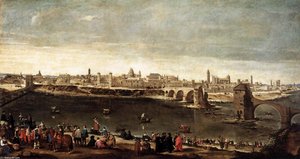
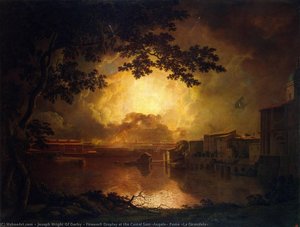
Biografija umetnika
Мајстор Морског Светла: Живот и Уметност Клода-Жозефа Вернеа
Клод-Жозеф Верне, рођен у Бордоу 1714. године, није првобитно био предодређен за величанствене пејзаже и драматичне морске сцене које су дефинисале његово наслеђе. Његове ране уметничке тежње откриле су фасцинацију коњима – страст која је била очигледна чак и у детињству, када је скицирао ове племените звери од пете године. Ова рана посвећеност анатомији животиња, посебно облику коња, суптилним начином ће обликовати његов каснији рад, дајући динамичну енергију и реализам фигурама у ширим композицијама. Вернеова формална обука започела је под руководством његовог оца, Антоана Вернеа, декоративног сликара, и Николе-Бернара Леписијеа, пружајући му чврсту академску основу пре него што се упустио у уметничко срце Европе: Рим. Управо је у Италији Верне заиста открио свој позив, одушевљен не само класичним пејзажима већ и сировом моћи и лепотом мора. Призор китова са обале Марсеја се показао као преломни тренутак, запаливши доживотну опсесију морским темама.Од Римских Студија до Краљевских Наруџбини
Вернеово време у Риму није било само о реплицирању постојећих стилова; то је била импресивна студија светла, атмосфере и интеракције између човечанства и природе. Упијао је утицаје мајстора као што су Клод Лорен и Салватор Роза, спајајући њихове приступе у јединствено личну визију. Док је Лорен нудио идеализовану северну спокојност, Роза је пружио драматичан интензитет – Верне је вешто синтетисао ове елементе, стварајући сцене које су биле и визуелно запањујуће и емотивно резонантно. По повратку у Француску 1753. године, Вернеов таленат је брзо стекао признање. Преломни тренутак дошао је са наруџбином Луја XV да наслика серију призора француских лука. Ова амбициозна поставка – која је на крају обухватила петнаест слика – успоставила је Вернеа као премијерног морског сликара свог времена. То нису били само топографски записи; то су били евокативни портрети националног поноса, који показују поморску моћ Француске и њену везу са морем. На пример, *Интеријер луке Марсеја (1754)* није само приказ прометне луке – то је ода трговини, индустрији и животворној снази града.Наслеђе Ковано у Светлу и Невремену
Вернеова уметничка вештина лежала је не само у његовом прецизном приказу бродова и лука, већ и у његовом мајсторском руковођењу светом и атмосфером. Разумео је како сунчева светлуст блиста на води, како се облаци окупљају пред олујом и како ти елементи драматично могу променити расположење сцене. Његове слике често садрже драматична неба, бурне воде и фигуре ухваћене у тренуцима опасности и отпорности. Призор луке Напуља са Везувом у позадини (1774) пример је овог талента – импозантно присуство Везува над прометном луком, подсећање на моћ природе док истовремено истиче људску активност. Ова способност балансирања величине и интимности је обележје његовог рада. Поред морских сцена, Верне је истраживао пејзаже и ловачке теме, увек одржавајући оштар поглед на детаље и разумевање анатомије животиња – вештину стечену у младости.Породица, Утицај и Трајна Значајност
Уметничка лоза се наставила са Вернеовим сином, Антоаном Чарлсом Орасом Вернеом (познатим и као Карле Верне), који је следио стопама свог оца, постижући славу по својим динамичним биткама и ловачкој уметности. Ова породична веза подвлачи важност традиције и менторства у француској уметничкој заједници 18. века. Клод-Жозеф Вернеов утицај се протезао ван његове непосредне породице; помогао је да се пејзажно сликање уздигне на позицију истакнутости у француској уметности. Њигов рад је отворио пут каснијим генерацијама уметника, инспиришући их да истраже лепоту и моћ природног света. Иако је преминуо 1789. године, на прагу револуционарних промена, Вернеово наслеђе траје. Његове слике настављају да очаравају гледаоце својом атмосферском дубином, техничком бриљантношћу и евокативним причама – сведочење живота посвећеног заробљавању суштине светла, мора и људског духа.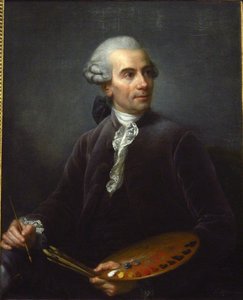
Клод Жозеф Верне
1714 - 1789 , Француска
Osnovne informacije
- Artistic Movement Or Style: Pejzaž, Pomorski slikarstvo
- Artists Or Movements Influenced By This Artist: ['Antoine Charles Horace Vernet']
- Artists Who Influenced This Artist:
- Claude Lorrain
- Bernardino Fergioni
- Date Of Birth: 14. avgust 1714.
- Date Of Death: 1789.
- Full Name: Claude-Joseph Vernet
- Nationality: Francuz
- Notable Artworks:
- Unutrašnjost luke Marseja
- Pogled na luku Napulja
- Place Of Birth (City And Country): Bordo, Francuska
Povezani članci
Émile Jean Horace Vernet: Romantic Realism & Depicting 19th-Century Life
Explore the life & art of Émile Jean Horace Vernet, a master of Romantic Realism. Discover his captivating battle scenes, portraits, and Orientalist works – a window into 19th-century France. Learn about his techniques & enduring legacy.
James Sant: Capturing Victorian Childhood & the Evolving Landscape of British Genre Painting
Explore the life & art of James Sant (1820-1916), renowned Victorian portraitist to Queen Victoria. Discover his captivating depictions of childhood, landscapes, and aristocratic society. Learn about his legacy & find fine art reproductions.
Mario Sironi: A Poetic of Modern Italian Identity Through Symbolism & Social Commentary
Explore the profound works of Mario Sironi, a key figure in Italian Modernism. Discover his evolution from Futurism to Metaphysical painting and his powerful social commentary. Learn about his legacy at ArtsDot.
Angelo Chiacchio: A Mid-Century American Illustration Master & the Rise of Commercial Art
Explore the captivating world of Angelo Chiacchio, a master of mid-century American illustration. Discover his evolution, signature style, and lasting impact on commercial art & design. Learn about his legacy at the Museum of American Illustration.
Civic Virtue and Artistic Rivalry: Patronage and Innovation in the Italian Renaissance Republics, 1400–1600
Explore the Italian Renaissance! Discover how competitive patronage & humanist ideals fueled artistic innovation in republics like Florence & Venice. Expert insights for art lovers and collectors.

