

 Pregledaj u prostoru
 Pošalji
 Podeli
 Detalji o delu

 Преузми
 Slični predmeti
 Rendgenski snimak
 Slajdovi
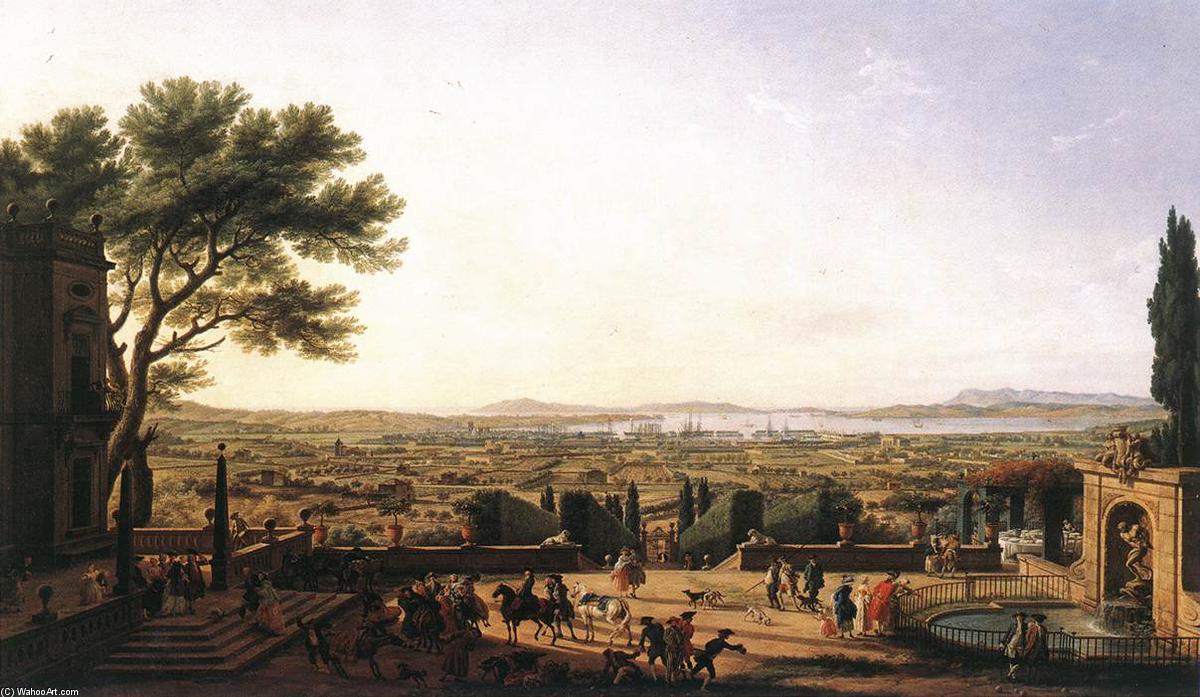
The Town and Harbour of Toulon
 Oil On Canvas
- WallArt
- Rococo
 1756
1756 165.0 x 263.0 cm
 Louvre
 Pročitaj više
Ručno rađena uljana reprodukcija
Ručno oslikano uljanim bojama na platnu u dimenzijama i okviru po vašem izboru, izrađeno po porudžbini od strane naših umetnika. ( Kupi print Kupi digitalnu sliku)




P118B $10

P118H $10

P118W $10

P438Z $10

P508JH $12

P508YH $12

P805H $10

P805Z $10

P919BZ $10

P919G $10

P919XJ $10

P959ZH $10

P968JZ $12

W106C $8

W218G $10

W218JH $8

W218Y $10

W307PJ $10

W316G $10

W316PJ $8

W316Y $10

W398PJ $8

W4111J $10

W500HY $15

W500JH $15

W692G $12

W849H $8

W940BG $15

W953PJ $8




Izaberite jednu od naših unapred definisanih veličina koje odgovaraju originalnim proporcijama umetničkog dela.

Можете унети сопствене димензије како бисте прилагодили дело одређеном оквиру или простору. Ако одабрана величина не одговара пропорцијама оригинала, слика ће бити исечена или проширена додатним елементима који се ручно насликавају. Дигитални prikaz ће вам бити послат на одобрење пре почетка производње.
Имајте на уму да преглед на екрану не одражава стварно исецање или проширење. Само приказ (mockup) ће тачно приказати коначну композицију.
Иако су доступне прилагођене величине, препоручујемо да одаберете димензију из дефинисане листе како бисте сачували оригиналне пропорције.
Nakon narudžbine, tim ArtsDot.com će klijentu putem e-pošte poslati uputstva i dostaviti prikaz predloženog rešenja
Isporuka širom sveta () za 3/4 nedelje umesto uobičajenih 5 nedelja. (30 август). Bez kompromisa po pitanju kvaliteta.

Besplatna ekspresna dostava širom sveta

Visokokvalitetno laneno platno

Kompletno osiguranje transporta

Garancija povraćaja carine i uvoznih dažbina

Garancija vernosti boja

Politika povrata u roku od 60 dana (samo u slučaju nedostataka)

Garancija povrata novca od 100%

Popust pri grupnoj kupovini
 Opcija sa staklom dostupna je samo za dimenzije manje od 110 cm

The Town and Harbour of Toulon
Tehnika reprodukcije
Dimenzije reprodukcije
-


Konačna cena
$ 263
A Vision of Maritime Life: Claude Joseph Vernet’s “The Town and Harbour of Toulon”
Claude-Joseph Vernet's "The Town and Harbour of Toulon," painted in 1756, isn’t merely a depiction of a coastal town; it’s a vibrant snapshot of an era – the Rococo period in France – brimming with life, commerce, and the ever-present drama of the sea. More than just a landscape, this oil on canvas offers a captivating glimpse into the heart of Toulon, a strategically vital port city during the mid-18th century, and a testament to Vernet’s masterful ability to capture both the grandeur and the everyday realities of his subject.
The painting immediately draws the eye with its dynamic composition. A bustling foreground explodes with activity: fishermen hauling their nets, merchants engaged in lively trade, children playing amidst the chaos, and horses – a recurring motif in Vernet’s work – adding to the sense of movement and vitality. These figures aren't simply background elements; they are integral to the scene, embodying the energy and spirit of Toulon’s harbor life. The artist skillfully uses light and shadow to create depth and volume, lending a remarkable three-dimensionality to the composition. The warm glow illuminating the buildings contrasts sharply with the darker recesses of the harbor, guiding the viewer's eye through the intricate details of the scene.
Rococo Realism: Style and Technique
Vernet’s style is a compelling blend of realism and Rococo aesthetics. While firmly rooted in the naturalistic traditions of his time, he departs from strict academic formality, injecting a sense of spontaneity and immediacy into his work. The brushstrokes are loose and expressive, conveying a feeling of movement and capturing the fleeting moments of daily life. He masterfully employs atmospheric perspective – softening distant elements to create a sense of depth – and utilizes a rich, vibrant color palette dominated by earthy tones punctuated by brilliant blues and greens reflecting the sea. This careful attention to detail, combined with his loose brushwork, creates an image that is both meticulously observed and emotionally resonant.
The painting’s technique reveals Vernet's deep understanding of light and its effects on color and form. He expertly renders the textures of the buildings, the wetness of the water, and the movement of the figures, demonstrating a remarkable command of his medium. The use of chiaroscuro – dramatic contrasts between light and dark – further enhances the sense of depth and drama, drawing the viewer into the heart of the scene.
A Harbour of Commerce and History
“The Town and Harbour of Toulon” is more than just a picturesque view; it’s a historical document. Toulon itself held immense strategic importance for France during the 18th century, serving as a major naval base and a vital center for trade and shipbuilding. The presence of numerous ships in the harbor – including merchant vessels laden with goods and warships patrolling the waters – underscores this significance. The bustling activity depicted in the painting reflects Toulon’s role as a key player in France's maritime ambitions.
Furthermore, the painting offers insights into the social and economic life of the time. The diverse array of figures engaged in various trades—fishing, shipbuilding, commerce—highlights the multifaceted nature of Toulon’s economy. The inclusion of horses – essential for transportation and trade – reinforces the importance of animal power in this era. The scene is a microcosm of 18th-century French society, capturing both its prosperity and its inherent dynamism.
Symbolism and Emotional Resonance
Beyond its historical context, “The Town and Harbour of Toulon” resonates with viewers on an emotional level. The painting evokes a sense of energy, excitement, and the sheer joy of life in a thriving port city. Vernet’s masterful use of light and color creates a warm, inviting atmosphere, drawing the viewer into the scene and allowing them to experience the vibrancy of Toulon firsthand. The depiction of everyday activities—fishing, trading, socializing—suggests a sense of community and shared purpose.
Ultimately, “The Town and Harbour of Toulon” is a timeless masterpiece that continues to captivate audiences with its beauty, detail, and evocative portrayal of 18th-century life. It stands as a testament to Claude Joseph Vernet’s artistic genius and his ability to capture the essence of a bygone era.
Srodna umetnička dela
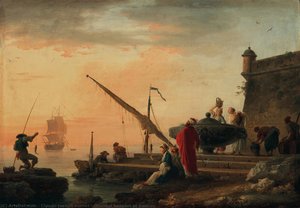
Biografija umetnika
Мајстор Морског Светла: Живот и Уметност Клода-Жозефа Вернеа
Клод-Жозеф Верне, рођен у Бордоу 1714. године, није првобитно био предодређен за величанствене пејзаже и драматичне морске сцене које су дефинисале његово наслеђе. Његове ране уметничке тежње откриле су фасцинацију коњима – страст која је била очигледна чак и у детињству, када је скицирао ове племените звери од пете године. Ова рана посвећеност анатомији животиња, посебно облику коња, суптилним начином ће обликовати његов каснији рад, дајући динамичну енергију и реализам фигурама у ширим композицијама. Вернеова формална обука започела је под руководством његовог оца, Антоана Вернеа, декоративног сликара, и Николе-Бернара Леписијеа, пружајући му чврсту академску основу пре него што се упустио у уметничко срце Европе: Рим. Управо је у Италији Верне заиста открио свој позив, одушевљен не само класичним пејзажима већ и сировом моћи и лепотом мора. Призор китова са обале Марсеја се показао као преломни тренутак, запаливши доживотну опсесију морским темама.Од Римских Студија до Краљевских Наруџбини
Вернеово време у Риму није било само о реплицирању постојећих стилова; то је била импресивна студија светла, атмосфере и интеракције између човечанства и природе. Упијао је утицаје мајстора као што су Клод Лорен и Салватор Роза, спајајући њихове приступе у јединствено личну визију. Док је Лорен нудио идеализовану северну спокојност, Роза је пружио драматичан интензитет – Верне је вешто синтетисао ове елементе, стварајући сцене које су биле и визуелно запањујуће и емотивно резонантно. По повратку у Француску 1753. године, Вернеов таленат је брзо стекао признање. Преломни тренутак дошао је са наруџбином Луја XV да наслика серију призора француских лука. Ова амбициозна поставка – која је на крају обухватила петнаест слика – успоставила је Вернеа као премијерног морског сликара свог времена. То нису били само топографски записи; то су били евокативни портрети националног поноса, који показују поморску моћ Француске и њену везу са морем. На пример, *Интеријер луке Марсеја (1754)* није само приказ прометне луке – то је ода трговини, индустрији и животворној снази града.Наслеђе Ковано у Светлу и Невремену
Вернеова уметничка вештина лежала је не само у његовом прецизном приказу бродова и лука, већ и у његовом мајсторском руковођењу светом и атмосфером. Разумео је како сунчева светлуст блиста на води, како се облаци окупљају пред олујом и како ти елементи драматично могу променити расположење сцене. Његове слике често садрже драматична неба, бурне воде и фигуре ухваћене у тренуцима опасности и отпорности. Призор луке Напуља са Везувом у позадини (1774) пример је овог талента – импозантно присуство Везува над прометном луком, подсећање на моћ природе док истовремено истиче људску активност. Ова способност балансирања величине и интимности је обележје његовог рада. Поред морских сцена, Верне је истраживао пејзаже и ловачке теме, увек одржавајући оштар поглед на детаље и разумевање анатомије животиња – вештину стечену у младости.Породица, Утицај и Трајна Значајност
Уметничка лоза се наставила са Вернеовим сином, Антоаном Чарлсом Орасом Вернеом (познатим и као Карле Верне), који је следио стопама свог оца, постижући славу по својим динамичним биткама и ловачкој уметности. Ова породична веза подвлачи важност традиције и менторства у француској уметничкој заједници 18. века. Клод-Жозеф Вернеов утицај се протезао ван његове непосредне породице; помогао је да се пејзажно сликање уздигне на позицију истакнутости у француској уметности. Њигов рад је отворио пут каснијим генерацијама уметника, инспиришући их да истраже лепоту и моћ природног света. Иако је преминуо 1789. године, на прагу револуционарних промена, Вернеово наслеђе траје. Његове слике настављају да очаравају гледаоце својом атмосферском дубином, техничком бриљантношћу и евокативним причама – сведочење живота посвећеног заробљавању суштине светла, мора и људског духа.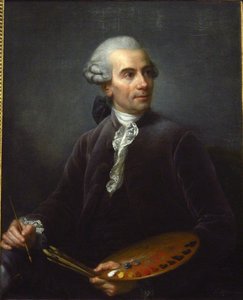
Клод Жозеф Верне
1714 - 1789 , Француска
Osnovne informacije
- Artistic Movement Or Style: Pejzaž, Pomorski slikarstvo
- Artists Or Movements Influenced By This Artist: ['Antoine Charles Horace Vernet']
- Artists Who Influenced This Artist:
- Claude Lorrain
- Bernardino Fergioni
- Date Of Birth: 14. avgust 1714.
- Date Of Death: 1789.
- Full Name: Claude-Joseph Vernet
- Nationality: Francuz
- Notable Artworks:
- Unutrašnjost luke Marseja
- Pogled na luku Napulja
- Place Of Birth (City And Country): Bordo, Francuska
Povezani članci

Claude Monet: 25 Remek-dela Impresionizma za Vaš Dom | ArtsDot
Uronite u svet Claudea Moneta sa 25 remek-dela impresionizma! Otkrijte priče iza poznatih slika, tehnike i inspiraciju. Reprodukcije vrhunskog kvaliteta za luksuzni dekor doma na ArtsDot.com.
Émile Jean Horace Vernet: Romantic Realism & Depicting 19th-Century Life
Explore the life & art of Émile Jean Horace Vernet, a master of Romantic Realism. Discover his captivating battle scenes, portraits, and Orientalist works – a window into 19th-century France. Learn about his techniques & enduring legacy.
Henri-Joseph Harpignies: Capturing the Poetic Essence of the French Landscape
Explore the serene landscapes of Henri-Joseph Harpignies, a master of the Barbizon School. Discover his atmospheric paintings, recurring themes & enduring legacy in 19th-century French art. Learn more at ArtsDot.
Robert W. Salmon: Navigating the Currents of Maritime Painting & American Realism
Explore the captivating maritime paintings of Robert W. Salmon, a pioneer of American Luminism. Discover his Boston Harbor scenes, legacy, and collecting guide at ArtsDot.
Boats on Canvas: 10 Masterpieces of Maritime Art for Your Home Decor
Sail away with 10 iconic boat paintings! Explore masterpieces by Monet, Van Gogh & Turner. Discover the stories behind these timeless seascapes and find museum-quality art reproductions for your home decor at ArtsDot.com.

