 Pregledaj u prostoru
 Pošalji
 Podeli
 Detalji o delu

 Преузми
 Slični predmeti
 Rendgenski snimak
 Slajdovi
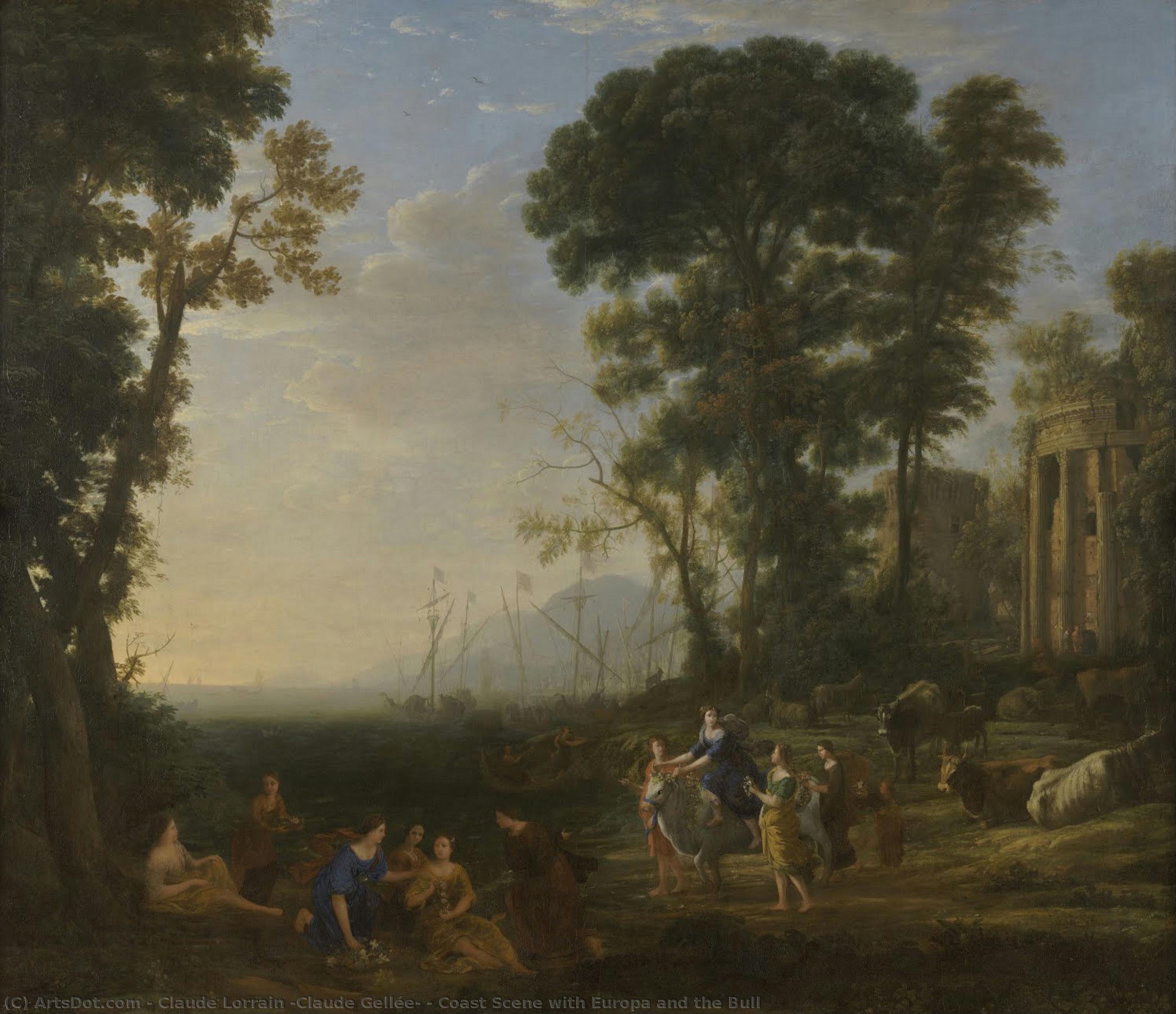
Coast Scene with Europa and the Bull
 Acrylic On Canvas
- WallArt
- Baroque Landscape
 1634
1634 170.0 x 199.0 cm
 Kimbell Art Museum
 Pročitaj više
Ručno rađena uljana reprodukcija
Ručno oslikano uljanim bojama na platnu u dimenzijama i okviru po vašem izboru, izrađeno po porudžbini od strane naših umetnika. ( Kupi print Kupi digitalnu sliku)




P118B $10

P118H $10

P118W $10

P438Z $10

P508JH $12

P508YH $12

P805H $10

P805Z $10

P919BZ $10

P919G $10

P919XJ $10

P959ZH $10

P968JZ $12

W106C $8

W218G $10

W218JH $8

W218Y $10

W307PJ $10

W316G $10

W316PJ $8

W316Y $10

W398PJ $8

W4111J $10

W500HY $15

W500JH $15

W692G $12

W849H $8

W940BG $15

W953PJ $8




Izaberite jednu od naših unapred definisanih veličina koje odgovaraju originalnim proporcijama umetničkog dela.

Можете унети сопствене димензије како бисте прилагодили дело одређеном оквиру или простору. Ако одабрана величина не одговара пропорцијама оригинала, слика ће бити исечена или проширена додатним елементима који се ручно насликавају. Дигитални prikaz ће вам бити послат на одобрење пре почетка производње.
Имајте на уму да преглед на екрану не одражава стварно исецање или проширење. Само приказ (mockup) ће тачно приказати коначну композицију.
Иако су доступне прилагођене величине, препоручујемо да одаберете димензију из дефинисане листе како бисте сачували оригиналне пропорције.
Nakon narudžbine, tim ArtsDot.com će klijentu putem e-pošte poslati uputstva i dostaviti prikaz predloženog rešenja
Isporuka širom sveta () za 3/4 nedelje umesto uobičajenih 5 nedelja. (27 август). Bez kompromisa po pitanju kvaliteta.

Besplatna ekspresna dostava širom sveta

Visokokvalitetno laneno platno

Kompletno osiguranje transporta

Garancija povraćaja carine i uvoznih dažbina

Garancija vernosti boja

Politika povrata u roku od 60 dana (samo u slučaju nedostataka)

Garancija povrata novca od 100%

Popust pri grupnoj kupovini
 Opcija sa staklom dostupna je samo za dimenzije manje od 110 cm

Coast Scene with Europa and the Bull
Tehnika reprodukcije
Dimenzije reprodukcije
-


Konačna cena
$ 263
Claude Lorrain’s “Coast Scene with Europa and the Bull”: A Symphony of Light and Myth
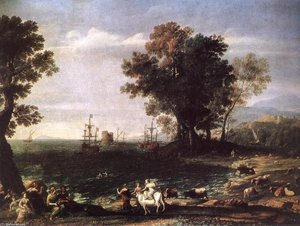
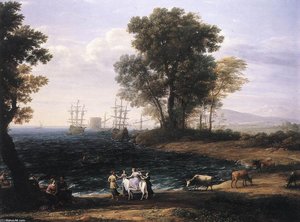
Claude Lorrain's "Coast Scene with Europa and the Bull," painted around 1634, isn’t merely a landscape; it’s an immersive experience—a carefully constructed tableau where classical mythology intertwines with the serene beauty of the Italian countryside. This masterpiece, now residing in the Kimbell Art Museum in Fort Worth, exemplifies Lorrain's mastery of atmospheric perspective and his ability to elevate the humble genre of landscape painting into a realm of poetic grandeur. The scene unfolds along a gently curving coastline, dominated by a shimmering expanse of turquoise water and framed by rolling hills bathed in the golden light of late afternoon. A dramatic, snow-white bull, rendered with an almost ethereal quality, emerges from the waves, carrying the terrified Princess Europa upon his back – a direct reference to Ovid’s *Metamorphoses*, where Zeus assumes this form to abduct her and bring her to Crete. Yet, it's not simply a retelling of a myth; Lorrain transforms the narrative into an exploration of beauty, power, and the sublime.A Masterclass in Atmospheric Perspective and Light
Lorrain’s genius lies not just in his subject matter but in his technical execution. He meticulously employed techniques honed during his extensive studies of Roman ruins and the landscapes surrounding Rome. The painting is a testament to his understanding of *chiaroscuro* – the dramatic interplay of light and shadow – which he masterfully utilizes to create depth and volume. Distant hills are rendered in hazy blues and purples, gradually softening as they recede into the background, while the foreground elements—the rocks, the bull, and Europa—are sharply defined with vibrant colors and meticulous detail. The light itself seems to emanate from an unseen source, bathing the scene in a warm, diffused glow that evokes a sense of tranquility and timelessness. Lorrain’s use of color is particularly noteworthy; he avoids harsh contrasts, opting instead for subtle gradations and harmonious blends that create a visually stunning and emotionally resonant effect.Symbolism and Classical Allusion
Beyond the immediate depiction of Europa's abduction, the painting is rich in symbolic meaning. The bull itself represents power, both divine and primal – a direct allusion to Zeus’s godlike authority. Europa, on the other hand, embodies innocence and beauty, her terror juxtaposed against the majestic strength of the animal. The inclusion of ruins—a classical temple subtly integrated into the landscape—serves as a reminder of the enduring legacy of antiquity and the connection between nature and human civilization. Lorrain frequently employed such elements in his work, elevating the pastoral to a realm of historical significance. The composition also echoes earlier works by Flemish masters like Paul and Matthew Bril, who similarly depicted idyllic landscapes with figures placed strategically within the scene—a deliberate nod to established artistic conventions.Evoking Emotion: Beauty, Terror, and the Sublime
“Coast Scene with Europa and the Bull” is more than just a visually pleasing composition; it’s designed to evoke a profound emotional response. The juxtaposition of beauty and terror—the serene landscape contrasted with Europa's fear—creates a sense of unease and wonder. The painting captures the essence of the sublime, that feeling of awe and astonishment experienced when confronted with something vast and overwhelming – in this case, the power of nature and the mysteries of mythology. Lorrain’s skillful manipulation of light and color contributes significantly to this emotional impact, drawing the viewer into the scene and inviting them to contemplate the timeless themes of love, loss, and the eternal struggle between order and chaos. It's a painting that lingers in the memory long after it has been viewed, prompting reflection on its complex layers of meaning and artistic brilliance.A Legacy of Pastoral Idealism
Claude Lorrain’s “Coast Scene with Europa and the Bull” stands as a pivotal work in the history of landscape painting. It solidified his reputation as the foremost landscapist of his time, influencing generations of artists who followed. His ability to seamlessly blend classical mythology with idealized landscapes established a new standard for genre painting, elevating it from mere decoration to a vehicle for profound artistic expression. Today, this remarkable artwork continues to captivate audiences with its breathtaking beauty, intricate detail, and enduring symbolic power—a testament to the genius of Claude Lorrain and his mastery of light, color, and composition.Srodna umetnička dela

Biografija umetnika
Klod Loran (Klod Žele): Život u svetlosti i pejzažu
Rani život i obuka
Rođen oko 1600. godine u Šamagnu, malom selu u Dukovstvu Lorejn (današnja Francuska), Klod Loran – prvobitno Klod Žele – ostaje jedan od najslavljenijih slikara pejzaža baroknog perioda. Njegov rani život prekriven je velom misterije, uz protivrečne zapise o njegovom učeničkom dobu. Jedan izvor, koji je ostavio Joakim fon Sandrat, sugeriše skroman početak kao šegrta kod poslastičara pre nego što je pronašao posao među umetnicima u Rimu. Drugi, prema Filipu Baldinučiju, detaljnije opisuje raniju obuku u Napulju kod Goffreda Valsa, a kasnije u Rimu pod mentorstvom Agostina Tasija.
Uspon ka slavi
Do 19. decenija, Klod Loran se čvrsto utemeljio kao vodeći pejzažista u Italiji. Njegova dela su brzo stekla priznanje zbog svojih atmosferskih kvaliteta i dostižu visoke cene. Vešto je spajao italijanske pejzaže sa klasičnim i biblijskim temama, stvarajući scene koje su bile istovremeno vizuelno zadivljujuće i intelektualno angažovane.
Umetnički stil i ključne karakteristike
- Svetlost koja prožima platno: Definišuća odlika Loranovog rada je majstorstvo u prikazivanju svetlosti. Bio je među prvim umetnicima koji su dosledno portretisali sunčevu svetlost kako se probija kroz pejzaže, stvarajući osećaj atmosfere i realizma koji ranije nije viđen.
- Klasični uticaji: Njegove kompozicije često crpe inspiraciju iz antičkog doba, uključujući rimske ruševine, mitološke figure i arhitektonske elemente.
- Idealizovani pejzaži: Loran nije težio strogoj topografskoj tačnosti; umesto toga, stvarao je idealizovane pejzaže koji su evocirali osećaj harmonije i spokojstva.
- Detaljni crteži: Bio je veoma plodovit crtač, kreirajući brojne skice i studije tušem, akvarelom i kredom – od kojih su mnogi sačuvani u njegovom Liber Veritatis.
Uticaji i razvoj
Rani uticaji na Kloda uključivali su tradicije pejzaža Severne Evrope, posebno dela flamanskih slikara. Takođe je proučavao dela italijanskih majstora renesanse, poput Tizijana i Rafaela. Vremenom, njegov stil je evoluirao od tamnijih, dramatičnijih kompozicija ka svetlijim, prozračnijim scenama koje karakteriše zlatni sjaj.
Značajna dela
- Pejzaž sa seljacima koji se vraćaju sa svojim stadima
- Pomorska luka sa polaskom kraljice od Šebe
- Izlazak sunca
- Pastoralni pejzaž: Rimski kampanja
- Iskrcavanje Kleopatre u Tarzu
Istorijski značaj i nasleđe
Uticaj Kloda Lorana na slikarstvo pejzaža je neizmeriv. On je uzdigao ovaj žanr na nivo prestiža koji je ranije bio rezervisan isključivo za istorijske i religiozne teme. Njegova dela su uticala na generacije umetnika, uključujući J.M.W. Turnera i impresioniste koji su nastojali da uhvate prolazne efekte svetlosti i atmosfere. Danas su njegove slike izuzetno cenjene i mogu se pronaći u vodećim svetskim muzejima, posebno u Nacionalnoj galeriji u Londonu i Umjetničkoj galeriji Južne Australije.
Kasni život i smrt
Klod Loran je preminuo 23. novembra 1682. godine u Rimu. Njegov nadgrobni spomenik u crkvi San Luđi dei Francesi nosi jednostavan natpis: „Claude / peintre de / rome / mort / le 23 novembre 1682“. Za sobom je ostavio nasleđe jednog od najvažnijih i najuticajnijih slikara pejzaža u istoriji zapadne umetnosti.
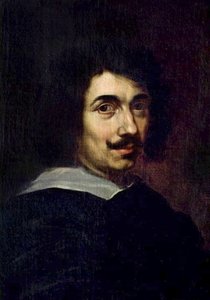
Klod Loran
1600 - 1682 , Francuska
Povezani članci
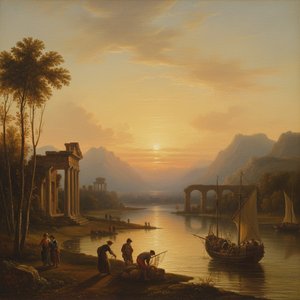
Claude Lorrain: Master of Light & Landscape in the Golden Age
Explore the luminous landscapes of Claude Lorrain, a Baroque master renowned for his masterful use of light & atmosphere. Discover his life, techniques, key works & enduring influence on art history.
Claude Monet: 25 Remek-dela Impresionizma za Vaš Dom | ArtsDot
Uronite u svet Claudea Moneta sa 25 remek-dela impresionizma! Otkrijte priče iza poznatih slika, tehnike i inspiraciju. Reprodukcije vrhunskog kvaliteta za luksuzni dekor doma na ArtsDot.com.

25 Remek-dela Džona Konstebla: Lepota Engleske na Platnu | ArtsDot
Uronite u svet Džona Konstebla! Otkrijte 25 remek-dela engleskog pejzaža, romantizma i seoske idile. Kupite reprodukcije slika vrhunskog kvaliteta za dekoraciju enterijera na ArtsDot.com.

Evocations of Place: A Historical Journey Through Landscape Art
Explore the rich history of landscape art with ArtsDot. Discover renowned artists, movements like Impressionism & Romanticism, and expert guidance for collecting timeless pieces. Find your perfect serene escape today!

Glavna dela koja su definisala Romantični pejzaž: 10 remek-dela za vaš dom
Otkrijte 10 remek-dela romantičnog pejzažnog slikarstva! Uronite u svet Claude Lorraina, Caspara David Friedricha i Turnera. Ispričane priče umetnosti, inspiracija za dekoraciju doma. Kvalitetne reprodukcije na ArtsDot.com – istražite celu kolekciju online!