

 Pregledaj u prostoru
 Pošalji
 Podeli
 Detalji o delu

 Преузми
 Slični predmeti
 Rendgenski snimak
 Slajdovi
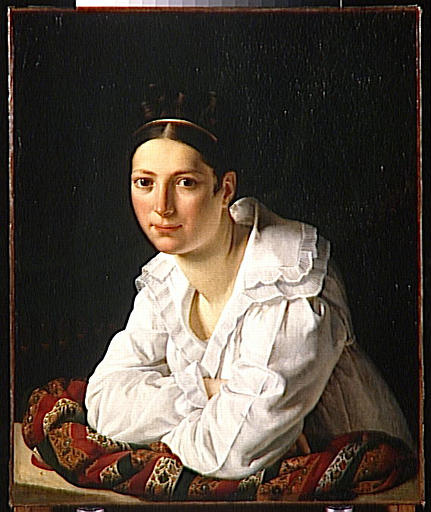
PORTRAIT DE MADAME CLAUDE MARIE DUBUFE, NEE EDMEE FRANCOISE DUMENILLET


 Pročitaj više
Kupite digitalnu sliku visoke rezolucije i poboljšanog kvaliteta, koja je znatno superiornija od onoga što vidite u online prikazu.
Svaka datoteka je pedantno pripremljena od strane naših stručnjaka koristeći napredne alate i profesionalnu ručnu retušu. Osiguravamo da svaka slika ima izuzetnu oštrinu, preciznu reprodukciju boja i fine detalje.
Konačna datoteka se dostavlja putem e-pošte u roku od 72 sata, optimizovana za neposrednu upotrebu u profesionalnim, izdavačkim i štamparskim okruženjima. To je isti kvalitet kojem veruju vrhunski studiji dizajna, izdavači i galerije.
Digitalna slika
Preuzmite datoteku visoke rezolucije za ličnu upotrebu, štampanje i kreativne projekte. ( Kupi print Kupi ručno naslikanu sliku)
Uključeno uz svaku porudžbinu digitalne slike
Profesionalna digitalna isporuka, zagarantovana
Kada odaberete ArtsDot.com, ne dobijate samo sliku – vi primate profesionalno unapređeno digitalno umetničko delo, izrađeno sa najvećom preciznošću i uz garanciju zadovoljstva. Evo svega što automatski dolazi uz vašu porudžbinu:

Brza dostava putem e-pošte
Vaša digitalna slika visoke rezolucije biće vam poslata putem e-pošte u roku od 72 sata od poručivanja – spremna za trenutnu upotrebu.

Digitalna datoteka unapređena veštačkom inteligencijom
Vaše umetničko delo je profesionalno optimizovano korišćenjem naprednih AI alata i ručne obrade, čime se osiguravaju maksimalni detalji, oštrina i preciznost boja.

Besplatna ponovna isporuka doživotno
Slučajno ste obrisali ili izgubili svoju datoteku? Ne brinite – poslaćemo vam je ponovo u bilo kom trenutku, potpuno besplatno.

Bez troškova uvoza – zauvek
Uživajte u svojim umetničkim delima trenutno, bez carine, dažbina ili troškova dostave – digitalni download je uvek bez poreza.

Garancija vernosti boja
Uz pomoć profesionalnih alata i upravljanja bojama, osiguravamo da vaša digitalna slika što vernije odražava originalne boje.

Garancija zadovoljstva u roku od 60 dana
Ako niste zadovoljni svojom digitalnom slikom, revidirat ćemo je ili vratiti 100% novca u roku od 60 dana – bez ikakvih pitanja.

100% garancija povrata novca
Niste zadovoljni? Obezbedite pun povrat novca u roku od 60 dana od trenutka kada ste primili svoju digitalnu datoteku – bez suvišnih pitanja.

Popusti na velike porudžbine
Kupite 3 slike, uštedite 10% - Kupite 5 slika, uštedite 15% - Kupite 10+ slika, uštedite 20%. Odlično za kreativne projekte, galerije i agencije.
Opis kolekcionarskog dela
A Portrait of Refined Elegance: Claude-Marie Dubufe’s “Portrait de Madame Claude Marie Dubufe, née Edmée Françoise Dumenillet”
Within the hushed galleries of the Louvre, or perhaps more intimately reproduced as a stunning work of art, resides "Portrait de Madame Claude Marie Dubufe, née Edmée Françoise Dumenillet," a captivating testament to the artistic legacy of Jacques-Louis David and the burgeoning Romantic sensibilities of 19th-century France. Painted in 1818 by his devoted student, Claude-Marie Paul Dubufe – the last true heir to David’s classical school – this portrait transcends mere likeness; it embodies an era, a social standing, and a quiet dignity that continues to resonate with viewers today. The painting immediately draws the eye with its masterful use of stark contrast: a deep, enveloping black background serves as a dramatic stage for the luminous figure of Madame Dubufe, instantly establishing a sense of formality and importance.
Dubufe’s technique is characterized by a remarkable restraint, echoing David's own meticulous approach. The palette is deliberately muted – primarily creams, whites, and subtle flesh tones – creating an atmosphere of understated luxury. The artist skillfully employs layering and blending to achieve smooth transitions in tone, avoiding the harsh outlines that might have dominated earlier styles. Notice how the folds of her dress are rendered with delicate, almost imperceptible lines, suggesting a luxurious fabric without resorting to overly detailed depiction. The subtle hints of red, green, and gold within the cushion beneath her arms – a detail often overlooked – add a touch of opulence and hint at the wealth and status of the sitter.
The Echoes of Neoclassicism and the Dawn of Romanticism
To fully appreciate this portrait, it’s crucial to understand its historical context. Dubufe was deeply influenced by David's rigorous adherence to classical ideals – a reaction against the Rococo excesses that preceded him. However, unlike his mentor, Dubufe subtly infused his work with elements of Romanticism, particularly in the portrayal of emotion and psychological depth. Madame Dubufe’s gaze is direct, unwavering, and imbued with an almost palpable sense of self-assurance. It's not a coy or demure look; rather, it speaks to intelligence, composure, and perhaps even a hint of quiet strength. This deliberate engagement with the viewer establishes a powerful connection, inviting us into her world.
The composition itself is carefully considered. The portrait adheres to the traditional format for 19th-century aristocratic portraits – a bust-length view that emphasizes the subject’s face and upper body. Her crossed arms, a gesture of both elegance and reserve, contribute to this sense of dignified composure. The cushion beneath her hands isn't merely decorative; it subtly reinforces her social standing and adds a layer of visual interest. It is a small detail that speaks volumes about the era.
Symbolism and Emotional Resonance
Beyond its technical brilliance, “Portrait de Madame Claude Marie Dubufe” offers a glimpse into the values and aspirations of French society during this period. The portrait’s formality reflects the importance placed on social decorum and appearances. The muted colors and restrained style suggest an emphasis on inner qualities rather than outward displays of wealth or extravagance. Yet, there's also a subtle sense of melancholy in Madame Dubufe’s expression – perhaps a reflection of the constraints imposed upon women of her station.
Furthermore, considering that Dubufe was David’s last student, this portrait can be viewed as a final, poignant echo of a bygone artistic era. It represents a transition from the rigid ideals of Neoclassicism to the more emotive and individualistic style of Romanticism. The painting serves as a beautiful reminder of the enduring power of art to capture not only likeness but also the spirit and essence of its subject.
A Timeless Masterpiece – Perfect for Reproduction
Whether admired in person or reproduced on canvas, “Portrait de Madame Claude Marie Dubufe” remains a captivating work of art. Its elegant composition, masterful technique, and subtle emotional depth make it a timeless treasure. Reproductions offer an accessible way to bring this exquisite portrait into your home, allowing you to appreciate its beauty and historical significance for years to come.
Srodna umetnička dela

Biografija umetnika
The Last Echo of David’s Legacy
Claude-Marie Paul Dubufe (1790–1864) stands as a poignant figure in French art history—the final bastion of Jacques-Louis David's artistic lineage, marking the twilight years of Neoclassicism and ushering in a new era of Romanticism. Born in Paris amidst the burgeoning intellectual fervor of his time, Dubufe’s formative years were steeped in the ideals championed by David himself, whose monumental canvases had redefined artistic expression with their austere grandeur and moral seriousness. This early influence profoundly shaped Dubufe's stylistic trajectory, initially favoring classical subjects—mythological narratives and biblical scenes—reflecting a desire to honor tradition while simultaneously injecting subtle emotional nuance into his compositions.
Dubufe’s formal education commenced under David’s tutelage at the École Royale Supérieure des Baux-Arts, where he absorbed not only technical mastery but also a deep appreciation for artistic idealism. The emphasis on anatomical precision and dramatic storytelling—hallmarks of David's oeuvre—became indelible components of Dubufe’s artistic vocabulary. As his career progressed, however, the rigid boundaries of Neoclassicism began to soften under his brush. While firmly rooted in classical principles, Dubufe swiftly transitioned to genre painting and portraiture, capturing the vibrancy of Parisian life and portraying individuals with remarkable sensitivity.
A Transition from Grandeur to Intimacy
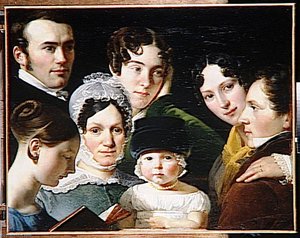
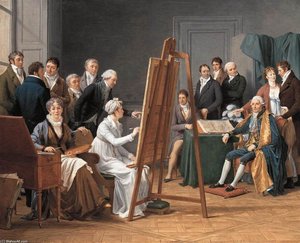
Unlike David’s monumental canvases focused on heroic narratives, Dubufe's subjects were often ordinary people—aristocrats, artists, musicians—presented with an intimacy that belied their social status. He possessed a unique ability to bridge the gap between the epic and the everyday, moving away from the cold, detached perfection of the classical era toward a more human-centric approach. This evolution is beautifully captured in his works that document the domestic elegance of the French upper class, such as his celebrated The Dubufe Family in 1820. In this masterpiece, one can observe how he utilizes neoclassical precision to render a scene of profound familial warmth and social grace.
His mastery extended deeply into the realm of portraiture, where he demonstrated an uncanny ability to convey both formal elegance and psychological depth. His meticulous attention to detail—particularly in capturing facial expressions and the textures of fine fabrics—allowed him to create portraits that felt alive with character. Notable examples include:
- Portrait de la comtesse de kergolay: A stunning neoclassical oil painting of a noblewoman, where rich detail and dramatic lighting highlight the historical weight of her station.
- Portraits of the Dubufe lineage: Including works featuring his son, Édouard Dubufe, which showcase a tender, personal side to his technical prowess.
- Social Portraits: Capturing figures such as Louise d’Orléans and Eleanor Jenkinson, blending the prestige of the subject with an intimate, observant gaze.
Historical Significance and Artistic Enduring Spirit
Dubufe’s artistic output spanned a prolific period, producing over 300 paintings that serve as a visual bridge between two transformative centuries. As the nineteenth century progressed, the rise of Romanticism challenged the very foundations of the school he represented. Yet, Dubufe remained a vital link to the past, preserving the technical rigor of the Davidian tradition while embracing the emotional fluidity required by a changing world. His work does not merely document the faces of his era; it captures the shifting soul of France itself.
Today, the legacy of Claude-Marie Paul Dubufe is found in the quiet strength of his compositions and the enduring elegance of his portraits. He remains an essential figure for any student of art history, representing that rare moment in time when the disciplined shadows of Neoclassicism met the bright, emotive light of a new age. Through his lens, we glimpse the refined textures of 19th-century society, rendered with a hand that was both classically trained and deeply human.
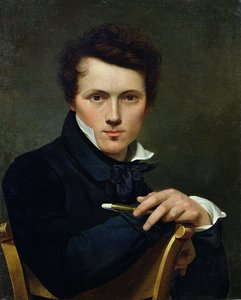
claude marie paul dubufe
1790 - 1864
Kratke činjenice
- Artistic Movement Or Style: David School
- Artists Or Movements Influenced By This Artist: ['Romanticism']
- Artists Who Influenced This Artist: ['Jacques-Louis David']
- Date Of Birth: 1790
- Date Of Death: 1864
- Full Name: Claude Marie Paul Dubufe
- Nationality: French
- Notable Artworks:
- Louise d’Orleans, Reine des Belges
- La lettre de Wagram
- Place Of Birth: Paris, France

