

 Pošalji
 Podeli
 Detalji o delu

 Преузми
 Slični predmeti
 Slajdovi
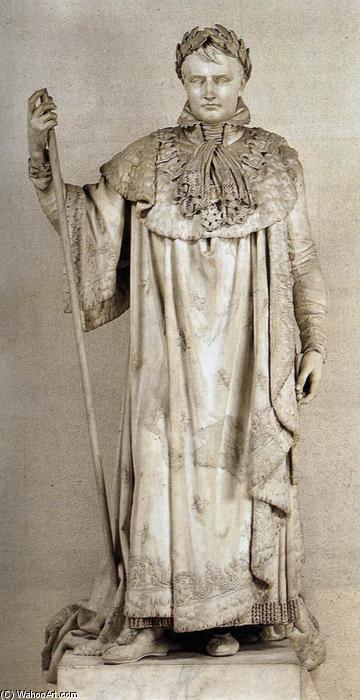
Napoleon I in his Coronation Costume


 Pročitaj više
Ručno rađena uljana reprodukcija
Ručno oslikano uljanim bojama na platnu u dimenzijama i okviru po vašem izboru, izrađeno po porudžbini od strane naših umetnika. ( Kupi print Kupi digitalnu sliku)




































Izaberite jednu od naših unapred definisanih veličina koje odgovaraju originalnim proporcijama umetničkog dela.

Можете унети сопствене димензије како бисте прилагодили дело одређеном оквиру или простору. Ако одабрана величина не одговара пропорцијама оригинала, слика ће бити исечена или проширена додатним елементима који се ручно насликавају. Дигитални prikaz ће вам бити послат на одобрење пре почетка производње.
Имајте на уму да преглед на екрану не одражава стварно исецање или проширење. Само приказ (mockup) ће тачно приказати коначну композицију.
Иако су доступне прилагођене величине, препоручујемо да одаберете димензију из дефинисане листе како бисте сачували оригиналне пропорције.
Nakon narudžbine, tim ArtsDot.com će klijentu putem e-pošte poslati uputstva i dostaviti prikaz predloženog rešenja
Isporuka širom sveta () za 3/4 nedelje umesto uobičajenih 5 nedelja. (7 септембар). Bez kompromisa po pitanju kvaliteta.

Besplatna ekspresna dostava širom sveta

Visokokvalitetno laneno platno

Kompletno osiguranje transporta

Garancija povraćaja carine i uvoznih dažbina

Garancija vernosti boja

Politika povraćaja u roku od 100 dana (isključivo u slučaju nedostataka)

Garancija povrata novca od 100%

Popust pri grupnoj kupovini
 Opcija sa staklom dostupna je samo za dimenzije manje od 110 cm

Napoleon I in his Coronation Costume
Tehnika reprodukcije
Dimenzije reprodukcije
-


Konačna cena
$ 263
A Regal Portrait of Imperial Power: Claude Ramey’s “Napoleon I in his Coronation Costume”
Standing before us is more than just a marble statue; it's a meticulously crafted embodiment of power, ceremony, and the enduring legacy of Napoleon Bonaparte. Created in 1813 by the esteemed French sculptor Claude Ramey, this remarkable piece captures the emperor not as a battlefield commander, but as a figure of profound majesty within the opulent setting of his coronation. The statue’s commanding presence immediately draws the eye, inviting contemplation on the political and artistic forces that shaped its creation during a pivotal moment in European history.
Ramey's skill lies not merely in replicating form, but in imbuing the marble with an almost palpable sense of weight and dignity. The statue’s composition is strikingly centered, emphasizing Napoleon’s imposing stature – his broad shoulders, firm stance, and the deliberate posture of a ruler surveying his domain. The detail is astonishing; from the intricate folds of the richly embroidered coronation robes to the laurel wreath encircling his head, every element speaks to the grandeur of the occasion. The lighting, though captured in a photograph, suggests a carefully orchestrated illumination designed to highlight the statue’s texture and form, creating subtle shadows that define the musculature and drapery with remarkable precision.
Neoclassical Grandeur: Style and Technique
“Napoleon I in his Coronation Costume” is a quintessential example of Neoclassicism, a style deeply rooted in the ideals of ancient Greece and Rome. Ramey masterfully employs classical principles of proportion, balance, and idealized form to depict Napoleon. The statue’s smooth surfaces, flowing drapery, and restrained emotion align perfectly with the movement's emphasis on order, reason, and civic virtue – qualities that Napoleon sought to associate himself with after his rise to power. The sculpting technique itself is a testament to Ramey’s mastery; he skillfully manipulates the marble to achieve an astonishing level of realism while maintaining a formal, almost sculptural quality. The use of polished marble creates a luminous effect, reflecting light and enhancing the statue's visual impact.
Symbolism Woven into Stone
Beyond its aesthetic qualities, the sculpture is rich in symbolic meaning. Napoleon’s coronation attire – the crimson robes, the golden embellishments, the laurel wreath – are all potent emblems of imperial authority. The staff he carries represents his power and dominion, while the laurel wreath signifies victory and honor. The statue's placement within a formal, ceremonial setting further reinforces this symbolism, transforming it into a visual statement about Napoleon’s ambition and his desire to establish himself as a legitimate heir to Roman emperors. It is a deliberate attempt to connect his reign with a glorious past, bolstering his claim to leadership.
A Window into the Napoleonic Era
This remarkable sculpture offers a valuable glimpse into the political and artistic climate of post-revolutionary France. Commissioned shortly after Napoleon’s coronation, it reflects the emperor's efforts to legitimize his rule and project an image of stability and grandeur. The statue served not only as a symbol of imperial power but also as a powerful propaganda tool, designed to inspire loyalty and awe among the French populace. Further research reveals that Ramey was a prominent figure in Parisian art circles during this period, and his work played a significant role in shaping the visual landscape of the Napoleonic era. The image’s sepia tone adds an element of historical distance, reminding us that we are viewing a moment frozen in time – a testament to the enduring power of art to capture and convey the spirit of its age.
Bringing History Home: Reproductions and Inspiration
Today, reproductions of “Napoleon I in his Coronation Costume” continue to captivate audiences worldwide. Whether adorning a grand salon or a private study, this iconic artwork evokes a sense of timeless elegance and imperial authority. Its powerful composition and rich symbolism make it an ideal choice for collectors seeking to add a touch of historical gravitas to their spaces. Consider the impact of Ramey’s masterful execution – the way he has captured not just Napoleon's likeness but also his very essence as a ruler, a visionary, and a figure who irrevocably shaped the course of European history.
Srodna umetnička dela
Povezani članci

Bronze Sculptures That Defined Art History | ArtsDot
Journey through art history with our Top 10 bronze sculptures! Explore masterpieces by Rodin, Michelangelo & more. Discover stories behind iconic statues and find museum-quality reproductions for your home decor at ArtsDot.com.

Bronze Age to Modern Masters: 10 Sculptures That Redefined Art | ArtsDot
Journey through art history with 10 legendary bronze sculptures – from Michelangelo's David to Rodin’s Thinker. Explore the stories, techniques & timeless beauty of these masterpieces. Find museum-quality reproductions & elevate your home decor on ArtsDot.com.

Claude Monet: 25 Remek-dela Impresionizma za Vaš Dom | ArtsDot
Uronite u svet Claudea Moneta sa 25 remek-dela impresionizma! Otkrijte priče iza poznatih slika, tehnike i inspiraciju. Reprodukcije vrhunskog kvaliteta za luksuzni dekor doma na ArtsDot.com.

The Enduring Form: Exploring Themes & Techniques in Sculpture Across Historical Periods
Explore the rich history of sculpture from ancient masterpieces to contemporary innovations. Discover key techniques, influential artists & investment potential for discerning art collectors.

The Enduring Form: Sculpture Across History, Technique & Emotional Resonance
Explore the rich history of sculpture with ArtsDot. Discover key techniques, influential artists & investment potential for discerning collectors. Expert insights into valuing and collecting timeless masterpieces.