

 Pregledaj u prostoru
 Pošalji
 Podeli
 Detalji o delu

 Преузми
 Slični predmeti
 Rendgenski snimak
 Slajdovi
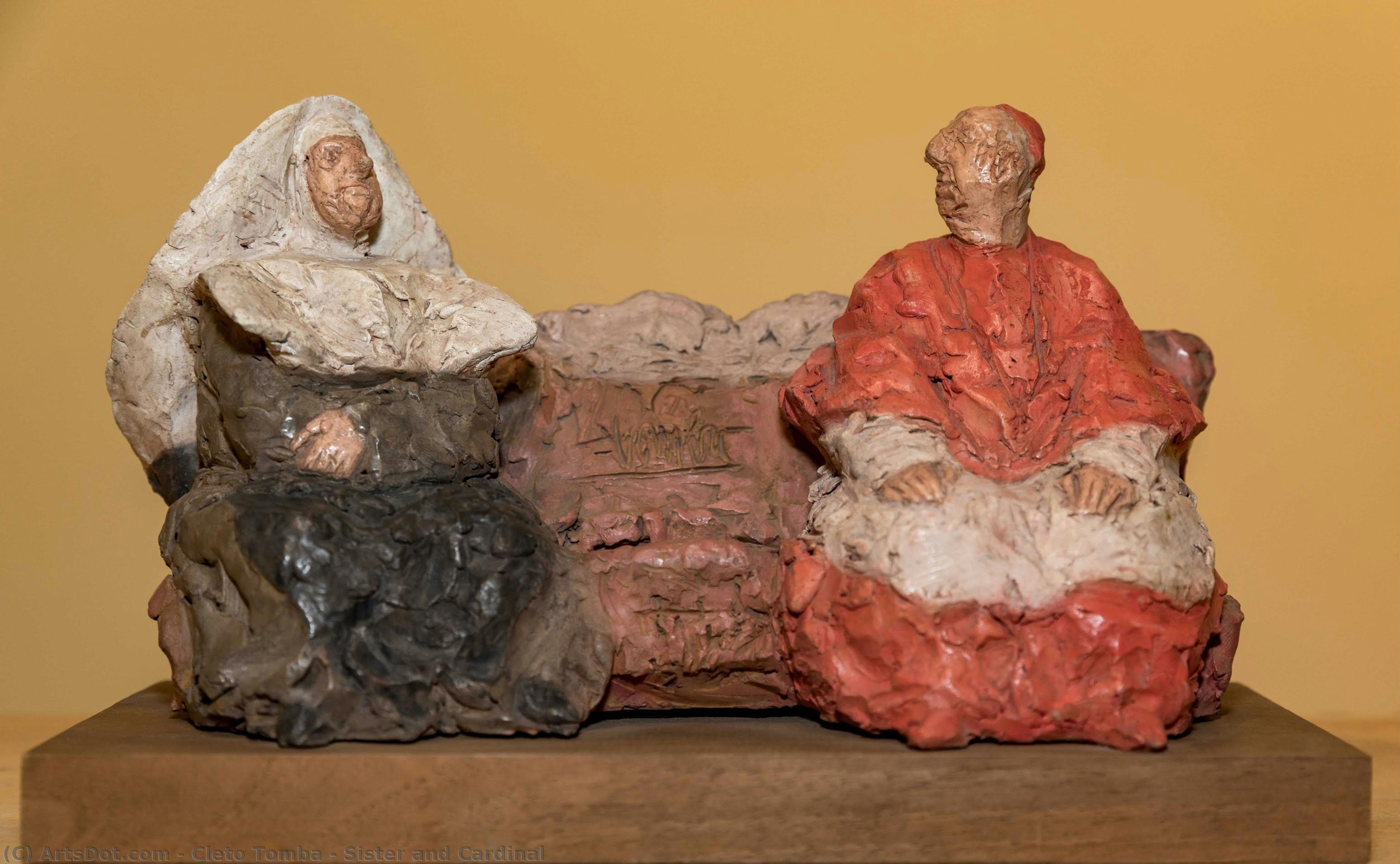
Sister and Cardinal
 5.0 x 11.0 cm
 Accademia di San Luca
 Pročitaj više
Kupite digitalnu sliku visoke rezolucije i poboljšanog kvaliteta, koja je znatno superiornija od onoga što vidite u online prikazu.
Svaka datoteka je pedantno pripremljena od strane naših stručnjaka koristeći napredne alate i profesionalnu ručnu retušu. Osiguravamo da svaka slika ima izuzetnu oštrinu, preciznu reprodukciju boja i fine detalje.
Konačna datoteka se dostavlja putem e-pošte u roku od 72 sata, optimizovana za neposrednu upotrebu u profesionalnim, izdavačkim i štamparskim okruženjima. To je isti kvalitet kojem veruju vrhunski studiji dizajna, izdavači i galerije.
Digitalna slika
Preuzmite datoteku visoke rezolucije za ličnu upotrebu, štampanje i kreativne projekte. ( Kupi print Kupi ručno naslikanu sliku)
Uključeno uz svaku porudžbinu digitalne slike
Profesionalna digitalna isporuka, zagarantovana
Kada odaberete ArtsDot.com, ne dobijate samo sliku – vi primate profesionalno unapređeno digitalno umetničko delo, izrađeno sa najvećom preciznošću i uz garanciju zadovoljstva. Evo svega što automatski dolazi uz vašu porudžbinu:

Brza dostava putem e-pošte
Vaša digitalna slika visoke rezolucije biće vam poslata putem e-pošte u roku od 72 sata od poručivanja – spremna za trenutnu upotrebu.

Digitalna datoteka unapređena veštačkom inteligencijom
Vaše umetničko delo je profesionalno optimizovano korišćenjem naprednih AI alata i ručne obrade, čime se osiguravaju maksimalni detalji, oštrina i preciznost boja.

Besplatna ponovna isporuka doživotno
Slučajno ste obrisali ili izgubili svoju datoteku? Ne brinite – poslaćemo vam je ponovo u bilo kom trenutku, potpuno besplatno.

Bez troškova uvoza – zauvek
Uživajte u svojim umetničkim delima trenutno, bez carine, dažbina ili troškova dostave – digitalni download je uvek bez poreza.

Garancija vernosti boja
Uz pomoć profesionalnih alata i upravljanja bojama, osiguravamo da vaša digitalna slika što vernije odražava originalne boje.

Garancija zadovoljstva od 100 dana
Ako niste zadovoljni svojom digitalnom slikom, izvršićemo reviziju ili ćemo vam vratiti 100% novca u roku od 100 dana – bez ikakvih pitanja.

100% garancija povrata novca
Niste zadovoljni? Dobijte puni povraćaj novca u roku od 100 dana od prijema digitalne datoteke – bez suvišnih pitanja.

Popusti na velike porudžbine
Kupite 3 slike, uštedite 10% - Kupite 5 slika, uštedite 15% - Kupite 10+ slika, uštedite 20%. Odlično za kreativne projekte, galerije i agencije.
Srodna umetnička dela




Biografija umetnika
Sarah Biffin: A Pioneer of Disability and Art in the Early Nineteenth Century
The story of Sarah Biffin (1784-1850) is a remarkable testament to resilience, ingenuity, and the enduring human spirit. Born without arms or legs in Somerset, England, her life unfolded against significant societal constraints, yet she defied expectations by becoming a celebrated miniaturist artist – a profession typically reserved for men of privilege. Her journey, marked by both hardship and opportunity, offers a poignant glimpse into the realities faced by disabled individuals during the early 19th century and reveals an extraordinary talent that blossomed despite overwhelming obstacles.
Biffin’s early life was humble, shaped by her parents' laboring existence. While details of her childhood remain sparse, it is clear she received a basic education, learning to write and sew – skills crucial for her future endeavors. Her unique physical condition led to her being exhibited at Bartholomew Fair in London, a popular spectacle where curiosities and unusual individuals drew crowds. Initially presented as a ‘wonder,’ Biffin’s performances provided a means of survival, but also highlighted the societal attitudes towards disability prevalent at the time – often characterized by fascination mixed with pity or exploitation.
A pivotal moment in her life occurred when she encountered George Douglas, Earl of Morton, who recognized her artistic potential. He became her patron and art instructor, providing her with formal training that significantly elevated her skills. This mentorship proved transformative, allowing Biffin to hone her talent and establish herself as a professional artist. She began taking commissions, producing miniature portraits for the British royal family and the wealthy elite – a surprising achievement considering her circumstances.
Biffin’s artistic style was characterized by delicate detail and an acute observation of her subjects. Her miniatures often featured elegant ladies in fashionable attire, capturing their likenesses with remarkable precision. While influenced by prevailing trends of the era, particularly the Regency style, she developed a distinctive approach marked by subtle shading and a refined sense of composition. Her self-portraits are particularly noteworthy, offering intimate glimpses into her personality and reflecting both her vulnerability and her quiet determination.
The Context of 1850: Art and Society
To understand Biffin’s story fully, it's essential to consider the broader artistic landscape of 1850. This period witnessed a surge in artistic innovation across Europe, fueled by the rise of Romanticism and burgeoning interest in realism. The Royal Academy Exhibition in London, a cornerstone of the art world, was a particularly significant event, showcasing both established masters and emerging talents. The exhibition of 1850, featuring works by artists like Alexandre Cabanel and John Everett Millais, exemplified the era’s fascination with historical subjects, mythology, and scenes from nature – themes that would later influence Biffin's own work.
However, the art world was largely dominated by men. Women faced significant barriers to entry, often relegated to roles as assistants or patrons rather than recognized artists in their own right. Biffin’s success, therefore, represents a remarkable exception – a testament to her talent and determination within a restrictive environment.
Furthermore, the Victorian era was deeply preoccupied with notions of disability and social propriety. Individuals with physical impairments were often viewed as objects of pity or curiosity, their lives subject to considerable scrutiny and judgment. Biffin’s public performances at fairs served not only as a means of income but also as a way to challenge these prevailing attitudes – albeit within the confines of her limited visibility.
Influences and Artistic Development
While Biffin's artistic development is difficult to trace precisely, several influences can be identified. Her early training under George Douglas exposed her to the techniques of portraiture prevalent at the time, including the use of miniature painting – a popular medium for capturing likenesses on small scales. Her self-portraits demonstrate an awareness of contemporary fashion and artistic trends, reflecting the elegance and refinement of the Regency era.
The influence of William Wordsworth’s *The Prelude* is also noteworthy. The poet's description of Bartholomew Fair – a chaotic spectacle filled with curiosities and wonders – provides valuable insight into the context in which Biffin performed and was viewed by the public. Wordsworth’s portrayal of the fair as a place of ‘perpetual flow / Of trivial objects... that have no law, no meaning, and no end’ captures the sensory overload experienced by visitors, including Biffin herself.
Moreover, her self-portraits reveal an evolving artistic style. Early works are characterized by a more literal representation of her physical condition, while later portraits demonstrate a greater emphasis on capturing her personality and conveying a sense of dignity and grace.
Legacy and Historical Significance
Sarah Biffin’s legacy extends far beyond her artistic achievements. Her story serves as an important reminder of the challenges faced by disabled individuals in the 19th century and the often-overlooked contributions made by those marginalized by society. Her success as a professional artist, despite her physical limitations, challenged prevailing stereotypes and demonstrated the power of human resilience.
Biffin’s work is now recognized for its historical significance and artistic merit. Her miniatures offer valuable insights into Victorian fashion, social customs, and the lives of the wealthy elite. Furthermore, her story has inspired artists and advocates to celebrate diversity and challenge societal barriers – ensuring that her remarkable life continues to be remembered and appreciated.
Her work is held in collections such as the Wellcome Collection and the National Gallery of Scotland, testament to its enduring value and artistic merit.
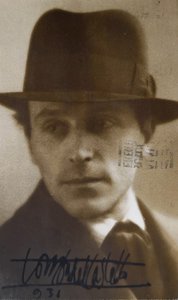
cleto tomba
1850 - 1941 , Italy
Kratke činjenice
- Artistic Movement Or Style: Miniaturist
- Artists Or Movements Influenced By This Artist: ['Pre-Raphaelite Brotherhood']
- Artists Who Influenced This Artist: ['Henry Wyatt']
- Date Of Birth: 1784
- Date Of Death: 1850
- Full Name: Sarah Biffin
- Nationality: British
- Notable Artworks:
- Lady Godiva
- Self-Portrait (1830)
- Self-Portrait (1850)
- Place Of Birth: East Quantoxhead, Somerset