

 Pregledaj u prostoru
 Pošalji
 Podeli
 Detalji o delu

 Преузми
 Slični predmeti
 Rendgenski snimak
 Slajdovi
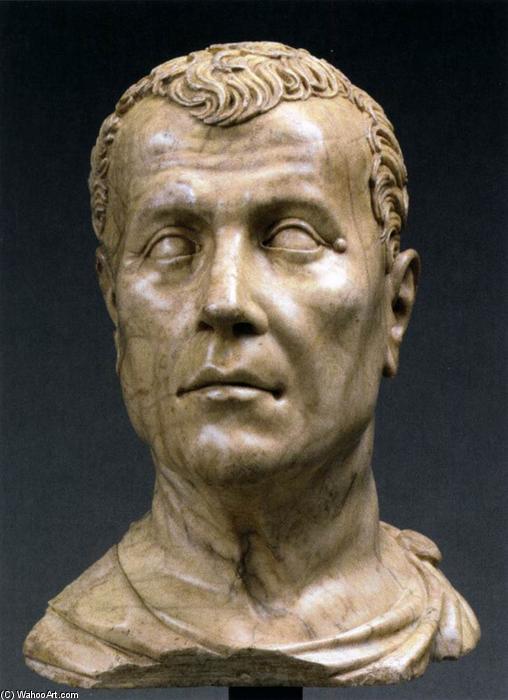
Head of a Man in the Antique Manner


 Pročitaj više
Giclee štampa / Umetnički otisak
Giclée štampa ili print na platnu muzejskog kvaliteta uz brzu proizvodnju i fleksibilne opcije završne obrade. ( Kupi ručno naslikanu sliku Kupi digitalnu sliku)




P118B $10

P118H $10

P118W $10

P438Z $10

P508JH $12

P508YH $12

P805H $10

P805Z $10

P919BZ $10

P919G $10

P919XJ $10

P959ZH $10

P968JZ $12

W106C $8

W218G $10

W218JH $8

W218Y $10

W307PJ $10

W316G $10

W316PJ $8

W316Y $10

W398PJ $8

W4111J $10

W500HY $15

W500JH $15

W692G $12

W849H $8

W940BG $15

W953PJ $8




Izaberite jednu od naših unapred definisanih veličina koje odgovaraju originalnim proporcijama umetničkog dela.

Možete uneti sopstvene dimenzije kako biste umetničko delo prilagodili specifičnom okviru ili prostoru. Ako odabrani format ne odgovara proporcijama originalne slike, mi ćemo ili iscrtati deo dela ili proširiti sliku pomoću ogledane ivice ili jednobojnog popunjavanja. Digitalni prikaz će vam biti poslat na odobrenje pre početka proizvodnje.
Imajte na umu da pregled na ekranu ne odražava stvarno iscrtavanje ili proširivanje. Samo će prikaz (mockup) precizno pokazati finalnu kompoziciju.
Iako su prilagođene dimenzije dostupne, preporučujemo da odaberete dimenziju sa unapred definisane liste kako biste očuvali originalne proporcije.
Dostava širom sveta () za 2 nedelje umesto uobičajenih 4/5 nedelja. (23 август)

Besplatna ekspresna dostava širom sveta

Visokokvalitetno laneno platno

Kompletno osiguranje transporta

Garancija povraćaja carine i uvoznih dažbina

Garancija vernosti boja

Politika povrata u roku od 60 dana (samo u slučaju nedostataka)

Garancija povrata novca od 100%

Popust pri grupnoj kupovini
 Opcija sa staklom dostupna je samo za dimenzije manje od 110 cm

Head of a Man in the Antique Manner
Giclee štampa / Umetnički otisak
Dimenzije reprodukcije
-


Konačna cena
$ 62
Opis predmeta
A Portrait of Contemplation: Conrad Meit’s “Head of a Man in the Antique Manner”
Conrad Meit's "Head of a Man in the Antique Manner," created around 1515, isn’t merely a sculpted bust; it’s a poignant meditation on time, mortality, and the enduring allure of antiquity. Executed in boxwood – a material prized for its durability and resonant tone – this piece transcends the limitations of its medium to evoke a profound sense of inner stillness. Meit, a master of German Renaissance sculpture, skillfully captures not just physical likeness but also an intangible quality of thoughtful introspection, drawing us into the gaze of this anonymous figure.
The work’s stylistic roots lie firmly within the burgeoning humanist movement of the early 16th century. Inspired by the rediscovery and fervent study of classical Greek and Roman sculpture, artists like Meit sought to emulate the idealized beauty and serene composure found in ancient works. Notice how the figure's posture – slightly reclined, head resting on one hand – mirrors the poses favored by sculptors of antiquity. The drapery, though simplified, hints at a flowing garment reminiscent of classical robes, further anchoring the piece within this historical context. The subtle modeling of the face, particularly around the eyes and mouth, conveys a quiet dignity and an almost melancholic awareness.
Technique and Material: A Dance of Light and Shadow
Meit’s technical prowess is evident in the meticulous detail with which he renders the boxwood. The artist employed a subtractive carving technique, carefully removing material to reveal the form beneath. This process allowed for an incredible level of control, enabling him to achieve smooth transitions between planes and create subtle gradations of light and shadow. The surface of the sculpture is polished to a warm, lustrous sheen, reflecting ambient light in a way that brings the figure to life. The choice of boxwood itself contributes significantly to the work’s aesthetic impact; its natural grain adds texture and depth, while its ability to hold detail ensures that every nuance of expression is faithfully reproduced.
- Subtractive Carving: Meit skillfully removed material to reveal the form.
- Polished Surface: Creates a warm, lustrous sheen.
- Boxwood’s Texture: Adds natural depth and detail.
Symbolism and Historical Resonance
The title itself – “Head of a Man in the Antique Manner” – is laden with symbolic weight. The reference to antiquity isn't simply an aesthetic choice; it represents a deliberate engagement with the past, a recognition of humanity’s shared history and enduring values. The anonymous nature of the subject further amplifies this symbolism, suggesting that the figure embodies universal qualities—wisdom, contemplation, perhaps even a touch of sadness—rather than representing any specific individual. The closed eyes invite us to project our own thoughts and emotions onto the sculpture, transforming it into a mirror reflecting our own inner lives.
Considering the date of creation (1515), this piece was produced during a period of intense intellectual and artistic ferment in Europe. The rise of humanism encouraged a renewed interest in classical learning and culture, leading to a fascination with ancient Greece and Rome. Meit’s sculpture reflects this cultural shift, embodying the humanist ideal of striving for excellence in all areas of life—intellectual, artistic, and moral.
Emotional Impact and Artistic Legacy
"Head of a Man in the Antique Manner" possesses an enduring emotional resonance that transcends its historical context. The figure’s serene expression and contemplative posture evoke a sense of quiet dignity and profound introspection. It's a work that invites prolonged viewing, encouraging us to pause and reflect on our own place within the vast sweep of time. Meit’s ability to capture such a complex range of emotions in a relatively small sculpture is a testament to his artistic skill and sensitivity.
Reproductions of this piece offer a remarkable opportunity to bring this timeless work of art into any setting. The rich detail and warm tones of the original are faithfully reproduced, allowing viewers to experience the same sense of contemplation and wonder that inspired Meit centuries ago. Whether displayed in a private collection or a public gallery, “Head of a Man in the Antique Manner” remains a powerful reminder of the enduring beauty and intellectual depth of the Renaissance.
Srodna umetnička dela


Biografija umetnika
Sandro Botticelli: The Poet of Florence
Alessandro di Mariano Filipepi, better known as Sandro Botticelli, remains one of the most beloved and instantly recognizable figures in the history of Western art. Born in Florence in 1445, he emerged from a family deeply rooted in the Florentine artisan world – his father was a tanner, a craft intimately connected to the city’s identity. While initially apprenticed to a goldsmith, Botticelli's true passion lay in painting, a path guided by the influential master Filippo Lippi, whose dynamic style and mastery of technique profoundly shaped the young artist’s development. This early exposure to Lippi’s approach—characterized by a vibrant palette, expressive figures, and a keen awareness of linear perspective—laid the foundation for Botticelli's distinctive artistic voice. Botticelli’s formative years were marked by a deliberate study of classical antiquity, a trend increasingly prevalent in Renaissance Florence. He meticulously examined sculptures from the Roman era, absorbing their idealized forms and graceful compositions. This fascination with the past would become a defining characteristic of his work, informing his choice of subjects and influencing his artistic style. His early works demonstrate a clear debt to the Gothic tradition, yet they quickly evolved into something uniquely his own—a synthesis of classical ideals and Renaissance innovation. The name Botticelli itself is derived from “Botticello,” a diminutive form of Giovanni Botticeli, his elder brother who operated as a pawnbroker.The Birth of Venus and Primavera: Defining the Florentine Renaissance
Botticelli’s artistic reputation soared with the creation of two monumental works that have become synonymous with the spirit of the Florentine Renaissance: *The Birth of Venus* (1486) and *Primavera* (c. 1477-1482). *The Birth of Venus*, depicting the goddess Venus emerging from a giant scallop shell, captivated audiences with its ethereal beauty and allegorical complexity. The painting’s delicate colors, flowing drapery, and graceful figures embody the Renaissance fascination with classical mythology and humanism. Similarly, *Primavera* is a complex tapestry of mythological figures—Venus, Flora, Zephyrus, Mercury, and Cupid—arranged within a lush, idealized landscape. The painting's intricate details, vibrant hues, and symbolic references to Neoplatonic philosophy reflect Botticelli’s engagement with contemporary intellectual currents. These works weren’t merely decorative; they were carefully constructed narratives designed to evoke profound emotions and convey complex ideas.A Painter of Patrons and Portraits
Botticelli's career was inextricably linked to the patronage system that flourished in Renaissance Florence. He served several prominent families, including the Medici, the de’ Medici, and the Pitti, providing them with a continuous stream of commissions for religious paintings, allegorical scenes, and portraits. His portraiture, particularly his depictions of members of the Medici family, is notable for its psychological depth and subtle elegance. He captured not just physical likenesses but also conveyed a sense of character and personality—a remarkable achievement for the time. Botticelli’s ability to adapt his style to suit the tastes of his patrons demonstrates his versatility as an artist and his understanding of the social dynamics of Renaissance Florence.Later Years and Legacy
As Botticelli aged, his artistic style underwent a subtle transformation. His later works, such as *Adoration of the Magi* (1482), exhibit a greater emphasis on linear clarity and a more restrained palette compared to his earlier, more exuberant paintings. Some scholars believe that this shift reflects a growing disillusionment with the political turmoil and religious conflicts that plagued Florence during his later years. Despite these changes, Botticelli’s artistic legacy remains undiminished. His paintings continue to inspire awe and admiration for their beauty, grace, and profound symbolic meaning. He is remembered not only as one of the greatest painters of the Florentine Renaissance but also as a poet—a master of visual storytelling who captured the spirit of his age with unparalleled skill and sensitivity. Botticelli died in Florence in 1510 at the age of 65, leaving behind a body of work that continues to resonate with audiences centuries later. His influence on subsequent generations of artists is undeniable, cementing his place as a pivotal figure in the history of Western art.
conrad meit
1485 - 1551 , Germany
Osnovne informacije
- Artistic Movement Or Style: Early Renaissance, Renaissance
- Artists Or Movements Influenced By This Artist: ['Giorgio Vasari']
- Artists Who Influenced This Artist: ['Filippo Lippi']
- Date Of Birth: 1445, Florence Italy
- Date Of Death: May 17, 1510, Florence (aged 65)
- Full Name: Alessandro di Mariano Filipepi
- Nationality: Italian
- Notable Artworks:
- Birth of Venus
- Primavera
- Place Of Birth: Florence Italy
Povezani članci
The Enduring Allure of Marble in Art History: From Classical Sculpture to Modern Abstraction
Explore the captivating history of marble sculpture from ancient Greece to modern art. Discover renowned artists like Canova & Michelangelo, carving techniques, and investment insights at ArtsDot.

Bronze Sculptures That Defined Art History | ArtsDot
Journey through art history with our Top 10 bronze sculptures! Explore masterpieces by Rodin, Michelangelo & more. Discover stories behind iconic statues and find museum-quality reproductions for your home decor at ArtsDot.com.

The Enduring Form: Exploring Themes & Techniques in Sculpture Across Historical Periods
Explore the rich history of sculpture from ancient masterpieces to contemporary innovations. Discover key techniques, influential artists & investment potential for discerning art collectors.
The Enduring Form: Sculpture Across History, Technique & Emotional Resonance
Explore the rich history of sculpture with ArtsDot. Discover key techniques, influential artists & investment potential for discerning collectors. Expert insights into valuing and collecting timeless masterpieces.

Bronze Age to Modern Masters: 10 Sculptures That Redefined Art | ArtsDot
Journey through art history with 10 legendary bronze sculptures – from Michelangelo's David to Rodin’s Thinker. Explore the stories, techniques & timeless beauty of these masterpieces. Find museum-quality reproductions & elevate your home decor on ArtsDot.com.

