

 Pregledaj u prostoru
 Pošalji
 Podeli
 Detalji o delu

 Преузми
 Slični predmeti
 Rendgenski snimak
 Slajdovi
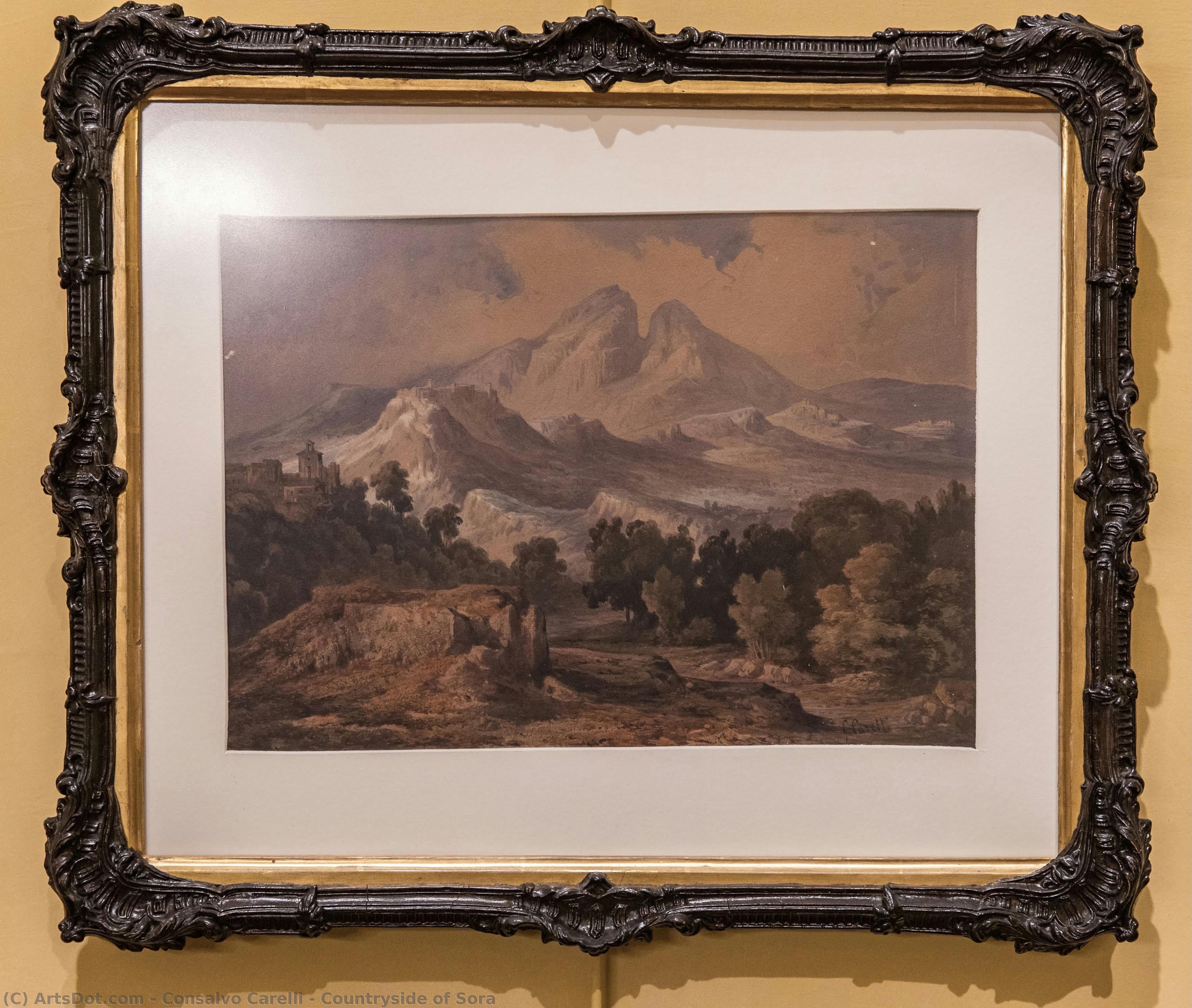
Countryside of Sora


 Pročitaj više
Ručno rađena uljana reprodukcija
Ručno oslikano uljanim bojama na platnu u dimenzijama i okviru po vašem izboru, izrađeno po porudžbini od strane naših umetnika. ( Kupi print Kupi digitalnu sliku)




P118B $10

P118H $10

P118W $10

P438Z $10

P508JH $12

P508YH $12

P805H $10

P805Z $10

P919BZ $10

P919G $10

P919XJ $10

P959ZH $10

P968JZ $12

W106C $8

W218G $10

W218JH $8

W218Y $10

W307PJ $10

W316G $10

W316PJ $8

W316Y $10

W398PJ $8

W4111J $10

W500HY $15

W500JH $15

W692G $12

W849H $8

W940BG $15

W953PJ $8




Izaberite jednu od naših unapred definisanih veličina koje odgovaraju originalnim proporcijama umetničkog dela.

Можете унети сопствене димензије како бисте прилагодили дело одређеном оквиру или простору. Ако одабрана величина не одговара пропорцијама оригинала, слика ће бити исечена или проширена додатним елементима који се ручно насликавају. Дигитални prikaz ће вам бити послат на одобрење пре почетка производње.
Имајте на уму да преглед на екрану не одражава стварно исецање или проширење. Само приказ (mockup) ће тачно приказати коначну композицију.
Иако су доступне прилагођене величине, препоручујемо да одаберете димензију из дефинисане листе како бисте сачували оригиналне пропорције.
Nakon narudžbine, tim ArtsDot.com će klijentu putem e-pošte poslati uputstva i dostaviti prikaz predloženog rešenja
Isporuka širom sveta () za 3/4 nedelje umesto uobičajenih 5 nedelja. (31 август). Bez kompromisa po pitanju kvaliteta.

Besplatna ekspresna dostava širom sveta

Visokokvalitetno laneno platno

Kompletno osiguranje transporta

Garancija povraćaja carine i uvoznih dažbina

Garancija vernosti boja

Politika povrata u roku od 60 dana (samo u slučaju nedostataka)

Garancija povrata novca od 100%

Popust pri grupnoj kupovini
 Opcija sa staklom dostupna je samo za dimenzije manje od 110 cm

Countryside of Sora
Tehnika reprodukcije
Dimenzije reprodukcije
-


Konačna cena
$ 263
A Window into the Serene Italian Landscape
In the delicate, translucent layers of Consalvo Carelli’s 1864 watercolor, "Countryside of Sora," we are invited to step into a world where time seems to slow to the rhythm of nature. This exquisite piece captures a breathtaking vista of the Italian countryside, characterized by the soft, undulating silhouettes of mountains that frame the horizon. The composition is anchored by a charming bridge near the center, acting as a metaphorical gateway between the viewer and the untamed beauty of the landscape. Scattered throughout this verdant setting, tiny figures move with a quiet purpose, their presence adding a sense of scale and life to the vastness of the scenery. It is a painting that does not merely depict a location, but rather evokes the very breath of the earth.
The technique employed by Carelli is a masterclass in the School of Posillipo tradition, where the primary objective was to capture the fleeting, ephemeral effects of light and atmosphere. Using watercolor, an incredibly demanding medium that requires both precision and spontaneity, Carelli achieves a luminous quality that makes the mountains appear to glow with a soft, morning mist. The way the pigment bleeds into the paper creates a sense of depth and humidity, allowing the viewer to feel the cool air of the mountainside. His brushwork is fluid yet controlled, blending the rugged textures of the rocky peaks with the soft, feathery edges of the surrounding foliage, creating a harmonious balance between strength and delicacy.
The Legacy of Neapolitan Light
To understand "Countryside of Sora," one must look to the historical heartbeat of Naples and the artistic lineage of the artist himself. Born into a family deeply embedded in the School of Posillipo, Consalvo Carelli inherited a profound sensitivity to the Southern Italian landscape. This movement was defined by a departure from rigid academicism in favor of a more romantic, observational approach to nature. In this work, we see the culmination of that heritage—a pursuit of truth through light. The painting serves as a historical document of a bygone era, capturing the quiet dignity of the Italian countryside before the rapid industrialization of the late 19th century.
For the discerning collector or interior designer, this reproduction offers more than just aesthetic beauty; it provides an emotional anchor for any space. The tranquil blue and green tones of the watercolor possess a restorative quality, making it an ideal centerpiece for a study, a library, or a sophisticated living area. It brings with it a sense of nostalgia and peace, inviting contemplation and a connection to the natural world. Owning a piece that embodies such masterful Neapolitan realism allows one to host a permanent fragment of Italian history within their home, offering a timeless elegance that transcends modern trends.
Srodna umetnička dela

Biografija umetnika
Consalvo Carelli: A Neapolitan Master of Light and Landscape
Consalvo Carelli (1818-1900) stands as a pivotal figure within the School of Posillipo, an artistic movement deeply rooted in the vibrant landscapes and cultural traditions of Naples. More than just a painter, he was a keen observer of his surroundings, capturing the essence of Southern Italy with a masterful blend of Romanticism and Neapolitan realism. His work offers a poignant glimpse into a bygone era, revealing not only breathtaking vistas but also the quiet dignity and everyday lives of its people.
Born in Naples on March 29th, 1818, Consalvo’s artistic lineage was intrinsically linked to the School of Posillipo. His father, Raffaele Carelli, a prominent member of this influential group, had migrated from Apulia and established a strong foundation for his son's future endeavors. This connection provided Consalvo with early exposure to the movement’s core tenets: an emphasis on capturing the fleeting effects of light, a deep appreciation for local color, and a commitment to portraying the beauty of the Italian countryside. He received formal training at the French Academy in Rome in 1837, a common path for aspiring artists seeking to hone their skills within the established artistic circles of Europe.
Carelli’s early career saw him traveling extensively throughout Italy and beyond. He spent three years in Paris (1841-1843), where he gained recognition as a landscape painter, absorbing influences from the Romantic tradition while simultaneously developing his own distinct style. Notably, he contributed illustrations to Alexandre Dumas' travel journal, showcasing his ability to capture both grand vistas and intimate details. His patronage extended across European aristocracy – French, English, and Russian – reflecting the growing demand for Italian landscapes amongst wealthy collectors eager to adorn their homes with pieces that evoked the romance of the Mediterranean.
The School of Posillipo: A Synthesis of Realism and Romanticism
The School of Posillipo, which flourished in Naples during the 19th century, represented a unique artistic synthesis. Rejecting the rigid formality of Neoclassicism, its artists sought to capture the immediacy of experience, prioritizing observation and emotional response over idealized representation. Key characteristics included a focus on atmospheric effects – particularly the interplay of light and shadow – a vibrant use of color, and an interest in portraying everyday life within the Italian landscape. Carelli’s work exemplifies these principles perfectly; his paintings are not merely depictions of scenery but rather imbued with a palpable sense of atmosphere and emotion.
Influenced by artists like Gaspar Montefeltro and Francesco La Tour, Carelli developed a distinctive technique characterized by loose brushwork, broken color, and a remarkable sensitivity to light. He was particularly adept at capturing the hazy, atmospheric conditions that frequently enveloped the Neapolitan countryside – a skill that contributed significantly to the dreamlike quality of many of his works. His compositions often feature dramatic diagonals and carefully orchestrated perspectives, drawing the viewer into the heart of the scene.
Notable Works and Themes
Carelli’s oeuvre is rich in diverse subjects, ranging from grand landscapes to intimate portraits. Among his most celebrated paintings are depictions of iconic Neapolitan landmarks such as the Ruins of Paestum (1864), a watercolor that masterfully captures the crumbling grandeur of ancient Roman ruins bathed in the golden light of the afternoon sun. His series of “Goat Herders in a Neapolitan Landscape” (circa 1850s) offers a poignant glimpse into rural life, portraying shepherds and their flocks against the backdrop of rolling hills and cypress trees. These works are characterized by their subtle color palette, evocative brushwork, and a deep understanding of human psychology.
Beyond landscapes, Carelli also produced numerous portraits, often depicting members of the European aristocracy who sought his services as a court painter. These portraits reveal a keen eye for detail and an ability to capture the personality and character of his subjects. His work demonstrates a remarkable versatility, showcasing his mastery across a range of genres.
Legacy and Recognition
Consalvo Carelli’s contribution to Italian art is significant, solidifying his place as a key figure within the School of Posillipo. His paintings continue to be exhibited in museums and private collections worldwide, attracting considerable attention for their beauty, emotional depth, and historical significance. In 2016, after being stolen from Italy in 2001, one of Carelli’s paintings – a depiction of the Ruins of Paestum – was returned to its homeland by the United States government, a testament to the enduring value of his work.
His legacy extends beyond individual artworks; he represents a crucial link between the artistic traditions of Italy and Europe. Through his evocative landscapes and portraits, Consalvo Carelli offers a timeless celebration of beauty, light, and the spirit of Southern Italy – a region that continues to captivate artists and viewers alike.
consalvo carelli
1818 - 1900
Osnovne informacije
- Artistic Movement Or Style: School of Posillipo
- Artists Or Movements Influenced By This Artist: ['Wilhelm Jakob Huber']
- Artists Who Influenced This Artist: ['Raffaele Carelli']
- Date Of Birth: March 29, 1818
- Date Of Death: December 2, 1900
- Full Name: Consalvo Carelli
- Nationality: Italian
- Notable Artworks:
- Ruins of Paestum
- Goat herders...
- Nisida from Naples
- Place Of Birth: Naples, Italy
Povezani članci

Watercolor Wonders: 10 Masterpieces That Redefined Art History | ArtsDot
Journey through 10 legendary watercolor masterpieces by Sargent, Turner & Homer! Explore iconic landscapes, portraits & floral art that redefined history. Find museum-quality reproductions and curated decor ideas at ArtsDot.com.

Ephemeral Visions: Exploring the Artistic Legacy & Contemporary Practice of Watercolor Painting
Explore the captivating world of watercolor painting! Discover its rich history, essential techniques, influential artists & collecting tips. A comprehensive guide for art enthusiasts from ArtsDot.

Ephemeral Visions: Exploring the History & Emotional Resonance of Watercolor Painting
Explore the captivating history of watercolor painting, from ancient techniques to modern masters like Kandinsky & Blake. Discover essential artists, collecting tips & the emotional power of this luminous medium. Expert insights for art enthusiasts.

Ephemeral Visions: Exploring the Artistic Legacy & Nuances of Watercolor Painting
Explore the captivating world of watercolor painting! Discover its rich history, essential techniques, influential artists & collecting tips from art experts. A comprehensive guide for enthusiasts.

Glavna dela koja su definisala Romantični pejzaž: 10 remek-dela za vaš dom
Otkrijte 10 remek-dela romantičnog pejzažnog slikarstva! Uronite u svet Claude Lorraina, Caspara David Friedricha i Turnera. Ispričane priče umetnosti, inspiracija za dekoraciju doma. Kvalitetne reprodukcije na ArtsDot.com – istražite celu kolekciju online!

