

 Pregledaj u prostoru
 Pošalji
 Podeli
 Detalji o delu

 Преузми
 Slični predmeti
 Rendgenski snimak
 Slajdovi
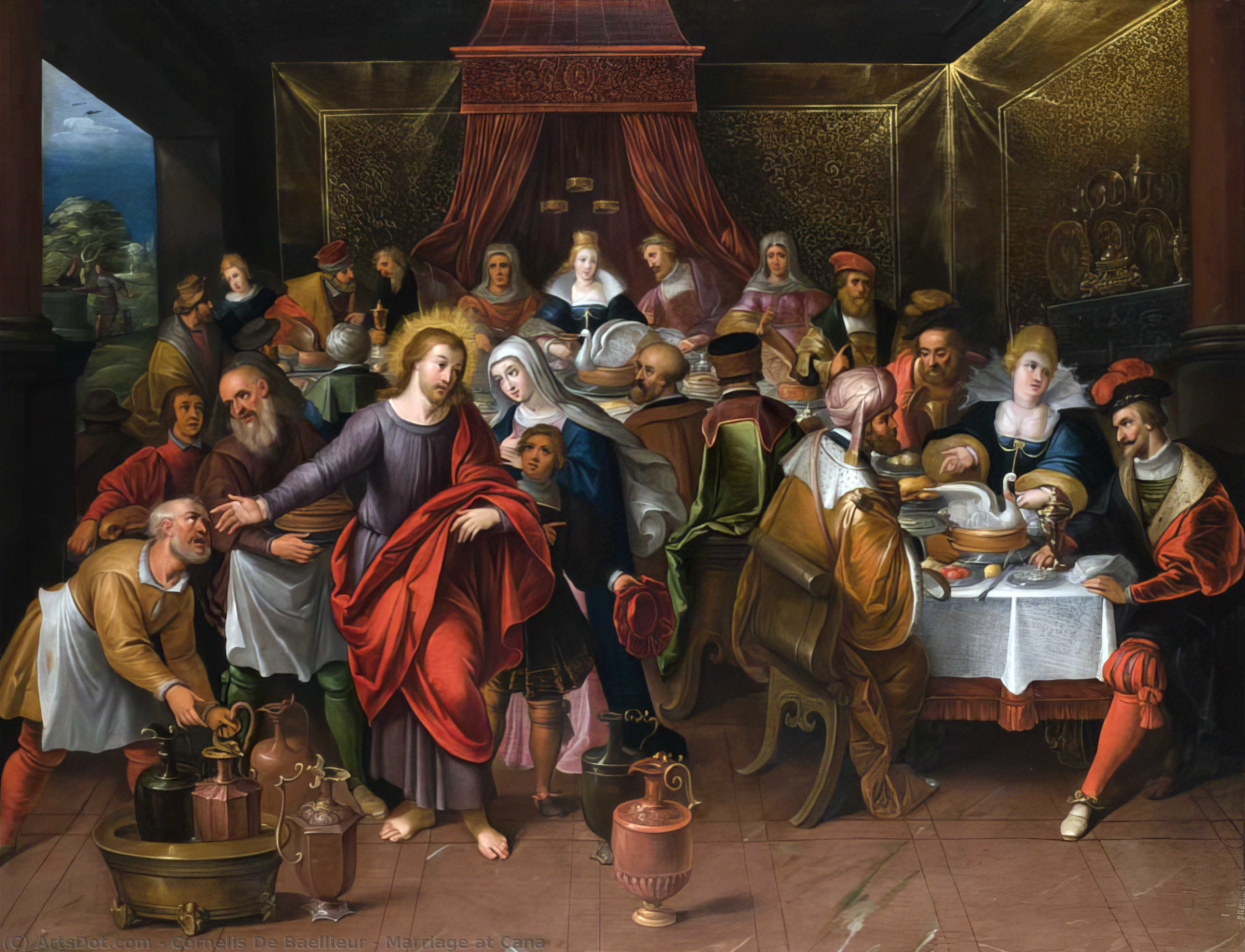
Marriage at Cana
 Pročitaj više
Ručno rađena uljana reprodukcija
Ručno oslikano uljanim bojama na platnu u dimenzijama i okviru po vašem izboru, izrađeno po porudžbini od strane naših umetnika. ( Kupi print Kupi digitalnu sliku)




































Izaberite jednu od naših unapred definisanih veličina koje odgovaraju originalnim proporcijama umetničkog dela.

Можете унети сопствене димензије како бисте прилагодили дело одређеном оквиру или простору. Ако одабрана величина не одговара пропорцијама оригинала, слика ће бити исечена или проширена додатним елементима који се ручно насликавају. Дигитални prikaz ће вам бити послат на одобрење пре почетка производње.
Имајте на уму да преглед на екрану не одражава стварно исецање или проширење. Само приказ (mockup) ће тачно приказати коначну композицију.
Иако су доступне прилагођене величине, препоручујемо да одаберете димензију из дефинисане листе како бисте сачували оригиналне пропорције.
Nakon narudžbine, tim ArtsDot.com će klijentu putem e-pošte poslati uputstva i dostaviti prikaz predloženog rešenja
Isporuka širom sveta () za 3/4 nedelje umesto uobičajenih 5 nedelja. (1 септембар). Bez kompromisa po pitanju kvaliteta.

Besplatna ekspresna dostava širom sveta

Visokokvalitetno laneno platno

Kompletno osiguranje transporta

Garancija povraćaja carine i uvoznih dažbina

Garancija vernosti boja

Politika povrata u roku od 60 dana (samo u slučaju nedostataka)

Garancija povrata novca od 100%

Popust pri grupnoj kupovini
 Opcija sa staklom dostupna je samo za dimenzije manje od 110 cm

Marriage at Cana
Tehnika reprodukcije
Dimenzije reprodukcije
-


Konačna cena
$ 263
Srodna umetnička dela
Biografija umetnika
The Master of the Antwerp Interior
To step into a canvas by Cornelis de Baellieur is to enter a world where the boundaries between reality and curated splendor dissolve. Born in the illustrious artistic hub of Antwerp in 1607, de Baellieur emerged during the golden age of the Flemish Baroque, a period defined by its dramatic light and unparalleled material richness. While history often reserves its most luminous spotlight for titans like Rubens or Brueghel, de Baellieur carved out a unique and vital niche. He was not merely a painter of scenes, but an architect of atmosphere, specializing in the intimate yet opulent environments of the 17th-century elite. His life, which spanned until 1671, was deeply rooted in the very soil of Antwerp, absorbing the city's pulse of commerce, culture, and connoisseurship.
His artistic journey began under the rigorous guidance of Antonis Liesaert, an apprenticeship that instilled in him a profound respect for foundational realism and compositional precision. This early training provided the technical scaffolding upon which he would later build his more complex, layered compositions. However, it was perhaps his time assisting Hans III Jordaens that truly expanded his horizons. In the collaborative workshops of Antwerp, de Baellieur learned the delicate dance of shared vision, observing how individual talents could coalesce to create grander, more intricate narratives. This experience with collaborative effort likely informed his later mastery of the "gallery painting," a genre that requires an artist to act as both painter and curator, managing a multitude of miniature subjects within a single, cohesive frame.
A Vision of Wealth and Wonder
De Baellieur’s oeuvre is most celebrated for its exquisite focus on genre scenes—specifically, the interiors of wealthy collectors' galleries. Unlike his contemporaries who sought to capture the epic scale of mythological battles or religious martyrdom, de Ba-ellieur found profound beauty in the quiet, intellectual pursuits of the upper class. His canvases serve as windows into the private sanctuaries of the era's most sophisticated patrons, spaces brimming with sculptures, tapestries, and precious objects. In works such as his Interior of a Collector's Gallery of Paintings and Objets d'Art, he does not simply depict a room; he orchestrates a symphony of textures and light.
The technical virtuosity on display in these works is nothing short of breathtaking. De Baellieur possessed an uncanny ability to manipulate oil paint to mimic the physical properties of the world around him. One can almost feel the cool, smooth surface of polished marble floors or the heavy, tactile weight of silk drapery cascading through a sunlit room. He utilized light as a narrative tool, employing a Baroque chiaroscuro effect where beams of sunlight seem to pierce through windows to illuminate specific treasures, casting deep, dramatic shadows that lend a sense of mystery and depth to the corners of the room. This interplay of light and shadow does more than create dimension; it directs the viewer's eye, guiding them through a labyrinth of cultural artifacts and inviting them to linger on the fine details of every gilt frame and porcelain figurine.
Legacy of the Flemish Baroque
The historical significance of Cornelis de Baellieur lies in his ability to capture the soul of an era. His paintings are vital historical documents that reflect the 17th-century obsession with connoisseurship and the accumulation of beauty as a symbol of social identity. Through his meticulous rendering of art within art, he celebrated the very concept of the collector, immortalizing the intellectual curiosity and economic power of the Antwerp merchant class. His work stands as a testament to a time when art was not merely an ornament but a central pillar of human civilization.
Though his name may not resonate with the same immediate thunder as the great masters of history painting, his contribution to the Flemish Baroque landscape is indispensable. He provided the intimate counterpoint to the grand narratives of his age, offering instead a more nuanced, detailed, and deeply human perspective on the pursuit of aesthetic perfection. Today, his works remain essential for understanding the social fabric of the Low Countries, reminding us that the true heart of culture often resides in the quiet, light-drenched corners of a private gallery.
Cornelis de Baellieur
1607 - 1671 , Belgium
Osnovne informacije
- Artistic Movement Or Style: Baroque Painting
- Artists Or Movements Influenced By This Artist: Jan Brueghel the Elder
- Artists Who Influenced This Artist: Anthony Liesaert
- Date Of Birth: 1607 Antwerp Belgium
- Date Of Death: 1671 Antwerp Belgium
- Full Name: Cornelis de Baellieur
- Nationality: Flemish
- Notable Artworks:
- Interior of a Collector’s Gallery
- Gallery of a Collector
- Place Of Birth: Antwerp Netherlands

