

 Pregledaj u prostoru
 Pošalji
 Podeli
 Detalji o delu

 Преузми
 Slični predmeti
 Rendgenski snimak
 Slajdovi
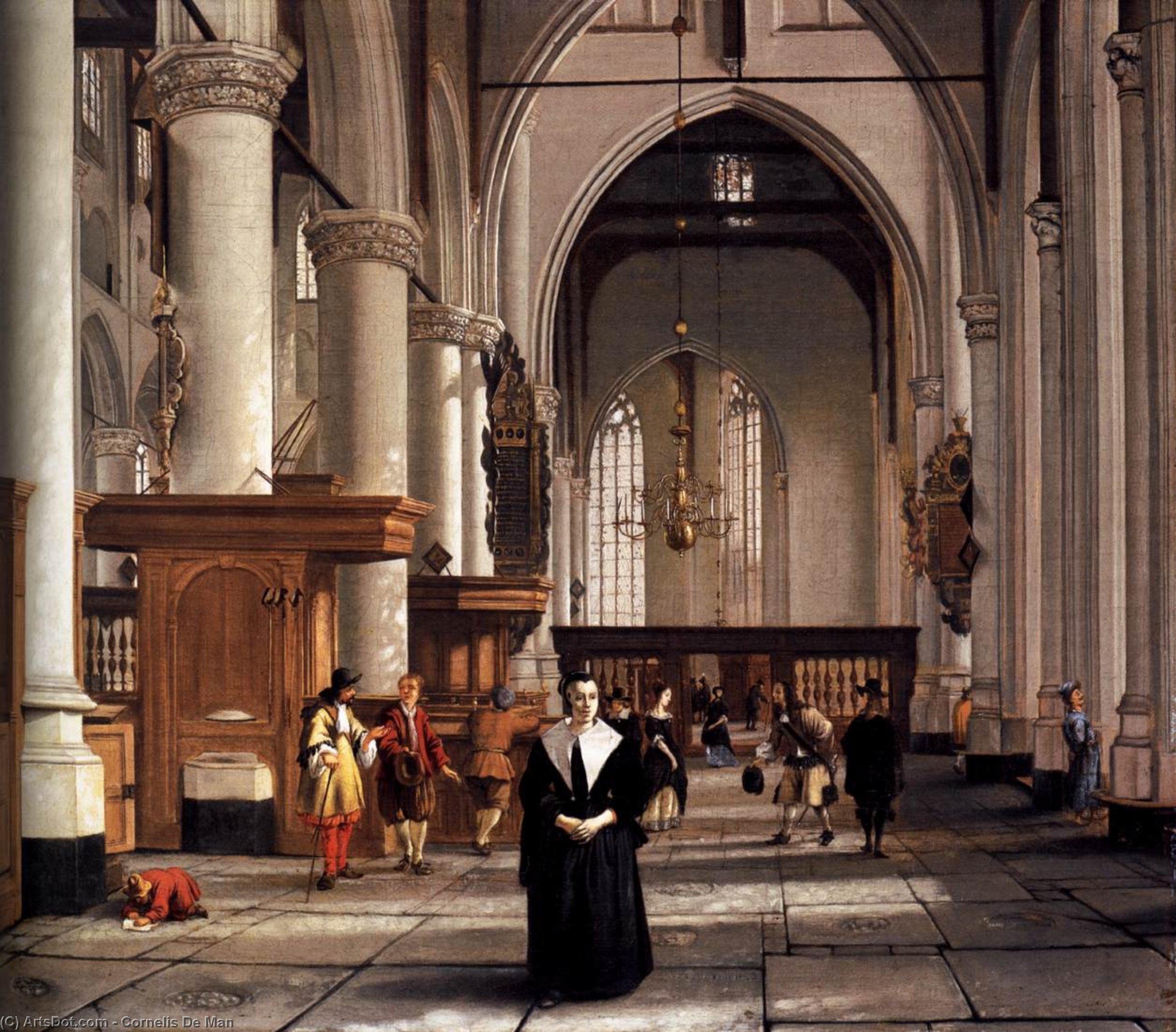
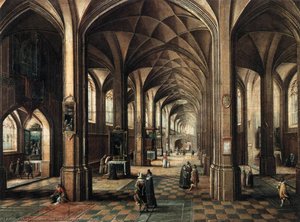
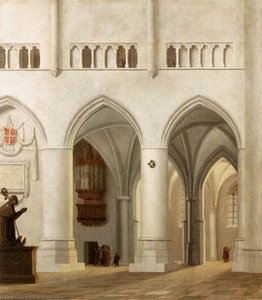
Interior of the Laurenskerk, Rotterdam
 Baroque
 1664
1664 40.0 x 47.0 cm
 Мауритшhuis
 Pročitaj više
Ručno rađena uljana reprodukcija
Ručno oslikano uljanim bojama na platnu u dimenzijama i okviru po vašem izboru, izrađeno po porudžbini od strane naših umetnika. ( Kupi print Kupi digitalnu sliku)




































Izaberite jednu od naših unapred definisanih veličina koje odgovaraju originalnim proporcijama umetničkog dela.

Можете унети сопствене димензије како бисте прилагодили дело одређеном оквиру или простору. Ако одабрана величина не одговара пропорцијама оригинала, слика ће бити исечена или проширена додатним елементима који се ручно насликавају. Дигитални prikaz ће вам бити послат на одобрење пре почетка производње.
Имајте на уму да преглед на екрану не одражава стварно исецање или проширење. Само приказ (mockup) ће тачно приказати коначну композицију.
Иако су доступне прилагођене величине, препоручујемо да одаберете димензију из дефинисане листе како бисте сачували оригиналне пропорције.
Nakon narudžbine, tim ArtsDot.com će klijentu putem e-pošte poslati uputstva i dostaviti prikaz predloženog rešenja
Isporuka širom sveta () za 3/4 nedelje umesto uobičajenih 5 nedelja. (26 август). Bez kompromisa po pitanju kvaliteta.

Besplatna ekspresna dostava širom sveta

Visokokvalitetno laneno platno

Kompletno osiguranje transporta

Garancija povraćaja carine i uvoznih dažbina

Garancija vernosti boja

Politika povrata u roku od 60 dana (samo u slučaju nedostataka)

Garancija povrata novca od 100%

Popust pri grupnoj kupovini
 Opcija sa staklom dostupna je samo za dimenzije manje od 110 cm

Interior of the Laurenskerk, Rotterdam
Tehnika reprodukcije
Dimenzije reprodukcije
-


Konačna cena
$ 413
Srodna umetnička dela

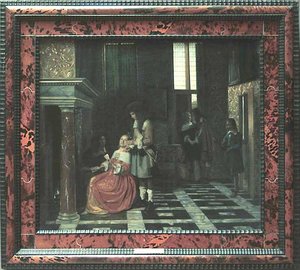
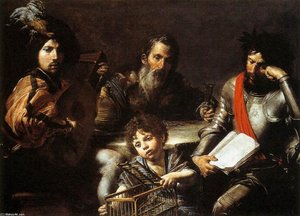
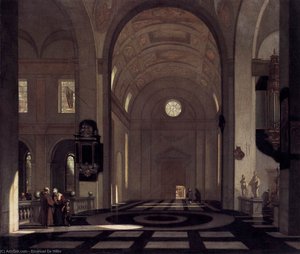
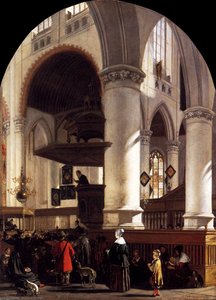
Biografija umetnika
The Legacy of Cornelis de Man: A Master of Northern Mannerism
In the vibrant tapestry of the Dutch Golden Age, few threads are as intricately woven as those left by Cornelis de Man. Born in the historic city of Haarlem around 1562, De Man emerged during a transformative era when the rigid structures of the late Renaissance were beginning to soften into the expressive fluidity of Northern Mannerism. As a pivotal figure of his time, he acted as a vital bridge between the classical ideals of the past and the burgeoning realism that would later define the works of masters like Frans Hals. His life and artistry represent a profound dialogue between the disciplined techniques of the Flemish tradition and a uniquely Dutch sensibility for capturing the soul within the subject.
The foundation of De Man’s extraordinary skill was laid through a rigorous and diverse apprenticeship. His early years in Haarlem were spent under the watchful eye of Pieter Pietersz, an artist whose mastery of landscape and portraiture provided De Man with a fundamental understanding of naturalism. However, it was his subsequent journey to Antwerp that truly expanded his artistic horizons. By studying under Gillis Coignet, De Man immersed himself in the sophisticated world of Flemish Mannerism. This period of intense training allowed him to absorb complex compositional structures and a refined approach to pigment handling, blending the architectural precision of the Southern Netherlands with the atmospheric depth characteristic of the Northern tradition.
Artistic Vision and Technical Mastery
To observe a work by Cornelis de Man is to witness a masterful manipulation of light, shadow, and texture. His style is defined by an exquisite balance between realism and mannerist elegance. While he drew inspiration from the idealized forms of the Italian Renaissance, De Man eschewed hollow perfection in favor of an unflinching honesty. He possessed a rare ability to capture the subtle nuances of human emotion—the slight furrow of a brow, the quiet intensity of a gaze, or the delicate tension in a hand—thereby imbuing his portraits and genre scenes with a profound psychological depth.
His technical repertoire was remarkably versatile, allowing him to navigate various thematic territories with ease:
- Portraiture: His ability to render the dignity and character of his sitters made him a sought-after painter for the burgeoning merchant class.
- Genre Scenes: De Man excelled in depicting intimate domestic moments, where light filters through windows to illuminate the quiet beauty of everyday life.
- Biblical Narratives: He utilized complex iconography to breathe life into religious themes, such as his monumental work The Baptism of Christ, treating sacred subjects with a humanized, accessible grace.
Historical Significance and Enduring Influence
The historical importance of Cornelis de Man lies not only in the beauty of his individual canvases but in his role as a precursor to the great Dutch masters of the 17th century. He helped cultivate an artistic language that prioritized the observation of nature and the emotional resonance of the human condition. His work served as a vital link in the evolution of Northern European art, moving away from the stylized distortions of late Mannerism toward the luminous realism of the Baroque period.
Though time has occasionally obscured the names of many artists from this era, De Man’s contribution remains etched in the development of the Haarlem School. His dedication to meticulous detail and his ability to harmonize vibrant color palettes with dramatic chiaroscuro ensured that his legacy would endure. Today, as we reflect on the transition from the Renaissance to the Golden Age, Cornelis de Man stands as a testament to the enduring power of an artist who could capture both the grandeur of the divine and the intimate truth of the human spirit.
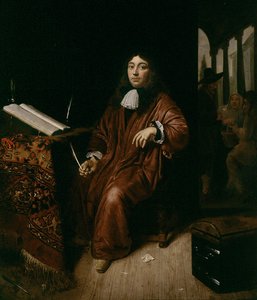
Cornelis de Man
1562 - 1638 , Netherlands
Osnovne informacije
- Artistic Movement Or Style: Northern Mannerism
- Artists Or Movements Influenced By This Artist: ['Frans Hals']
- Artists Who Influenced This Artist:
- Pieter Pietersz
- Gillis Coignet
- Date Of Birth: 1562
- Full Name: Cornelis de Man
- Nationality: Dutch
- Notable Artworks:
- Baptism of Christ
- Massacre of the Innocents
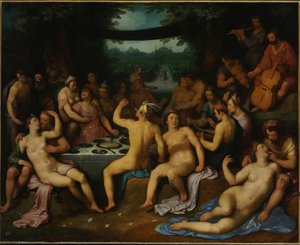
- Wedding of Peleus and Thetis
- Place Of Birth: Haarlem, Netherlands
Povezani članci

Golden Age Reflections: Dutch Baroque Painting & Cultural Innovation
Explore the Dutch Golden Age of painting! Discover key artists like Vermeer & ter Borch, their innovative techniques, and the rich cultural context behind these Baroque masterpieces. Learn about collecting & appreciating this iconic art period.

Zlatno doba Holandske umetnosti: Top 10 remek dela za vaš dom
Otkrijte remek dela Holandskog zlatnog doba! Uronite u svet Rembrandta, Vermeera i drugih majstora. 10 ikoničnih slika koje su definisale umetnost. Inspiracija za vaš dom i kolekciju - ekskluzivne reprodukcije na ArtsDot.com!
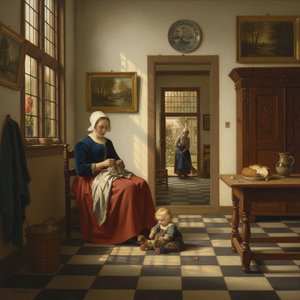
Pieter de Hooch: Illuminating Dutch Domestic Life & Golden Age Charm
Explore the captivating world of Pieter de Hooch, a master of Dutch Golden Age painting. Discover his innovative use of light, intimate domestic scenes, and lasting influence on art history. Learn more at ArtsDot.

Dutch Baroque Masters: 10 Paintings That Shaped an Era | ArtsDot
Journey through the Golden Age with our guide to the Top 10 Dutch Baroque masterpieces! Explore iconic paintings by Rembrandt, Vermeer & Frans Hals. Find museum-quality art reproductions and elevate your home decor at ArtsDot.com.

Illuminating Innovation: Exploring the Dutch Golden Age of Painting
Explore the Dutch Golden Age of painting with ArtsDot. Discover Rembrandt, Vermeer & other Masters. Learn about key characteristics, iconic artworks, and lasting influence. Expert insights for collectors & enthusiasts.

