

 Pregledaj u prostoru
 Pošalji
 Podeli
 Detalji o delu

 Преузми
 Slični predmeti
 Rendgenski snimak
 Slajdovi
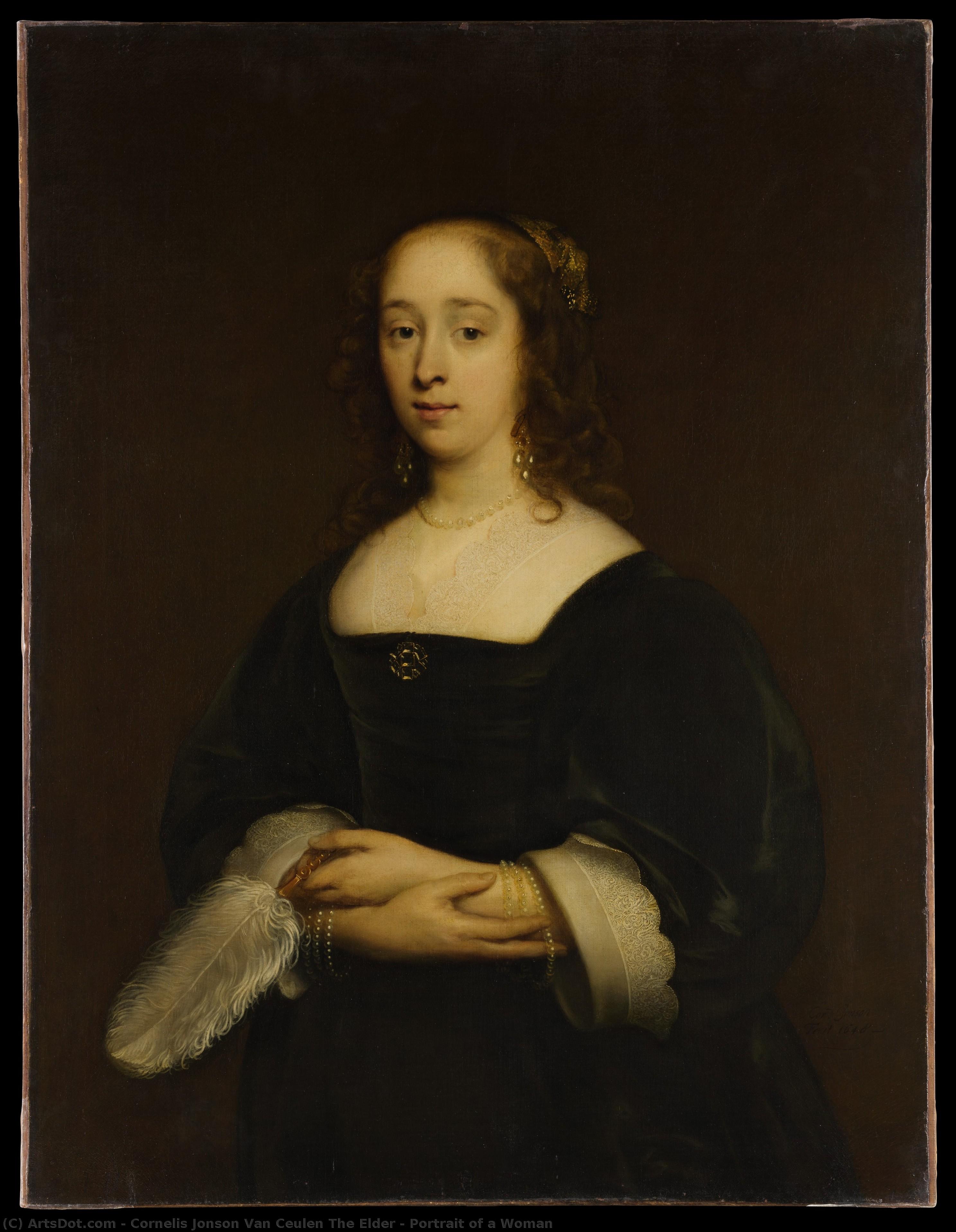
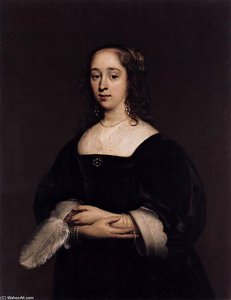
Portrait of a Woman
 1648
1648 104.0 x 80.0 cm
 Pročitaj više
Ručno rađena uljana reprodukcija
Ručno oslikano uljanim bojama na platnu u dimenzijama i okviru po vašem izboru, izrađeno po porudžbini od strane naših umetnika. ( Kupi print Kupi digitalnu sliku)




































Izaberite jednu od naših unapred definisanih veličina koje odgovaraju originalnim proporcijama umetničkog dela.

Можете унети сопствене димензије како бисте прилагодили дело одређеном оквиру или простору. Ако одабрана величина не одговара пропорцијама оригинала, слика ће бити исечена или проширена додатним елементима који се ручно насликавају. Дигитални prikaz ће вам бити послат на одобрење пре почетка производње.
Имајте на уму да преглед на екрану не одражава стварно исецање или проширење. Само приказ (mockup) ће тачно приказати коначну композицију.
Иако су доступне прилагођене величине, препоручујемо да одаберете димензију из дефинисане листе како бисте сачували оригиналне пропорције.
Nakon narudžbine, tim ArtsDot.com će klijentu putem e-pošte poslati uputstva i dostaviti prikaz predloženog rešenja
Isporuka širom sveta () za 3/4 nedelje umesto uobičajenih 5 nedelja. (27 август). Bez kompromisa po pitanju kvaliteta.

Besplatna ekspresna dostava širom sveta

Visokokvalitetno laneno platno

Kompletno osiguranje transporta

Garancija povraćaja carine i uvoznih dažbina

Garancija vernosti boja

Politika povrata u roku od 60 dana (samo u slučaju nedostataka)

Garancija povrata novca od 100%

Popust pri grupnoj kupovini
 Opcija sa staklom dostupna je samo za dimenzije manje od 110 cm

Portrait of a Woman
Tehnika reprodukcije
Dimenzije reprodukcije
-


Konačna cena
$ 263
Srodna umetnička dela




Biografija umetnika
Cornelis Jonson van Ceulen: The Quiet Master of Seventeenth-Century Portraiture
Cornelis Janssens van Ceulen, more commonly known as Cornelis Jonson (1593-1661), stands as a quietly significant figure in the history of English and Dutch portrait painting. Born into a family of Flemish/German immigrants seeking refuge from religious persecution in London, his life’s trajectory mirrored that of many artists of his era – a journey between continents, shaped by patronage, war, and evolving artistic tastes. While overshadowed by the brilliance of Anthony van Dyck, Jonson cultivated a distinctive style characterized by meticulous detail, understated elegance, and a remarkable sensitivity to characterization, making his portraits instantly recognizable even today.Early Life and Training
The exact details of Jonson’s early life remain somewhat elusive, shrouded in the typical gaps of historical records for artists of that period. Born in London around 1593 – though the precise date is uncertain – he was baptized at the Dutch Church at Austin Friars, a vibrant center of the Netherlandish community within the city. His family’s origins lay in Antwerp and Cologne, reflecting the diverse population drawn to England by religious freedom. It's believed that Jonson received his initial artistic training in the northern Netherlands, likely under the tutelage of established masters like Michiel Jansz. van Mierevelt, a connection that undoubtedly influenced his early style. This formative period instilled within him a deep appreciation for the Dutch tradition of portraiture – its emphasis on realism, careful observation, and a subtle understanding of human psychology.London Years: Establishing a Reputation
Around 1618, Jonson established himself as a professional portrait painter in London, quickly gaining recognition within the city’s elite circles. He catered to a diverse clientele – courtiers, landed gentry, and members of the burgeoning merchant class – capturing their likenesses with remarkable accuracy and a keen eye for detail. His early portraits are distinguished by their relatively low placement of the sitter's head within the frame, a stylistic choice that immediately draws attention to the face and creates an intimate connection between viewer and subject. During this period, Jonson’s work began to reflect the influence of Van Dyck, though he skillfully adapted these elements to his own unique vision, retaining a more restrained and understated approach. Notably, he became King Charles I's official “Picture-drawer” in 1632, a position that afforded him considerable prestige and access to some of the most prominent figures of the era.Migration to the Netherlands: A Shift in Style
The outbreak of the English Civil War in 1643 prompted Jonson’s relocation to the Dutch Republic. This move marked a significant turning point in his artistic career, as he transitioned from working primarily within the confines of the English court to serving a broader range of patrons across the Netherlands. Initially settling in Middelburg, he joined the local painters' guild and continued to produce portraits, adapting his style to suit the tastes of his new audience. Later, he moved to Amsterdam, The Hague, and finally Utrecht, where he spent his final years. During this period, Jonson’s work became increasingly influenced by Dutch artistic conventions, particularly in terms of background colors – often muted blues or greens – which provided a subtle yet effective contrast to the sitter's attire.Distinctive Style and Legacy
Jonson’s portraits are characterized by several key elements that distinguish them from those of his contemporaries. His meticulous attention to detail, particularly in rendering fabrics, jewelry, and lace collars, is legendary. He possessed a remarkable ability to capture the nuances of human expression, conveying not only outward appearance but also subtle emotions and inner character. The placement of the sitter’s head within the frame – often positioned low – creates an intimate and engaging portrait experience. Furthermore, Jonson's handling of the eyes—with their enlarged, rounded irises and deep, curved upper lids—is particularly distinctive and memorable. Despite being overshadowed by more flamboyant figures like Van Dyck during his lifetime, Jonson’s quiet elegance and understated realism have ensured that his work continues to be appreciated for its sensitivity, technical skill, and enduring appeal. His portraits offer a valuable glimpse into the lives and aspirations of 17th-century England and the Netherlands, solidifying his place as a significant, if often overlooked, master of portraiture.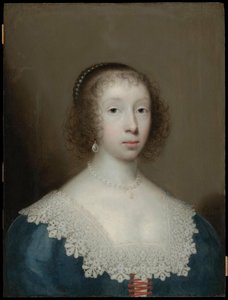
cornelis jonson van ceulen the elder
1593 - 1661 , Germany
Osnovne informacije
- Artistic Movement Or Style: Portraiture, Baroque
- Artists Or Movements Influenced By This Artist: ['Dutch Golden Age painting']
- Artists Who Influenced This Artist: ['Anthony van Dyck']
- Date Of Birth: 1593 Berlin, Germany
- Date Of Death: 1661 Utrecht, Netherlands
- Full Name: Cornelis Jonson van Ceulen
- Nationality: Dutch, Anglo-Flemish
- Notable Artworks:
- Portrait of a Man
- Various portraits of gentry
- Place Of Birth: Berlin, Germany

