

 Pregledaj u prostoru
 Pošalji
 Podeli
 Detalji o delu

 Преузми
 Slični predmeti
 Rendgenski snimak
 Slajdovi
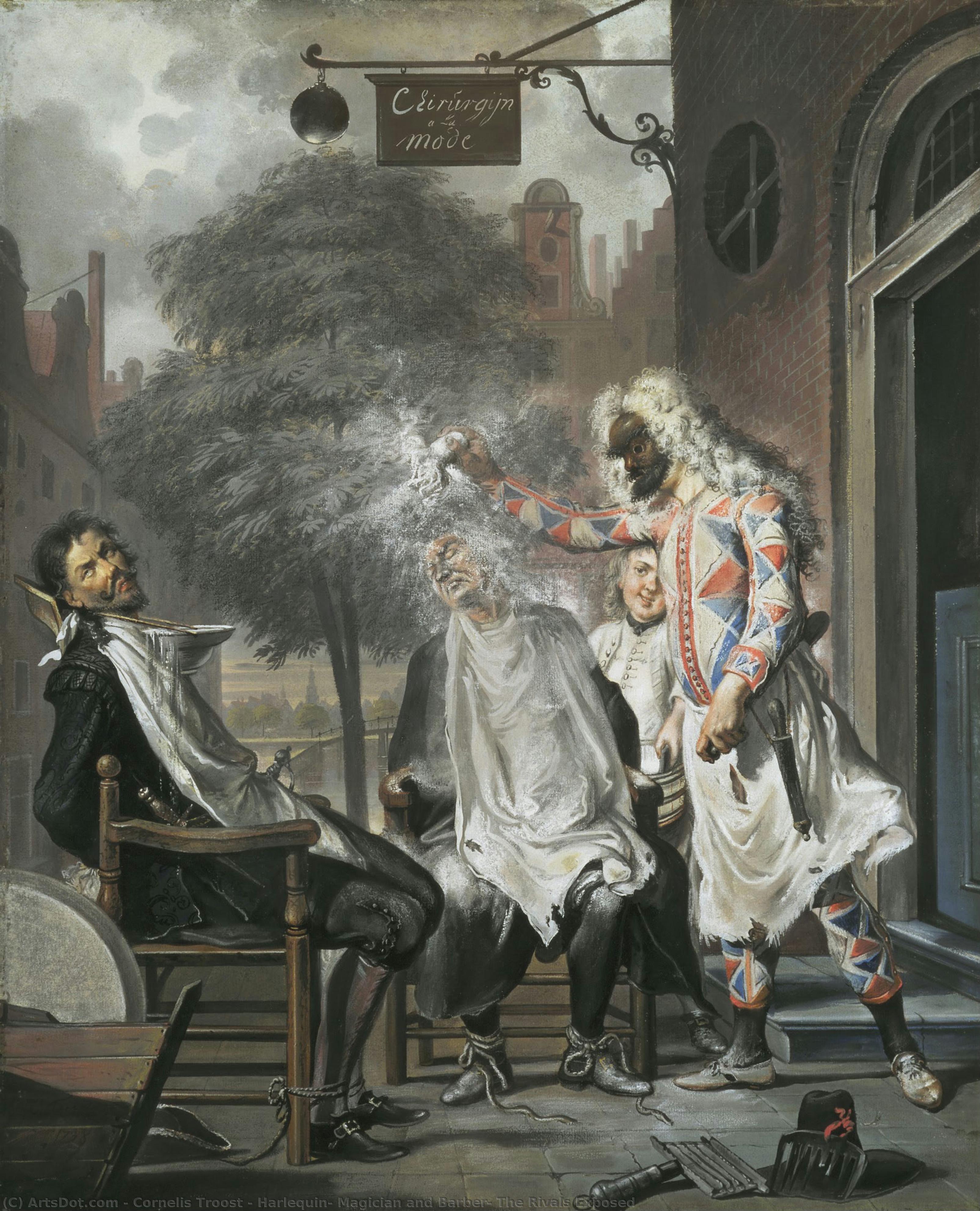
Harlequin, Magician and Barber: The Rivals Exposed


 Pročitaj više
Ručno rađena uljana reprodukcija
Ručno oslikano uljanim bojama na platnu u dimenzijama i okviru po vašem izboru, izrađeno po porudžbini od strane naših umetnika. ( Kupi print Kupi digitalnu sliku)




P118B $10

P118H $10

P118W $10

P438Z $10

P508JH $12

P508YH $12

P805H $10

P805Z $10

P919BZ $10

P919G $10

P919XJ $10

P959ZH $10

P968JZ $12

W106C $8

W218G $10

W218JH $8

W218Y $10

W307PJ $10

W316G $10

W316PJ $8

W316Y $10

W398PJ $8

W4111J $10

W500HY $15

W500JH $15

W692G $12

W849H $8

W940BG $15

W953PJ $8




Izaberite jednu od naših unapred definisanih veličina koje odgovaraju originalnim proporcijama umetničkog dela.

Можете унети сопствене димензије како бисте прилагодили дело одређеном оквиру или простору. Ако одабрана величина не одговара пропорцијама оригинала, слика ће бити исечена или проширена додатним елементима који се ручно насликавају. Дигитални prikaz ће вам бити послат на одобрење пре почетка производње.
Имајте на уму да преглед на екрану не одражава стварно исецање или проширење. Само приказ (mockup) ће тачно приказати коначну композицију.
Иако су доступне прилагођене величине, препоручујемо да одаберете димензију из дефинисане листе како бисте сачували оригиналне пропорције.
Nakon narudžbine, tim ArtsDot.com će klijentu putem e-pošte poslati uputstva i dostaviti prikaz predloženog rešenja
Isporuka širom sveta () za 3/4 nedelje umesto uobičajenih 5 nedelja. (25 август). Bez kompromisa po pitanju kvaliteta.

Besplatna ekspresna dostava širom sveta

Visokokvalitetno laneno platno

Kompletno osiguranje transporta

Garancija povraćaja carine i uvoznih dažbina

Garancija vernosti boja

Politika povrata u roku od 60 dana (samo u slučaju nedostataka)

Garancija povrata novca od 100%

Popust pri grupnoj kupovini
 Opcija sa staklom dostupna je samo za dimenzije manje od 110 cm

Harlequin, Magician and Barber: The Rivals Exposed
Tehnika reprodukcije
Dimenzije reprodukcije
-


Konačna cena
$ 313
Opis umetničkog dela
A Glimpse into 18th-Century Amsterdam: Cornelis Troost’s ‘Harlequin, Magician and Barber’
Cornelis Troost's “Harlequin, Magician and Barber: The Rivals Exposed,” painted in 1738, isn’t merely a depiction of a bustling street scene; it’s a meticulously crafted window into the social fabric and subtle anxieties of 18th-century Amsterdam. This Baroque masterpiece, now housed within the Mauritshuis museum in The Hague, pulsates with life—a vibrant tableau of commerce, class distinctions, and perhaps even a touch of subversive commentary. Troost, a former actor who transitioned to painting, masterfully captures the energy of the city through a complex interplay of figures, light, and shadow, creating an image that simultaneously delights and subtly unsettles.
The scene unfolds outdoors, seemingly in front of a barber shop indicated by the sign Coiffeur et Mode. A curious interaction is taking place between three figures: a barber, a harlequin/magician, and what appears to be an elaborately costumed individual. The composition is structured around this central dynamic, with each character positioned to emphasize their role in the unfolding narrative. The muted earth tones of the background – browns, creams, and subtle greens – serve as a grounding force, allowing the more flamboyant figures to command attention. Notice the strategic placement of a tree behind the figures, partially obscuring the buildings and creating depth within the composition; this isn’t simply decorative but contributes to the overall sense of layered reality.
The Character of Harlequin: Mischief and Social Commentary
At the heart of the painting stands the harlequin figure – a character deeply rooted in Italian commedia dell'arte. More than just a playful trickster, this Harlequin embodies a complex blend of wit, cunning, and a subtle challenge to established order. His checkered costume, instantly recognizable, is a visual shorthand for his disruptive nature. Observe how he leans towards the seated barber, seemingly orchestrating the scene with a knowing glance – a suggestion that he’s not merely an observer but actively manipulating events. The dark-skinned man being styled by the barber immediately draws the eye; this detail invites reflection on the racial dynamics of the era and potentially serves as a pointed commentary on colonialism and exoticism, prevalent themes in 18th-century art.
The other figures add layers to this social tapestry. The seated barber, dressed in relatively simple attire, represents the established profession – a symbol of order and respectability. His posture suggests a degree of weariness or perhaps even disdain as he attends to his client. The man receiving the haircut is clad in a flowing white robe and slippers, suggesting a performer or someone accustomed to theatrical display. His posture conveys a degree of discomfort or vulnerability as he endures the barber’s ministrations. And finally, the most striking element is undoubtedly the individual in the elaborate costume – a patchwork of red, white, and blue squares reminiscent of a jesters attire. This character stands close to the seated figures, his posture suggesting an assertive intrusion into their interaction. His face is partially obscured by a large, powdered wig, adding to the air of theatricality and mystery surrounding him.
Technique and Historical Context: A Rococo Masterpiece
Troost’s masterful technique—characterized by meticulous brushwork and a rich layering of colors—brings this scene to life with remarkable detail. The oil paints on canvas create textures that are both tactile and visually engaging, from the sheen of the fabrics to the rough bark of the tree. The painting is firmly rooted in the Rococo style, evident in its dynamic composition, playful use of light and shadow, and attention to decorative details. Painted in 1738, it reflects a period of burgeoning wealth and social change in Amsterdam – a city at the heart of global trade and cultural exchange. The presence of the British flag on one of the assistants’ aprons adds another layer of complexity to the image, potentially referencing trade and power dynamics between England and the Dutch Republic.
Symbolism and Emotional Resonance
Beyond its surface depiction, “Harlequin, Magician and Barber: The Rivals Exposed” is rich in symbolism. The painting can be interpreted as a commentary on social hierarchies, the blurring of class lines, and the performative nature of identity. The harlequin’s antics challenge the established order, while the barber represents the forces of conformity. The scene invites us to consider the tensions between tradition and innovation, stability and disruption. Ultimately, Troost's work is a captivating exploration of human interaction, social dynamics, and the enduring power of visual storytelling – an artwork that continues to resonate with viewers centuries after its creation.
Srodna umetnička dela





Biografija umetnika
Prozor u zlatno doba Amsterdama
Kornelije Trost, ime neraskidivo vezano za živopisni tapiserij osamnaestoveg Amsterdama, bio je mnogo više od običnog umetnika; bio je oštar posmatrač i majstorski hroničar svog doba. Rođen u srcu Dučke republike 8. oktobra 1696. godine u Amsterdamu, Trostov put od ambicioznog glumca do proslavljenog slikara otkriva fascinantnu spojnicu umetničkih strasti i ličnog preobražaja. Početno obučen za scensku izvođačku umetnost, on nije pronašao svoj pravi poziv usred aplauza i drame, već u pedantnom detalju i suptilnim nijansama slikarstva. Trajektorija njegovog života obeležena je svesnom promenom – namernim odbacivanjem svetla reflektora zarad tihe kontemplacije poteza četkicom, što ga je na kraju dovelo do toga da postane jedna od najznačajnijih figura u holandskoj rokoko žanrovskoj umetnosti.
Trostovo umetničko obrazovanje počelo je pod tutelom Arnolda Bunena, poštovanog portretiste koji je prepoznao urođeni talenat svog učenika. Ovo usvajanje pružilo je ključni temelj, ali su upravo Trostovi rani crteži istinski pokazali njegov prepoznatljiv stil – posebno onaj iz 1908. godine koji prikazuje kneza Evgena Savojskog i ozloglašenu knjižare i špijuna, Luisa Renara, kako se upuštaju u tajne aktivnosti unutar luksuznog amsterdamskog bordela. Ovo delo, prepuno duhovitosti i intriga, nagovestilo je teme koje će kasnije istraživati sa tako očaravajućom veštinom: složenost društvenog života, mamorljivost uživanja i skrivene struje ispod fasade uglednosti.
Elegancija rokoka i društvena naracija
Kako je njegova karijera sazrevala, Trost je postao majstor u hvatanju delikatne ravnoteže između razigranosti i sofisticiranosti. Njegov rad je nesumnjivo bio pod uticajem tadašnjih umetničkih trendova, uključujući dramatične kompozicije Vilijama Hogarta, poznatog po svojim satiričnim prikazima londonske društvene scene, kao i elegantnu gracioznost francuskih majstora poput Vatoa, Bušea i Lankreta. Ova sinteza holandskog realizma i francuske rokoko elegancije omogućila mu je da stvori dela koja su istovremeno duboko ukorenjena u lokalnoj stvarnosti i izuzetno prefinjena.
Njegov repertoar bio je izrazito raznolik, protežući se od intimnih portreta do monumentalnih grupnih kompozicija. Neki od njegovih najtrajnijih doprinosa svetu umetnosti uključuju:
- Portret inspektora Collegium Medicum (1724): Zadivljujuće ulje na platnu u stilu rokoka koje prikazuje vrhunac holandske umetničke veštine i institucionalne elegancije osamnaestog veka.
- Portret Marije Magdalene Stavenise (oko 1726): Barokno remek-delo koje koristi prefinjen detalj kako bi dočaralo aristokratsko bogatstvo i status.
- Regenti dečjeg sirotišta Aalmoezeniersweeshuis (1729): Monumentalni grupni portret koji služi kao prozor u društvene strukture Amsterdama, koristeći dramatično osvetljenje i raskošno okruženje kako bi preneo osećaj građanskog značaja.
Nasleđe majstora posmatrača
Značaj Kornelijusa Trosta leži u njegovoj sposobnosti da deluje kao vizuelni istoričar jedne tranzicionog ere. Iako je era velikih majstora holandskog zlatnog doba već prošla, Trost je udahnuo novi život u holandsku tradiciju, prožimajući je vedrinom i dekorativnim šarmom pokreta rokoka. Njegove slike ne prikazuju samo lica; one beleže duh jednog doba – šuštanje svile, treptaj svećice i suptilne društvene hijerarhije amsterdamske elite.
Kroz svoje duhovite portrete i očaravajuće žanrovske scene, Trost je ostavio za sobom nasleđe koje i danas očarava posetioce. On ostaje ključna figura koja je premostila jaz između teških, dramatičnih tradicija sedamnaestog veka i vazdušaste, graciozne estetike osamnaestog veka, osiguravajući da društvene nijanse njegovog voljenog Amsterdama ostanu sačuvane u pigmentu za generacije koje dolaze.
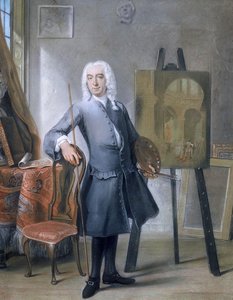
Корнелије Трост
1696 - 1750 , Holandija
Osnovne informacije
- Artistic Movement Or Style: Рококо жанровске сцене
- Artists Or Movements Influenced By This Artist: ['Сара Труст']
- Artists Who Influenced This Artist:
- Вилијам Хогарт
- Вато
- Буше
- Ланкрет
- Date Of Birth: 8. октобар 1696.
- Date Of Death: 7. март 1750.
- Full Name: Корнелис Труст
- Nationality: Холандски
- Notable Artworks:
- Серија НЕЛРИ
- Јеронимус Тонменан
- Инспектори Колегијума
- Place Of Birth: Амстердам, Холандија
Povezani članci

Golden Age Reflections: Dutch Baroque Painting & Cultural Innovation
Explore the Dutch Golden Age of painting! Discover key artists like Vermeer & ter Borch, their innovative techniques, and the rich cultural context behind these Baroque masterpieces. Learn about collecting & appreciating this iconic art period.

Zlatno doba Holandske umetnosti: Top 10 remek dela za vaš dom
Otkrijte remek dela Holandskog zlatnog doba! Uronite u svet Rembrandta, Vermeera i drugih majstora. 10 ikoničnih slika koje su definisale umetnost. Inspiracija za vaš dom i kolekciju - ekskluzivne reprodukcije na ArtsDot.com!

Dutch Baroque Masters: 10 Paintings That Shaped an Era | ArtsDot
Journey through the Golden Age with our guide to the Top 10 Dutch Baroque masterpieces! Explore iconic paintings by Rembrandt, Vermeer & Frans Hals. Find museum-quality art reproductions and elevate your home decor at ArtsDot.com.

Illuminating Innovation: Exploring the Dutch Golden Age of Painting
Explore the Dutch Golden Age of painting with ArtsDot. Discover Rembrandt, Vermeer & other Masters. Learn about key characteristics, iconic artworks, and lasting influence. Expert insights for collectors & enthusiasts.
Illuminating Realism: Exploring the Dutch Golden Age of Painting (1600-1700)
Explore the Dutch Golden Age of painting (1600-1700) with ArtsDot. Discover Rembrandt, Vermeer & other masters. Learn about techniques, history & find museum-quality reproductions.

