

 Pregledaj u prostoru
 Pošalji
 Podeli
 Detalji o delu

 Преузми
 Slični predmeti
 Rendgenski snimak
 Slajdovi
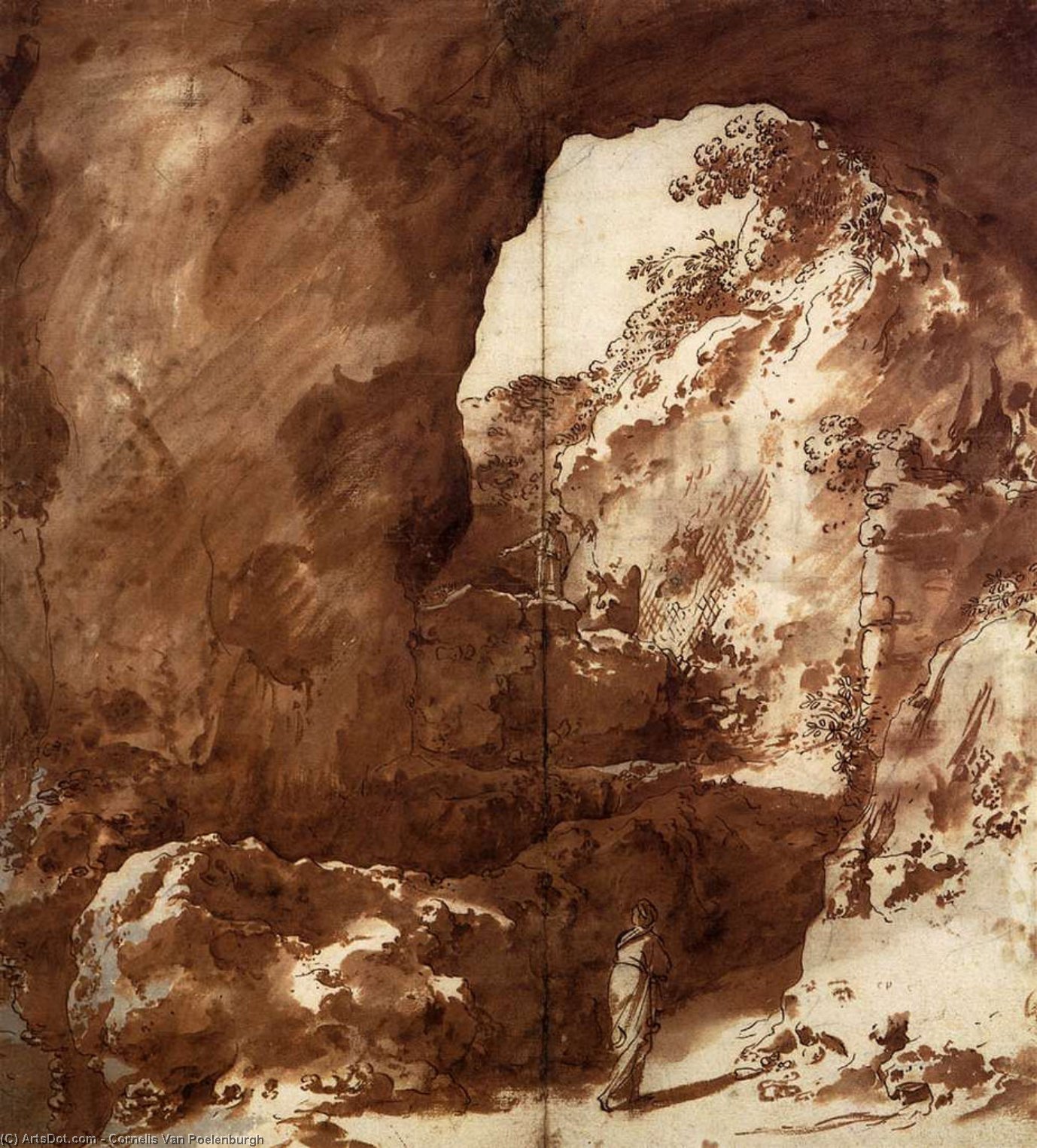
Figures beneath the Arches of a Classical Ruin
 Oil On Canvas
- WallArt
- Baroque
 1620
1620- Early Modern
 427.0 x 385.0 cm
 Rijksmuseum
 Pročitaj više
Giclee štampa / Umetnički otisak
Giclée štampa ili print na platnu muzejskog kvaliteta uz brzu proizvodnju i fleksibilne opcije završne obrade. ( Kupi ručno naslikanu sliku Kupi digitalnu sliku)




P118B $10

P118H $10

P118W $10

P438Z $10

P508JH $12

P508YH $12

P805H $10

P805Z $10

P919BZ $10

P919G $10

P919XJ $10

P959ZH $10

P968JZ $12

W106C $8

W218G $10

W218JH $8

W218Y $10

W307PJ $10

W316G $10

W316PJ $8

W316Y $10

W398PJ $8

W4111J $10

W500HY $15

W500JH $15

W692G $12

W849H $8

W940BG $15

W953PJ $8




Izaberite jednu od naših unapred definisanih veličina koje odgovaraju originalnim proporcijama umetničkog dela.

Možete uneti sopstvene dimenzije kako biste umetničko delo prilagodili specifičnom okviru ili prostoru. Ako odabrani format ne odgovara proporcijama originalne slike, mi ćemo ili iscrtati deo dela ili proširiti sliku pomoću ogledane ivice ili jednobojnog popunjavanja. Digitalni prikaz će vam biti poslat na odobrenje pre početka proizvodnje.
Imajte na umu da pregled na ekranu ne odražava stvarno iscrtavanje ili proširivanje. Samo će prikaz (mockup) precizno pokazati finalnu kompoziciju.
Iako su prilagođene dimenzije dostupne, preporučujemo da odaberete dimenziju sa unapred definisane liste kako biste očuvali originalne proporcije.
Dostava širom sveta () za 2 nedelje umesto uobičajenih 4/5 nedelja. (27 август)

Besplatna ekspresna dostava širom sveta

Visokokvalitetno laneno platno

Kompletno osiguranje transporta

Garancija povraćaja carine i uvoznih dažbina

Garancija vernosti boja

Politika povrata u roku od 60 dana (samo u slučaju nedostataka)

Garancija povrata novca od 100%

Popust pri grupnoj kupovini
 Opcija sa staklom dostupna je samo za dimenzije manje od 110 cm

Figures beneath the Arches of a Classical Ruin
Giclee štampa / Umetnički otisak
Dimenzije reprodukcije
-


Konačna cena
$ 62
Opis predmeta
The Allure of Discovery in Classical Ruins
To gaze upon Figures beneath the Arches of a Classical Ruin is to step across the threshold of time itself. This magnificent canvas transports the viewer into an imagined, yet deeply evocative, corner of antiquity—a place where nature’s raw artistry meets the echoes of forgotten civilization. The scene unfolds within what appears to be a cavernous space, dominated by monumental rock formations that suggest both geological wonder and architectural decay. Here, amidst the cool, earthy embrace of stone, life persists; figures mill about, their presence suggesting a moment caught forever—a pause in an age-old journey of exploration and contemplation.
A Masterpiece of Italianate Landscape Painting
Painted around 1620 by Cornelis van Poelenburch, this work stands as a quintessential example of the Dutch fascination with Italianate landscapes. Van Poelenburch, whose travels to Rome profoundly shaped his artistic vision, masterfully blended the detailed observation of nature with the idealized grandeur inspired by classical antiquity. His technique is characterized by an intricate brushwork that lends texture to every stalactite and fold of drapery. The palette itself—rich in deep ochres, muted browns, and cool grays—enhances the natural atmosphere, making the environment feel both immense and intimately detailed. It speaks to a period when art was deeply invested in narrative settings, using landscape not merely as a backdrop, but as an active participant in the human drama.
Symbolism of Man and Nature
The grouping of figures within this ruin is rich with potential symbolism. They are explorers, perhaps scholars, or simply wanderers captivated by the sublime beauty of the natural world juxtaposed against man-made decay. The central rock formation acts as a powerful focal point—a monument to deep time. In art history, such ruins often symbolize the transience of human endeavor compared to the enduring power of nature and the passage of epochs. The figures themselves seem engaged in quiet discovery, suggesting themes of enlightenment, mythic narrative, or simply humanity’s persistent yearning to uncover secrets hidden beneath the surface.
Creating an Atmosphere for Your Space
For the discerning collector or interior designer, this reproduction offers more than just a painting; it offers an atmosphere. Imagine this scene brought into your drawing-room or study—a visual portal that whispers tales of Roman villas and subterranean mysteries. The deep, grounding tones of the piece allow it to anchor a room, providing a sense of timeless gravitas. Owning a work echoing Van Poelenburch’s vision allows one to infuse a space with the romance of discovery, making any gathering feel imbued with cultured contemplation.
Srodna umetnička dela
Biografija umetnika
Rano detinjstvo i temelj formação
Cornelis van Poelenburgh, istaknuti holandski pejzažni slikar, rođen je u Utrehtu, u Holandiji, 1594. godine. Njegov umetnički put započeo je pod mentorstvom Abrahama Bloemaerta, čuvenog umetnika tog vremena, čija je stručna poduka postavila neophodne temelje za Van Poelenburghov budući uspeh i umetničku zrelost.Umetnička karijera i uticaji
Putovanja u Rim početkom 17. veka ostavila su dubok trag na njegov stvaralački duh, čineći ga vodećim predstavnikom prve generacije holandskih pejzažnih slikara aktivnih u Italiji. Njegova dela, često intimnog formata, prožeta su italijanskim pejzažima u kojima male figure oživljavaju biblijske ili mitološke scene, što je predstavljalo autentičan prikaz njegovog jedinstvenog stila. Istaknuta dela:- Satiri koji špijuniraju nimfe (nakon 1627. godine), karakterističan primer Van Poelenburghovog umeća, koji prikazuje arhaične pejzaže sa figurama u kupanju. (pogledajte na ArtsDot)
- Savet bogova (oko 1630. godine), slika koja prikazuje idealizovani brežuljkasti pejzaž i boginje inspirisane rimskim svetom, čije se nalazi u Muritshusu (Hag, Holandija). (pogledajte na ArtsDot)
Nasleđe i završne godine
Van Poelenburghovo delo uživalo je veliko priznanje među njegovim savremenicima, uključujući velikog vojvodu Toskanije i holandskog stadholera. Na kraju svog života, vratio se u Utreht, gde je preminuo 1667. godine, svega nekoliko godina nakon svog starog učitelja Abrahama Bloemaerta. Ključne tačke:- rođen u Utrehtu, Holandija, 1594. godine
- školovan kod Abrahama Bloemaerta
- pod snažnim uticajem boravka u Rimu
- poznat po malim italijanskim pejzažima sa figurama
- preminuo u Utrehtu 1667. godine pogledajte umetnička dela Cornelisa van Poelenburgha na ArtsDot saznajte više o Cornelisu van Poelenburghu na Wikipediji
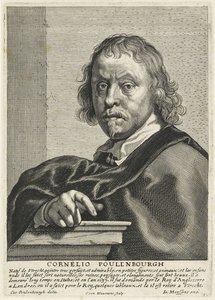
Kornelis Van Poelenbuh
1594 - 1667 , Holandija
Osnovne informacije
- Artistic Movement Or Style: Holandski pejzaž, Romanat
- Artists Or Movements Influenced By This Artist: ['Klod Loran']
- Artists Who Influenced This Artist: ['Abraham Bloemaert']
- Date Of Birth: 1594, Utreht, Holandija
- Date Of Death: 1667, Utreht, Holandija
- Full Name: Cornelis van Poelenburgh
- Nationality: Holandski
- Notable Artworks:
- Satiri špijuniraju nymphs
- Savet bogova
- Place Of Birth: Utreht, Holandija
Povezani članci

Dutch Baroque Masters: 10 Paintings That Shaped an Era | ArtsDot
Journey through the Golden Age with our guide to the Top 10 Dutch Baroque masterpieces! Explore iconic paintings by Rembrandt, Vermeer & Frans Hals. Find museum-quality art reproductions and elevate your home decor at ArtsDot.com.
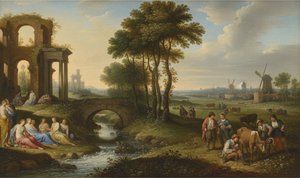
Cornelis van Poelenburch: Bridging Mannerism & the Dutch Baroque Landscape
Discover Cornelis van Poelenburch, a pivotal Dutch Baroque landscape painter bridging Mannerism & Italianate styles. Explore his life, key works, and lasting influence on 17th-century art with ArtsDot.
Golden Light & Dutch Skies: Bringing the Magic of Dutch Golden Age Landscapes into Your Home
Transform your home with the breathtaking light of Dutch Golden Age landscapes. Discover how hand-painted oil reproductions of masterworks like Ruisdael and Vermeer bring timeless elegance, atmosphere, and soulful texture to modern interiors. Elevate your space with museum-quality art.
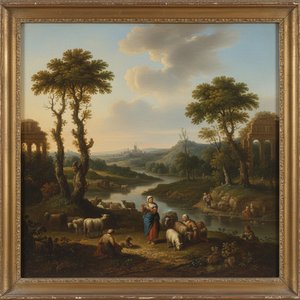
Nicolaes Berchem: Dutch Golden Age Pastoralism & the Evolution of Landscape Painting
Explore the captivating world of Nicolaes Berchem, a leading Dutch Golden Age painter. Discover his idyllic landscapes, masterful technique & lasting influence on art history. Learn more at ArtsDot.

Baroque Classicism: Reconciling Drama & Order in 17th-Century Art
Explore the captivating world of Baroque Classicism! Discover its history, key artists like Caravaggio & Rubens, and defining characteristics. Expert insights & high-quality reproductions at ArtsDot.

