

 Pregledaj u prostoru
 Pošalji
 Podeli
 Detalji o delu

 Преузми
 Slični predmeti
 Rendgenski snimak
 Slajdovi
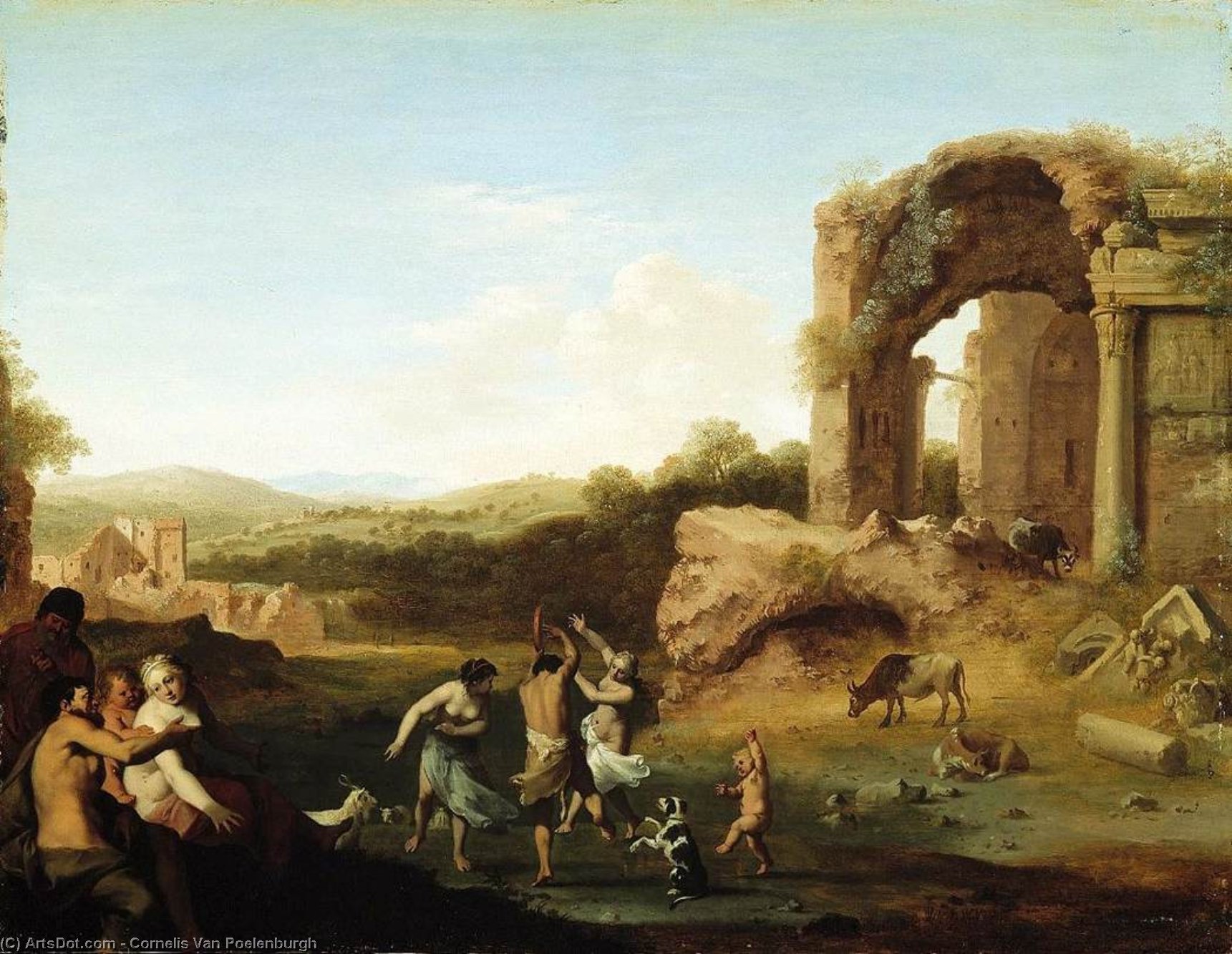
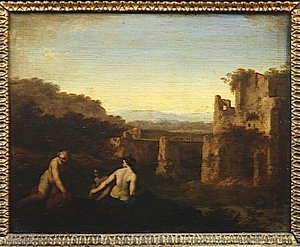
Figures Dancing near Ruin
 Oil
Oil- WallArt
 1624
1624- Early Modern
 49.0 x 59.0 cm
 Detroit Institute of Arts
 Pročitaj više
Giclee štampa / Umetnički otisak
Giclée štampa ili print na platnu muzejskog kvaliteta uz brzu proizvodnju i fleksibilne opcije završne obrade. ( Kupi ručno naslikanu sliku Kupi digitalnu sliku)




P118B $10

P118H $10

P118W $10

P438Z $10

P508JH $12

P508YH $12

P805H $10

P805Z $10

P919BZ $10

P919G $10

P919XJ $10

P959ZH $10

P968JZ $12

W106C $8

W218G $10

W218JH $8

W218Y $10

W307PJ $10

W316G $10

W316PJ $8

W316Y $10

W398PJ $8

W4111J $10

W500HY $15

W500JH $15

W692G $12

W849H $8

W940BG $15

W953PJ $8




Izaberite jednu od naših unapred definisanih veličina koje odgovaraju originalnim proporcijama umetničkog dela.

Možete uneti sopstvene dimenzije kako biste umetničko delo prilagodili specifičnom okviru ili prostoru. Ako odabrani format ne odgovara proporcijama originalne slike, mi ćemo ili iscrtati deo dela ili proširiti sliku pomoću ogledane ivice ili jednobojnog popunjavanja. Digitalni prikaz će vam biti poslat na odobrenje pre početka proizvodnje.
Imajte na umu da pregled na ekranu ne odražava stvarno iscrtavanje ili proširivanje. Samo će prikaz (mockup) precizno pokazati finalnu kompoziciju.
Iako su prilagođene dimenzije dostupne, preporučujemo da odaberete dimenziju sa unapred definisane liste kako biste očuvali originalne proporcije.
Dostava širom sveta () za 2 nedelje umesto uobičajenih 4/5 nedelja. (7 септембар)

Besplatna ekspresna dostava širom sveta

Visokokvalitetno laneno platno

Kompletno osiguranje transporta

Garancija povraćaja carine i uvoznih dažbina

Garancija vernosti boja

Politika povraćaja u roku od 100 dana (isključivo u slučaju nedostataka)

Garancija povrata novca od 100%

Popust pri grupnoj kupovini
 Opcija sa staklom dostupna je samo za dimenzije manje od 110 cm

Figures Dancing near Ruin
Giclee štampa / Umetnički otisak
Dimenzije reprodukcije
-


Konačna cena
$ 62
A Celebration Amidst the Echoes of Antiquity
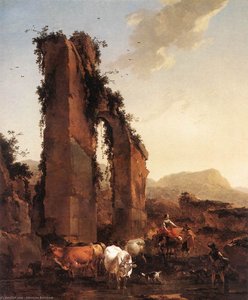
In the delicate brushstrokes of Cornelis van Poelenburch’s Figures Dancing near Ruin, we are invited into a world where the passage of time meets the eternal vitality of life. Painted in 1624, this exquisite work captures a moment of pure, unadulterated joy set against the melancholic backdrop of architectural decay. The scene unfolds with a rhythmic grace, as figures move in a spirited dance, their silhouettes dancing between the shadows of crumbling stone and the soft light of an idealized landscape. A silent observer, a faithful dog, rests near the center of the composition, grounding the ethereal movement of the dancers with a touch of domestic warmth and earthly presence.
The painting serves as a profound meditation on the concept of transience. The ruined building, likely a nod to the Roman grandeur that so captivated the Dutch masters, stands as a skeletal reminder of fallen empires and lost eras. Yet, rather than evoking sadness, these ruins provide a stage for a vibrant celebration of the present. This juxtaposition creates a powerful emotional resonance: the realization that while stone may crumble and civilizations may fade, the human spirit—expressed through music, dance, and companionship—remains indomitable and bright.
The Mastery of the Italianate Style
As a leading figure of the first generation of Dutch landscape painters active in Italy, Van Poelenburch brings a sophisticated, Italianate sensibility to this composition. His training under Abraham Bloemaert and his formative years spent wandering through Rome allowed him to blend the meticulous detail characteristic of Dutch art with the luminous, atmospheric qualities of the Mediterranean light. In this piece, one can observe his mastery of small-scale storytelling, where every figure is carefully placed to guide the eye through a lush, hilly terrain that feels both mythical and real.
The technique employed here is nothing short of masterful for its era. The artist utilizes a delicate palette to create depth, using soft transitions of light and shadow to give volume to the dancers and texture to the weathered masonry. For the discerning collector or interior designer, this painting offers more than just visual beauty; it provides a window into a refined aesthetic era. A high-quality reproduction of this work brings an air of classical elegance and intellectual depth to any space, acting as a sophisticated focal point that invites long periods of contemplation and conversation.
An Inspiration for the Modern Interior
Integrating a piece like Figures Dancing near Ruin into a contemporary or classical interior allows for a rich layering of history and emotion. Its subject matter—the celebration of life amidst change—is universally relatable, making it an ideal choice for those looking to infuse their homes with a sense of timelessness and grace. The subtle interplay of light and the nostalgic atmosphere of the ruins can complement various design styles, from the quiet sophistication of a minimalist gallery-style room to the opulent textures of a traditional study.
Owning a reproduction of such a significant work by Van Poelenburch is an opportunity to possess a fragment of the 17th-century Golden Age. It is an investment in atmosphere, bringing the warmth of a sun-drenched afternoon and the rhythmic pulse of a historical celebration into the modern sanctuary. Whether used to anchor a large-scale wall arrangement or as a singular, poignant statement piece, this artwork promises to inspire awe and provide a lasting sense of peace and vitality to any environment.
Srodna umetnička dela


Biografija umetnika
Rano detinjstvo i temelj formação
Cornelis van Poelenburgh, istaknuti holandski pejzažni slikar, rođen je u Utrehtu, u Holandiji, 1594. godine. Njegov umetnički put započeo je pod mentorstvom Abrahama Bloemaerta, čuvenog umetnika tog vremena, čija je stručna poduka postavila neophodne temelje za Van Poelenburghov budući uspeh i umetničku zrelost.Umetnička karijera i uticaji
Putovanja u Rim početkom 17. veka ostavila su dubok trag na njegov stvaralački duh, čineći ga vodećim predstavnikom prve generacije holandskih pejzažnih slikara aktivnih u Italiji. Njegova dela, često intimnog formata, prožeta su italijanskim pejzažima u kojima male figure oživljavaju biblijske ili mitološke scene, što je predstavljalo autentičan prikaz njegovog jedinstvenog stila. Istaknuta dela:- Satiri koji špijuniraju nimfe (nakon 1627. godine), karakterističan primer Van Poelenburghovog umeća, koji prikazuje arhaične pejzaže sa figurama u kupanju. (pogledajte na ArtsDot)
- Savet bogova (oko 1630. godine), slika koja prikazuje idealizovani brežuljkasti pejzaž i boginje inspirisane rimskim svetom, čije se nalazi u Muritshusu (Hag, Holandija). (pogledajte na ArtsDot)
Nasleđe i završne godine
Van Poelenburghovo delo uživalo je veliko priznanje među njegovim savremenicima, uključujući velikog vojvodu Toskanije i holandskog stadholera. Na kraju svog života, vratio se u Utreht, gde je preminuo 1667. godine, svega nekoliko godina nakon svog starog učitelja Abrahama Bloemaerta. Ključne tačke:- rođen u Utrehtu, Holandija, 1594. godine
- školovan kod Abrahama Bloemaerta
- pod snažnim uticajem boravka u Rimu
- poznat po malim italijanskim pejzažima sa figurama
- preminuo u Utrehtu 1667. godine pogledajte umetnička dela Cornelisa van Poelenburgha na ArtsDot saznajte više o Cornelisu van Poelenburghu na Wikipediji
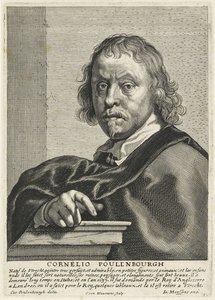
Kornelis Van Poelenbuh
1594 - 1667 , Holandija
Osnovne informacije
- Artistic Movement Or Style: Holandski pejzaž, Romanat
- Artists Or Movements Influenced By This Artist: ['Klod Loran']
- Artists Who Influenced This Artist: ['Abraham Bloemaert']
- Date Of Birth: 1594, Utreht, Holandija
- Date Of Death: 1667, Utreht, Holandija
- Full Name: Cornelis van Poelenburgh
- Nationality: Holandski
- Notable Artworks:
- Satiri špijuniraju nymphs
- Savet bogova
- Place Of Birth: Utreht, Holandija
Povezani članci

Zlatno doba Holandske umetnosti: Top 10 remek dela za vaš dom
Otkrijte remek dela Holandskog zlatnog doba! Uronite u svet Rembrandta, Vermeera i drugih majstora. 10 ikoničnih slika koje su definisale umetnost. Inspiracija za vaš dom i kolekciju - ekskluzivne reprodukcije na ArtsDot.com!

Golden Age Reflections: Dutch Baroque Painting & Cultural Innovation
Explore the Dutch Golden Age of painting! Discover key artists like Vermeer & ter Borch, their innovative techniques, and the rich cultural context behind these Baroque masterpieces. Learn about collecting & appreciating this iconic art period.

Illuminating Innovation: Exploring the Dutch Golden Age of Painting
Explore the Dutch Golden Age of painting with ArtsDot. Discover Rembrandt, Vermeer & other Masters. Learn about key characteristics, iconic artworks, and lasting influence. Expert insights for collectors & enthusiasts.
Illuminating Realism: Exploring the Dutch Golden Age of Painting (1600-1700)
Explore the Dutch Golden Age of painting (1600-1700) with ArtsDot. Discover Rembrandt, Vermeer & other masters. Learn about techniques, history & find museum-quality reproductions.
Nicolaes Berchem: Dutch Golden Age Pastoralism & the Evolution of Landscape Painting
Explore the captivating world of Nicolaes Berchem, a leading Dutch Golden Age painter. Discover his idyllic landscapes, masterful technique & lasting influence on art history. Learn more at ArtsDot.