

 Pregledaj u prostoru
 Pošalji
 Podeli
 Detalji o delu

 Преузми
 Slični predmeti
 Rendgenski snimak
 Slajdovi
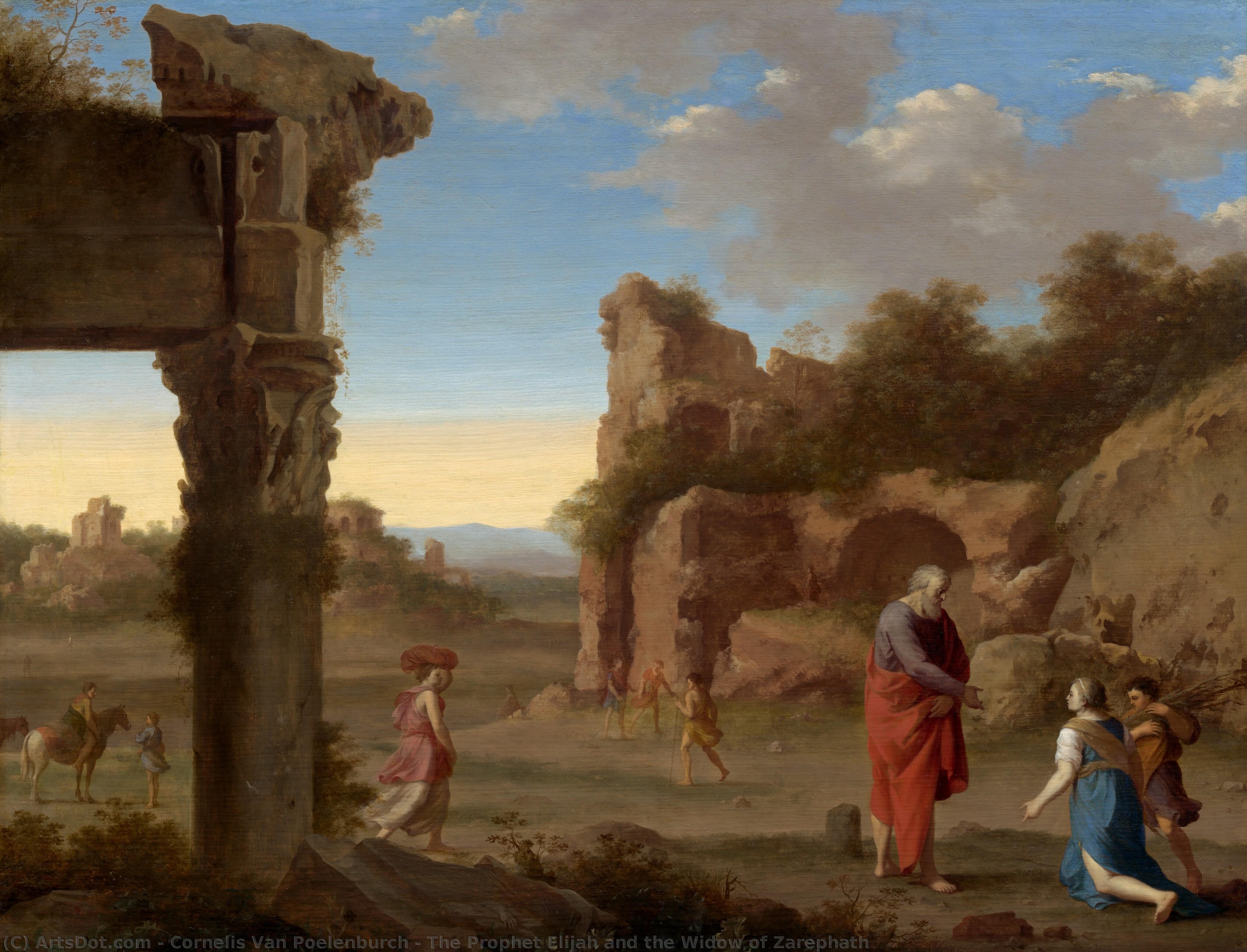
The Prophet Elijah and the Widow of Zarephath
 Oil
Oil- WallArt
- Baroque
 1630
1630- Early Modern
 51.0 x 62.0 cm
 Pročitaj više
Kupite digitalnu sliku visoke rezolucije i poboljšanog kvaliteta, koja je znatno superiornija od onoga što vidite u online prikazu.
Svaka datoteka je pedantno pripremljena od strane naših stručnjaka koristeći napredne alate i profesionalnu ručnu retušu. Osiguravamo da svaka slika ima izuzetnu oštrinu, preciznu reprodukciju boja i fine detalje.
Konačna datoteka se dostavlja putem e-pošte u roku od 72 sata, optimizovana za neposrednu upotrebu u profesionalnim, izdavačkim i štamparskim okruženjima. To je isti kvalitet kojem veruju vrhunski studiji dizajna, izdavači i galerije.
Digitalna slika
Preuzmite datoteku visoke rezolucije za ličnu upotrebu, štampanje i kreativne projekte. ( Kupi print Kupi ručno naslikanu sliku)
Uključeno uz svaku porudžbinu digitalne slike
Profesionalna digitalna isporuka, zagarantovana
Kada odaberete ArtsDot.com, ne dobijate samo sliku – vi primate profesionalno unapređeno digitalno umetničko delo, izrađeno sa najvećom preciznošću i uz garanciju zadovoljstva. Evo svega što automatski dolazi uz vašu porudžbinu:

Brza dostava putem e-pošte
Vaša digitalna slika visoke rezolucije biće vam poslata putem e-pošte u roku od 72 sata od poručivanja – spremna za trenutnu upotrebu.

Digitalna datoteka unapređena veštačkom inteligencijom
Vaše umetničko delo je profesionalno optimizovano korišćenjem naprednih AI alata i ručne obrade, čime se osiguravaju maksimalni detalji, oštrina i preciznost boja.

Besplatna ponovna isporuka doživotno
Slučajno ste obrisali ili izgubili svoju datoteku? Ne brinite – poslaćemo vam je ponovo u bilo kom trenutku, potpuno besplatno.

Bez troškova uvoza – zauvek
Uživajte u svojim umetničkim delima trenutno, bez carine, dažbina ili troškova dostave – digitalni download je uvek bez poreza.

Garancija vernosti boja
Uz pomoć profesionalnih alata i upravljanja bojama, osiguravamo da vaša digitalna slika što vernije odražava originalne boje.

Garancija zadovoljstva u roku od 60 dana
Ako niste zadovoljni svojom digitalnom slikom, revidirat ćemo je ili vratiti 100% novca u roku od 60 dana – bez ikakvih pitanja.

100% garancija povrata novca
Niste zadovoljni? Obezbedite pun povrat novca u roku od 60 dana od trenutka kada ste primili svoju digitalnu datoteku – bez suvišnih pitanja.

Popusti na velike porudžbine
Kupite 3 slike, uštedite 10% - Kupite 5 slika, uštedite 15% - Kupite 10+ slika, uštedite 20%. Odlično za kreativne projekte, galerije i agencije.
A Divine Encounter Amidst the Ruins
In the quiet, sun-drenched landscape of Cornelis van Poelenburch’s 1630 masterpiece, The Prophet Elijah and the Widow of Zarephath, time seems to suspend itself between the ancient past and a moment of profound spiritual revelation. The scene unfolds within a world of classical decay, where crumbling Roman-style entablatures and weathered stone columns rise from a verdant, scrubby earth. Here, amidst the ruins of a forgotten era, a sacred drama takes center stage. The elderly Prophet Elijah, distinguished by his steel-gray beard and a regal scarlet-red cloak, reaches out toward a kneeling young woman. Her posture—arms spread in a gesture of both supplication and awe—captures the very essence of faith meeting providence. Beside her, a small boy clutches a bundle of sticks, a poignant reminder of the humble, earthly struggles that underpin this divine interaction.
Van Poelenburch, a master of the Dutch Italianate style, breathes life into this biblical narrative through a sophisticated use of color and light. The palette is a rich tapestry of jewel tones: the sapphire-blue of the widow’s dress contrasts brilliantly against the thistle-purple of Elijah’s tunic, while the distant landscape glows with the warmth of honey-browns, rose-pinks, and golden yellows. This vibrant chromatic harmony does more than please the eye; it directs the viewer's soul through the composition, leading the gaze from the intimate foreground encounter toward the hazy, slate-blue mountains and the pale yellow horizon. The sky, transitioning from a soft dawn-like glow to a deep lapis blue, suggests an atmosphere of eternal significance, as if the heavens themselves are witnessing this miraculous meeting.
The Artistry of the Italianate Landscape
As a leading figure of the first generation of Dutch landscape painters active in Italy, Van Poelenburch brings a unique, cosmopolitan elegance to this work. His training under Abraham Bloemaert and his formative years in Rome allowed him to blend the meticulous detail characteristic of Dutch art with the idealized, classical beauty of the Italian countryside. In this painting, the technique is nothing short of exquisite. The artist employs fine, delicate brushwork to render the textures of weathered stone, soft foliage, and the heavy folds of draped fabric. This attention to detail creates a sense of tangible reality, making the presence of the two horses and the distant figures moving through the field feel like an organic part of a living, breathing world.
For the discerning collector or interior designer, this piece offers much more than mere decoration; it provides a window into a period of profound artistic synthesis. The way the light catches the edges of the ruins and illuminates the faces of the figures creates a sense of depth and luminosity that can transform any space. Whether placed in a grand gallery or a sophisticated private study, the painting serves as a focal point of contemplation. It invites the viewer to reflect on themes of resilience, hospitality, and the intersection of the human condition with the divine. Owning a high-quality reproduction of such a work allows one to bring this sense of historical grandeur and emotional depth into the modern home, offering a timeless piece of heritage that resonates with both classical beauty and spiritual grace.
Srodna umetnička dela
Biografija umetnika
Rano detinjstvo i temelj formação
Cornelis van Poelenburgh, istaknuti holandski pejzažni slikar, rođen je u Utrehtu, u Holandiji, 1594. godine. Njegov umetnički put započeo je pod mentorstvom Abrahama Bloemaerta, čuvenog umetnika tog vremena, čija je stručna poduka postavila neophodne temelje za Van Poelenburghov budući uspeh i umetničku zrelost.Umetnička karijera i uticaji
Putovanja u Rim početkom 17. veka ostavila su dubok trag na njegov stvaralački duh, čineći ga vodećim predstavnikom prve generacije holandskih pejzažnih slikara aktivnih u Italiji. Njegova dela, često intimnog formata, prožeta su italijanskim pejzažima u kojima male figure oživljavaju biblijske ili mitološke scene, što je predstavljalo autentičan prikaz njegovog jedinstvenog stila. Istaknuta dela:- Satiri koji špijuniraju nimfe (nakon 1627. godine), karakterističan primer Van Poelenburghovog umeća, koji prikazuje arhaične pejzaže sa figurama u kupanju. (pogledajte na ArtsDot)
- Savet bogova (oko 1630. godine), slika koja prikazuje idealizovani brežuljkasti pejzaž i boginje inspirisane rimskim svetom, čije se nalazi u Muritshusu (Hag, Holandija). (pogledajte na ArtsDot)
Nasleđe i završne godine
Van Poelenburghovo delo uživalo je veliko priznanje među njegovim savremenicima, uključujući velikog vojvodu Toskanije i holandskog stadholera. Na kraju svog života, vratio se u Utreht, gde je preminuo 1667. godine, svega nekoliko godina nakon svog starog učitelja Abrahama Bloemaerta. Ključne tačke:- rođen u Utrehtu, Holandija, 1594. godine
- školovan kod Abrahama Bloemaerta
- pod snažnim uticajem boravka u Rimu
- poznat po malim italijanskim pejzažima sa figurama
- preminuo u Utrehtu 1667. godine pogledajte umetnička dela Cornelisa van Poelenburgha na ArtsDot saznajte više o Cornelisu van Poelenburghu na Wikipediji
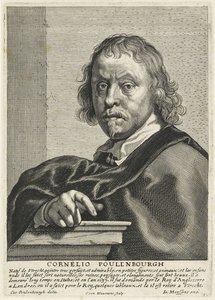
Kornelis Van Poelenbuh
1594 - 1667 , Holandija
Kratke činjenice
- Artistic Movement Or Style: Holandski pejzaž, Romanat
- Artists Or Movements Influenced By This Artist: ['Klod Loran']
- Artists Who Influenced This Artist: ['Abraham Bloemaert']
- Date Of Birth: 1594, Utreht, Holandija
- Date Of Death: 1667, Utreht, Holandija
- Full Name: Cornelis van Poelenburgh
- Nationality: Holandski
- Notable Artworks:
- Satiri špijuniraju nymphs
- Savet bogova
- Place Of Birth: Utreht, Holandija

