

 Pregledaj u prostoru
 Pošalji
 Podeli
 Detalji o delu

 Преузми
 Slični predmeti
 Rendgenski snimak
 Slajdovi
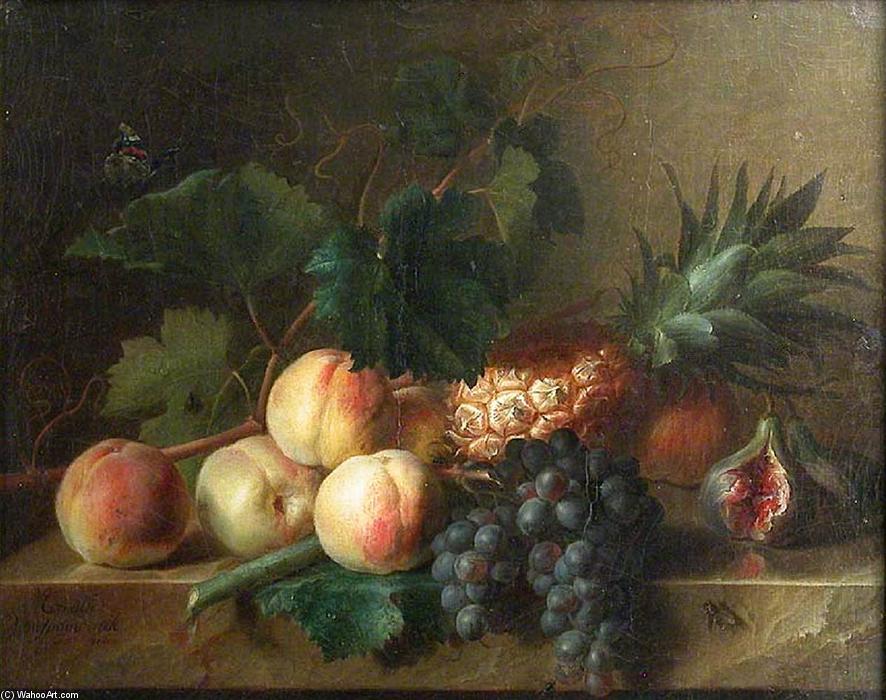
Still-Life with Fruit on Table
 Oil On Canvas
- WallArt
- Romantic Floral Still Life
 1798
1798 43.0 x 54.0 cm
 Louvre
 Pročitaj više
Ručno rađena uljana reprodukcija
Ručno oslikano uljanim bojama na platnu u dimenzijama i okviru po vašem izboru, izrađeno po porudžbini od strane naših umetnika. ( Kupi print Kupi digitalnu sliku)




P118B $10

P118H $10

P118W $10

P438Z $10

P508JH $12

P508YH $12

P805H $10

P805Z $10

P919BZ $10

P919G $10

P919XJ $10

P959ZH $10

P968JZ $12

W106C $8

W218G $10

W218JH $8

W218Y $10

W307PJ $10

W316G $10

W316PJ $8

W316Y $10

W398PJ $8

W4111J $10

W500HY $15

W500JH $15

W692G $12

W849H $8

W940BG $15

W953PJ $8




Izaberite jednu od naših unapred definisanih veličina koje odgovaraju originalnim proporcijama umetničkog dela.

Можете унети сопствене димензије како бисте прилагодили дело одређеном оквиру или простору. Ако одабрана величина не одговара пропорцијама оригинала, слика ће бити исечена или проширена додатним елементима који се ручно насликавају. Дигитални prikaz ће вам бити послат на одобрење пре почетка производње.
Имајте на уму да преглед на екрану не одражава стварно исецање или проширење. Само приказ (mockup) ће тачно приказати коначну композицију.
Иако су доступне прилагођене величине, препоручујемо да одаберете димензију из дефинисане листе како бисте сачували оригиналне пропорције.
Nakon narudžbine, tim ArtsDot.com će klijentu putem e-pošte poslati uputstva i dostaviti prikaz predloženog rešenja
Isporuka širom sveta () za 3/4 nedelje umesto uobičajenih 5 nedelja. (23 август). Bez kompromisa po pitanju kvaliteta.

Besplatna ekspresna dostava širom sveta

Visokokvalitetno laneno platno

Kompletno osiguranje transporta

Garancija povraćaja carine i uvoznih dažbina

Garancija vernosti boja

Politika povrata u roku od 60 dana (samo u slučaju nedostataka)

Garancija povrata novca od 100%

Popust pri grupnoj kupovini
 Opcija sa staklom dostupna je samo za dimenzije manje od 110 cm

Still-Life with Fruit on Table
Tehnika reprodukcije
Dimenzije reprodukcije
-


Konačna cena
$ 263
Opis umetničkog dela
A Bounty of Earthly Delights: Still Life with Fruit on Table
Gaze upon this exquisite vision of abundance, a moment captured in time that speaks volumes through its vibrant arrangement of nature's bounty. This still life, featuring an array of ripe fruit—luscious apples nestled in the foreground, stately pears positioned just behind them, and clusters of deep purple grapes alongside bright oranges—is more than mere depiction; it is a celebration of harvest and earthly pleasure. The composition is further enriched by the suggestion of life beyond the immediate arrangement: a backdrop hinting at a verdant, vine-covered wall, grounding the scene in a pastoral idyll. Adding a delicate touch of movement to this carefully composed tableau is the presence of a solitary bee in the upper left corner, an ephemeral detail that breathes vitality into the painted surface.
The Artistry of Cornelis van Spaendonck
Painted in 1798 by Cornelis van Spaendonck, this work situates itself within a fascinating period of transition for Dutch art. While Van Spaendonck’s career spanned significant shifts—from his early training to his later administrative roles at the Sèvres porcelain factory—this piece showcases his mastery over the traditional genre of still life painting. His technique allows the viewer to appreciate both the meticulous detail required for botanical accuracy and the painterly flourish that elevates mere objects into subjects worthy of high art. The handling of light across the waxy skins of the fruit suggests a practiced hand, capable of rendering texture—the velvety skin of a pear against the taut sheen of an apple—with remarkable verisimilitude.
Symbolism and the Allure of Abundance
Historically, still life paintings featuring abundant fruit have carried deep symbolic weight. They are often meditations on the cycle of life itself: growth, ripeness, and the inevitable passage of time. The sheer variety displayed—the contrasting colors of orange, green, red, and purple—can be interpreted as a visual catalog of seasonal generosity. Furthermore, the inclusion of natural elements like the bee and the vine-covered wall subtly introduces themes of nature's cyclical renewal and the delicate interconnectedness of life forms. For the modern collector or designer, this symbolism translates into an enduring feeling of warmth, prosperity, and timeless domestic comfort.
Bringing the Garden Indoors: Decorating with Art
This painting possesses an inherent charm that makes it a perfect focal point for any sophisticated interior space. Whether adorning a formal dining room or lending a touch of Old World romance to a sunlit drawing-room, its rich narrative quality elevates the surrounding decor. When considering a reproduction, one is not simply acquiring paint on canvas; one is inviting a curated moment of pastoral tranquility into your home. The depth achieved by Van Spaendonck allows it to function beautifully both as a detailed study in naturalism and as a grand statement piece evoking the refined tastes of late 18th-century European elegance.
Srodna umetnička dela
Biografija umetnika
The Delicate Mastery of Cornelis van Spaendonck
In the grand tapestry of European art history, few threads possess the delicate, luminous quality found in the works of Cornelis van Spaendonck. Born in the Dutch city of Tilburg in 1756, Van Spaendonck emerged from a lineage of profound artistic dedication, beginning his journey under the tutelage of Willem Jacob Herreyns in Antwerp. This early training laid the foundation for a career that would eventually bridge the gap between the meticulous traditions of the Dutch Golden Age and the refined elegance of the French Neoclassical era. In 1773, a pivotal year that redirected the course of his life, he moved to Paris, where he joined his older brother, Gérard van Spaendonck. Together, they became central figures in the Parisian art scene, weaving a legacy of botanical precision and decorative splendor that would captivate the French Academy for decades.
The essence of Van Spaendonck’s artistry lies in his ability to transform the ephemeral into the eternal. While many artists of his era sought the drama of historical epic or the grandeur of portraiture, Cornelis found his muse in the quiet, intimate corners of the natural world. His mastery of oils and gouache allowed him to capture the translucent petals of a rose, the velvety texture of a tulip, and the subtle, dewy moisture on a leaf with an almost scientific accuracy. His compositions often transcend mere botanical documentation; they are poetic meditations on life and decay. In works such as "Open Wicker Basket Of Mixed Flowers," one can sense the artist's profound reverence for each individual bloom, from the sturdy hollyhock to the delicate harebell, all arranged with a grace that feels both spontaneous and perfectly balanced.
A Legacy of Porcelain and Prestige
Van Spaendonck’s influence extended far beyond the canvas, reaching into the very fabric of decorative arts that defined 18th-century luxury. His tenure as the director of the prestigious Sèvres porcelain factory from 1785 to 1800 represents a remarkable intersection of fine art and industrial design. During this period, his botanical sensibilities were translated into exquisite motifs for porcelain, bringing the beauty of the natural world to the tables of the European aristocracy. Even after his administrative departure from Sèvres in 1800, his creative spirit remained tethered to the manufactory, as he continued to design decorative elements that would become hallmarks of French elegance until 1808.
His professional stature was further solidified by his membership in the Académie des Beaux Arts, a distinction he earned in 1789. This prestigious affiliation provided him with a continuous platform to showcase his botanical wonders to the most discerning eyes in Europe. His work often featured more than just flora; he possessed a singular talent for integrating small, living details that breathed life into his still lifes. A wandering bee, a shimmering dragonfly, or a tiny bird's nest tucked among the stems served as subtle reminders of the interconnectedness of nature, adding layers of narrative depth to his compositions.
The historical significance of Cornelis van Spaendonck is found not only in his individual achievements but also in the lineage of talent he helped cultivate. As a mentor to artists like Frédéric Bouchardy, he ensured that the tradition of meticulous botanical illustration would endure into the next century. His life’s work remains a testament to the power of observation and the enduring allure of the natural world, offering a window into an era where beauty was captured with unparalleled precision and profound affection.
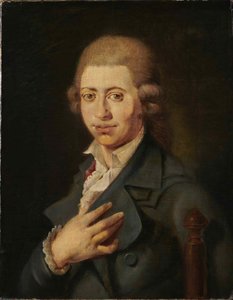
Cornelis van Spaendonck
1756 - 1840 , Netherlands
Osnovne informacije
- Artistic Movement Or Style: Floral Painting
- Artists Or Movements Influenced By This Artist: ['Redouté']
- Artists Who Influenced This Artist: ['Guillaume-Jacques Herreyns']
- Date Of Birth: Tilburg, Netherlands (1756)
- Date Of Death: Paris (1840)
- Full Name: Cornelis van Spaendonck
- Nationality: Dutch
- Notable Artworks:
- De Fleurs Et Fruits
- Vase De Fleurs
- Bouquet De Different Fleurs
- Place Of Birth: Tilburg
Povezani članci
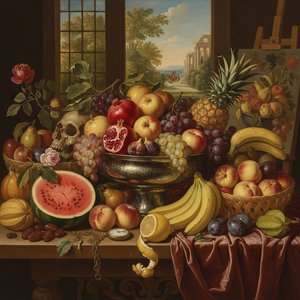
The Bountiful Still Life: Symbolism & Artistic Representation of Fruit Across Art History
Explore the rich history of still life painting & the symbolism of fruit across art movements. Discover masterpieces from Caravaggio to Cézanne with ArtsDot – expert guidance & museum-quality reproductions.
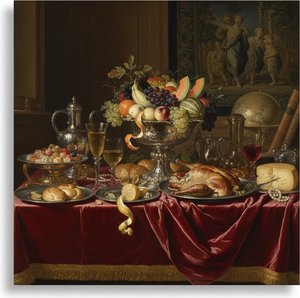
Abraham Hendricksz van Beyeren: Pioneering Dutch Still Life & the Banquet Tradition
Explore the captivating world of Dutch Golden Age still life with Abraham van Beyeren. Discover his innovative techniques, symbolic banquet scenes & lasting influence on art history. Learn about collecting these masterpieces.
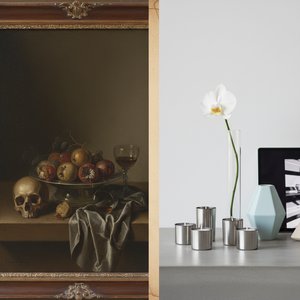
The Enduring Appeal of Still Life: A Historical & Contemporary Exploration
Explore the rich history & symbolism of still life painting with ArtsDot. Discover masterpieces from the Dutch Golden Age, learn about vanitas art, and find expert guidance for collecting timeless artworks.
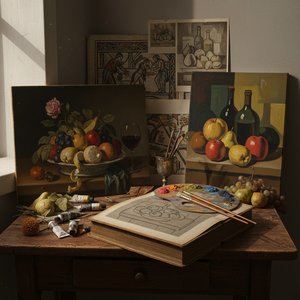
Silent Narratives: Exploring the Enduring Appeal of Still Life Painting Across Centuries
Explore the rich history of still life painting with ArtsDot. Discover Dutch Masters, decode vanitas symbolism & learn about collecting timeless art. Expert insights and museum-quality reproductions.

Golden Age Reflections: Dutch Baroque Painting & Cultural Innovation
Explore the Dutch Golden Age of painting! Discover key artists like Vermeer & ter Borch, their innovative techniques, and the rich cultural context behind these Baroque masterpieces. Learn about collecting & appreciating this iconic art period.

