

 Pregledaj u prostoru
 Pošalji
 Podeli
 Detalji o delu

 Преузми
 Slični predmeti
 Rendgenski snimak
 Slajdovi
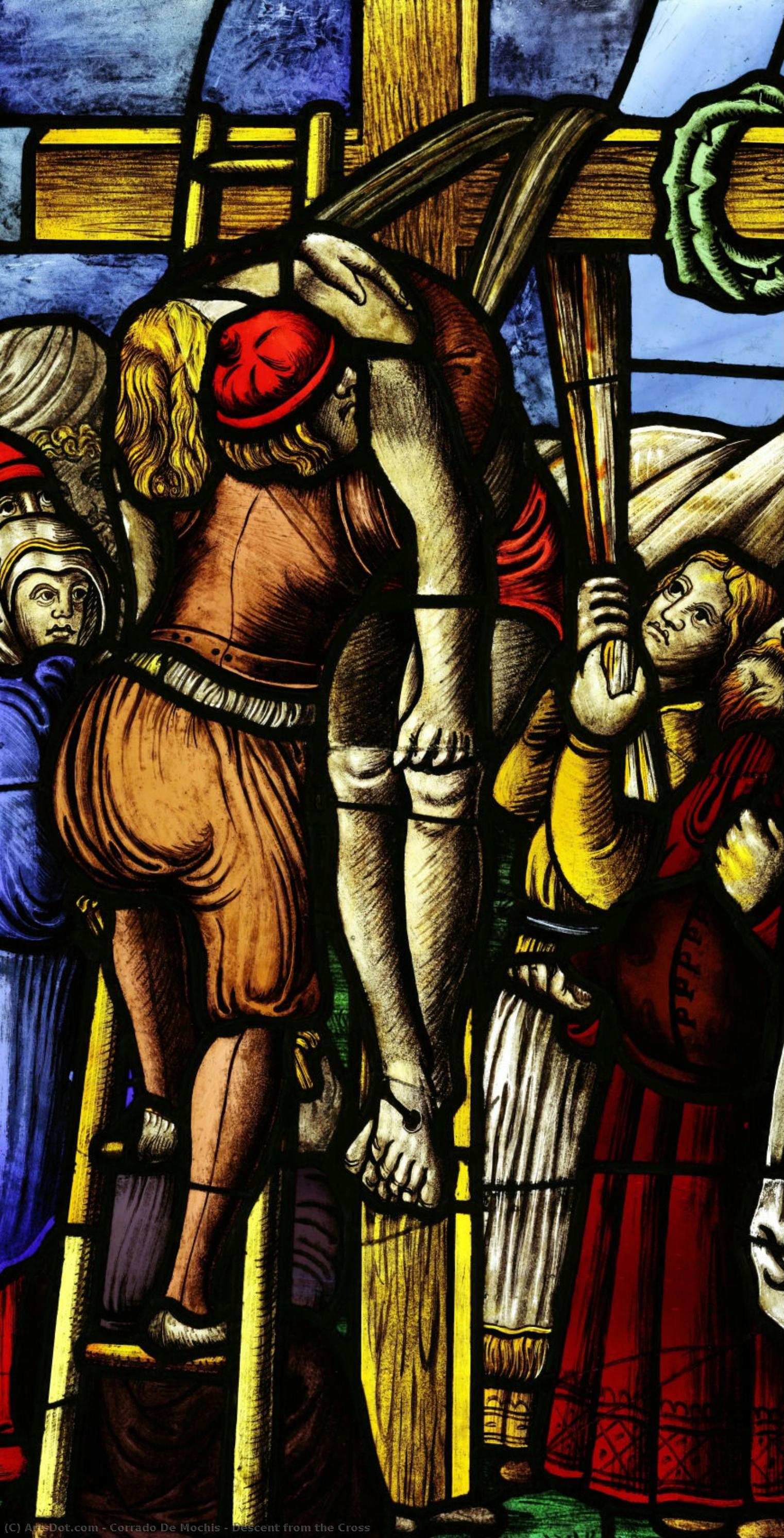
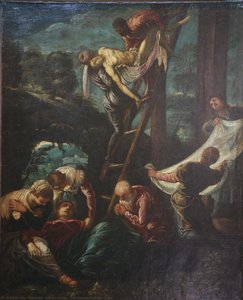
Descent from the Cross
 Oil On Panel
- WallArt
- Italian Renaissance Revival
 Renaissance
 5.0 x 62.0 cm
 Veneranda Fabbrica del Duomo di Milano
 Pročitaj više
Ručno rađena uljana reprodukcija
Ručno oslikano uljanim bojama na platnu u dimenzijama i okviru po vašem izboru, izrađeno po porudžbini od strane naših umetnika. ( Kupi print Kupi digitalnu sliku)




P118B $10

P118H $10

P118W $10

P438Z $10

P508JH $12

P508YH $12

P805H $10

P805Z $10

P919BZ $10

P919G $10

P919XJ $10

P959ZH $10

P968JZ $12

W106C $8

W218G $10

W218JH $8

W218Y $10

W307PJ $10

W316G $10

W316PJ $8

W316Y $10

W398PJ $8

W4111J $10

W500HY $15

W500JH $15

W692G $12

W849H $8

W940BG $15

W953PJ $8




Izaberite jednu od naših unapred definisanih veličina koje odgovaraju originalnim proporcijama umetničkog dela.

Можете унети сопствене димензије како бисте прилагодили дело одређеном оквиру или простору. Ако одабрана величина не одговара пропорцијама оригинала, слика ће бити исечена или проширена додатним елементима који се ручно насликавају. Дигитални prikaz ће вам бити послат на одобрење пре почетка производње.
Имајте на уму да преглед на екрану не одражава стварно исецање или проширење. Само приказ (mockup) ће тачно приказати коначну композицију.
Иако су доступне прилагођене величине, препоручујемо да одаберете димензију из дефинисане листе како бисте сачували оригиналне пропорције.
Nakon narudžbine, tim ArtsDot.com će klijentu putem e-pošte poslati uputstva i dostaviti prikaz predloženog rešenja
Isporuka širom sveta () za 3/4 nedelje umesto uobičajenih 5 nedelja. (3 септембар). Bez kompromisa po pitanju kvaliteta.

Besplatna ekspresna dostava širom sveta

Visokokvalitetno laneno platno

Kompletno osiguranje transporta

Garancija povraćaja carine i uvoznih dažbina

Garancija vernosti boja

Politika povrata u roku od 60 dana (samo u slučaju nedostataka)

Garancija povrata novca od 100%

Popust pri grupnoj kupovini
 Opcija sa staklom dostupna je samo za dimenzije manje od 110 cm

Descent from the Cross
Tehnika reprodukcije
Dimenzije reprodukcije
-


Konačna cena
$ 263
A Poignant Encounter with the Divine
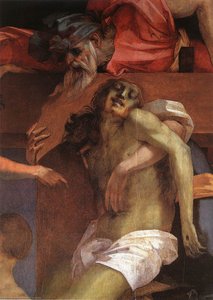
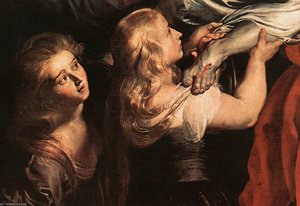
In the quiet, somber moments following the Crucifixion, Corrado de Mochis captures a scene of profound theological weight and human vulnerability. His Descent from the Cross is not merely a depiction of a biblical event, but a visceral exploration of grief and devotion. The painting brings us into the intimate circle surrounding the lifeless body of Jesus Christ as He is tenderly lowered from the cross by Nicodemus, José de Arimatea, and Saint John. Every figure in this composition serves as a vessel for emotion; the palpable sorrow of Mary Magdalene and the vigilant presence of the other women create an atmosphere of heavy, sacred stillness. For the discerning collector or designer, this piece offers more than just a historical window; it provides a focal point of deep spiritual resonance that can anchor a room with its gravity and grace.
The artistry of De Mochis is a masterful bridge between two worlds, reflecting his unique heritage as a German-born master working in the vibrant heart of Milan. He pioneered what he termed the arcimboldesque style—a breathtaking fusion where the meticulous, almost scientific precision of the German Renaissance meets the lush, exuberant energy of the Italian tradition. This stylistic duality is evident in the way he balances geometric clarity with organic, flowing contours. Through his expert use of oil on panel, De Mochis employed sophisticated glazing techniques to layer pigments, creating a luminous, ethereal glow that seems to emanate from within the wood itself. This technique allows light to dance across the skin of the figures and the folds of the linen shrouds, imbuing the scene with a lifelike vitality that transcends the centuries.
A Legacy of Light and Devotion
To understand the true depth of this work, one must look toward its monumental origins. Originally commissioned for the grand apse window of the Milan Duomo, this panel was designed to function as a cornerstone of the cathedral’s visual narrative. It was born from an era of intense religious fervor and unparalleled artistic innovation, where every brushstroke was intended to instruct and inspire the faithful. The symbolism embedded within the composition—from the heavy weight of the Savior's body to the subtle interplay of light and shadow—serves to remind the viewer of the profound sacrifice at the heart of the Christian faith. It is a work that demands contemplation, inviting the observer to linger on the nuances of expression and the delicate textures of the era.
For those looking to integrate a piece of Renaissance history into a contemporary interior, this reproduction offers an unparalleled opportunity. Whether placed in a curated gallery space or as a centerpiece in a classically styled study, the Descent from the Cross brings with it an aura of timeless sophistication. It is a work that speaks to the soul, offering a sense of peace and historical continuity that modern art often lacks. Owning such a piece is not simply about decoration; it is about preserving a fragment of the Renaissance spirit—a testament to human craftsmanship and the enduring power of faith.
Srodna umetnička dela

Biografija umetnika
Corrado de Mochis: A Fusion of German and Italian Renaissance Glass
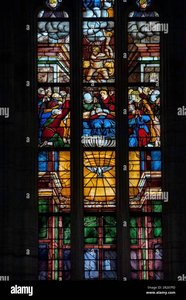
Born in Cologne, Germany, in 1525, Corrado de Mochis (also known as Corrado de’Mochis) emerged as one of the most significant master glassmakers of the late 16th century. His career unfolded primarily in Milan, where he left an indelible mark on the magnificent Milan Cathedral, crafting a series of stained-glass windows that exemplify the dynamic interplay between German and Italian artistic traditions – a style he himself dubbed ‘arcimboldesque.’ De Mochis’s life was tragically cut short in 1569, but his legacy endures through his breathtaking creations, offering a window into the vibrant world of Renaissance art and craftsmanship.
Early Life and Artistic Training: While precise details of de Mochis's formative years remain somewhat elusive, it’s believed he received his initial training in Cologne, a city renowned for its glassmaking heritage. The exact nature of this early education is debated amongst scholars, though many speculate that he was influenced by the established German glass traditions prevalent at the time. However, it was in Milan that de Mochis truly blossomed, immersing himself in the burgeoning artistic scene and absorbing the innovative techniques characteristic of Italian Renaissance art.
The Milan Cathedral: A Masterwork of Collaboration
De Mochis’s most celebrated achievement is undoubtedly his contribution to the stained-glass windows of the Milan Cathedral (Duomo). Commissioned during a period of extensive renovation, he worked alongside a diverse group of artists – including Italian painters and glassmakers – creating a complex and ambitious project that spanned several decades. His involvement was particularly crucial in the northern sections of the cathedral, where his ‘arcimboldesque’ style shone most brilliantly. This distinctive approach blended the meticulous detail and symbolic richness associated with German art with the vibrant color palettes and dynamic compositions favored by Italian masters.
The windows themselves are a testament to de Mochis's technical skill and artistic vision. He employed innovative techniques, such as layering different colored glasses and incorporating intricate leadwork, to achieve remarkable depth and luminosity. The subjects depicted – often biblical scenes and stories of saints – were rendered with an extraordinary level of detail, capturing both the spiritual significance and the beauty of the materials themselves. Notable amongst his work are panels depicting “Stories of Saint James the Great,” a stunning example of his Nordic & Roman style.
An ‘Arcimboldesque’ Style: A Synthesis of Traditions
The term ‘arcimboldesque,’ coined by art historians, perfectly encapsulates de Mochis's unique artistic approach. It refers to a distinctive fusion of German and Italian influences – a synthesis that resulted in stained-glass windows characterized by an extraordinary richness of color, intricate detail, and a dynamic sense of movement. De Mochis skillfully combined the precision and symbolic depth of German glassmaking with the vibrant colors and dramatic compositions associated with Italian Renaissance painting. This blending created a style that was both deeply rooted in tradition and remarkably innovative.
The use of color is particularly noteworthy. De Mochis employed a wide range of pigments, meticulously applied to create luminous hues and subtle gradations. He also experimented with different glass types – including ruby red, sapphire blue, and emerald green – to achieve the desired effects. His work demonstrates a profound understanding of how light interacts with colored glass, transforming the windows into dazzling displays of color and form.
Legacy and Influence
Corrado de Mochis’s influence extended far beyond his own creations. He served as an inspiration for subsequent generations of glassmakers and artists, who continued to develop and refine the ‘arcimboldesque’ style. His work stands as a powerful reminder of the cross-cultural exchange that characterized the Renaissance period – a time when artistic ideas and techniques were freely shared across Europe.
Today, de Mochis's stained-glass windows remain a treasured part of the Milan Cathedral’s collection, attracting visitors from around the world. His legacy is celebrated through reproductions like those offered on platforms such as ArtsDot.com, ensuring that his breathtaking creations continue to inspire and delight audiences for years to come. His work exemplifies the enduring power of art to transcend time and connect us with the artistic achievements of the past.
corrado de mochis
1525 - 1569 , Germany
Osnovne informacije
- Artistic Movement Or Style: Arcimboldesque
- Artists Or Movements Influenced By This Artist: ['Renaissance art']
- Artists Who Influenced This Artist: ['Italian artists']
- Date Of Birth: 1525 Cologne, Germany
- Date Of Death: 1569 Milan, Italy
- Full Name: Corrado de Mochis
- Nationality: German
- Notable Artworks:
- Stories of Saint James
- David and Goliath
- Place Of Birth: Cologne, Germany
Povezani članci
Oil on Panel Masters: 10 Paintings That Revolutionized Art |
Journey through 10 legendary 'Oil on Panel' masterpieces by Van Eyck, Bosch & Bruegel. Explore the stories behind these iconic Renaissance & Baroque paintings and find museum-quality art reproductions to elevate your home decor. Discover all masterpieces on !
Oil on Panel: A Historical Survey of Technique, Support & Aesthetic Evolution
Explore the rich history of oil on panel painting! Discover Renaissance techniques, support structures & aesthetic evolution. Expert insights for art collectors and enthusiasts.
Oil on Panel: A Historical Survey of Technique, Support, and Aesthetic Impact
Explore the rich history of oil on panel painting! Discover Renaissance techniques, support construction, & the enduring legacy of this masterful art form. Expert insights for collectors and enthusiasts.

The Enduring Legacy of Oil on Canvas: Technique, History & Aesthetic Impact
Explore the rich history & techniques of oil painting – from Renaissance masters to Impressionism. Discover pigments, layering methods, and why this timeless medium endures. Expert insights for artists & art enthusiasts.

Oil on Canvas: A Historical & Technical Exploration of a Timeless Artistic Medium
Explore the rich history & enduring techniques of oil painting on canvas. Discover the science behind its longevity, conservation practices, and contemporary relevance. Expert insights for art enthusiasts.

